(7% discount is applied at checkout)
Cart is empty
Your go-to destination for cutting-edge server products
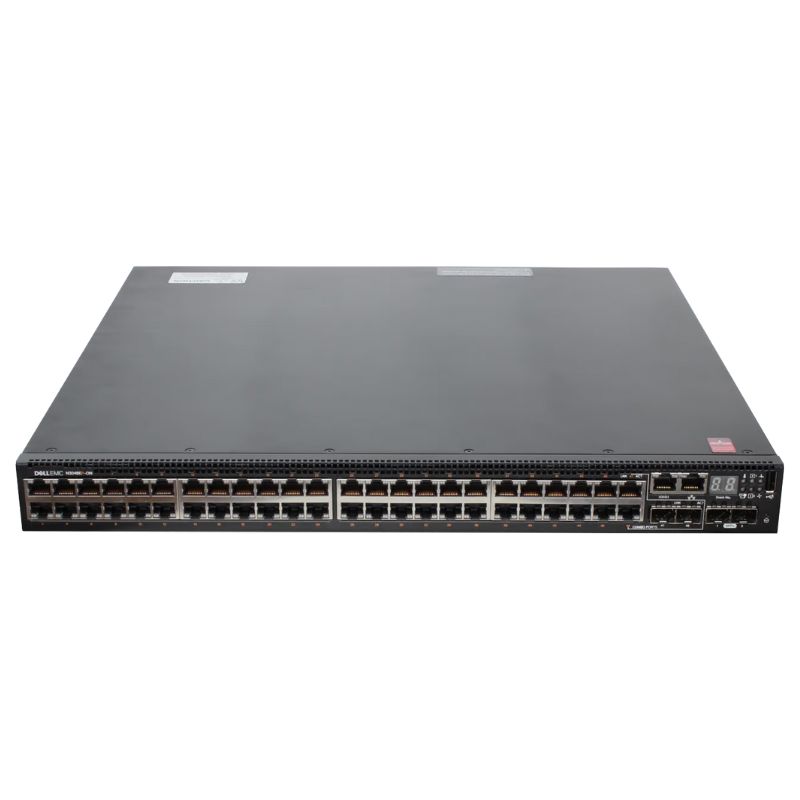


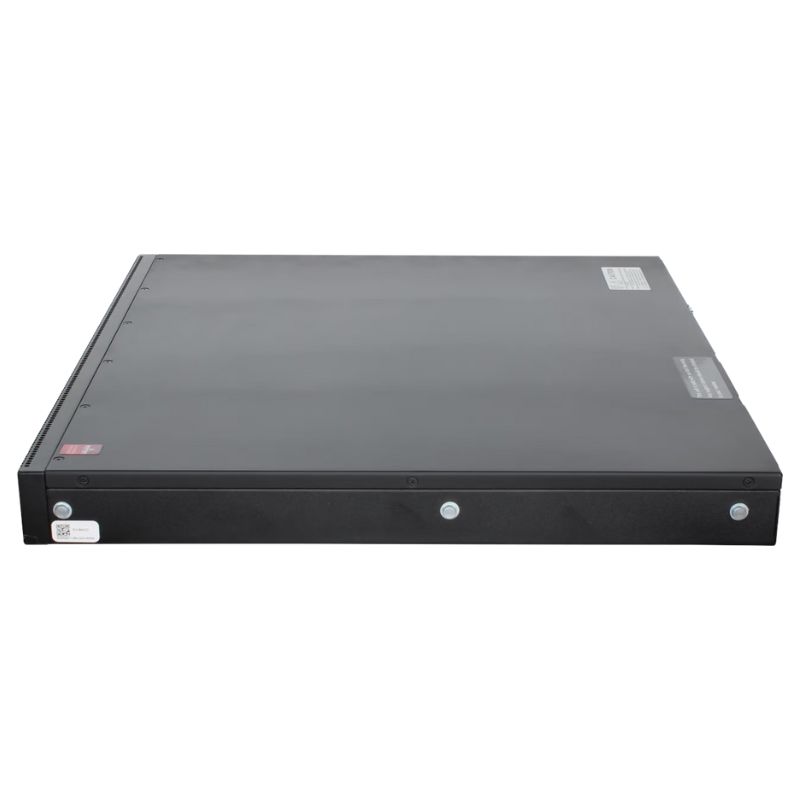
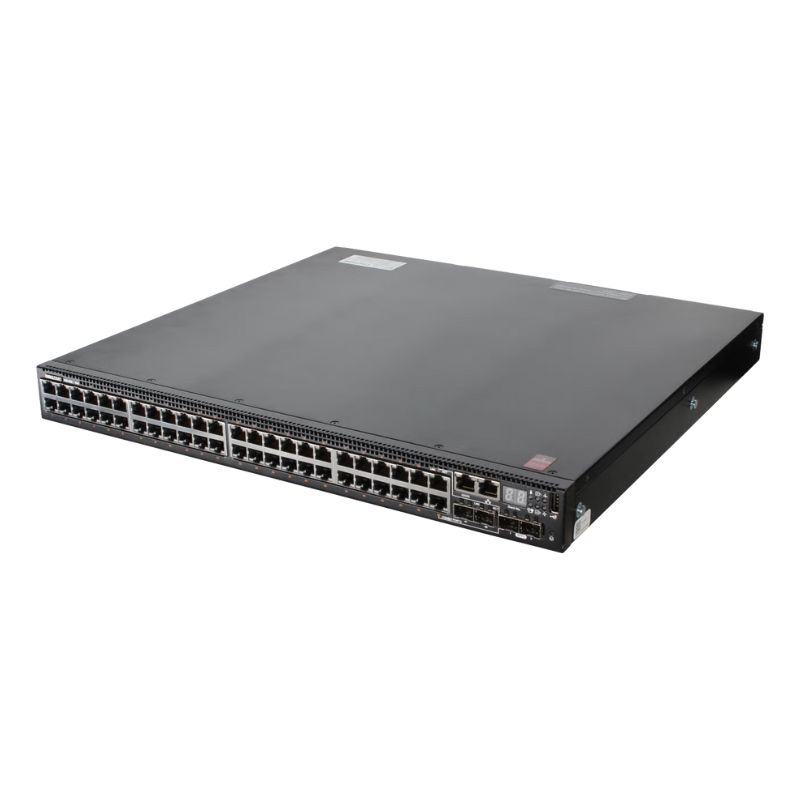
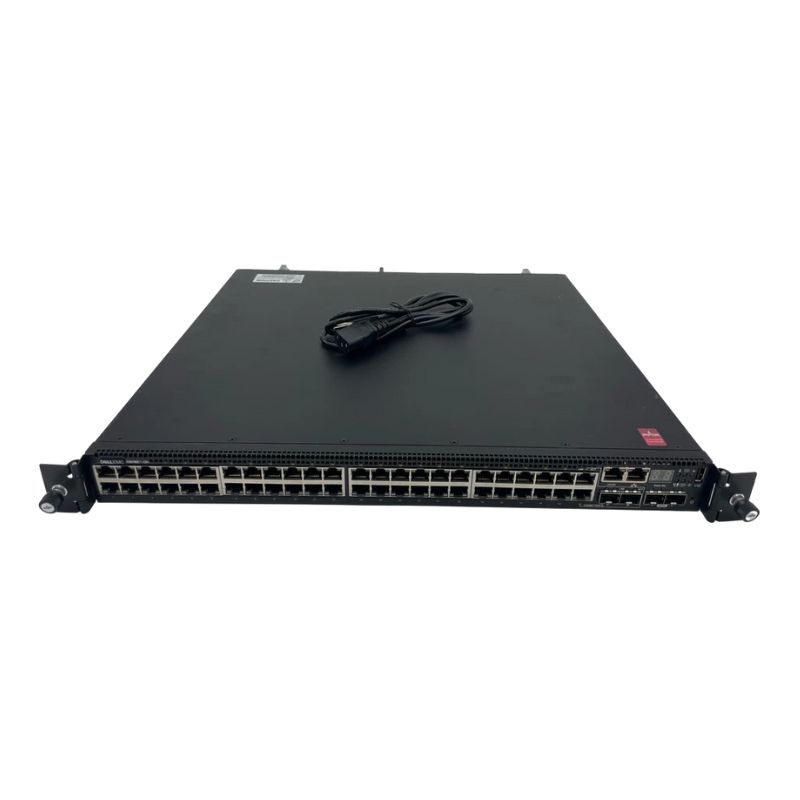
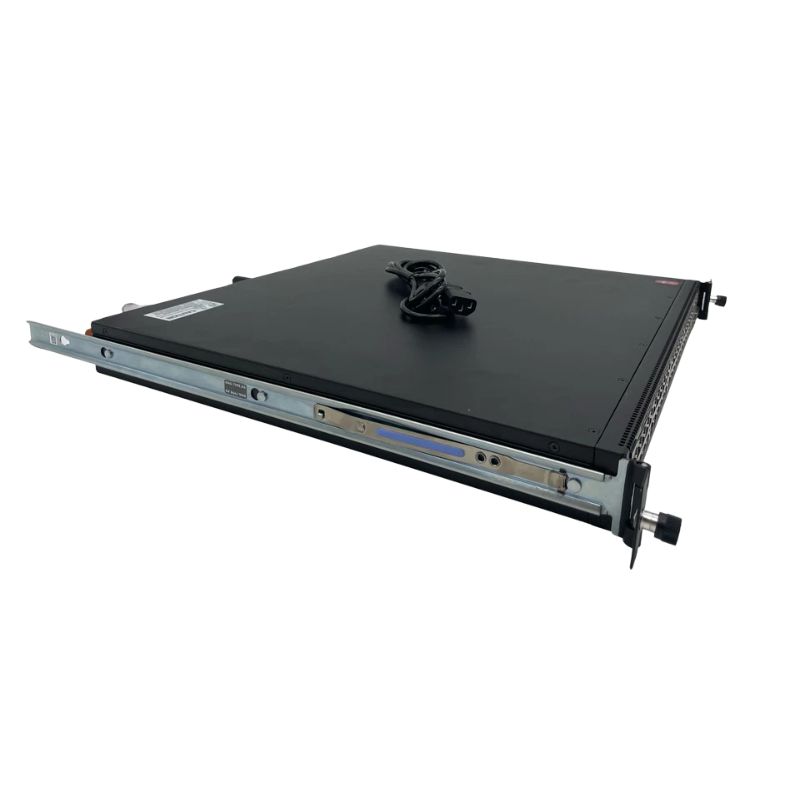
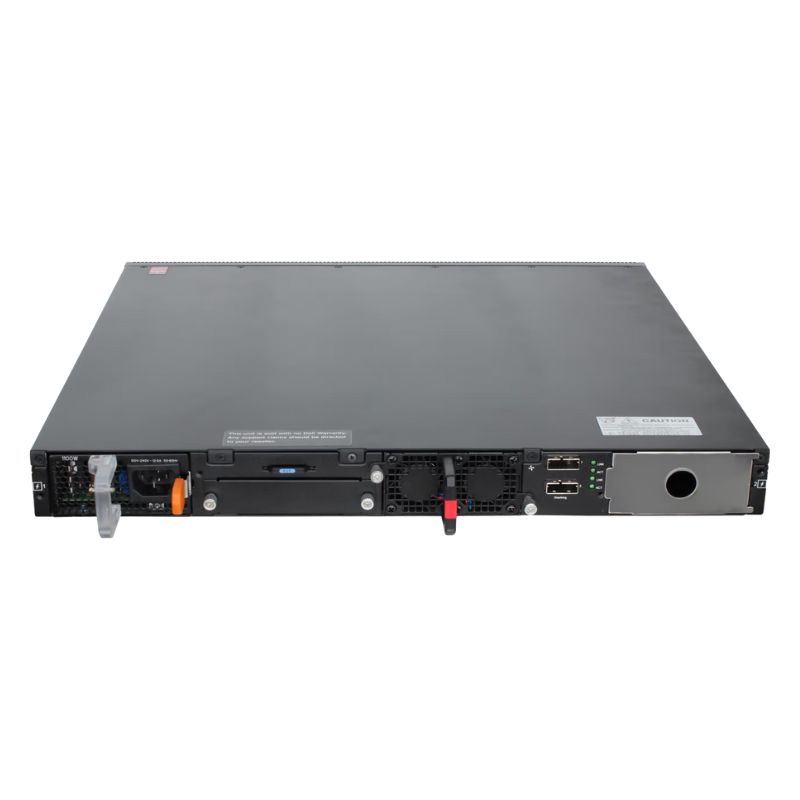
Y3J8G Dell EMC 48 Ports N3048ET-ON L3 Rack Mountable 1U Switch. Excellent Refurbished with 1 year replacement warranty
The Dell EMC Y3J8G Networking N3048ET-ON is a high-performance, rack-mountable Layer 3 switch engineered to deliver robust connectivity, advanced management, and reliable scalability. Designed for enterprise and data center environments, this 1U rack unit features a comprehensive set of interfaces, high throughput, and extensive Layer 2/Layer 3 functionality.
This switch is equipped with multiple port types to support flexible deployment:
The Y3J8G Dell EMC 48 Ports N3048ET-ON L3 Rack Mountable 1U Switch category covers enterprise-grade, rack-mounted Layer 3 switches built for access and aggregation layers in campus, branch, and edge data center networks. Pages in this continuous category describe the physical hardware characteristics, logical capabilities, deployment patterns, and the operational benefits organizations expect from a 48-port, 1U, Layer 3 managed switch platform branded by Dell EMC. The content below expands on the product family and subcategories — including port variants, management editions, power and redundancy options, and accessory bundles — and provides buyers, integrators, and IT teams with an in-depth reference that supports search intent for procurement, comparison, and installation.
Searchers landing on this category are often looking for reliable performance, predictable manageability, and strong Layer 3 feature sets in a compact 1U chassis. Typical attributes emphasized for the N3048ET-ON family include:
Devices Y3J8G in this category are designed to occupy a single rack unit (1U) of vertical space in a standard 19-inch rack. Expect a low-profile front panel with 48 RJ-45 ports arrayed for easy cable management, LED indicators for link/activity, and front-facing management interfaces where applicable. The compact 1U design is optimized for mixed-density rack deployments where space efficiency is a priority.
A defining characteristic is the mix of 48 copper access ports alongside dedicated uplink interfaces. Many models in the N3048ET-ON family include several SFP/SFP+ or combo ports to connect to aggregation switches, servers with 10Gb uplinks, or fiber distribution networks. Uplink flexibility reduces the need for external media converters and enables a clean separation between access and aggregation layers.
Rack-mounted access switches must balance performance with thermal and acoustic constraints. Typical category expectations are efficient internal cooling paths and quiet operation suitable for network closets and edge rooms. Power options may include a single internal power supply or support for redundant power modules via spare sockets or accessory options. Power consumption varies with port utilization and any PoE loads; always evaluate thermal and power budgets when sizing a rack.
The N3048ET-ON line is positioned as a Layer 3-capable access switch, meaning it supports routed interfaces, Y3J8G static routing, and one or more dynamic routing protocols. For administrators, this translates into the ability to perform inter-VLAN routing at the access layer, offload simple routing tasks from higher-tier routers, and build resilient Layer 3 topologies.
To ensure predictable application performance, the switch family includes QoS primitives: classification, queuing, shaping, and rate limiting. Administrators can prioritize voice and video through DSCP and CoS markings, map traffic to hardware queues, and protect mission-critical flows against congestion on oversubscribed uplinks.
Standard ACLs and extended ACLs help enforce segmentation and limit traffic between VLANs. ACLs can be applied on ingress or egress to filter unwanted flows and protect sensitive services. Combined with role-based access and management-plane protections, these features support a layered defense posture for access networks.
Secure administrative access is prioritized through SSH for CLI, HTTPS for web GUIs, RADIUS/TACACS+ for centralized authentication, and granular privilege levels for operator accounts. Features that protect the control plane from resource exhaustion and rogue management traffic are key to operational resilience.
Real-time telemetry (port counters, interface statistics, and flow data) combined with historical metrics enables capacity planning and SLA validation. Integration with centralized performance monitoring systems lets teams set alerts for link degradation, packet loss, or unusual utilization patterns.
Organizations selecting an access switch must consider long-term scaling. Some hardware in this product family supports stacking or virtual chassis features that logically combine multiple switches into a single management plane. Stacking simplifies operations, simplifies firmware upgrades, and increases resilience by allowing traffic to reroute within the stack fabric.
Stacking is ideal when a single logical control plane is required across multiple physical units; however, it adds complexity and hardware dependencies. Independent switches with reliable uplinks remain a valid choice where individual device isolation is preferred or when mixing vendors. Evaluate stacking bandwidth, resiliency behavior, and upgrade processes before committing to a stack-centric design.
This Y3J8G switch category is intentionally versatile — it addresses a wide range of network topologies. Below are common real-world scenarios and the benefits these products deliver:
In campus networks, 48-port 1U Layer 3 switches are often deployed on floors or in building IDFs to connect desktops, printers, APs, and VoIP endpoints. Benefits include high port density, VLAN-based segmentation, and local routing for efficient intra-building traffic flows.
Compact 1U switches with robust management enable branches to operate independently while integrating with central IT through secure uplinks and routing. Transparent management via central NMS reduces administrative overhead across many sites.
When used in edge data centers or micro-clouds, the switches provide deterministic connectivity for servers and storage systems. Their Layer 3 features allow simplified network overlays and can host routing adjacencies for localized services.
For Wi-Fi deployments, the 48-port density lets administrators centralize AP uplinks at the access switch, with QoS and VLAN segregation ensuring predictable wireless performance and simple guest/secure segmentation.
Maintain a spare switch or critical spare parts (power supplies, fans, SFP modules) depending on your recovery time objectives. Leveraging Dell EMC’s advance replacement or on-site support contracts can shorten mean time to repair for critical sites.
Y3J8G Interoperability is a practical concern when introducing any switch into a heterogeneous network. Verify the device supports your network’s management standards (SNMP versions, RADIUS/TACACS, syslog), routing protocols, and any existing orchestration tools. When replacing legacy switches, plan for staged migration to maintain continuity.
Enterprises often require switches that meet energy efficiency and regulatory compliance standards. Confirm product certifications for environmental directives, RoHS compliance, and regional safety standards before procurement. Additionally, check enterprise policies for approved vendor lists and lifecycle timelines for hardware refresh cycles.
Final editorial guidance for merchants and content managers
Keep the category page updated with current SKU availability, pricing signals, and support options. Regularly refresh comparison content and ensure spec sheets reflect the latest firmware features and licensing changes. Use customer reviews and verified deployment notes to surface real-world insights that prospective buyers value during the evaluation phase.


 Contact Us
 Information
 Catalog
 Solid State Drives (SSD)
 Network Switches
 Hard Disk Drives
 HBA & Controllers
 PC & Servers
 PC & Server Memory
 CPU & Processors
 Network Routers
 Power Supplies
 Tape Drives & Libraries
 Network Devices
 Computer & Network Cables