(7% discount is applied at checkout)
Cart is empty
Your go-to destination for cutting-edge server products
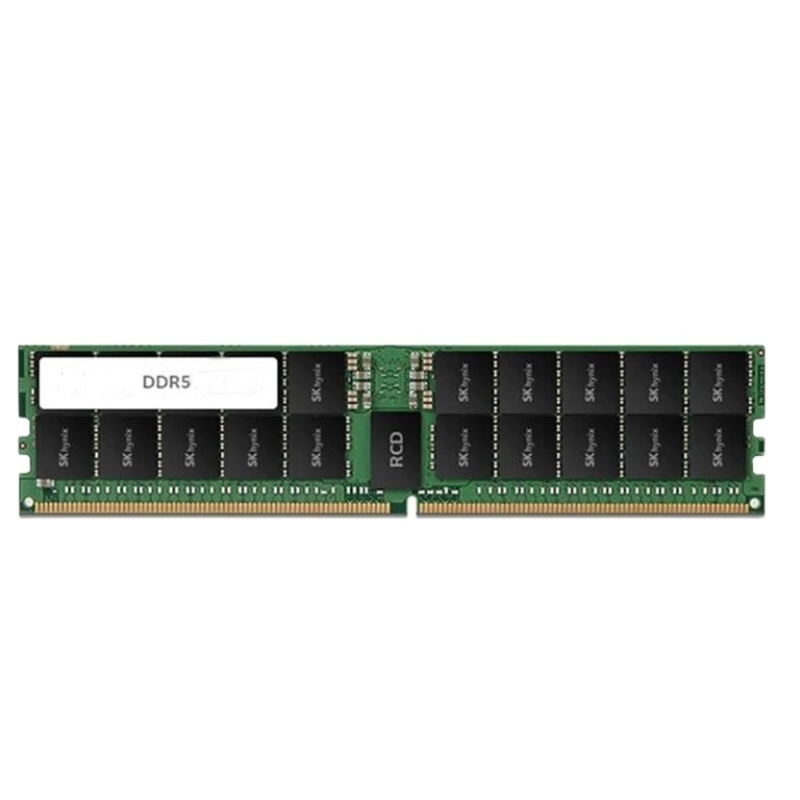


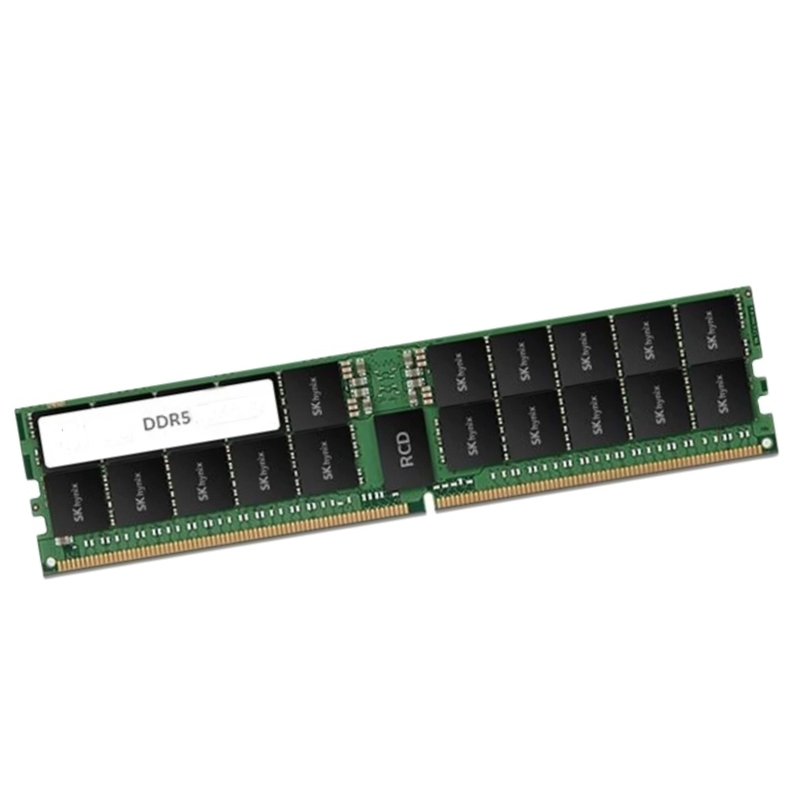
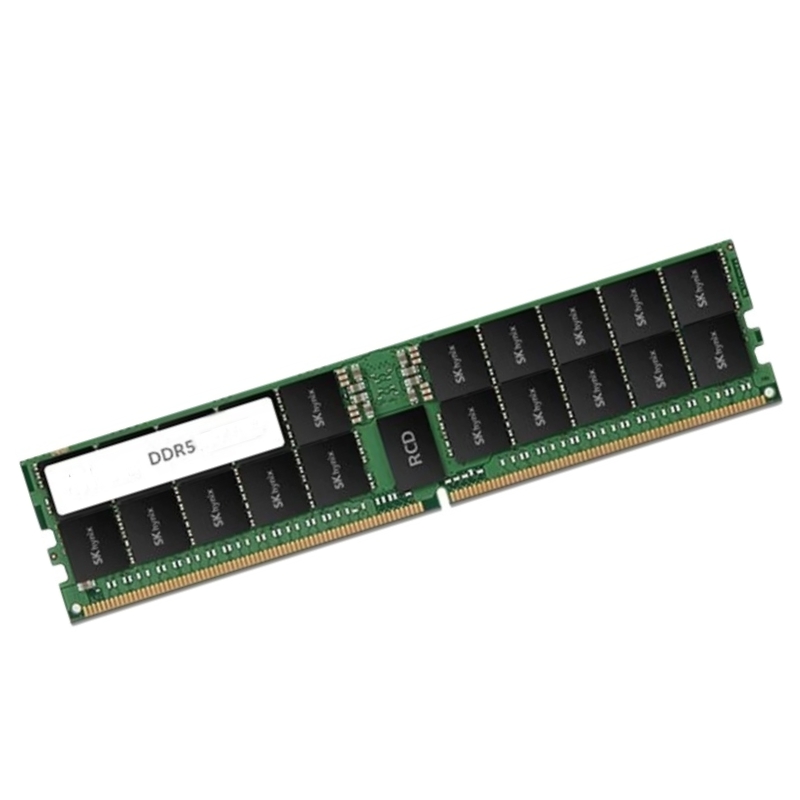
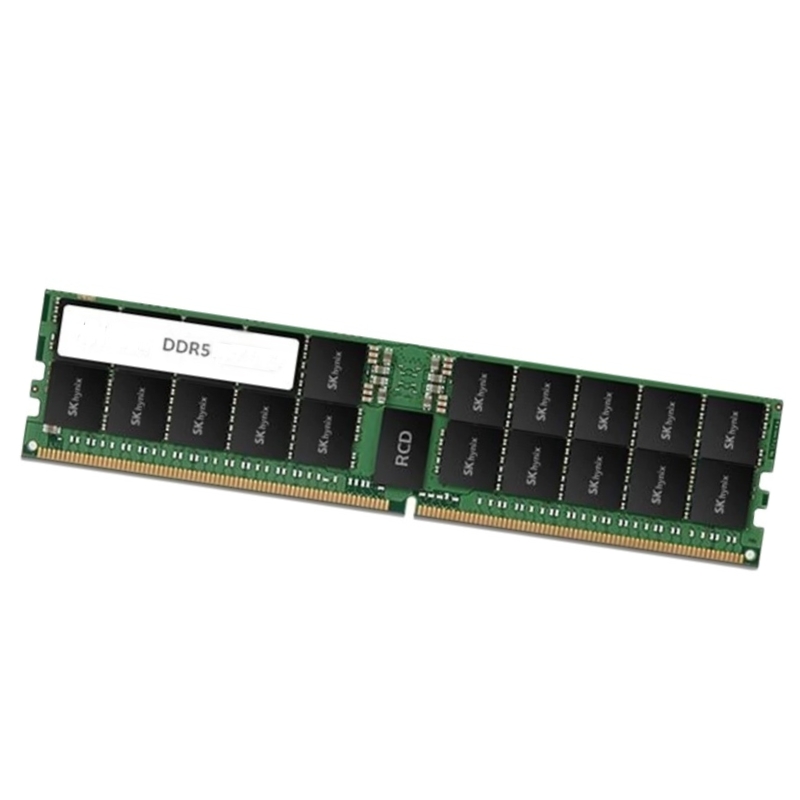
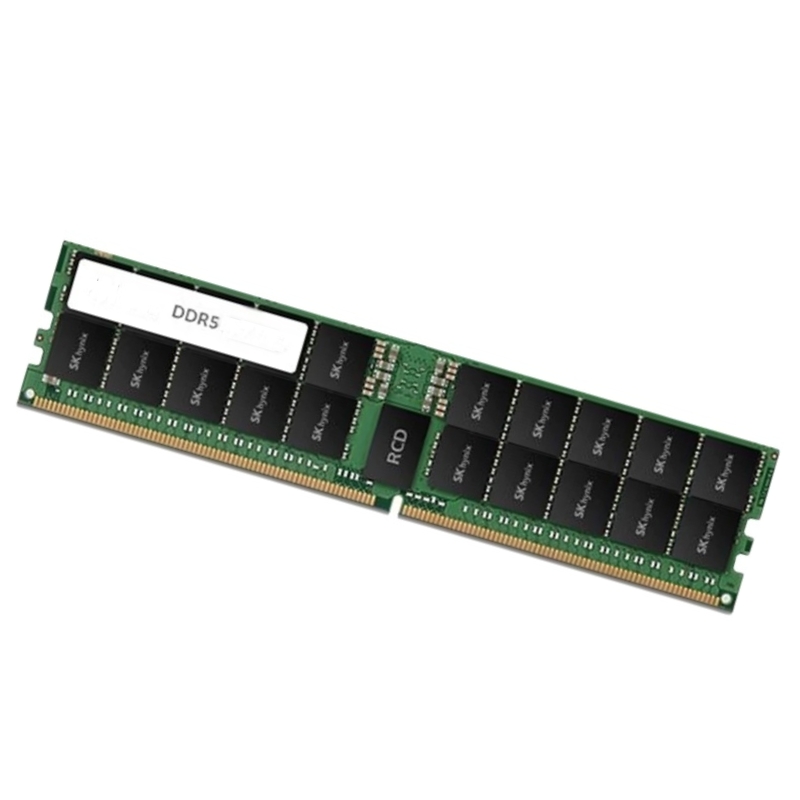
M321R4GA3EB0-CWMXJ Samsung 32GB DDR5 5600MHz PC5-44800 2rx8 Ecc Registered Cl46 SDRAM 288-pin RDIMM Memory Module For Server. New Sealed in Box (NIB) with 3 Years Warranty
The Samsung M321R4GA3EB0-CWMXJ 32GB DDR5 SDRAM RDIMM is a high-performance memory solution engineered to meet the demands of modern enterprise and server environments. With 5600 Mbps data transfer rate, PC5-44800 bandwidth, and ECC registered architecture, this module ensures reliability, consistency, and superior multitasking capabilities for mission-critical applications.
The Samsung M321R4GA3EB0-CWMXJ represents a critical advancement in server memory technology, belonging to the category of DDR5 ECC Registered RDIMMs. This specific module is engineered for next-generation servers, data centers, and high-availability computing environments where data integrity, capacity, and bandwidth are non-negotiable. Operating at a speed of 5600 megabits per second (Mbps) and adhering to the PC5-44800 designation, this 32GB module leverages the architectural improvements of DDR5 to deliver significantly enhanced performance and efficiency over previous DDR4 generations. Its core function is to provide reliable, high-density memory for systems that power enterprise applications, cloud infrastructure, virtualization, and large-scale databases.
Before delving into the architectural nuances, understanding the core specifications of this memory module is paramount. The part number M321R4GA3EB0-CWMXJ decodes key attributes: it is a 32GB (1x32GB) module, operating at 5600 Mbps (PC5-44800) with a CAS Latency of 46. It is a 2Rx8 (2 Rank, x8 organization) ECC Registered RDIMM, requiring a standard voltage of 1.1V. It utilizes a 288-pin design and is built on the Double Data Rate 5 Synchronous Dynamic Random-Access Memory (DDR5 SDRAM) architecture. These specifications collectively define its performance envelope and compatibility.
Samsung's part numbering system provides a wealth of information. "M3" often denotes a DDR5 memory module. "32" indicates the density of 32GB. "1R" can be interpreted in context with the specification sheet, aligning with the 1 module per package/2R module rank. "4G" refers to the use of 4Gb DRAM chips. "A3" indicates specific revision and design characteristics. "EB0" often relates to the component configuration (ECC, Registered). The suffix "CWMXJ" typically represents the speed bin (5600), timing parameters (CL46), and potentially the manufacturing origin or lot code, crucial for qualification in homogeneous server fleets.
Within the server memory hierarchy, RDIMMs like the M321R4GA3EB0-CWMXJ strike an optimal balance between performance, capacity, and cost. They offer higher capacity and better signal integrity than Unbuffered DIMMs (UDIMMs), which are limited in slot population. Compared to Load-Reduced DIMMs (LRDIMMs), which use a data buffer for even greater capacity scaling, RDIMMs typically offer slightly lower latency and are more cost-effective for mainstream server configurations requiring high reliability and moderate-to-high density. This module is the workhorse choice for a vast array of single and dual-socket servers.
Samsung engineers this memory with server-grade components and rigorous testing. The substrate, PCB layers, and solder materials are selected for long-term thermal resilience. The module undergoes extensive testing at elevated temperatures and under sustained workloads to ensure it meets the stringent requirements of OEM server validation cycles. This results in a Mean Time Between Failures (MTBF) measured in millions of hours, providing the foundation for server platforms that deliver "five-nines" (99.999%) or greater availability.
The shift from DDR4 to DDR5 represents a fundamental leap in memory technology. This module is not merely a faster version of its predecessor; it incorporates structural changes that redefine data handling for server workloads.
The 5600 Mbps data rate is a cornerstone of this module's performance. Translated, this means the module can handle 5.6 billion transfers per second per pin. With a 64-bit data path (plus ECC bits), this translates to a theoretical peak bandwidth of approximately 44.8 GB/s per module (5600 Mbps * 8 bytes / 1000). This is achieved through improved signaling, more robust data integrity circuits, and a doubled burst length compared to DDR4. The PC5-44800 industry designation directly correlates to this 44.8 GB/s transfer rate, providing a clear standard for system integrators.
A key innovation in DDR5 is the inclusion of On-Die ECC. This is distinct from the module-level ECC provided by the Registered buffer. On-Die ECC operates within the memory chips themselves, correcting minor bit errors that can occur within the DRAM array before data is sent to the memory buffer. This layer of protection enhances data reliability at the most fundamental level, reducing the raw bit error rate and contributing to overall system stability, which is critical for long-running server applications.
This module incorporates two synergistic technologies for maximum data integrity and signal stability: ECC and Registered design.
The ECC functionality on this Samsung module goes beyond On-Die ECC. It uses additional memory bits (typically 8 bits for every 64 bits of data) to detect and correct single-bit errors on the fly. It can also detect, though not correct, multi-bit errors. In a server environment where data corruption can lead to catastrophic application failure, corrupted database transactions, or scientific miscalculations, ECC is an essential feature. It ensures the accuracy of data stored in memory, protecting against soft errors caused by cosmic rays, electrical interference, or other transient faults.
The "Registered" in RDIMM indicates the presence of a register (or buffer) on the module, located between the system's memory controller and the DRAM chips. For the M321R4GA3EB0-CWMXJ, this buffer is a crucial component. Its primary function is to reduce the electrical load on the memory controller by buffering the command, address, and clock signals. This allows a server motherboard to support a greater number of memory modules and higher capacities per channel without signal degradation. While it introduces a slight latency penalty (typically one clock cycle), the benefit is vastly improved system stability and scalability in multi-DIMM configurations, which is the norm in server platforms.
The "2Rx8" designation is a vital detail. "2R" means the module has two ranks. A rank is an independently addressable set of DRAM chips that share the same command/address/control signals. This module utilizes two ranks, allowing for efficient interleaving and better utilization of the memory channel. The "x8" refers to the organization of the individual DRAM chips; each chip has an 8-bit wide data I/O interface. This organization is a standard for higher-capacity server modules and works in concert with the memory controller to manage data flow efficiently across the ranks.
Beyond architecture, the physical and operational parameters define the module's implementation within a server system.
Operating at a nominal voltage of 1.1V, this DDR5 module is more power-efficient than DDR4 modules, which typically operate at 1.2V. This reduction in voltage directly lowers dynamic power consumption, a significant factor in dense server deployments where hundreds of memory modules may be in use. Furthermore, DDR5 architecture moves the Power Management Integrated Circuit (PMIC) from the motherboard to the memory module itself. This on-module PMIC provides more stable power delivery, reduces noise, and allows for finer-grained power control, contributing to overall system power efficiency and signal quality.
The Samsung M321R4GA3EB0-CWMXJ uses a 288-pin edge connector, which is physically and electrically incompatible with DDR4's 288-pin design due to a different notch key position. The pin layout is optimized for DDR5's signaling requirements. The module follows the standard RDIMM height and profile to ensure proper fitment in server chassis and compatibility with heatsink solutions if required for specific high-thermal environments.
CAS Latency (CL) is the number of clock cycles between the memory controller issuing a read command and the first piece of data being available. A CL46 rating at 5600 Mbps indicates the latency in clock cycles. While this number is higher than typical DDR4 latencies, it is measured against a much faster clock cycle. The absolute time (in nanoseconds) is a more meaningful metric. The combination of speed and latency in DDR5 is engineered to provide higher bandwidth with a balanced latency profile suitable for the massive, parallel data streams common in modern server workloads, rather than the ultra-low latency focus of some desktop modules.
This memory module is purpose-built for specific computing environments where its features deliver tangible benefits.
The Samsung 32GB DDR5 ECC RDIMM is designed for deployment in a wide array of enterprise and cloud server applications. Its high bandwidth makes it ideal for data-intensive tasks such as in-memory databases (e.g., SAP HANA), real-time analytics, and high-performance computing (HPC) simulations. The large 32GB capacity per module allows for high memory density in systems, which is critical for server virtualization, where multiple virtual machines are hosted on a single physical server, each requiring allocated RAM. Additionally, its robust ECC protection is indispensable for file servers, mail servers, and financial transaction processing systems where data accuracy is paramount.
This module is designed for servers powered by modern CPUs that support DDR5 memory with ECC and Registered features. This includes next-generation Intel Xeon Scalable processors (e.g., Sapphire Rapids and later) and AMD EPYC processors (e.g., Genoa and later). It is crucial to verify compatibility with the specific server motherboard or system manufacturer's Qualified Vendor List (QVL) to ensure optimal performance and stability, as BIOS and memory subtiming configurations can vary.
Server memory performance is heavily dependent on multi-channel architecture. Modern server CPUs support multiple memory channels (e.g., 8 or 12 channels). To maximize bandwidth, modules should be installed in matching sets across these channels. The registered design of this Samsung DIMM is essential for maintaining signal integrity when populating all available DIMM slots per channel, which is necessary to achieve the maximum total memory capacity of a server system. Its specifications ensure it can operate reliably in these densely populated memory configurations.


 Contact Us
 Information
 Catalog
 Solid State Drives (SSD)
 Network Switches
 Hard Disk Drives
 HBA & Controllers
 PC & Servers
 PC & Server Memory
 CPU & Processors
 Network Routers
 Power Supplies
 Tape Drives & Libraries
 Network Devices
 Computer & Network Cables