(7% discount is applied at checkout)
Cart is empty
Your go-to destination for cutting-edge server products
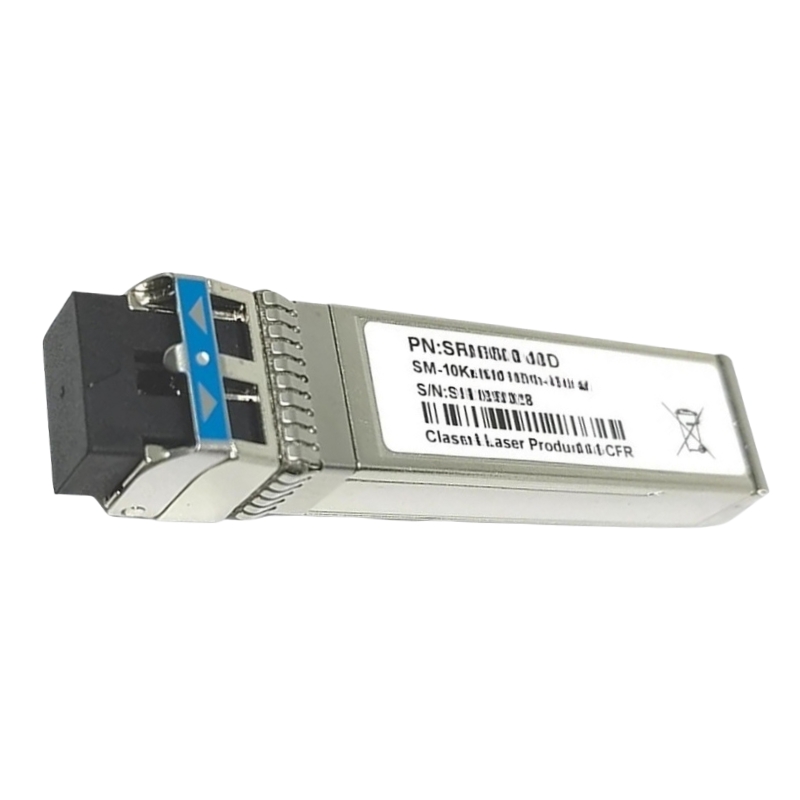


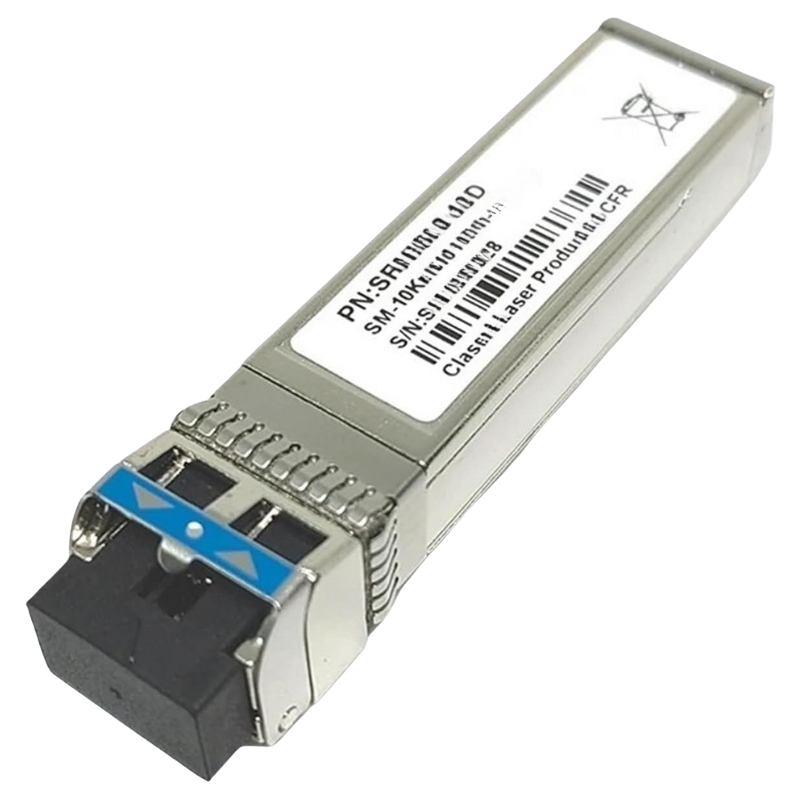
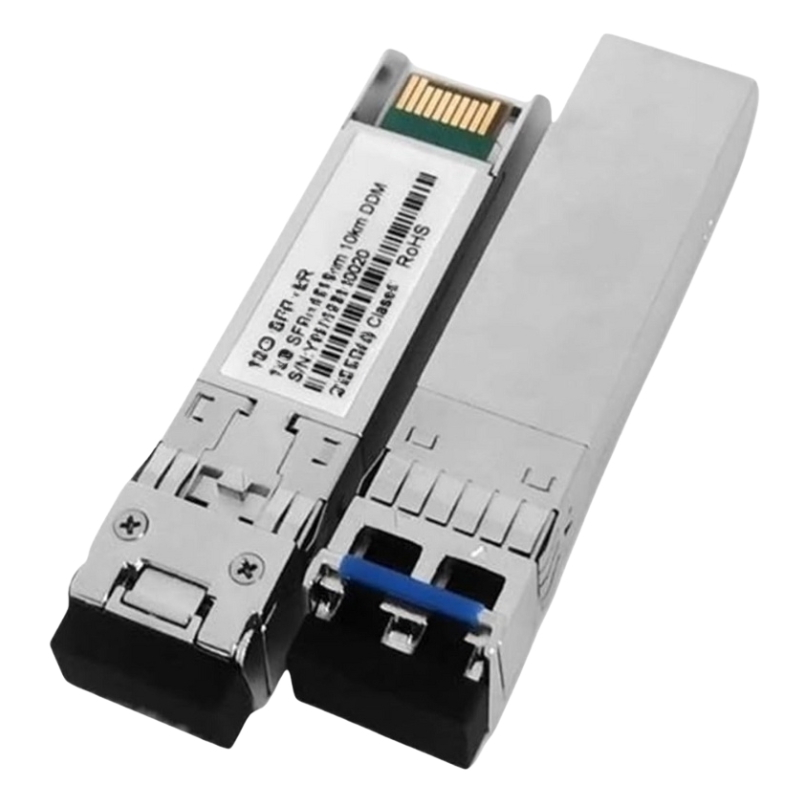
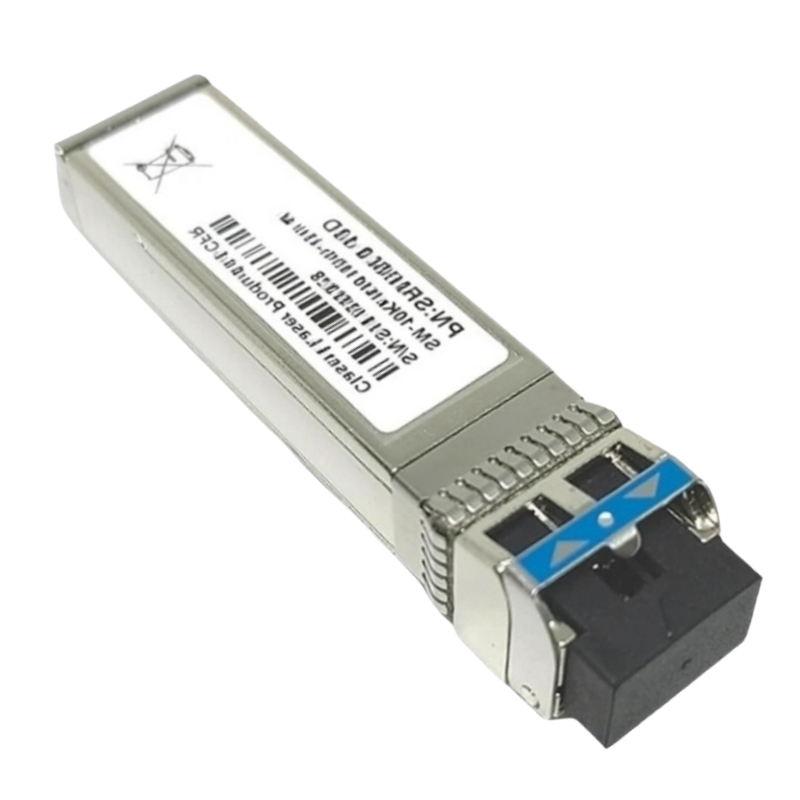
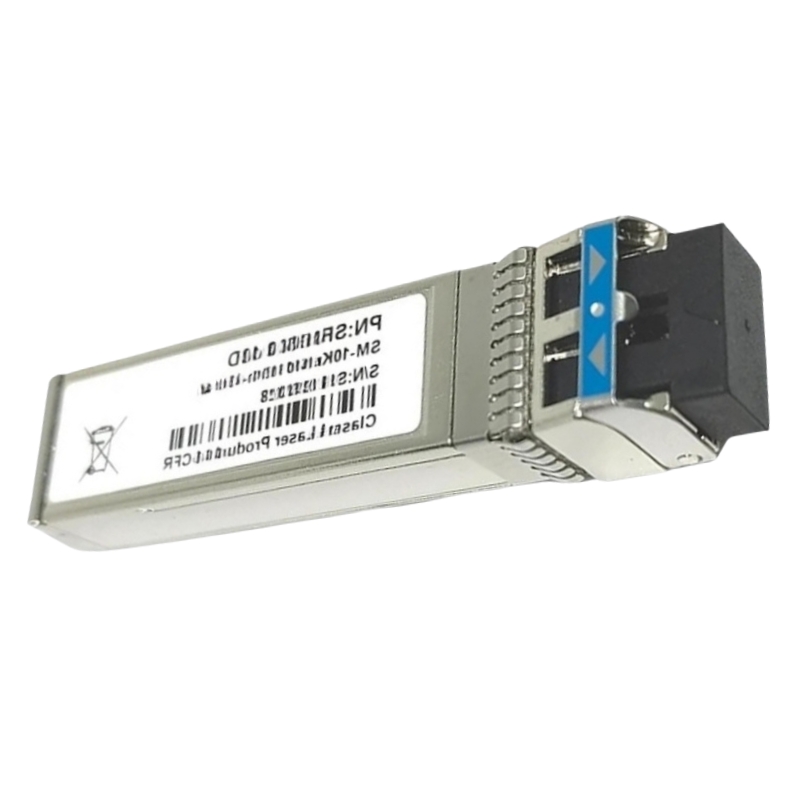
HPE S0V65A 50 Gigabit Aruba LR SMF 10KM Transceiver. New Sealed with 1 year replacement warranty
This high-performance optical transceiver is engineered for enterprise-grade networking infrastructure, delivering exceptional speed and reliability for data-intensive applications.
The module supports a wired connectivity framework, facilitating a supreme data transfer rate of 50 gigabits per second. This ensures seamless handling of high-bandwidth operations across the network backbone.
Utilizing advanced single-mode fiber (SMF) cabling, this component achieves a maximum transmission distance of 10 kilometers, making it an ideal solution for establishing long-range network links between facilities.
This transceiver is optimally deployed in data center interconnects, campus network backbones, and any scenario requiring robust, high-speed data transmission over considerable distances.
The module is designed for straightforward installation into compatible switches and routers, ensuring a hassle-free upgrade path for enhancing network capacity and performance.
The HPE S0V65A — marketed as the HPE Aruba Networking 50G LR 10km SMF Transceiver — belongs to the family of single-lane 50 Gigabit optical transceivers purpose-built for long-reach single-mode fiber links. It is commonly implemented where aggregation or distribution links require more than 10Gb/25Gb density without the cost and complexity of parallel optics. The module is listed by HPE/Aruba as a 50G LR transceiver (SFP56 form factor) supporting transmission over single-mode fiber to 10 kilometers under typical conditions.
Breaking the product label into its components helps explain where this module fits in modern network design:
Although branded HPE/Aruba modules are engineered and tested against HPE/Aruba switching platforms, the SFP56 physical standard and electrical signaling are widely supported by major vendors that conform to the multi-vendor SFF specifications. Nevertheless, buyers should always validate platform support lists (HCLs) and firmware release notes when planning large rollouts—especially for advanced features like cable diagnostics, DDMI telemetry and forced-mode operation that can vary between vendors. Many resellers explicitly list the S0V65A as compatible with Aruba/HPE switch families and provide cross-reference guidance.
Performance on the S0V65A typically mirrors the expectations for 50GBase-LR modules: very low latency, single-lane bandwidth consistent with 50GbE, and a link budget calibrated for 10 km on standard single-mode fiber. In practice, performance will depend on fiber plant quality (attenuation and connectors), transceiver firmware, and the host port’s capability to sustain PAM4 signaling. For mission-critical deployments it is standard practice to validate performance in a lab or pilot segment prior to mass deployment.
SFP56 modules are engineered for efficient power consumption and are commonly used in dense data center environments. Typical thermal design values and operating temperature ranges are provided on the vendor data sheet; system planners should ensure airflow and port density are considered when populating high-density line cards with multiple 50G transceivers.
Installing S0V65A is straightforward but following optics best practices ensures reliability:
The S0V65A excels in scenarios where single-lane 50G is the right balance between capacity and simplicity. Common deployments include:
Use S0V65A for inter-leaf or leaf-spine uplinks where 50G provides sufficient headroom for east-west application traffic without adopting multi-lane optics. The single-mode 10 km reach can also cover multi-room or multi-floor data centers within a campus.
Campus networks with central aggregation switches often use 50G LR modules to consolidate uplinks from distribution closets back to core switches—especially when single-mode fiber is already present between buildings. The 10 km rating frequently exceeds campus spans, offering conservative margins for future growth.
For service providers and MSPs delivering managed services across a short metro span, a 50G LR transceiver provides a cost-effective option compared to denser DWDM systems when wavelength multiplexing is not required and 10 km reaches suffice. Integration with HPE/Aruba platforms simplifies provisioning and support.
Use this checklist to decide if S0V65A is the right capacity tier for your deployment:
Likely causes include marginal link budget (excessive attenuation), bad splices, or connector damage. Measure end-to-end loss with an optical power meter, inspect for bent fibers, and replace suspect patch cords. Ensure that cable plant modifications are documented and tested.
RX overload can happen if the transceiver is used on a short run where the optical power exceeds the receiver’s linear range. Use appropriate attenuation or select a different transceiver designed for shorter spans if needed. Check the datasheet for receiver sensitivity and overload thresholds.
Effective category pages boost average order value by recommending logically paired items. For S0V65A, cross-sell and related categories include:
Dispose of end-of-life transceivers per local electronic waste regulations. Keep documentation of equipment serial numbers and procurement receipts for warranty and asset management. Follow your organization’s change control and maintenance windows when replacing optics to avoid unplanned downtime.


 Contact Us
 Information
 Catalog
 Solid State Drives (SSD)
 Network Switches
 Hard Disk Drives
 HBA & Controllers
 PC & Servers
 PC & Server Memory
 CPU & Processors
 Network Routers
 Power Supplies
 Tape Drives & Libraries
 Network Devices
 Computer & Network Cables