(7% discount is applied at checkout)
Cart is empty
Your go-to destination for cutting-edge server products
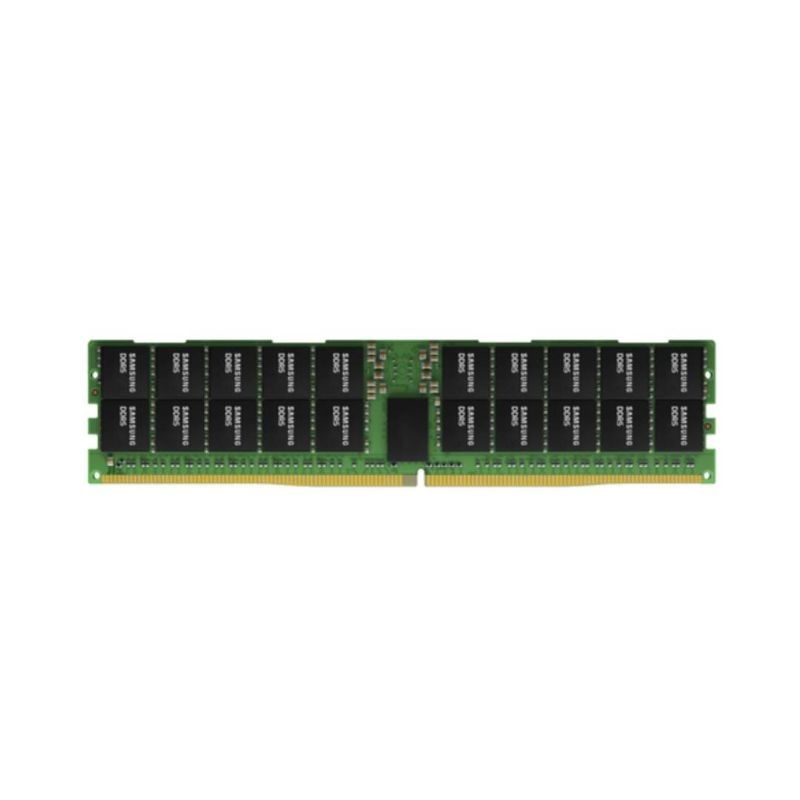


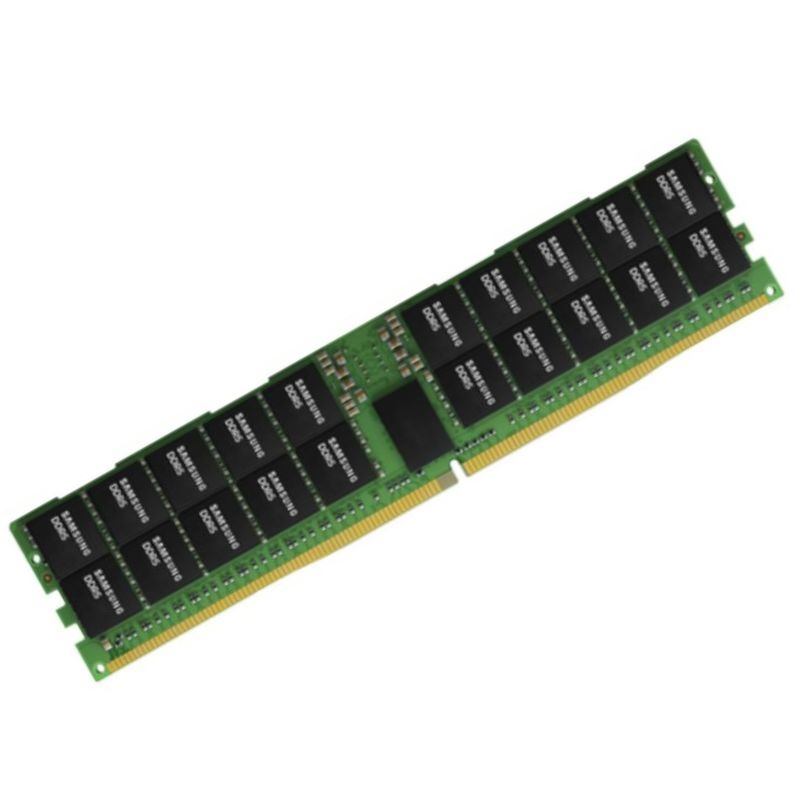
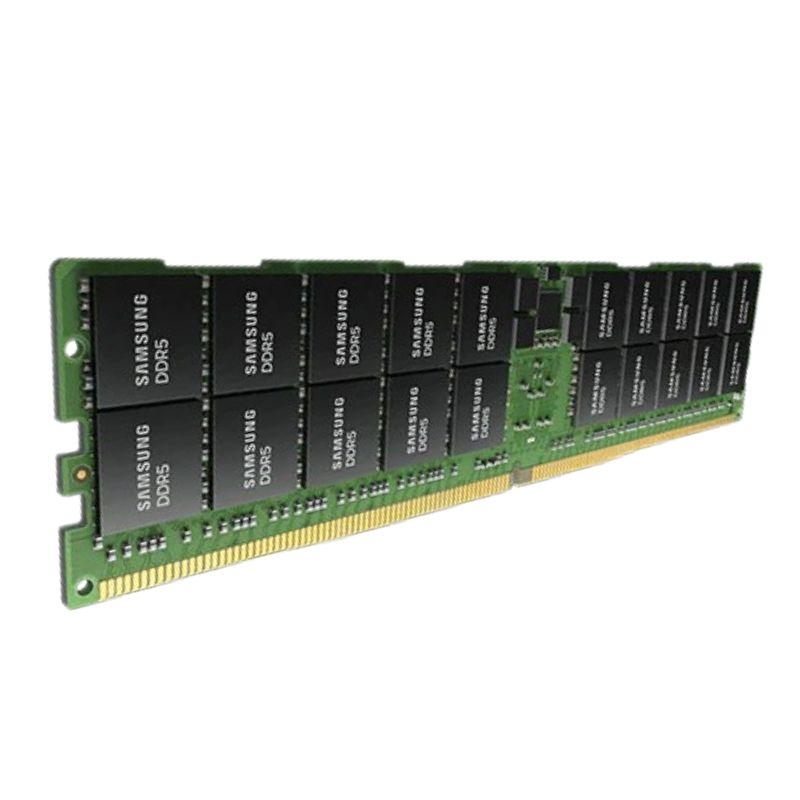
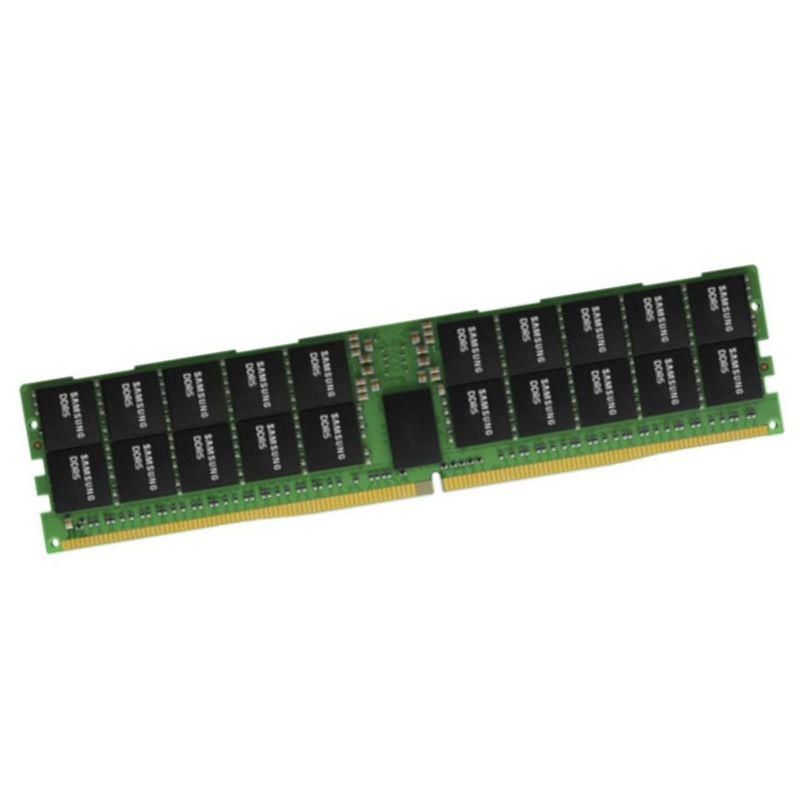
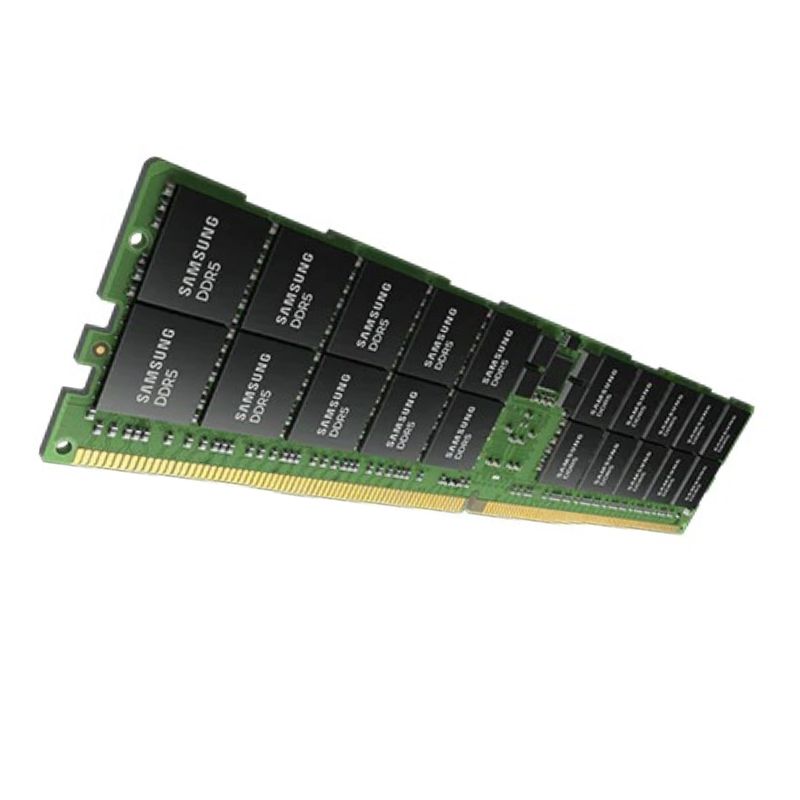
Samsung M321R2GA3BB0-CQKVG 16GB PC5-38400 RDIMM ECC Registered DDR5 Memory. New (System) Pull with 1 year replacement warranty
The Samsung M321R2GA3BB0-CQKVG 16GB PC5-38400 RDIMM ECC Registered DDR5 RAM is engineered for superior performance, reliability, and efficiency. This advanced memory module is designed to meet the demands of modern computing environments.
The Samsung M321R2GA3BB0-CQKVG 16GB PC5-38400 RDIMM ECC Registered DDR5 Memory module represents a new era of enterprise-grade system performance, setting a higher benchmark for speed, reliability, power efficiency and multi-channel scalability in today’s rapidly evolving server environments. As data-intensive workloads continue to expand across diverse sectors such as modern virtualization platforms, cloud computing infrastructures, advanced analytics engines, large-scale ERP deployments and high-volume transactional applications, enterprise memory modules like this Samsung DDR5 RDIMM play a vital role in ensuring stable system operations and consistent throughput. By delivering significantly improved bandwidth, faster clock rates, optimized signaling and greater efficiency compared to earlier DDR4 generations, this RDIMM empowers next-generation servers to take full advantage of cutting-edge CPU architectures and multi-lane memory controllers.
The category of DDR5 RDIMM ECC Registered memory modules is engineered specifically for professional data center, enterprise server and high-performance workstation applications. Unlike consumer-grade memory, which is optimized primarily for individual computing workloads, DDR5 RDIMM modules are designed to meet the stringent requirements imposed by multi-socket systems, virtualized environments, parallel computing clusters and high-availability infrastructures. Their architectural enhancements not only ensure superior speed but also deliver error correction, better signal integrity, distributed voltage regulation and improved thermal characteristics. These innovations contribute to more stable operation under sustained heavy workloads, making DDR5 RDIMM ECC memory essential for organizations seeking predictable performance and long-term reliability.
The progression from DDR4 to DDR5 memory represents more than a simple generational leap. DDR5 introduces an expansive set of enhancements that fundamentally transforms how servers handle data movement. Among the most important improvements is the dramatic increase in bandwidth. PC5-38400 corresponds to an impressive 4800 MT/s, a significant margin above the maximum stable speeds commonly delivered by DDR4 RDIMMs. DDR5 also features doubled burst lengths, enhanced channel architecture and dedicated power management components located directly on the module. These improvements reduce latency variability, shrink electrical noise and allow for more efficient power distribution inside densely populated memory configurations. The result is a more predictable performance curve and enhanced scalability, particularly beneficial in scenarios requiring memory-intensive parallel tasks.
Registered memory, often referred to as RDIMM, incorporates an additional register between the memory modules and the system’s memory controller. This register buffers the electrical load generated when communicating data signals, which is crucial in multi-module configurations typical in enterprise environments. With many memory slots populated simultaneously, unbuffered modules can create electrical instability and increase the chances of system crashes or data corruption. The register mitigates these challenges, allowing for higher memory capacity, improved stability and enhanced support for multi-CPU server boards. This architecture is the backbone of reliable server memory operation, especially when paired with demanding workloads such as distributed database systems, robust container orchestration nodes and multi-tenant virtual infrastructures.
Error Correcting Code, or ECC, is one of the primary distinctions that separate server memory modules from standard desktop memory. ECC technology automatically identifies and corrects single-bit memory errors before they can impact system processes or data accuracy. In mission-critical environments where uptime and integrity are essential, such as financial transaction servers, patient record systems, research simulations or government computational environments, ECC prevents system instability and avoids potential data corruption. When paired with the Registered architecture of RDIMMs, ECC delivers an unmatched level of reliability, making the Samsung M321R2GA3BB0-CQKVG a dependable solution for any organization aiming to minimize unplanned downtime.
The Samsung M321R2GA3BB0-CQKVG 16GB module operates at 4800 MHz, delivering impressive bandwidth that allows servers to transmit more data per second compared to older DDR4 modules. Its PC5-38400 rating highlights its ability to handle high-performance workloads with minimal bottlenecking, especially in environments that require simultaneous memory-intensive operations. This DDR5 module leverages dual-channel DIMM architecture, an embedded Power Management IC and advanced thermal control capabilities to ensure optimal performance across a variety of demanding computing scenarios.
One of the most revolutionary changes introduced with DDR5 memory technology is the integration of a Power Management IC, or PMIC, directly on the DIMM. This PMIC provides a more granular and efficient method of delivering power to the memory module, reducing fluctuations and increasing stability, even when the system is under heavy load. The inclusion of PMIC technology allows for superior voltage regulation and reduced strain on the motherboard, resulting in improved overall system reliability. This is particularly valuable in enterprise rackmount configurations where servers often operate continuously, and even minor inefficiencies can accumulate into greater power consumption and thermal load.
DDR5 introduces a new channel structure that splits each DIMM into two independent 32-bit channels. This architectural improvement enhances memory parallelism and reduces latency during high-pressure transactions, allowing more data to be processed simultaneously. This split-channel design is especially advantageous in multi-threaded applications such as machine learning inference workloads, real-time simulation engines, cloud platform orchestration and dynamic caching systems. More efficient channel operation reduces the idle time of CPU cores and accelerates task completion, supporting greater efficiency across the system as a whole.
Running at higher speeds often generates more heat, which is why Samsung engineered the M321R2GA3BB0-CQKVG module with advanced thermal characteristics. The module is designed to handle extended run periods under constant load without overheating, supporting the rigorous demands of high-density enterprise servers. DDR5 technology also introduces optimized I/O speeds and improved signaling, resulting in reduced internal friction and enhanced heat management. Stable temperature levels ensure consistent performance, long-term reliability and greater protection against thermal stress, making this memory module appropriate for prolonged data center use.
The Samsung M321R2GA3BB0-CQKVG module is suitable for numerous enterprise and professional computing environments that demand high throughput, consistent performance and error-free operation. Modern organizations increasingly rely on workloads that are memory-bound rather than compute-bound, making the selection of memory modules crucial for optimal system behavior. Whether deployed in virtualization clusters, cloud servers, AI application hosts, computational analysis nodes or distributed database architectures, DDR5 RDIMM ECC modules like this one help maintain efficient system performance.
Virtualization technologies such as VMware vSphere, Microsoft Hyper-V, Proxmox or KVM benefit greatly from high-speed, reliable memory solutions. Virtual machines rely extensively on memory allocation to sustain multiple operating systems and applications simultaneously. As organizations expand their virtual machine inventories, reliable memory access becomes essential to prevent performance degradation. The Samsung DDR5 RDIMM module provides the necessary bandwidth and low-latency characteristics to keep virtualization platforms responsive, stable and capable of handling increasing workloads with ease.
Cloud environments rely heavily on dynamic resource distribution. Memory plays a major role in determining cloud workload capacity and efficiency. DDR5’s large bandwidth helps reduce bottlenecks when processing distributed queries or handling high-volume API transactions. Whether used in private enterprise cloud servers or large-scale hybrid cloud deployments, the Samsung module enables smoother orchestration across distributed nodes, improving service responsiveness and session continuity. With its ECC capabilities, it also contributes to data integrity in critical cloud operations.
HPC tasks, including computational chemistry, climate simulation, scientific modeling, deep mathematical computation and engineering problem-solving, require extremely efficient memory performance. Any delay or error in data retrieval can result in substantial slowdowns or inaccurate results. DDR5 RDIMMs provide the stability and pacing needed to ensure that HPC tasks operate continuously without interruptions. The Samsung module’s enhancements in throughput and reliability allow researchers and engineers to explore larger datasets and more complex simulations with confidence.
Machine learning and artificial intelligence systems rely heavily on rapid memory access. Model inference, training workflows, pipeline staging and data preprocessing all benefit from the increased capabilities of DDR5 memory modules. The Samsung M321R2GA3BB0-CQKVG supports such workloads by providing high-speed data handling and minimized latency. This contributes to faster model iterations, quicker insights and more efficient handling of large training datasets. The ECC component ensures that errors do not propagate through complex AI computations, enhancing precision and result accuracy.
Databases such as Microsoft SQL Server, MySQL, PostgreSQL, Oracle and SAP HANA depend on the ability to process large amounts of data quickly and accurately. Memory speed and integrity are essential to ensure efficient indexing, sorting, caching and query processing. DDR5 RDIMM ECC modules help minimize data fetch delays and preserve the accuracy of in-memory tables and transactional metadata. In transactional database environments where speed and integrity cannot be compromised, the Samsung DDR5 RDIMM stands as a dependable choice that supports both performance requirements and corporate compliance standards.
The Samsung M321R2GA3BB0-CQKVG 16GB PC5-38400 RDIMM is designed to work seamlessly with new-generation server platforms supporting DDR5 memory standards. These include servers built on the latest Intel Xeon Scalable processor families and AMD EPYC series processors that incorporate support for DDR5 RDIMM configurations. Many modern enterprise motherboards are shifting fully toward DDR5 adoption to take advantage of higher frequencies, greater channel parallelism and improved power efficiencies. When deploying this module, organizations can expect immediate performance improvements compared to DDR4 systems, as well as better headroom for future software and workload expansions.
Large enterprise servers often deploy multiple DIMMs per channel to achieve higher total memory capacity and bandwidth. DDR5’s registered architecture allows such configurations to remain stable and efficient. The Samsung module integrates smoothly in multi-DIMM setups, ensuring that performance remains balanced and that no individual module becomes a bottleneck. This is particularly valuable for environments running virtual machine clusters, high-performance application servers or distributed data analytics nodes where memory scalability is crucial.
High-availability environments often involve redundant servers configured in failover or clustering roles. Memory reliability is vital in these setups because any unexpected error could prompt unnecessary failovers or service interruptions. The ECC and Registered features of this Samsung module support consistent operations in environments where service-level agreements depend on uninterrupted uptime. Its compatibility with major server platforms ensures smooth integration into redundant or load-balanced architectures.
The Samsung M321R2GA3BB0-CQKVG 16GB PC5-38400 module operates at an impressive transfer rate of 4800 MT/s, allowing for exceptional memory bandwidth in modern server architectures. This high data transmission rate is critical for addressing the growing demands of real-time processing, multi-threaded applications and large-scale system workloads. DDR5 technology’s enhanced burst length and improved signaling further amplify the performance potential, delivering consistent throughput across prolonged operational periods. These characteristics make the module well suited for diverse enterprise uses where memory speed influences performance outcomes.
Although DDR5 memory introduces slightly different latency behavior compared to DDR4, its expanded bandwidth and architectural improvements more than compensate for these differences. The module utilizes a refined channel structure and upgraded internal buffering to minimize delays and ensure responsive system operations even under heavy application load. This responsiveness plays a major role in improving user experience for cloud services, accelerating workflow pipelines in development environments and ensuring quick system response in transactional workloads.
Servers often operate under sustained workloads without downtime, which can reveal performance inconsistencies in less advanced memory modules. The Samsung DDR5 RDIMM module is designed to maintain a consistent performance envelope during prolonged heavy operations. Its PMIC-controlled power management, improved thermal resistance and optimized architecture allow it to deliver reliably even when multiple core clusters, heavy database transactions or intensive data pipelines are active simultaneously. The stable throughput not only enhances reliability but also extends hardware lifecycle under normal operational conditions.
Reliability is one of the most important components of any enterprise hardware solution. Data integrity and system stability are necessary to support critical business functions and keep operations running smoothly. The Samsung DDR5 RDIMM module incorporates advanced ECC algorithms that protect against memory-level inconsistencies. It also benefits from Samsung’s proven manufacturing quality and rigorous testing standards, which ensure that the module can withstand the demands of enterprise usage. These reliability enhancements form the foundation for building stable, performance-driven server infrastructures that support growing corporate needs.
The ECC component of this module provides essential protection against both single-bit and some multi-bit errors, helping preserve the accuracy of sensitive workloads and major business applications. Maintaining data fidelity is increasingly important in industries where even minor inconsistencies can lead to major issues, including healthcare, finance, engineering and research. The Samsung DDR5 module helps mitigate these risks, creating a safer and more predictable operational environment.
Modern server platforms equipped with DDR5 RDIMM memory can take advantage of enhanced error reporting capabilities. Advanced logging systems track memory-level inconsistencies and deliver early warnings, helping administrators take proactive steps before errors escalate to system outages. The predictive nature of these error reports enables better lifecycle management, smarter maintenance schedules and minimized service interruptions. With properly configured server management software, organizations can maintain a higher level of operational readiness and infrastructure reliability.
The PMIC and refined manufacturing process of DDR5 memory contribute to improved energy balance even when the system is under sustained load. High-performance server workloads often require consistent power delivery, but DDR5’s optimized architecture handles these demands without excessive power draw. This advantage is particularly notable in deployments involving numerous servers, where cumulative energy savings can be significant.
Dense rackmount environments face unique challenges related to temperature control and power distribution. Installing power-efficient memory modules can help reduce internal heat generation and minimize the burden placed on cooling systems. With DDR5 technology’s inherently efficient design, the Samsung M321R2GA3BB0-CQKVG supports better airflow management and reduced thermal hotspots. This leads to more predictable temperature behavior across server racks and helps extend component lifespan while lowering cooling-related energy expenditure.
The transition from DDR4 to DDR5 marks a significant shift in enterprise hardware evolution. Organizations investing in DDR5 memory benefit from a forward-compatible infrastructure that will support next-generation processor families and future software platforms. As workloads continue to expand in size, complexity and real-time demands, DDR5 memory ensures that servers remain capable of handling new challenges without requiring extensive hardware upgrades. For organizations focused on scalability and long-term investment value, the Samsung M321R2GA3BB0-CQKVG 16GB DDR5 RDIMM module provides an ideal foundation.
New technologies such as containerized microservices, distributed ledger systems, edge computing and large-scale AI deployments require memory solutions capable of keeping pace with fast-evolving software architectures. DDR5’s ability to deliver large bandwidth, improved responsiveness and consistent integrity positions it as a crucial component of modern IT infrastructures. As enterprises adopt these emerging technologies, DDR5 RDIMM modules offer the necessary performance envelope to support rapid innovation and evolving operational requirements.
Samsung’s DDR5 RDIMM modules undergo multiple layers of performance tuning, including internal circuit enhancements, optimized thermal behavior and refined component integration. These optimizations ensure that each module delivers superior performance consistency, even under diverse operational environments. For businesses operating 24/7 workloads with mission-critical requirements, these advantages directly translate into improved operational efficiency and reduced system variance.


 Contact Us
 Information
 Catalog
 Solid State Drives (SSD)
 Network Switches
 Hard Disk Drives
 HBA & Controllers
 PC & Servers
 PC & Server Memory
 CPU & Processors
 Network Routers
 Power Supplies
 Tape Drives & Libraries
 Network Devices
 Computer & Network Cables