(7% discount is applied at checkout)
Cart is empty
Your go-to destination for cutting-edge server products
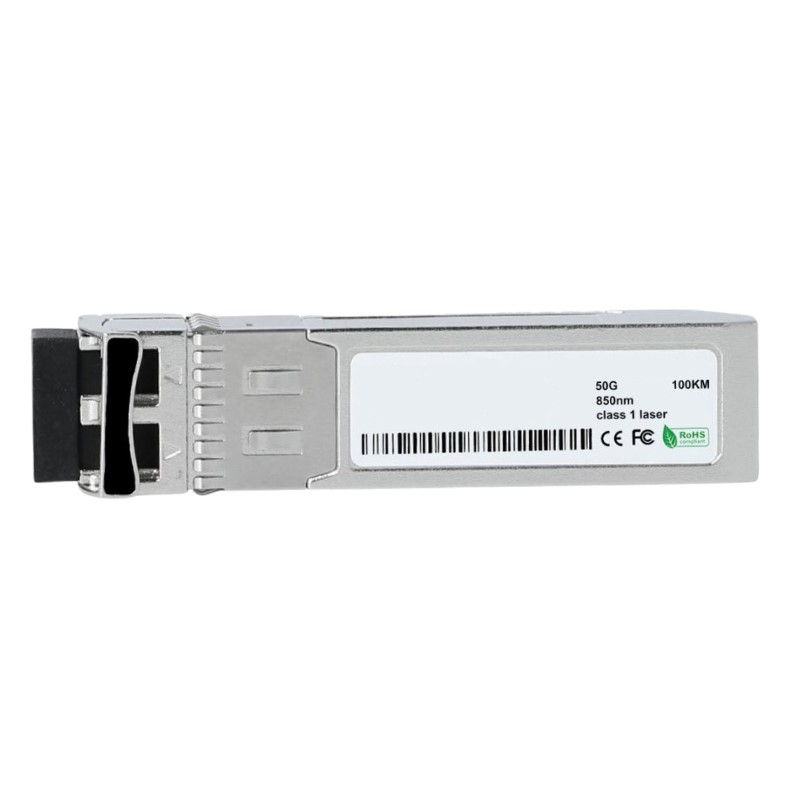


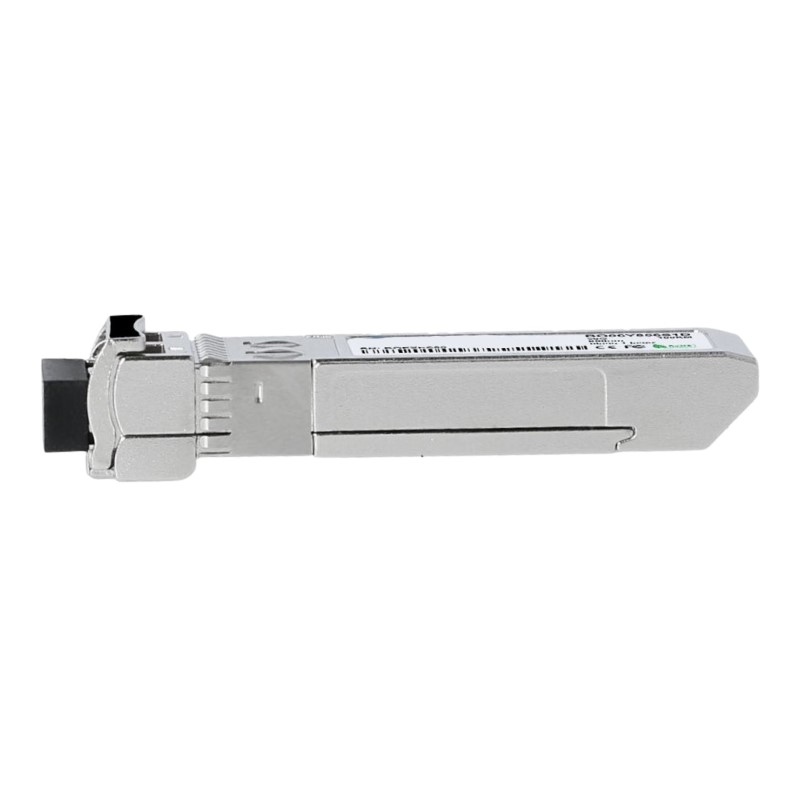
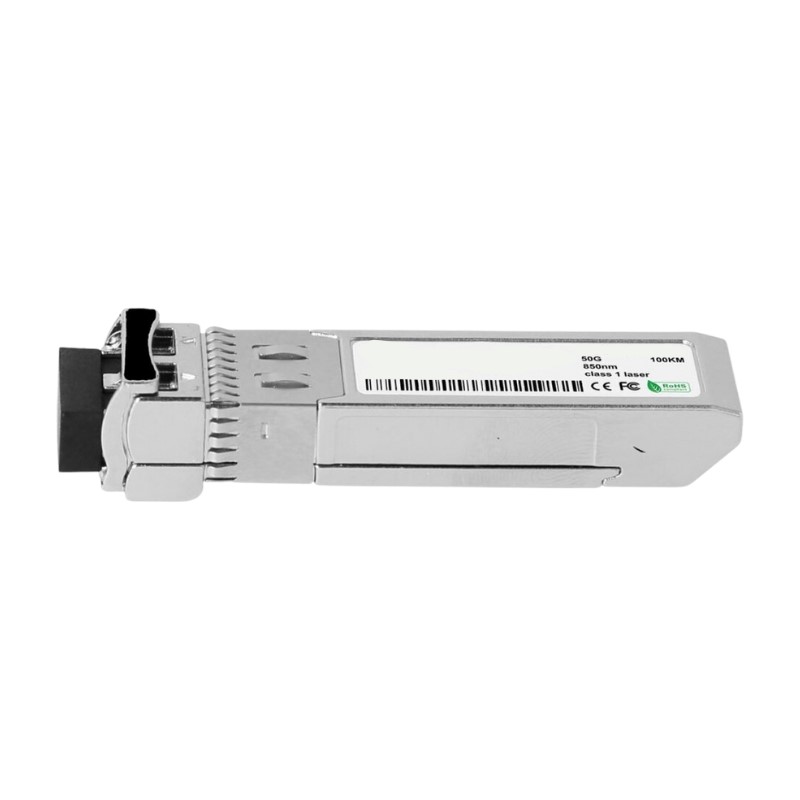
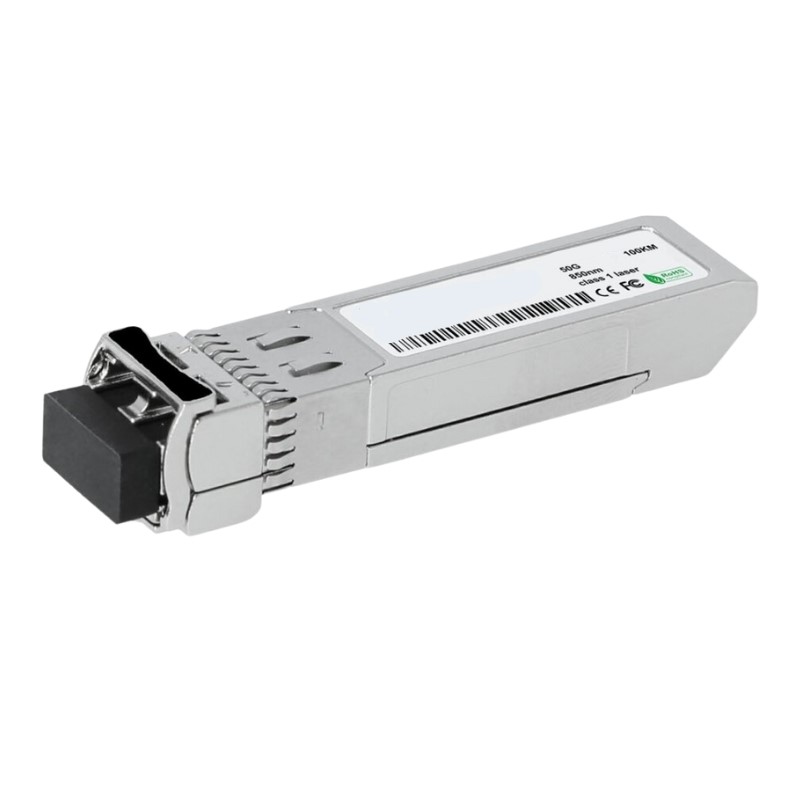
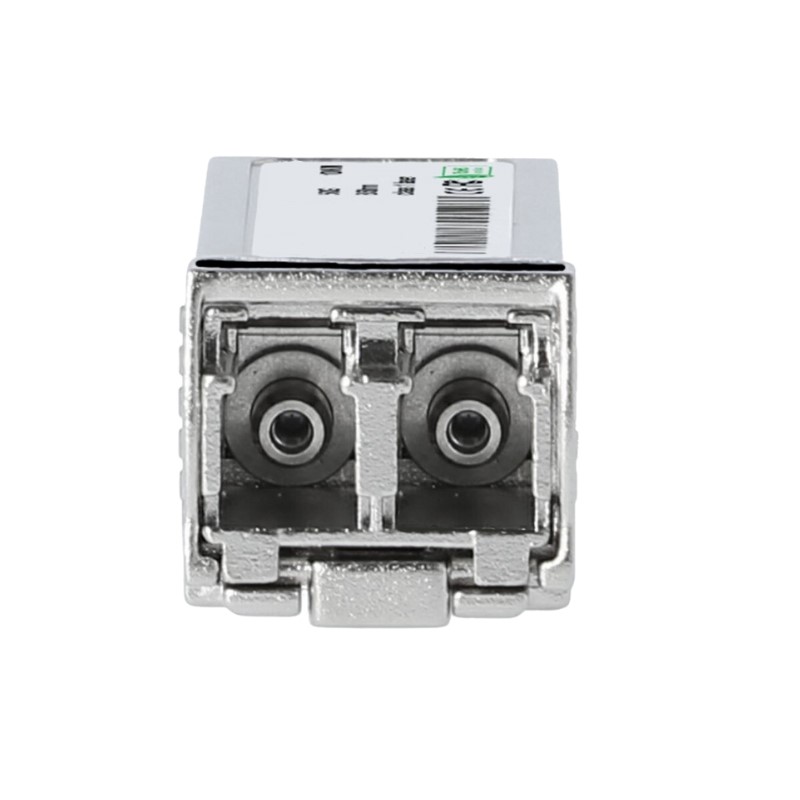
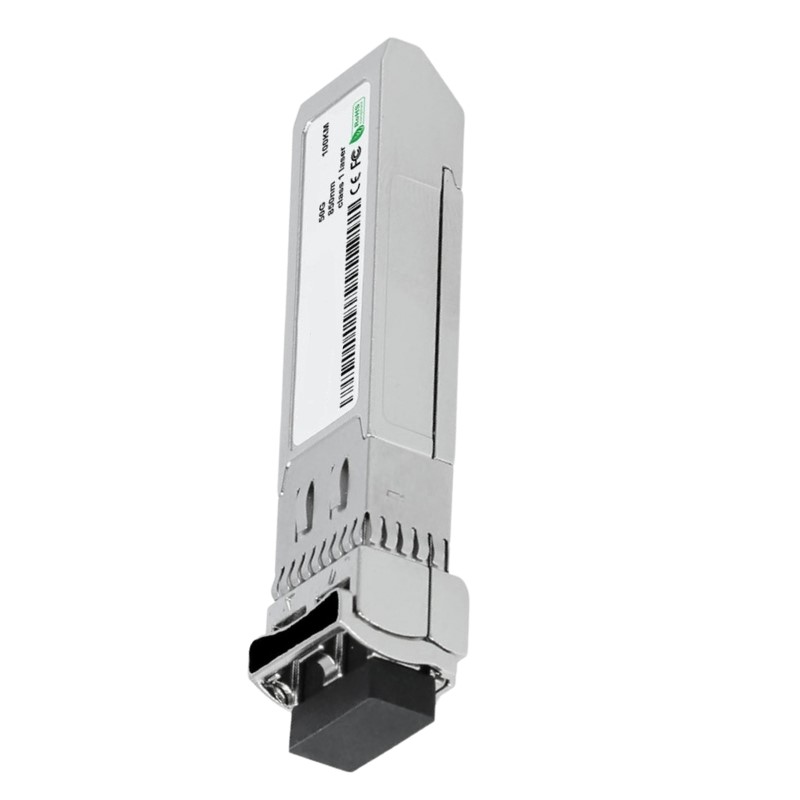
HPE R0M48A Aruba 50 Gigabit SFP56 LC SR 100m MMF Transceiver Module. Factory-Sealed New in Original Box (FSB) with 3 Years Warranty
The HPE R0M48A Aruba 50 Gigabit SFP56 LC SR 100m MMF Networking Transceiver Module is engineered to deliver exceptional speed and reliability. Designed for modern data centers and enterprise networks, this optical transceiver ensures seamless connectivity and efficient performance across short-range fiber links. With its compact form factor and advanced technology, it provides a dependable solution for organizations requiring high-bandwidth communication.
The HPE R0M48A Aruba 50 Gigabit SFP56 LC SR 100m MMF Networking Transceiver Module represents an advanced optical networking solution engineered to deliver ultra-fast data transmission across modern enterprise, hyperscale, and cloud-driven infrastructures. Designed specifically to meet the bandwidth demands of high-density switching environments, this 50 Gigabit SFP56 short-range optical transceiver enables seamless communication between switches, servers, and storage platforms operating within high-speed data ecosystems. As network architectures continue evolving toward software-defined operations and latency-sensitive workloads, the need for efficient optical modules capable of sustaining consistent throughput becomes essential for operational continuity. This category focuses on high-speed SFP56-based multimode fiber transceiver modules that support next-generation Ethernet networking standards.
Within contemporary networking infrastructures, optical transceivers function as the foundational communication layer that enables switches and routing equipment to exchange information at extremely high speeds. The HPE R0M48A Aruba SFP56 SR module is designed to operate within Aruba switching platforms and compatible networking hardware, providing enhanced bandwidth density without increasing physical footprint requirements. Its compact Small Form-factor Pluggable 56 design supports higher electrical signaling performance compared to earlier SFP+ or SFP28 technologies. The transition toward 50GbE connectivity reflects growing requirements driven by virtualization, artificial intelligence workloads, distributed storage systems, and cloud-native applications. Data centers increasingly rely on east-west traffic flows rather than traditional north-south communication patterns, which significantly increases internal bandwidth consumption. Optical modules within this category support scalable network fabrics capable of handling massive concurrent workloads while maintaining predictable latency.
SFP56 technology introduces improved electrical interface signaling that supports PAM4 modulation techniques, enabling higher data throughput without doubling physical fiber requirements. Compared with earlier SFP28 modules operating at 25Gbps per lane, SFP56 delivers double the bandwidth through advanced encoding mechanisms and improved signal integrity. This advancement allows network administrators to upgrade infrastructure performance without redesigning entire cabling systems.The Aruba 50 Gigabit SFP56 SR transceiver category benefits organizations planning incremental upgrades toward higher-speed aggregation layers. By deploying 50GbE connectivity between access and spine switches, enterprises achieve improved traffic distribution efficiency while maintaining compatibility with hybrid-speed environments.
Signal accuracy remains critical in optical communication environments operating at high frequencies. The HPE R0M48A module incorporates precision laser components and advanced receiver sensitivity controls to minimize bit error rates during data transmission. Optical signal stabilization ensures consistent performance even under fluctuating thermal conditions common in densely populated server racks. Enhanced digital diagnostics monitoring enables real-time visibility into operational parameters such as optical power levels, temperature ranges, and voltage conditions.
The 100-meter transmission capability over multimode fiber makes this transceiver category particularly suited for intra-data-center communication scenarios. Modern facilities often deploy structured cabling using OM3 or OM4 multimode fiber to connect switching rows, compute clusters, and storage arrays. The short-range optical specification ensures minimal signal attenuation while maintaining exceptional throughput efficiency. The LC duplex interface simplifies installation procedures while maintaining secure optical alignment essential for reliable communication.
LC connectors provide compact, high-density optical connectivity that aligns with the spatial constraints of modern switch front panels. High-port-count switches rely on space-efficient connectors capable of supporting dozens of simultaneous fiber connections without airflow obstruction. The LC duplex format ensures accurate transmit and receive separation while supporting hot-swappable installation processes. Network engineers deploying Aruba-compatible switches benefit from simplified maintenance procedures due to standardized connector designs. Optical patching becomes faster and less error-prone, improving operational uptime and reducing service interruptions.
Optical transceivers within this category are engineered for low power consumption while maintaining consistent 50Gbps performance. Efficient thermal dissipation mechanisms prevent overheating within densely populated switch chassis environments, contributing to longer hardware lifecycles and improved reliability.
The HPE R0M48A Aruba 50 Gigabit SFP56 SR module is engineered to integrate seamlessly within Aruba switching ecosystems, ensuring optimized interoperability with supported hardware platforms. Compatibility validation ensures firmware alignment, performance stability, and operational predictability when deployed within enterprise-grade switching architectures.
Hot-swappable functionality allows network engineers to install or replace transceivers without shutting down connected systems. This capability is particularly valuable in mission-critical environments where continuous availability remains essential. Maintenance operations can be performed during active workloads, minimizing disruption to business services and applications.
Digital Optical Monitoring features embedded within this category of transceiver modules provide administrators with detailed operational analytics. Monitoring capabilities include temperature measurements, laser bias current tracking, optical output power analysis, and receiver signal strength evaluation. These metrics assist network teams in predictive maintenance strategies by identifying potential performance degradation before failures occur.
High-density networking environments require scalable optical solutions capable of supporting rapid growth without architectural redesign. The Aruba 50 Gigabit SFP56 SR transceiver category enables spine-leaf network topologies that distribute traffic efficiently across interconnected switches. This architecture supports modern workloads such as container orchestration platforms, virtualization clusters, and high-performance computing systems.
Virtual machines and containerized applications generate unpredictable traffic patterns that demand responsive networking infrastructure. High-speed transceiver modules ensure rapid data exchange between storage and compute resources, reducing latency bottlenecks that could otherwise impact performance-sensitive services. Cloud-native platforms rely heavily on microservices communication, where numerous small data exchanges occur continuously. The increased throughput provided by SFP56 technology enables efficient handling of these distributed interactions.
Storage networks increasingly depend on high-bandwidth optical connectivity to support real-time analytics and large dataset processing. The 50GbE optical interface provides sufficient throughput for modern NVMe-over-Fabric deployments and distributed storage architectures. Reliable data transfer between storage nodes ensures consistent performance across enterprise databases and backup systems.
The HPE Aruba 50 Gigabit SFP56 LC SR optical transceiver category enhances operational efficiency by delivering dependable connectivity with minimal management complexity. Simplified installation, integrated diagnostics, and optimized power usage collectively contribute to streamlined network administration. Enterprises managing distributed campus networks, centralized data centers, or colocation environments rely on consistent optical performance to maintain service reliability. High-speed optical interconnects enable efficient communication across infrastructure layers while supporting automation-driven network management frameworks.


 Contact Us
 Information
 Catalog
 Solid State Drives (SSD)
 Network Switches
 Hard Disk Drives
 HBA & Controllers
 PC & Servers
 PC & Server Memory
 CPU & Processors
 Network Routers
 Power Supplies
 Tape Drives & Libraries
 Network Devices
 Computer & Network Cables