(7% discount is applied at checkout)
Cart is empty
Your go-to destination for cutting-edge server products
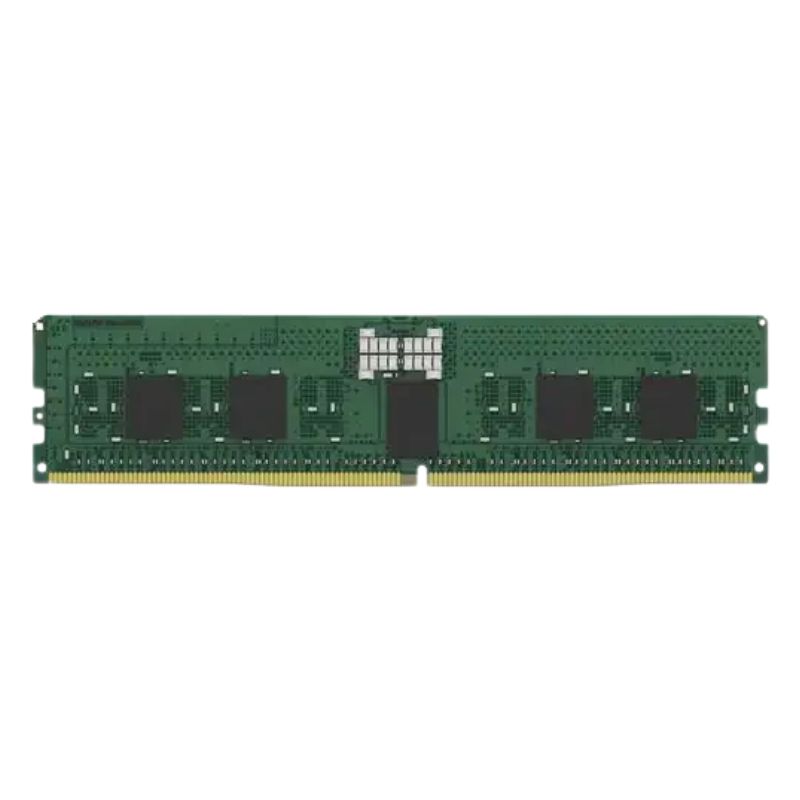


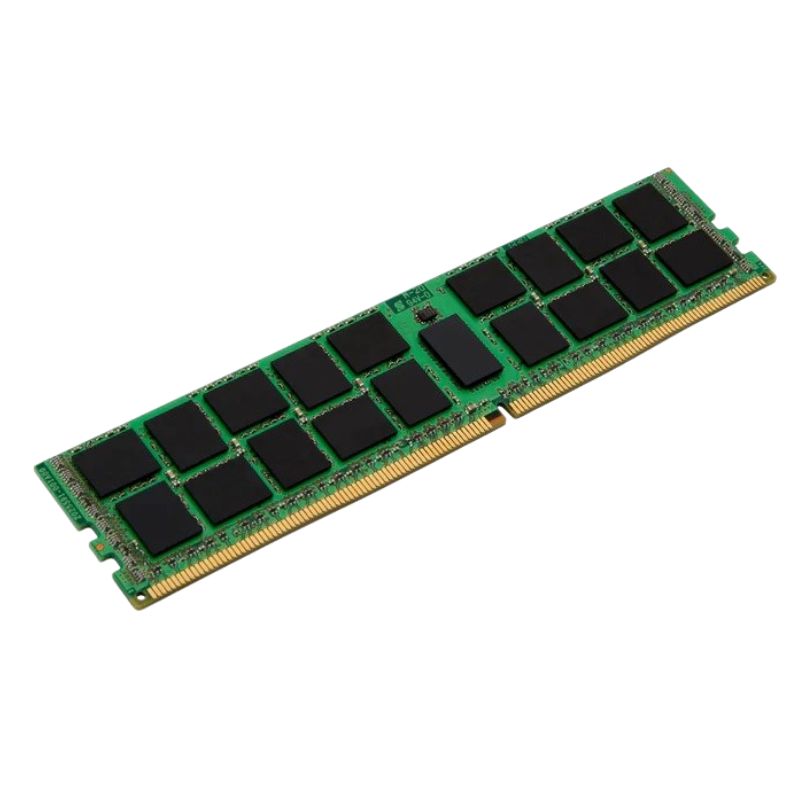
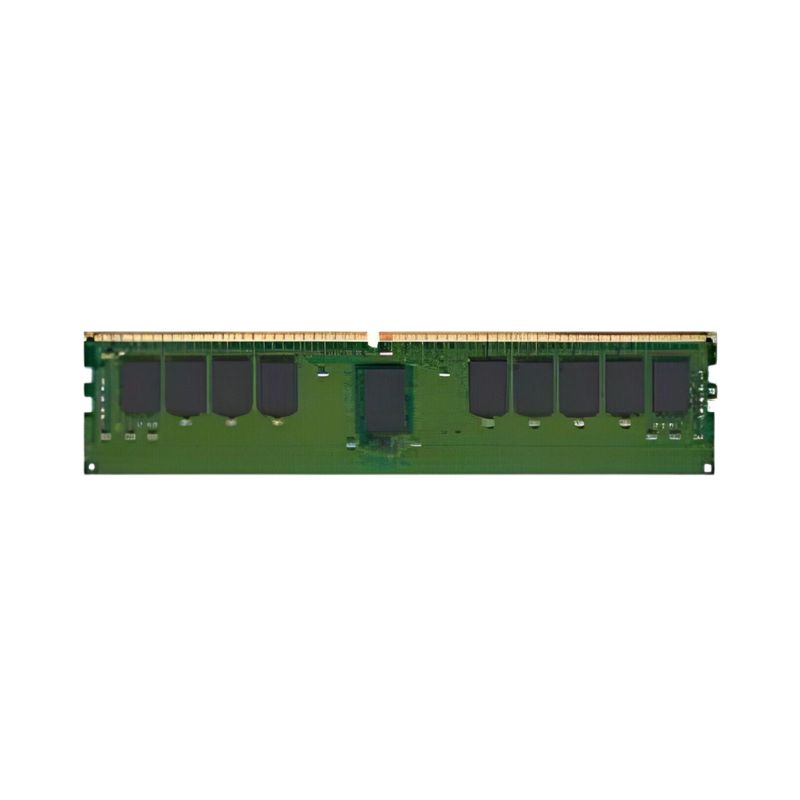
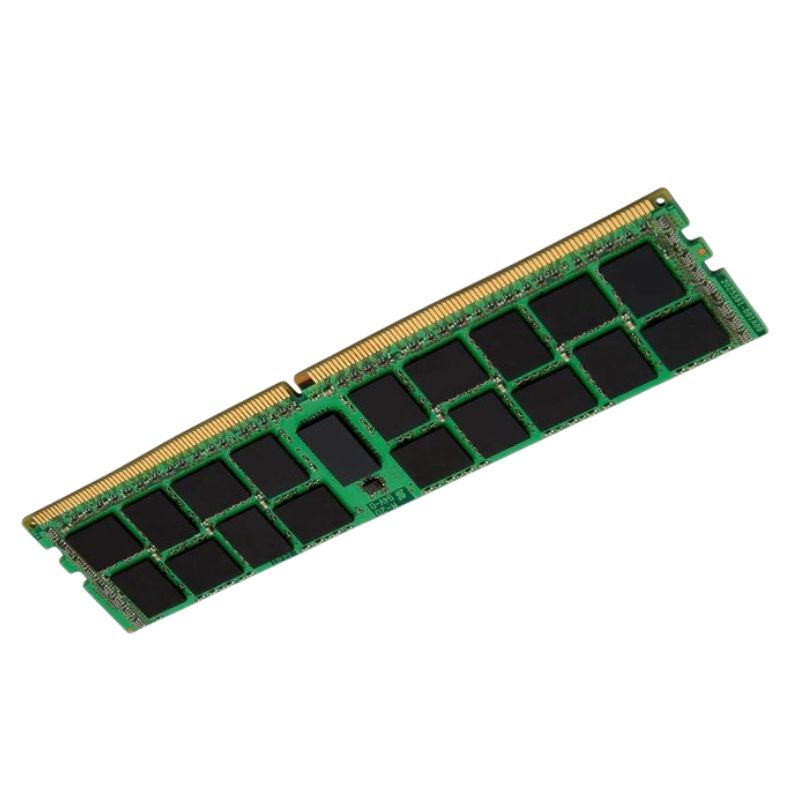
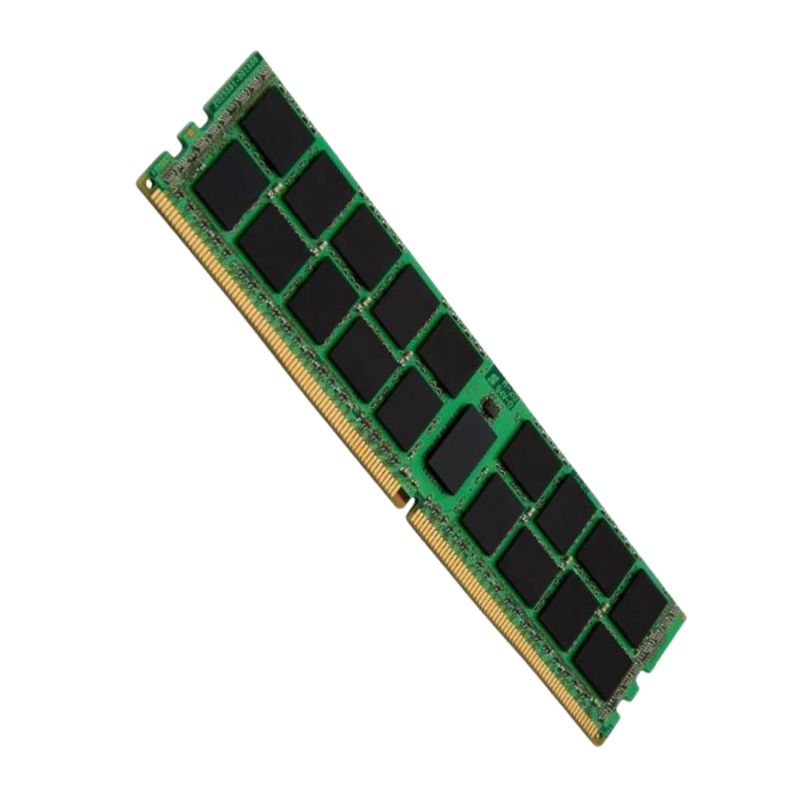
Kingston KSM56R46BS8-16HA 16GB 5600MT/s DDR5 ECC Registered SDRAM 288-pin Memory Module. Factory-Sealed New in Original Box (FSB) with 3 Years Warranty
The Kingston KSM56R46BS8-16HA is a high-performance 16GB DDR5 registered memory module engineered for mission-critical servers and workstations that require stability, error correction, and fast data throughput. Built to the DDR5-5600 / PC5-44800 standard, this single-rank, CL46 DIMM operates at a low 1.10V supply while delivering ECC protection for reliable long-term operation.
In the realm of enterprise computing, where data integrity, system stability, and relentless uptime are non-negotiable, the choice of main memory is paramount. The Kingston KSM56R46BS8-16HA represents a critical component within this ecosystem: a 16GB DDR5 ECC Registered (RDIMM) memory module engineered for next-generation servers and workstations. This category of memory transcends standard consumer RAM, incorporating advanced technologies to manage the immense data loads and computational demands of virtualization, in-memory databases, high-performance computing (HPC), and large-scale cloud infrastructure. ECC Registered modules are the de facto standard for mission-critical environments, providing a dual layer of protection through error correction and signal integrity enhancement.
Unlike unbuffered desktop memory, ECC memory includes additional bits to detect and correct the most common types of data corruption. Single-bit errors, which can be caused by cosmic rays, electrical interference, or other subtle factors, are corrected on-the-fly without interrupting system operation. Multi-bit errors, while rarer, are detected and reported to the system, allowing for proactive maintenance. This capability is essential for preventing silent data corruption, which could lead to corrupted financial calculations, scientific research errors, or database inconsistencies, thereby safeguarding the very integrity of the business or research being conducted.
A defining characteristic of this memory category is the "Registered" or "Buffered" designation. The Kingston KSM56R46BS8-16HA is a Registered DIMM (RDIMM). Within the module, between the memory controller on the CPU and the DRAM chips themselves, sits a vital component called the Register Clock Driver (RCD). This chip acts as a buffer for command and address signals, reducing the electrical load on the memory controller.
The primary benefits of RDIMMs like the KSM56R46BS8-16HA are increased capacity support and superior stability in densely populated memory configurations. Servers can support larger total memory capacities—often reaching into the terabytes—because the memory controller sees the electrical load of a single RCD per module rather than the combined load of dozens of individual DRAM chips. This results in more reliable operation at higher data rates, such as the 5600MT/s speed of this module, even with multiple modules installed per channel. It's a technology engineered for scalability and resilience.
It is important to distinguish this product from other DIMM types. Unbuffered DIMMs (UDIMMs) lack an RCD and are common in desktops; they offer lower latency but severely limit capacity in servers. Load-Reduced DIMMs (LRDIMMs) use an additional data buffer (DB) for the data signals as well, allowing for even greater capacities but at a slight cost to latency and power. The Kingston KSM56R46BS8-16HA, as an RDIMM, occupies the optimal middle ground for most enterprise applications, offering excellent capacity, proven performance, and robust reliability without the premium cost of LRDIMMs.
DDR5 memory represents a fundamental architectural shift from DDR4, and modules like the Kingston KSM56R46BS8-16HA are at the forefront. While the advertised speed of 5600 Megatransfers per second (MT/s) is a headline figure—offering significantly higher bandwidth than previous generations—the innovations of DDR5 run much deeper, fundamentally changing how memory subsystems are designed and managed.
One of the most significant changes in DDR5 is the move from a single 64-bit data channel per module to two independent 32-bit sub-channels. The KSM56R46BS8-16HA effectively presents itself to the system as two smaller, more agile memory arrays. This allows for finer-grained memory access, improving overall efficiency by reducing contention and enabling more concurrent operations. While the total bus width remains 64-bit, this architectural refinement leads to better utilization of the available bandwidth, especially in multi-threaded workloads common in servers.
Beyond the standard ECC that protects data on the bus, DDR5 DRAM chips themselves integrate On-Die ECC. This is a separate, internal error-correction mechanism that operates within each memory die. It corrects minor errors that can occur during the storage of data in the memory cells themselves, before the data even leaves the chip. This additional layer of protection increases the longevity and durability of the DRAM, contributing to the overall robustness expected from enterprise-grade components.
DDR5 modules decentralize power management. Instead of relying solely on the motherboard for voltage regulation, the Kingston KSM56R46BS8-16HA features an onboard PMIC. This dedicated chip provides more stable and cleaner power to the DRAM and RCD, reducing signal noise and improving voltage tolerance. This leads to better overclocking headroom (for speed-bin configurations), enhanced signal integrity at high data rates, and the potential for improved power efficiency—a critical factor in large-scale data center deployments where operational expenses are closely tied to power consumption.
The module operates at a JEDEC-standard voltage of 1.1V, lower than DDR4's 1.2V, contributing to its energy-efficient profile. Its burst length is doubled to 16, and the bank group structure is increased, both of which contribute to higher performance and better bank utilization. The module's timing, while tuned for stability and compatibility, follows JEDEC standards for DDR5-5600 RDIMMs, ensuring broad interoperability with validated server platforms from major OEMs.
This section provides a comprehensive breakdown of the technical attributes that define this specific memory module. Understanding these specifications is crucial for system integrators, IT procurement specialists, and server administrators to ensure compatibility and optimal performance within their target infrastructure.
The Kingston KSM56R46BS8-16HA is a 16GB memory module adhering to the 288-pin DDR5 RDIMM form factor. Its primary data rate is 5600MT/s (Megatransfers per second), which equates to a peak data bandwidth of approximately 44.8 GB/s per module in a dual-channel system configuration. It is built using high-quality, factory-screened DRAM components with error correction code (ECC) and features a Register Clock Driver (RCD) for signal buffering. The module is designed to operate within standard server ambient temperatures and includes a Serial Presence Detect (SPD) chip that automatically communicates its timing parameters to the system BIOS/UEFI.
The "16GB" designation refers to the total user-accessible memory capacity, which is 16 gibibytes (GiB). This capacity is achieved using high-density DRAM chips organized to provide the full 16GB while accommodating the necessary bits for ECC functionality. This capacity is ideal for balancing cost and density, allowing for substantial total system memory when installed in multi-slot configurations common in dual-processor (2P) servers.
The "5600MT/s" speed indicates the module's data transfer rate, meaning it can complete 5.6 billion data transfers per second per pin. The related timing parameters (such as CL, tRCD, tRP, tRAS) are pre-configured to JEDEC standards for stable operation at this speed. While specific CAS latency values are set by JEDEC for DDR5-5600 RDIMMs, the module is optimized for reliability and compatibility over aggressive low-latency performance, which is the appropriate focus for enterprise environments.
The module uses the standard 288-pin DDR5 RDIMM layout. The physical dimensions conform to the specifications for server memory modules, typically measuring approximately 133.35mm in length. The height of the module, including any integrated heat spreader, is designed to ensure clearances in dense server chassis and blade systems. The connector key notch is in a different position than DDR4 DIMMs, preventing accidental insertion into an incompatible motherboard slot.
The Kingston KSM56R46BS8-16HA is not designed for consumer desktop PCs. Its target ecosystem consists of enterprise server and workstation platforms that support DDR5 memory with ECC and Registered functionality. Compatibility is determined by the server's chipset and CPU (typically Intel Xeon Scalable Processors from the Sapphire Rapids and newer generations, or AMD EPYC 9004 "Genoa" series and beyond).
The combination of DDR5 speed, ECC protection, and Registered stability makes the KSM56R46BS8-16HA suitable for a vast array of demanding enterprise workloads. These include virtualization hosts (VMware vSphere, Microsoft Hyper-V, KVM) where high memory capacity and reliability are key to consolidating multiple virtual machines. It is also ideal for database servers (SQL Server, Oracle, MySQL), which rely on fast, error-free memory for caching and transaction processing. Other prime applications include in-memory analytics platforms, high-performance computing (HPC) clusters, cloud infrastructure, and high-end workstations for engineering, scientific simulation, and media rendering.


 Contact Us
 Information
 Catalog
 Solid State Drives (SSD)
 Network Switches
 Hard Disk Drives
 HBA & Controllers
 PC & Servers
 PC & Server Memory
 CPU & Processors
 Network Routers
 Power Supplies
 Tape Drives & Libraries
 Network Devices
 Computer & Network Cables