(7% discount is applied at checkout)
Cart is empty
Your go-to destination for cutting-edge server products
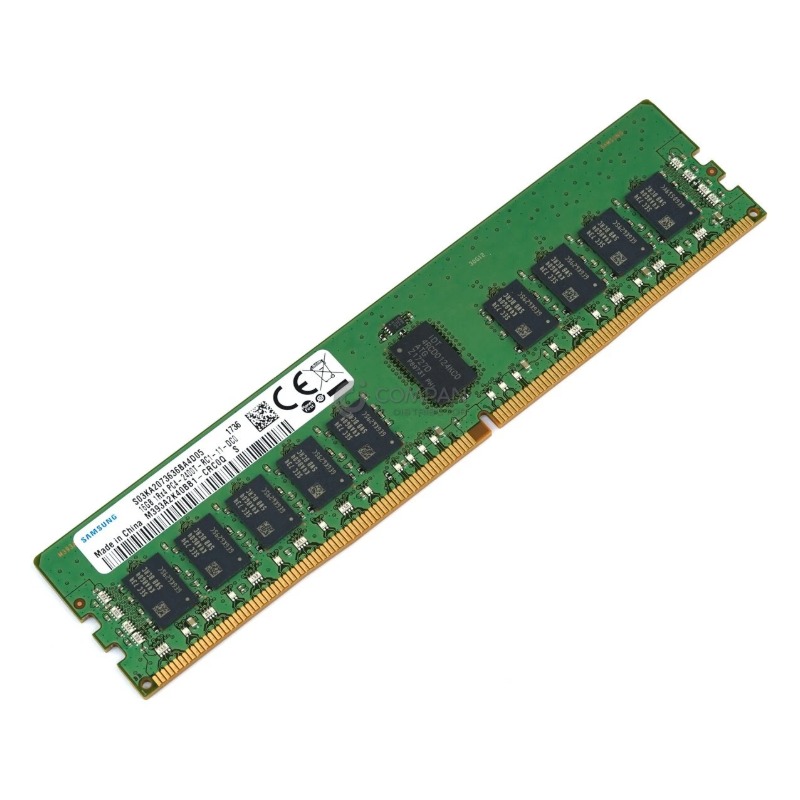


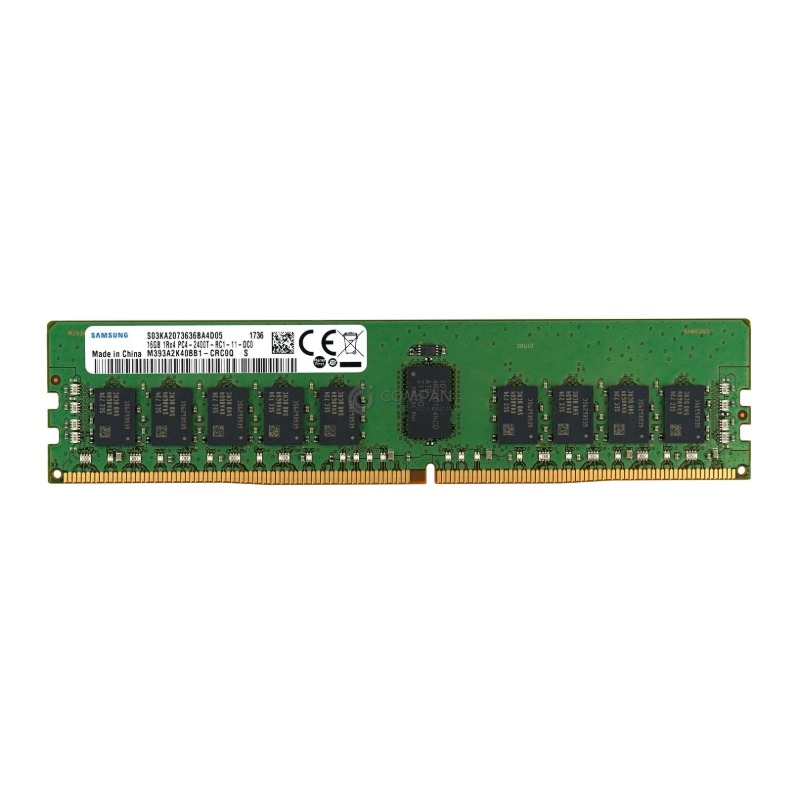
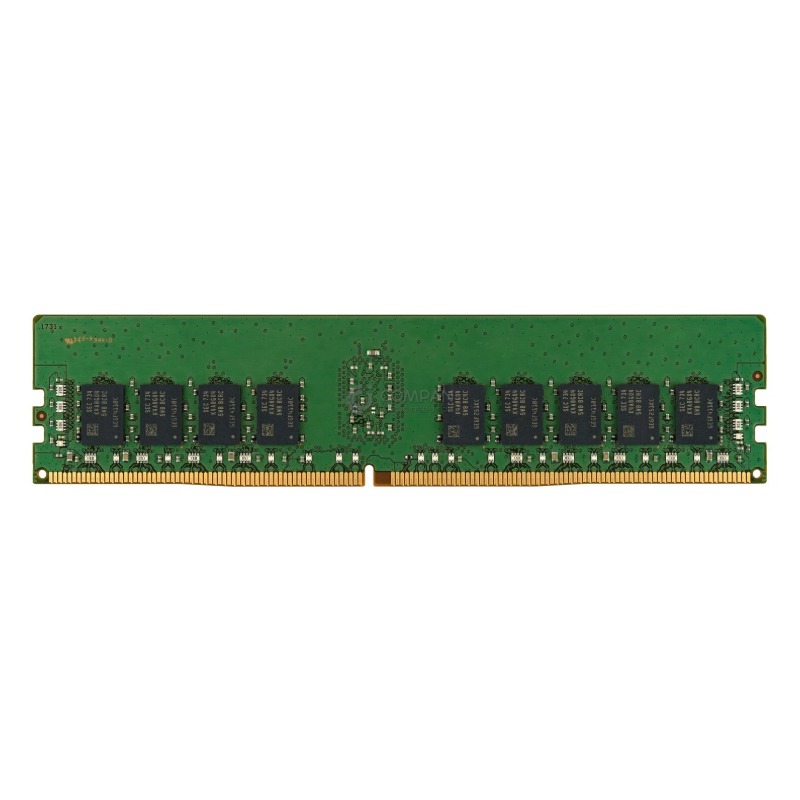
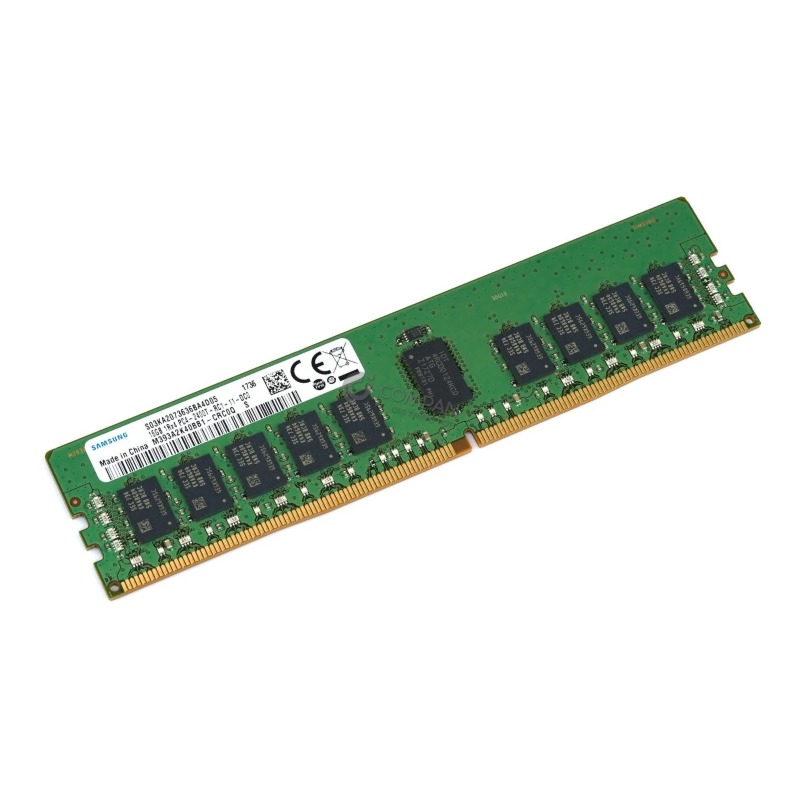
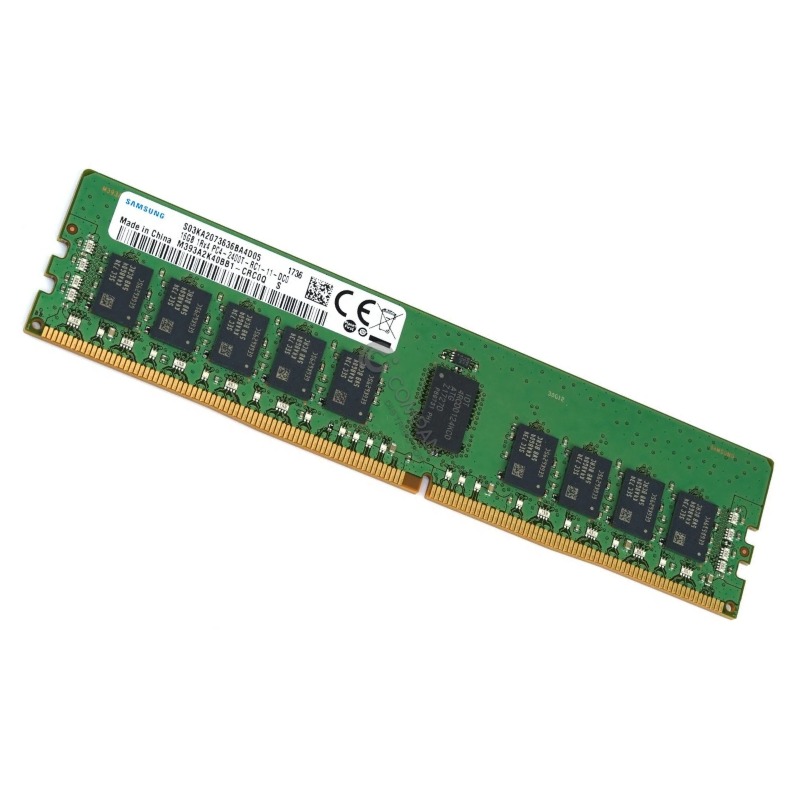
Samsung M393A2K40BB1-CRC4Q 16GB 2400MBPS PC4-19200 DDR4 SDRAM Rdimm Memory Module for Server. New (System) Pull with 1 year replacement warranty
The Samsung M393A2K40BB1-CRC4Q is a High‑Efficiency 16GB DDR4 Registered ECC module engineered to deliver dependable performance for Enterprise‑Grade servers. Built for stability, rapid data throughput, and long‑term reliability, this RDIMM is ideal for data centers, virtualization, and mission‑critical workloads.
This Samsung RDIMM module is engineered to integrate seamlessly with a wide range of enterprise‑class Dell systems, ensuring smooth operation and consistent performance.
The Samsung M393A2K40BB1-CRC4Q 16GB DDR4 server memory module belongs to a specialized category of enterprise-grade registered DIMMs engineered specifically for data center, cloud infrastructure, and mission-critical server environments. This category focuses on memory modules that prioritize stability, scalability, data integrity, and long-term operational reliability rather than consumer-oriented performance tuning. DDR4 RDIMM technology represents a significant evolution from earlier DDR3 server memory generations, delivering improved bandwidth, lower operating voltage, and enhanced signal integrity that allows modern servers to support higher memory capacities without compromising system stability. The Samsung M393A2K40BB1-CRC4Q exemplifies this design philosophy by integrating error correction code functionality, registered buffering, and a single-rank x4 architecture that collectively optimize reliability and scalability in multi-DIMM configurations. This class of memory is not intended for desktops or consumer laptops, but instead addresses the demands of enterprise servers, virtualization hosts, database systems, and high-availability computing environments.
Registered DIMM technology is a defining feature of this memory category, setting it apart from unbuffered DIMMs used in consumer systems. RDIMM modules include a register, also known as a buffer, positioned between the memory controller and the DRAM chips. The Samsung M393A2K40BB1-CRC4Q leverages this registered architecture to ensure consistent performance across demanding workloads that require sustained memory access. In enterprise environments where servers may operate continuously under heavy load, registered memory helps maintain reliable communication between the CPU and memory subsystem. This category of memory is therefore essential for platforms designed to scale across multiple CPU sockets and memory channels, where signal integrity challenges increase with each additional module.
DDR4 RDIMM server memory modules are engineered to work seamlessly with server-grade processors from Intel Xeon and AMD EPYC families, as well as compatible chipsets designed to support ECC registered memory. The Samsung M393A2K40BB1-CRC4Q adheres to industry specifications that ensure it can be deployed in a wide range of enterprise servers, from rack-mounted systems to blade servers and tower configurations. This broad compatibility makes the category highly versatile for system integrators and IT administrators managing diverse hardware fleets. Because RDIMM modules are electrically different from unbuffered DIMMs, they cannot be mixed within the same memory channel.
Error correction code memory is a foundational requirement in enterprise computing, and it defines a core aspect of this server memory category. ECC functionality enables the detection and correction of single-bit memory errors, as well as the detection of multi-bit errors that could otherwise lead to data corruption or system crashes. In environments where data accuracy is critical, such as financial systems, healthcare databases, and virtualization platforms hosting multiple clients, ECC memory plays a vital role in maintaining system integrity. The Samsung M393A2K40BB1-CRC4Q incorporates advanced ECC support that operates transparently to the operating system, correcting errors in real time without impacting performance. This feature is especially important in servers with large memory footprints, where the statistical likelihood of random bit errors increases as capacity scales. The ECC capability embedded within this category of DDR4 RDIMM modules significantly reduces the risk of silent data corruption, helping organizations maintain compliance with uptime and data protection requirements.
In virtualized infrastructures, a single physical server may host dozens or even hundreds of virtual machines, each relying on the integrity of the underlying memory subsystem. ECC registered memory modules like the Samsung M393A2K40BB1-CRC4Q are essential in such environments, as a memory error affecting one virtual machine could potentially cascade into broader system instability. By correcting errors at the hardware level, ECC memory ensures that workloads remain isolated and stable. This category of memory is therefore a standard requirement for cloud service providers and enterprise virtualization deployments, where consistent performance and data reliability are critical service-level objectives. The integration of ECC technology within DDR4 RDIMM modules supports these goals by providing a robust foundation for high-density, multi-tenant computing.
DDR4 SDRAM represents a significant advancement over previous memory generations, delivering higher data transfer rates and improved power efficiency. The 2400MHz operating speed of the Samsung M393A2K40BB1-CRC4Q places it within a widely adopted performance tier that balances bandwidth and compatibility. PC4-19200 memory provides up to 19.2GB/s of theoretical bandwidth per module, enabling servers to handle data-intensive applications such as in-memory databases, analytics platforms, and large-scale web services. This category of server memory is optimized for sustained throughput rather than short bursts of peak performance. The CL17 latency specification reflects a design optimized for stability and predictable response times, which are more critical in enterprise workloads than raw latency reductions.
Operating at 1.2 volts, DDR4 server memory modules deliver improved energy efficiency compared to earlier DDR3 designs that typically required 1.5 volts. This reduction in operating voltage translates into lower power consumption and reduced heat output, which are critical factors in data center environments where energy efficiency and cooling costs directly impact operational expenses. The Samsung M393A2K40BB1-CRC4Q is designed to maintain stable performance within the thermal envelopes of densely populated server chassis. This category of memory undergoes extensive validation to ensure reliable operation across a wide range of temperatures, supporting continuous operation in enterprise environments where downtime is not an option.
The single-rank x4 configuration of this server memory module defines how the DRAM chips are organized and accessed. Single-rank memory presents one set of memory banks to the memory controller, which can simplify addressing and improve signal stability in certain configurations. The x4 chip organization means that each DRAM chip contributes four bits to the data bus, a design commonly used in ECC memory modules to enhance error detection and correction capabilities. This category of memory modules is particularly well-suited for servers that prioritize reliability and scalability over maximizing rank count per module. Single-rank designs can offer advantages in compatibility and power efficiency, especially when deploying large numbers of DIMMs across multiple memory channels.
In multi-socket servers with numerous memory slots, the choice of rank and chip organization can significantly affect overall system scalability. The single-rank x4 design of the Samsung M393A2K40BB1-CRC4Q helps ensure consistent performance as memory capacity is expanded, reducing the likelihood of timing issues or signal degradation that could arise with more complex multi-rank configurations. This makes the category attractive for IT administrators planning phased memory upgrades, as it provides predictable behavior when adding additional modules over time. The standardized architecture simplifies capacity planning and helps maintain uniform performance across the memory subsystem.
This category of DDR4 ECC registered server memory is widely used across a range of enterprise applications that demand high reliability and sustained performance. Database servers rely on large, stable memory pools to cache data and accelerate query processing, while application servers depend on consistent memory access to support concurrent user sessions. The Samsung M393A2K40BB1-CRC4Q is designed to meet these requirements, providing dependable performance under continuous load. In data center environments, memory reliability directly impacts service availability and customer satisfaction. By deploying ECC RDIMM modules, organizations reduce the risk of memory-related outages and data corruption, supporting higher service-level agreements and more predictable system behavior.


 Contact Us
 Information
 Catalog
 Solid State Drives (SSD)
 Network Switches
 Hard Disk Drives
 HBA & Controllers
 PC & Servers
 PC & Server Memory
 CPU & Processors
 Network Routers
 Power Supplies
 Tape Drives & Libraries
 Network Devices
 Computer & Network Cables