(7% discount is applied at checkout)
Cart is empty
Your go-to destination for cutting-edge server products
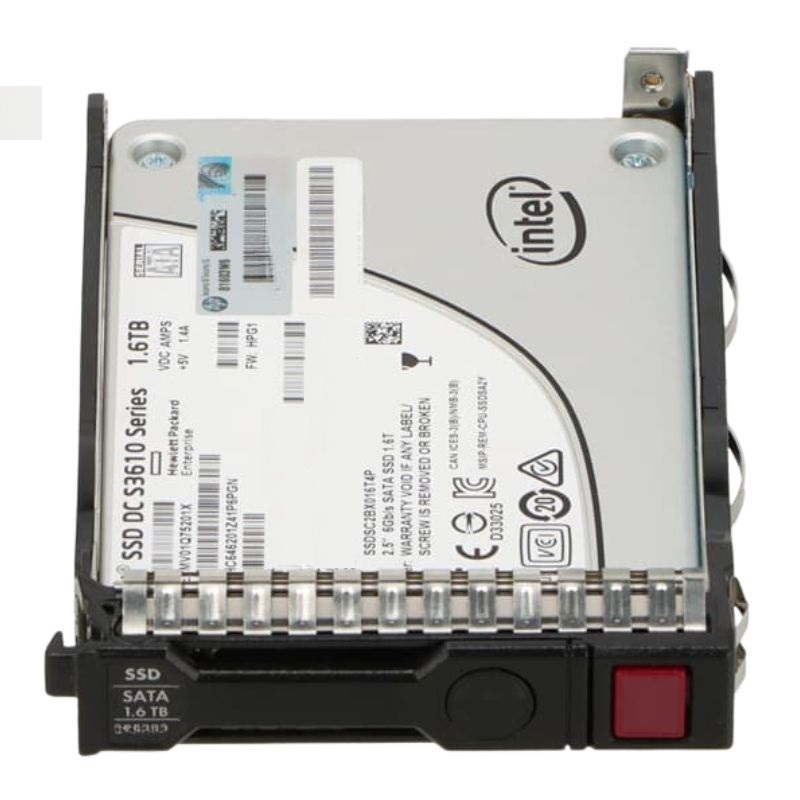


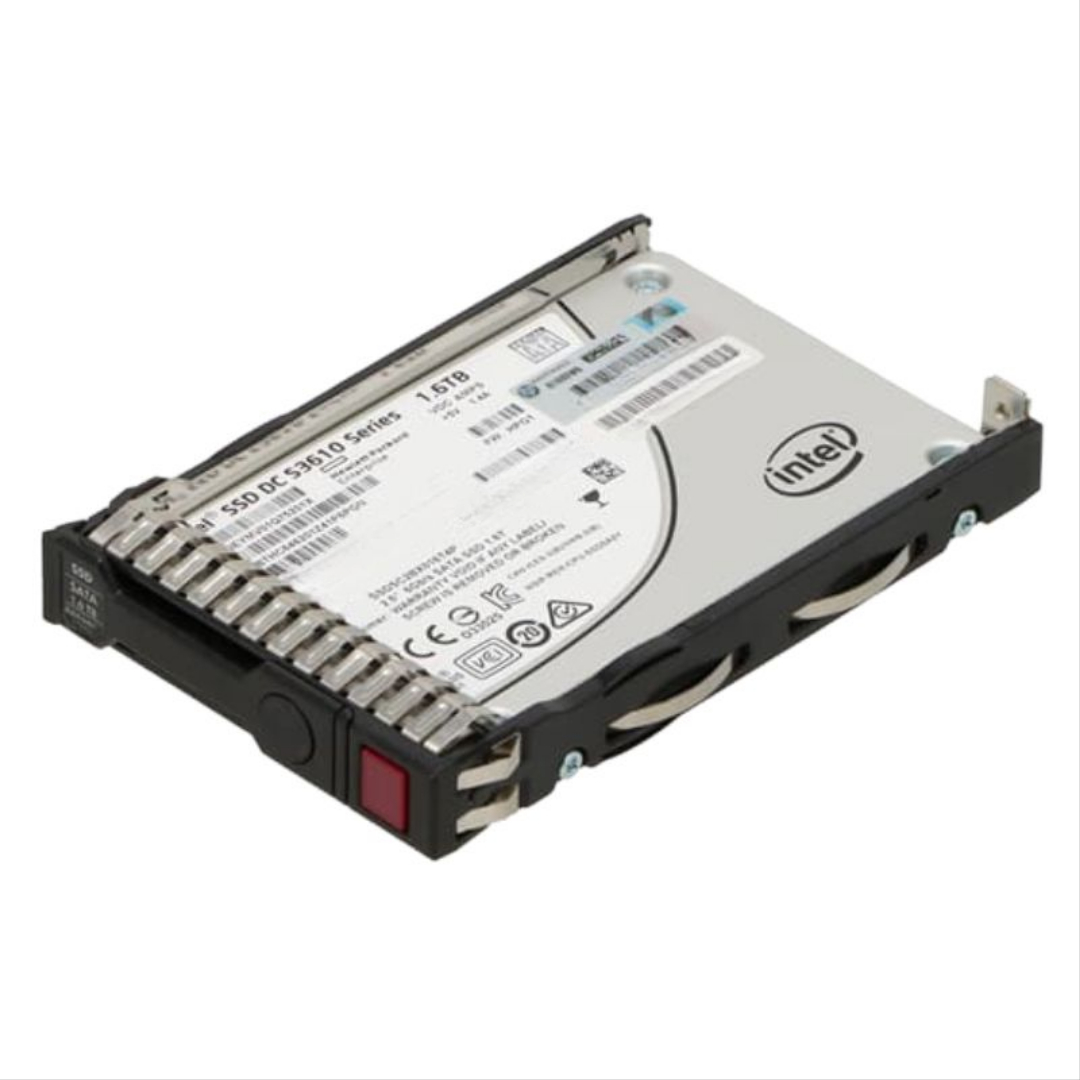
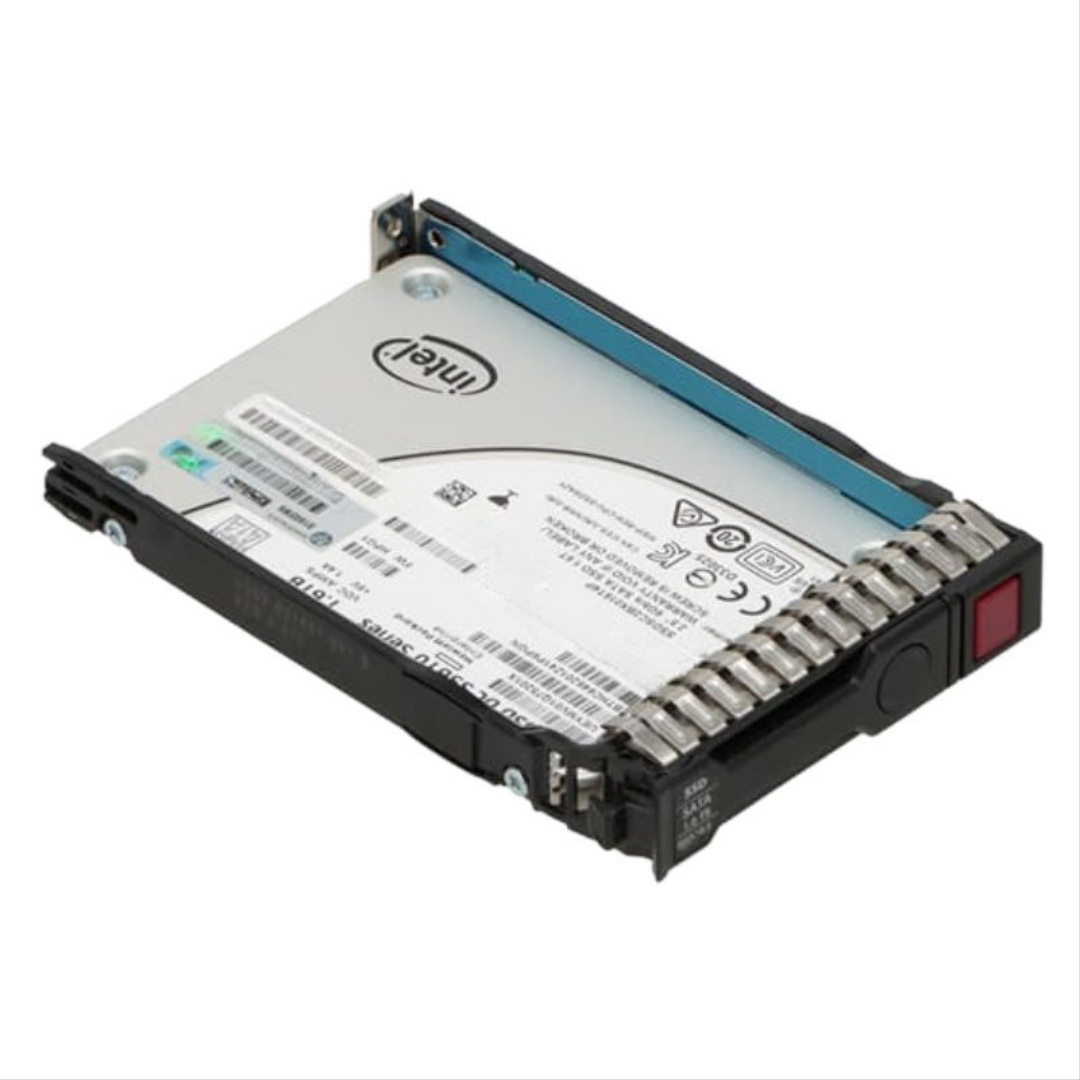
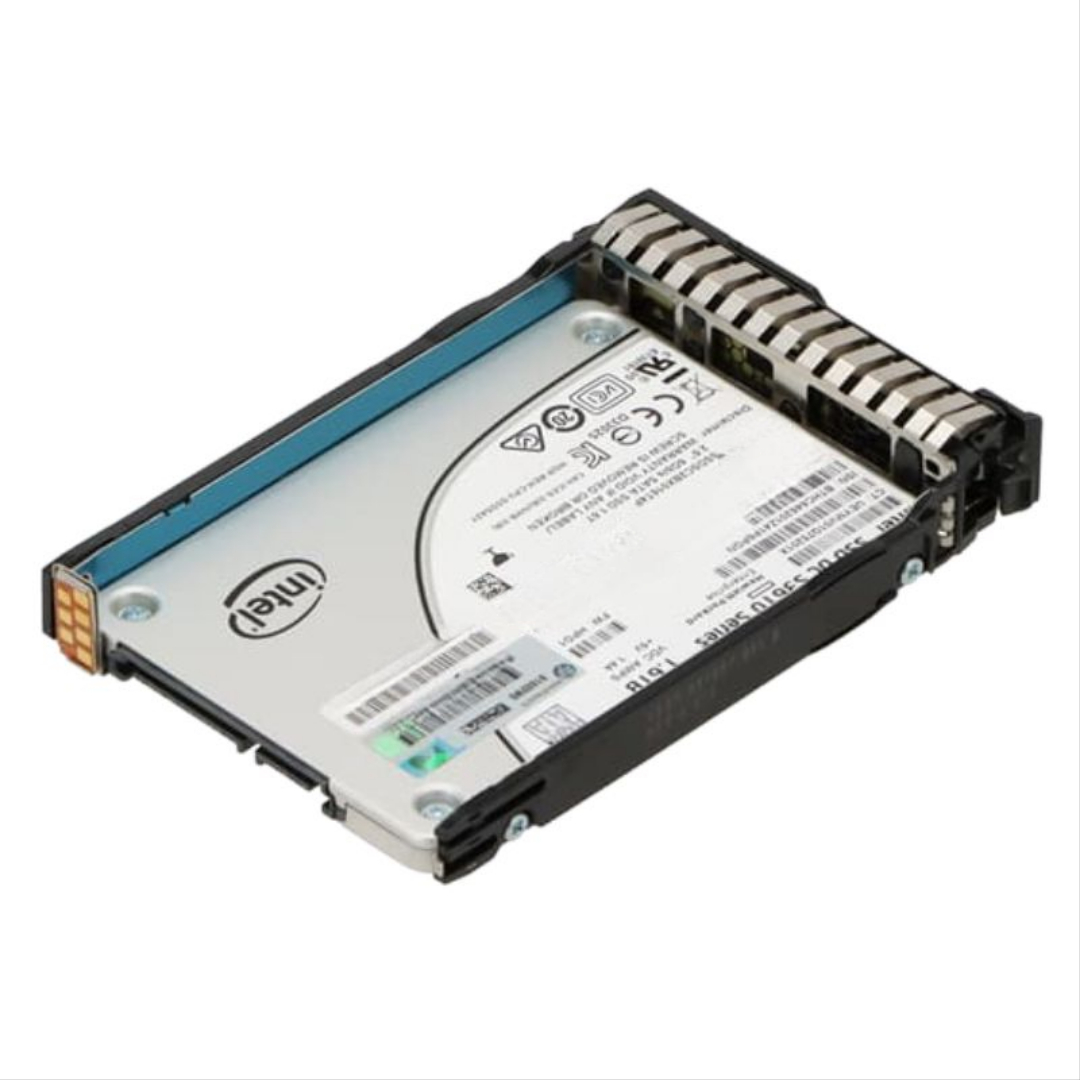
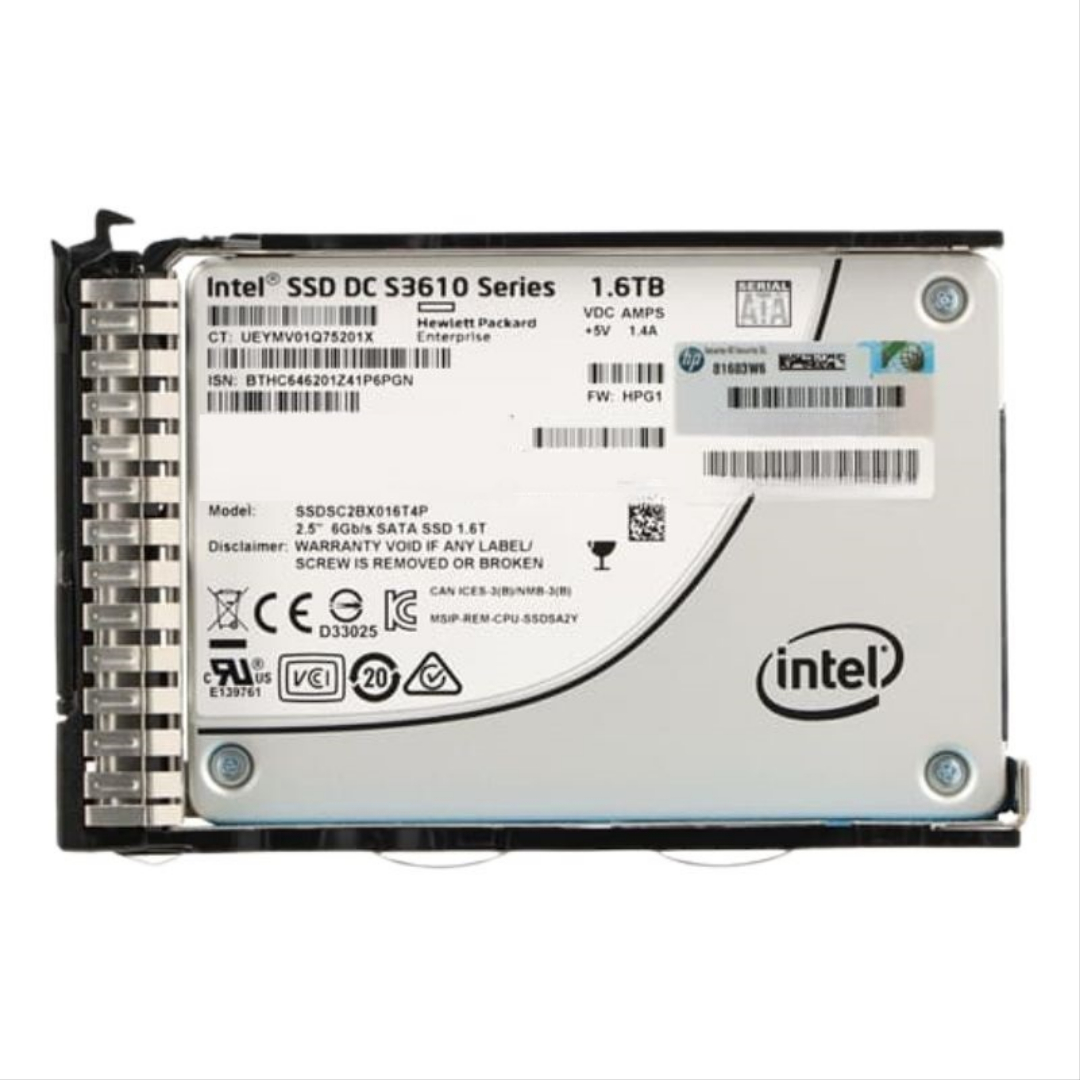
HPE 757357-B21 1.6TB SATA 6GBPS Enterprise Value Endurance 2.5 Inch Solid State Drive. New (System) Pull with 1 year replacement warranty
The HPE 757357-B21 solid state drive is engineered for enterprise-grade performance, ensuring consistent speed, durability, and reliability. Designed with a 2.5-inch form factor and SATA 6Gbps interface, this SSD is a dependable solution for data centers, mission-critical workloads, and enterprise applications requiring high endurance and dependable throughput.
With a robust storage capacity of 1.6TB, this SSD supports extensive workloads while ensuring smooth multitasking. The SATA 6Gbps interface standard enhances data flow, delivering optimized read and write operations across demanding IT infrastructures.
The 2.5-inch drive width ensures compatibility with various HPE server platforms. Its compact design allows efficient storage density, making it an excellent fit for blade servers, rack-mounted systems, and scalable enterprise deployments.
This SSD is manufactured with eco-conscious standards and complies with major certifications:
The HPE 757357-B21 1.6TB SATA 6Gbps Enterprise Value Endurance 2.5 Inch Solid State Drive represents a focused offering within Hewlett Packard Enterprise’s storage portfolio, aimed at organizations seeking a balance of enterprise reliability and cost-efficiency. As an Enterprise Value Endurance (EVE) class drive, it is optimized for workloads where consistent read performance, moderate write endurance, and predictable operational behavior are required without the premium cost associated with the highest-endurance enterprise flash. The product name itself signals its key attributes — 1.6TB raw capacity in the common 2.5-inch form factor, a widely supported SATA 6Gbps interface for broad compatibility with servers and storage arrays, and a design philosophy that balances endurance and value for mainstream enterprise deployment.
This SSD is particularly well-suited for read-intensive and mixed-use enterprise workloads. Typical use cases include virtualization hosts where many virtual machines require fast boot and application response, database log storage where low latency is important but write density is moderate, web application front ends, content delivery nodes, and general purpose server acceleration. The “value endurance” classification means the drive is engineered to handle a realistic enterprise write load over its expected service life while keeping acquisition costs lower than ultra-high endurance SSDs. For data centers modernizing from spinning disks, deploying HPE 757357-B21 drives can yield dramatic improvements in I/O performance, system responsiveness, and overall energy efficiency without overspending on endurance characteristics that advanced workloads do not require.
Because it uses the SATA 6Gbps interface and the common 2.5-inch form factor, the HPE 757357-B21 integrates seamlessly into a wide range of HPE ProLiant servers, HPE storage enclosures, and many third-party systems that accept industry-standard 2.5-inch SATA drives. This compatibility simplifies upgrades and mixed storage environments where some slots are populated with NVMe devices while others retain SATA SSDs. Administrators appreciate the plug-and-play nature of SATA 6Gbps, which reduces firmware and hardware compatibility complexity compared to less common interfaces. In installations requiring hot-swap capability, the drive fits into carrier trays and sleds used by enterprise systems, enabling serviceability and minimal downtime during replacements or expansions.
Though SATA 6Gbps is not the fastest interface compared to NVMe, it remains a pragmatic choice for many enterprise scenarios that prioritize cost predictability and broad system support. The HPE 757357-B21 takes advantage of optimized controller firmware and enterprise-grade NAND to deliver consistent random read and sequential throughput performance that exceeds HDDs by a large margin. For virtualization platforms, this translates into faster virtual machine startups and more consistent application performance under typical mixed I/O patterns. For boot volumes and OS installations, the drive delivers snappy responsiveness. Sequential throughput supports large file transfers and backups more efficiently than hard drives, which benefits many maintenance and data management operations within the enterprise environment.
One of the most important advantages of enterprise SSDs is predictable latency. The HPE 757357-B21 is tuned for consistent low-latency behavior, reducing the I/O tail latencies that plague HDD-based systems under load. Consistent latency improves the user experience for real-time applications and reduces variability in SLAs. While absolute microsecond-level numbers vary depending on server architecture and workload, organizations migrating from mechanical storage will see far more consistent service times and improved transaction rates, directly impacting overall system throughput and efficiency.
Endurance is a central consideration for enterprise SSDs. The “Value Endurance” designation indicates a careful engineering trade-off: the drive offers sufficient endurance for mainstream enterprise use while focusing on lowering cost-per-GB relative to high-endurance models. This profile is ideal for deployments where write volume is moderate rather than extreme, such as content servers, read-heavy databases, and general compute workloads. Administrators should match endurance to workload characteristics; for write-heavy logging or caching tiers, a higher endurance drive may be preferable, whereas the HPE 757357-B21 excels in read-dominant or balanced workload tiers.
The 2.5-inch form factor remains a versatile standard in the enterprise. It enables dense storage configurations inside server chassis and storage arrays, and supports standard hot-swap trays and caddies. The small physical footprint of the HPE 757357-B21 allows data center architects to increase storage density without sacrificing airflow or accessibility. This physical compatibility ensures that organizations can increase performance within existing hardware footprints rather than undertake costly chassis redesigns.
Enterprise SSDs must maintain performance under steady-state thermal conditions found in rack-scale deployments. The drive’s thermal profile is designed to operate within typical server chassis cooling constraints. Efficient NAND and controller operation alongside firmware-level thermal management reduce the risk of throttling and maximize long-term reliability. This is particularly important in dense compute racks or edge facilities where cooling is constrained. By maintaining stable performance in realistic thermal environments, the HPE 757357-B21 supports predictable capacity planning and reduces the chance of unexpected performance degradation.
Reliability metrics such as Mean Time Between Failures (MTBF) and managed-failure modes are key decision criteria for IT procurement teams. Enterprise drives such as the HPE 757357-B21 are validated to enterprise reliability standards and are produced with quality control processes and firmware features that reduce silent data corruption and improve error recovery. These attributes result in lower operational risk and help data protection policies (including RAID and replication) operate more effectively. It is always recommended to combine SSD redundancy strategies with robust backup and replication architectures to ensure data integrity and availability.
Enterprise SSDs include firmware-level features that support data protection and consistency. The HPE 757357-B21 includes firmware optimizations for power-loss protection, background media management, and end-to-end data path integrity. These capabilities are important for ensuring that writes in progress do not result in data corruption in the event of power interruption, and for maintaining long-term media health through background garbage collection and wear-leveling. Administrators should ensure firmware is kept current via validated HPE firmware bundles to benefit from ongoing improvements in compatibility and reliability.
To maximize usable life, enterprise SSD controllers implement wear-leveling algorithms that distribute writes across NAND cells evenly. The HPE 757357-B21’s firmware balances performance and longevity to ensure capacity remains usable across the drive’s warranted life. Background processes such as block retirement and bad block management are handled transparently, reducing the administrative burden and helping maintain consistent I/O performance over time. These mechanisms are crucial for predictable operational planning and for avoiding premature capacity loss in large fleets of drives.
Data integrity on power failure is a differentiator for enterprise drives. While different models provide varying degrees of power-loss protection, the HPE 757357-B21 incorporates mechanisms to protect in-flight data and ensure that metadata structures remain consistent after unexpected interruptions. This contributes to reliable recovery and reduces time-to-rebuild in redundant storage configurations. IT teams should always verify support for power-loss protection relative to their system-level power architectures and consider uninterruptible power supplies and controlled shutdown strategies where appropriate.
Deploying HPE 757357-B21 drives as part of a tiered architecture is a common approach. Use SSD tiers for hot datasets and frequently accessed metadata, while retaining high-capacity HDD tiers for cold or archival content. When used in RAID configurations, SSDs must be matched for capacity and performance characteristics to avoid imbalanced rebuilds. Consider validation of RAID firmware and controller offload capabilities to maximize SSD performance. For virtualization environments, ensure host-level caching policies and guest I/O characteristics are tuned to leverage the SSD’s low-latency characteristics.
Effective monitoring is critical. Integrate SSD health metrics into centralized monitoring platforms and use HPE management tools where available to track drive health, firmware versions, and SMART attributes. Automated alerts for pending media degradation or temperature anomalies enable rapid remediation and reduce the risk of unplanned outages. Historical performance data supports capacity planning and helps identify hot spots that may benefit from additional SSD capacity or tuning.
Keeping drive firmware current is part of maintaining a robust storage estate. HPE publishes validated firmware updates and provides guidance for applying updates in enterprise environments to minimize risk. When planning firmware upgrades, follow HPE’s compatibility matrices and perform controlled rollouts to ensure no unexpected interactions with RAID controllers or host drivers. HPE support contracts and documentation are essential resources for administrators managing large SSD deployments.


 Contact Us
 Information
 Catalog
 Solid State Drives (SSD)
 Network Switches
 Hard Disk Drives
 HBA & Controllers
 PC & Servers
 PC & Server Memory
 CPU & Processors
 Network Routers
 Power Supplies
 Tape Drives & Libraries
 Network Devices
 Computer & Network Cables