(7% discount is applied at checkout)
Cart is empty
Your go-to destination for cutting-edge server products
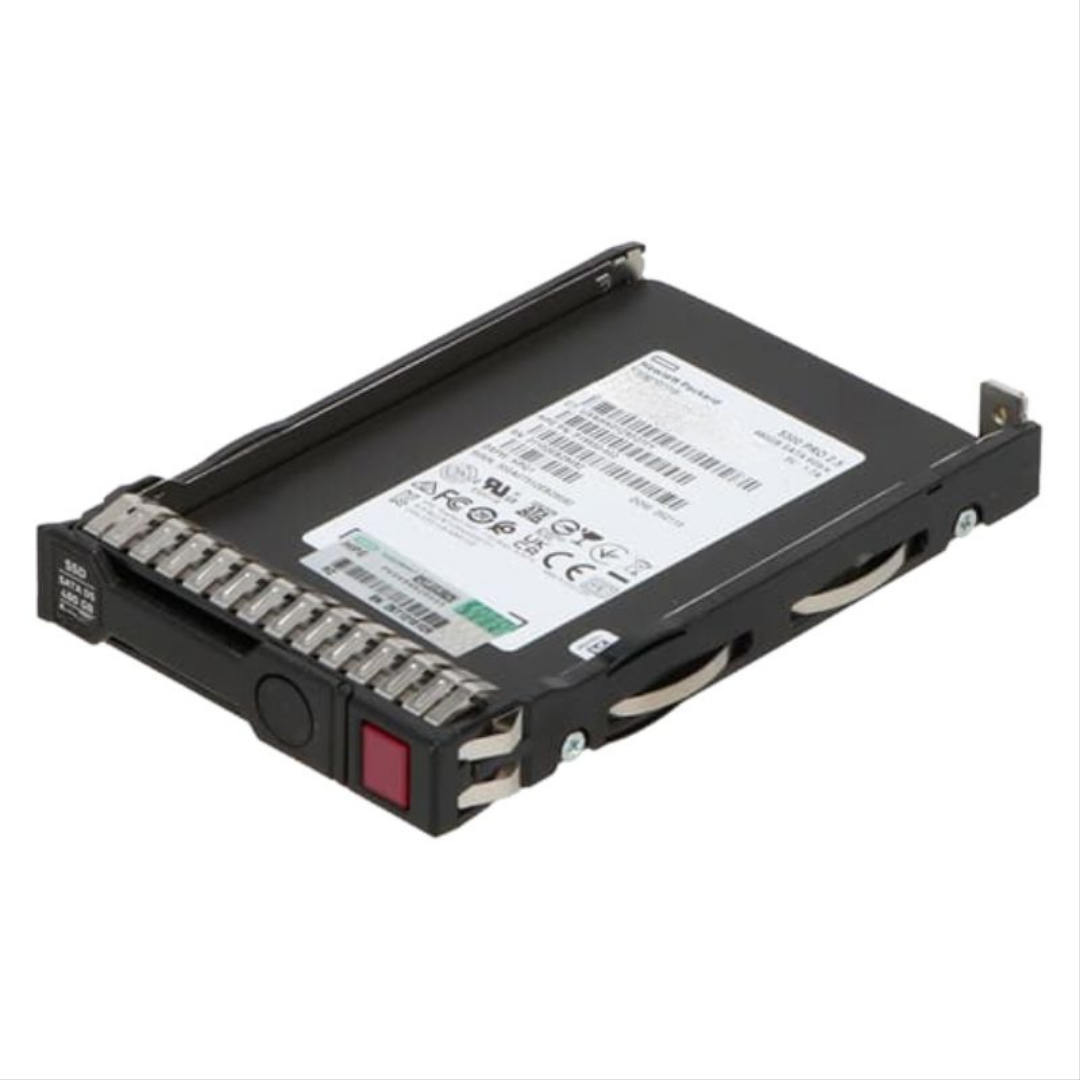


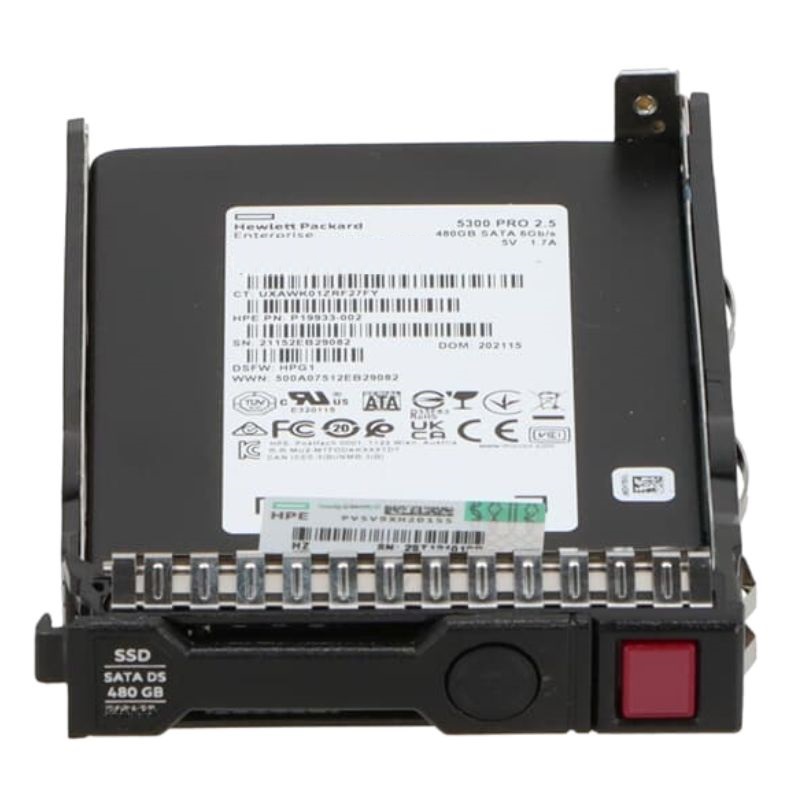
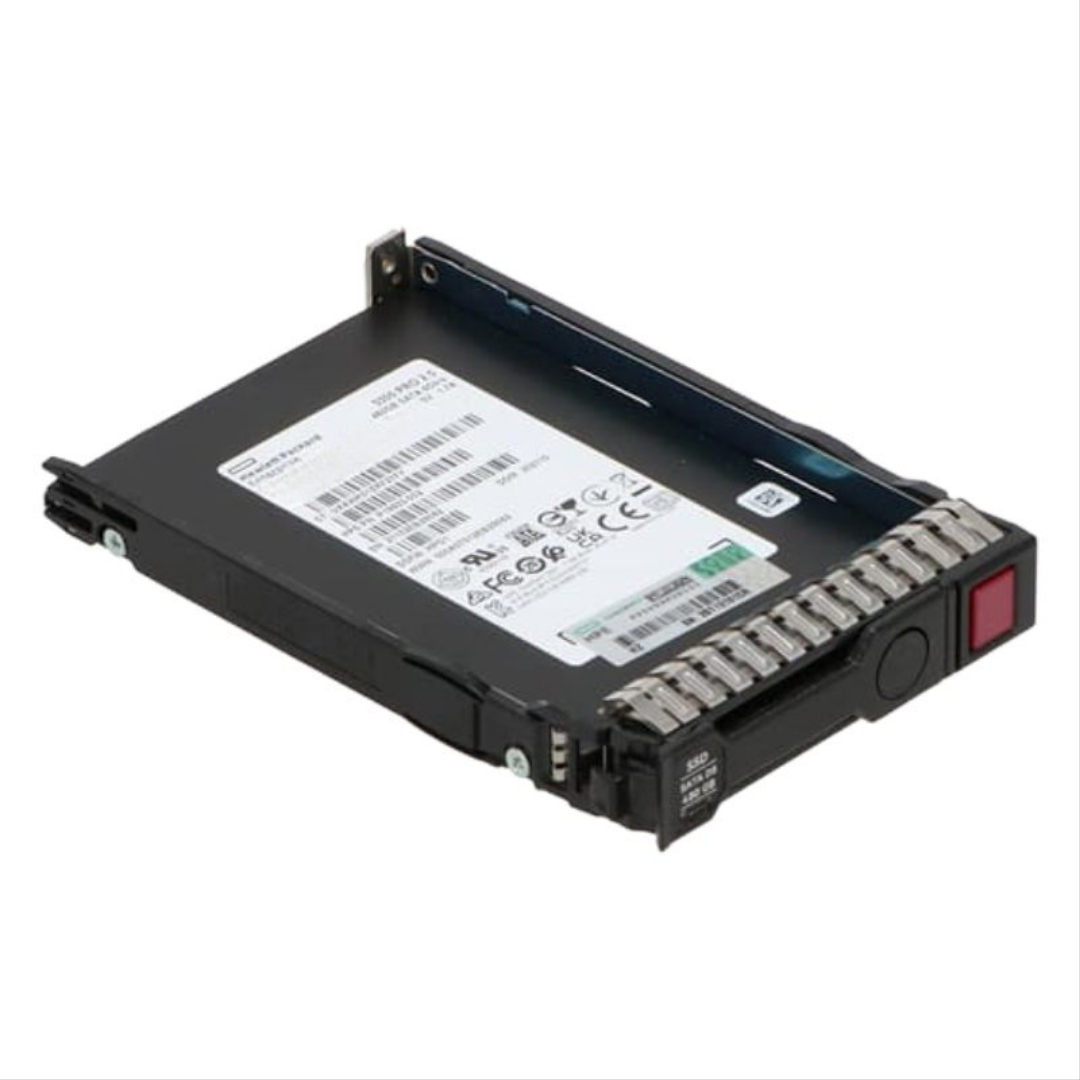
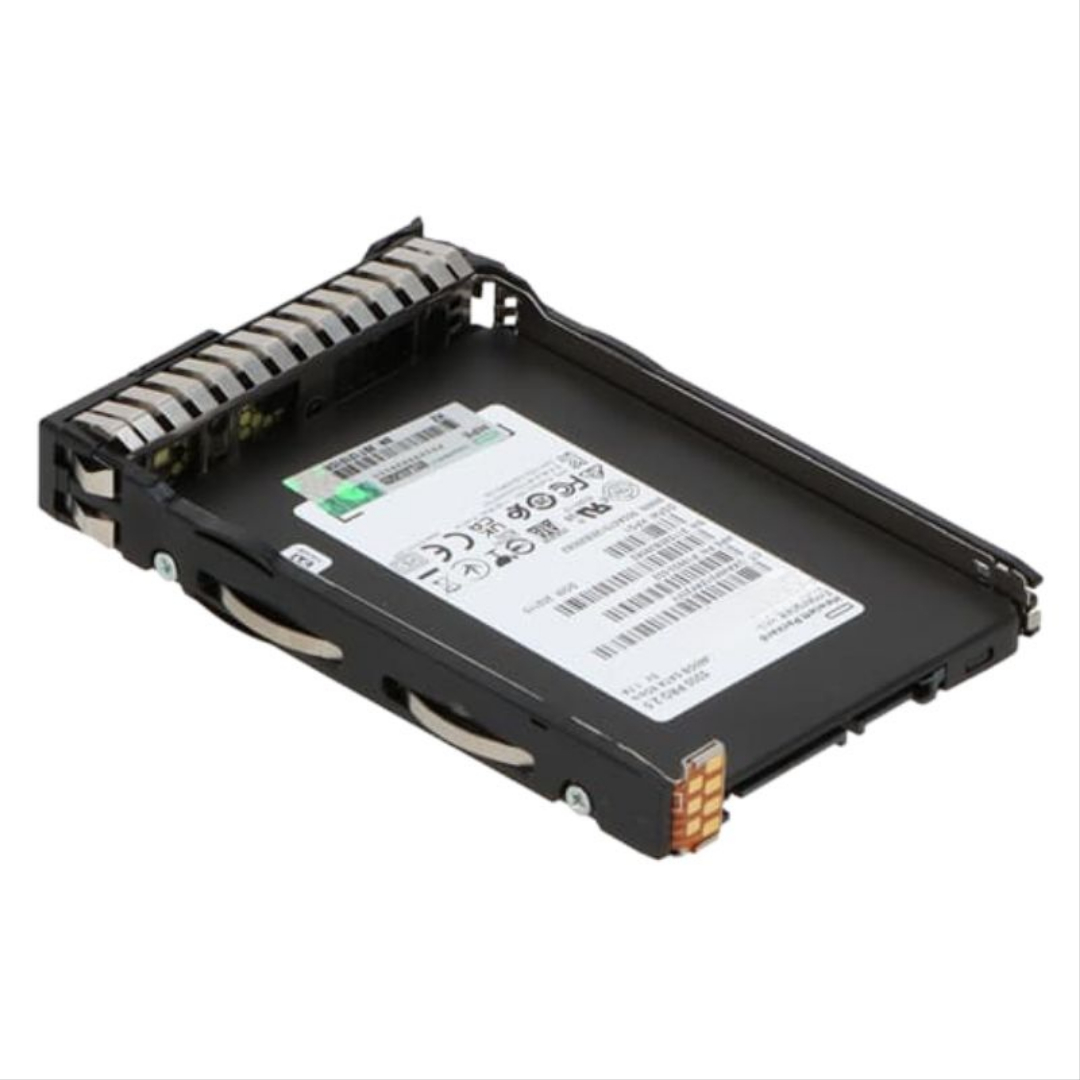
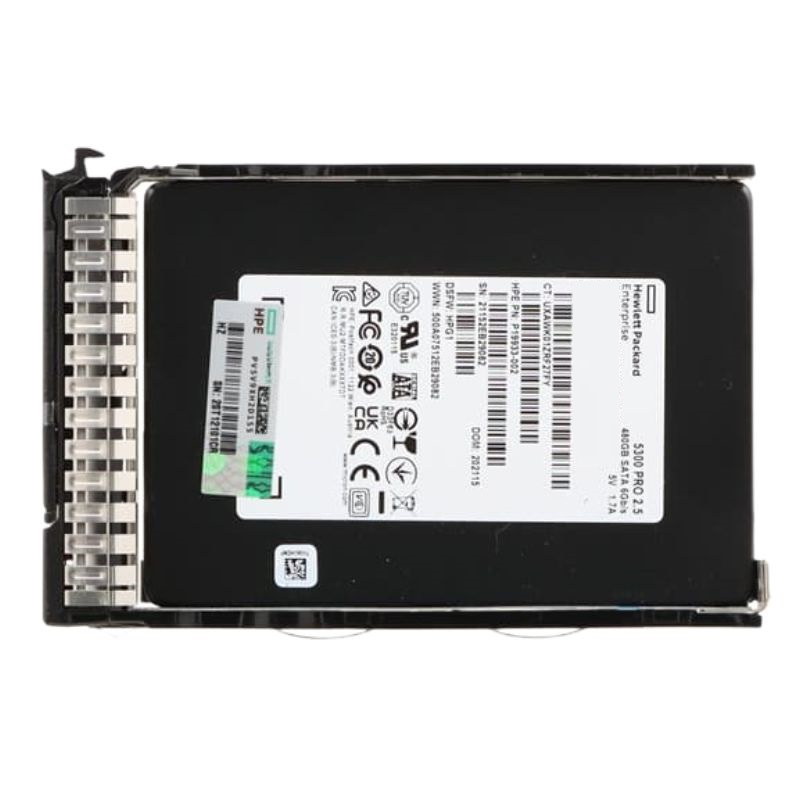
HPE 757373-001 480GB SATA 6GBPS Value Endurance Quick-Release Enterprise G1 2.5 Inch Solid State Drive. Excellent Refurbished with 1 year Replacement Warranty
The HPE 757373-001 480GB SATA 6Gbps Value Endurance Quick-Release Enterprise G1 SSD is engineered for professional environments requiring reliability, speed, and long-lasting performance. This internal 2.5-inch solid-state drive is designed to boost server workloads, enhance system responsiveness, and provide efficient storage for enterprise infrastructures.
Equipped with a 480GB capacity, the HPE 757373-001 offers sufficient space for mission-critical applications and workloads. The 6Gbps transfer speed ensures smooth data flow, reducing latency and enhancing productivity in demanding server environments.
This SSD aligns with RoHS and WEEE standards, ensuring environmentally conscious design and compliance with global safety regulations. Its eco-friendly build reduces hazardous material use and supports responsible recycling practices.
The HPE 757373-001 SSD is optimized for integration with multiple HPE ProLiant servers, guaranteeing seamless performance and system reliability.
The HPE 757373-001 480GB SATA 6Gbps Value Endurance Quick-Release Enterprise G1 2.5 inch solid state drive represents a focused balance between cost-effectiveness and enterprise-grade reliability. As a Value Endurance model, this drive is engineered to deliver sustained performance for read-heavy and mixed workload environments where predictable latency, solid throughput, and maintenance simplicity are important but where extreme write endurance is not the primary requirement. The drive’s 480GB capacity and 2.5" form factor make it an ideal candidate for server boot volumes, read-caching tiers, virtualization hosts running primarily read-dominant guests, and storage arrays that leverage tiered storage architectures. With SATA 6Gbps connectivity and quick-release trays designed for modern HPE chassis, this SSD is optimized for rapid serviceability and straightforward integration into existing enterprise infrastructure.
At the heart of this category entry is a 480GB NAND flash capacity presented in the ubiquitous 2.5-inch form factor. The SATA 6Gbps interface ensures broad compatibility with a wide range of HPE ProLiant and storage systems as well as many third-party servers and storage arrays designed for SATA drives. The 2.5" form factor preserves rack density and allows flexible deployment in both blade and rack server models that accept 2.5" media. The product’s quick-release mechanism, frequently paired with HPE hot-swap drive carriers, reduces mean time to repair (MTTR) by enabling tool-less removal and installation. This makes the drive particularly attractive to data center teams that prioritize uptime and swift hardware replacement procedures.
The "Value Endurance" designation targets environments where cost-per-gigabyte is an important procurement metric but without compromising the predictable behavior required of enterprise deployments. Drives in this class typically provide sufficient program/erase (P/E) cycles and endurance ratings to support read-intensive and mixed-use cases with a focus on long-term reliability rather than the ultra-high write tolerance required by logging, caching writes at large scale, or heavy database commit workloads. For procurement teams and IT architects, Value Endurance models offer a compelling middle-ground: they bring enterprise-class features such as power-loss protection strategies, advanced wear-leveling algorithms, and error-correcting code (ECC) logic, while remaining competitively priced versus premium endurance lines.
Performance expectations for SATA-based enterprise SSDs center on consistent I/O response and predictable throughput under sustained load. The HPE 757373-001, with SATA 6Gbps connectivity, is well suited to deliver strong sequential read and write performance for typical enterprise file and boot workloads. Random IOPS for small-block reads are commonly a strength for SSDs in this class; this drive is optimized to serve large quantities of random read operations, reducing latency for operating system tasks, application reads, and virtual desktop infrastructure (VDI) boot storms. Although SATA-based SSDs do not reach NVMe-level raw throughput, they nonetheless offer dramatic improvements over spinning media in IOPS, latency, and power efficiency. When placed in read/cache tiers or used as system drives, these characteristics translate directly into faster boot times, snappier application launches, and improved overall server responsiveness.
Organizations deploying this drive frequently find the best ROI in several recurring scenarios. First, as system and boot drives for HPE ProLiant servers, the 480GB capacity is typically more than adequate for OS images, agent stacks, and local logs while freeing larger capacity needs to networked storage. Second, the drive is highly effective as a read-accelerator or caching tier within hybrid storage arrays; it accelerates hot dataset access while keeping cold data on higher-capacity HDD tiers. Third, in virtualization clusters running many small VMs with modest write requirements, the drive can improve density and responsiveness without pushing endurance limits. Finally, remote office/branch office deployments or edge servers that require enterprise-grade reliability within constrained budgets are ideal matches for the value endurance proposition.
Virtualization environments, particularly VDI deployments where many desktops concurrently boot and access similar images, benefit from the drive’s low-latency reads and consistent small-block random performance. Using this drive as a local cache or as the system disk for hypervisors minimizes storage-induced boot storms and improves user experience during peak access periods.
Placing operating system volumes on an HPE 757373-001 SSD significantly reduces server boot times and the time required for automated maintenance tasks, updates, and health checks. Because the drive’s endurance profile is sufficient for occasional OS writes and updates, it provides a reliable foundation for critical system volumes while being cost-effective.
Enterprise deployments emphasize both reliability metrics and ease of maintenance. The G1 generation HPE enterprise SSDs incorporate firmware-level protections and drive management features that allow administrators to monitor SMART attributes, firmware revisions, and health counters. The quick-release tray and hot-swap capability accelerate replacement under failure conditions, ensuring minimal disruption during maintenance windows. In addition, compatibility with common HPE drive carriers enables consistent airflow management and thermal behavior within HPE chassis, leading to predictable longevity across large fleets.
Integrating these drives into proactive monitoring frameworks yields measurable administrative benefits. Storage management platforms that read SMART attributes and vendor-specific telemetry can flag unusual patterns such as sudden increases in reallocated sectors, sustained high write amplification, or escalating error counters. Those early warnings allow IT teams to schedule replacements on their own terms rather than reacting to unexpected failures. Because the drive class is value-oriented, replacement policies can be tuned to match workload profiles—more aggressive replacement for sites with heavier writes and extended cycles for read-dominant environments.
Firmware plays a central role in enterprise SSD behavior. Firmware updates address performance optimizations, interoperability, and rare edge-case bug fixes. When deploying HPE-branded SSDs, teams should adopt a disciplined firmware management practice that includes validation and staged rollouts. Compatibility with server models and RAID controllers should be validated in lab environments prior to fleet-wide deployment, and any vendor-provided lists of supported firmware revisions or server models should be consulted during procurement and staging.
The quick-release mechanism commonly used with this HPE drive reduces the mechanical friction of maintenance tasks. Technicians can replace the drive without tools, minimizing the potential for human error and speeding up recovery from component failure. This physical design element contributes directly to higher operational availability by shortening MTTR and unburdening change control processes.
Compared to 2.5" spinning disks, enterprise SSDs like the HPE 757373-001 demonstrate lower power consumption under most operational profiles and generate less heat per I/O. This results in lower cooling requirements for racks populated with SSDs and can improve overall datacenter energy efficiency. However, enterprise planners should still consider thermal ramping under sustained high I/O and ensure chassis airflow is unobstructed to preserve long-term reliability.
While marketed for value endurance, the drive retains numerous enterprise-oriented features designed to protect data integrity and minimize the impact of unexpected events. Error-correcting code reduces the risk of silent data corruption, power-loss mitigation strategies help preserve in-flight writes, and robust wear-leveling algorithms extend usable life by evenly distributing write cycles across the NAND array. Together, these features ensure that data placed on the drive—whether system volumes, application binaries, or frequently-read data—is protected by the layer of resiliency expected in modern data centers.
ECC is essential for correcting bit errors that appear as NAND ages. Effective wear-leveling ensures that write cycles are balanced across the media, preventing hotspots that could prematurely exhaust specific blocks. For IT teams, the practical implication is more predictable drive retirement windows and fewer unexpected degradations.
Although implementation details can vary between models and firmware generations, many enterprise SSDs include power-loss protection mechanisms that protect metadata and in-flight data during abrupt power events. These safeguards are particularly important for drives used in RAID arrays or as local anchors for database systems, where partial writes can lead to broader corruption if not properly contained.
Deploying HPE 757373-001 drives at scale demands planning around workload patterns, lifecycle management, and integration with existing storage architectures. Identify candidate servers and roles where read dominance or system-level usage will allow the drive’s value endurance profile to be fully leveraged. When integrating into RAID arrays, understand the controller’s handling of SATA SSDs and tune RAID rebuild policies, stripe sizes, and write caches accordingly to mitigate unnecessary wear. For mixed storage arrays, align caching policies so that frequently modified data is either offloaded to higher endurance media or subject to cache eviction strategies that limit sustained large writes to the value-endurance drives.
Before fleet-wide rollouts, stage the drives in a representative environment to validate performance and compatibility. Run synthetic and real-world workloads to observe latency distributions, thermal behavior, and SMART telemetry trends. Deploy monitoring agents to capture SMART logs and integrate alerts into existing incident management systems so that aging drives can be retired predictably.
Because the Value Endurance line balances cost and longevity, procurement and operations teams should define replacement triggers that combine SMART thresholds, capacity usage, and time-in-service metrics. A time-based replacement policy augmented by telemetry-driven triggers is a pragmatic approach: it simplifies budgeting while allowing flexibility to retire drives earlier if telemetry suggests accelerated wear.
When acquiring HPE-branded SSDs, ensure RMA procedures, warranty terms, and support SLAs are well understood. Value-endurance products typically carry enterprise warranties appropriate for expected workloads, but teams should align warranty terms with expected write volumes and operational practices. Documented RMA procedures and replacement SLAs minimize disruption in the event of failures and help maintain service-level objectives.


 Contact Us
 Information
 Catalog
 Solid State Drives (SSD)
 Network Switches
 Hard Disk Drives
 HBA & Controllers
 PC & Servers
 PC & Server Memory
 CPU & Processors
 Network Routers
 Power Supplies
 Tape Drives & Libraries
 Network Devices
 Computer & Network Cables