(7% discount is applied at checkout)
Cart is empty
Your go-to destination for cutting-edge server products
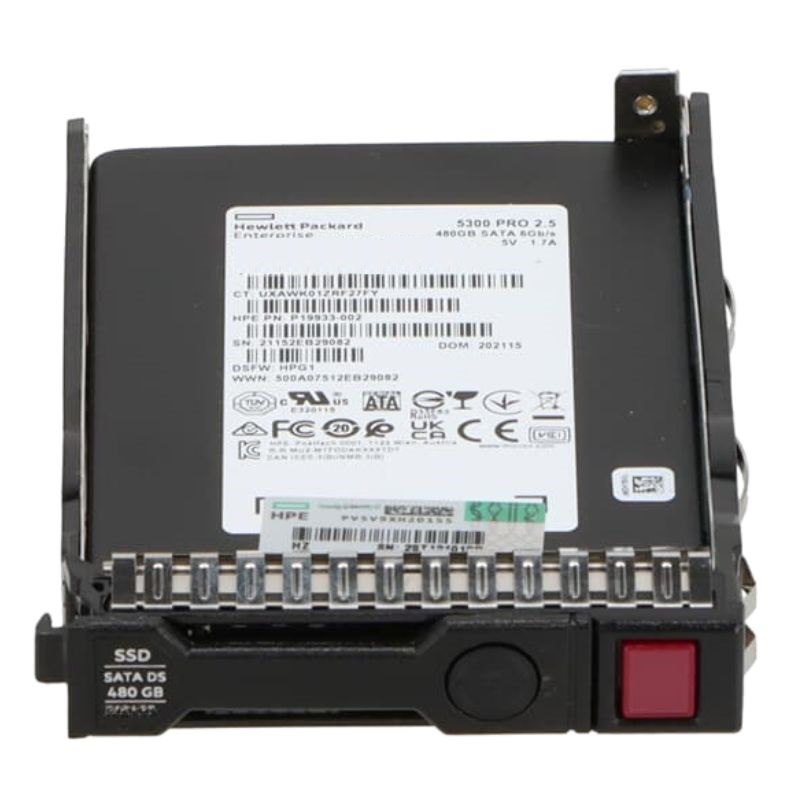


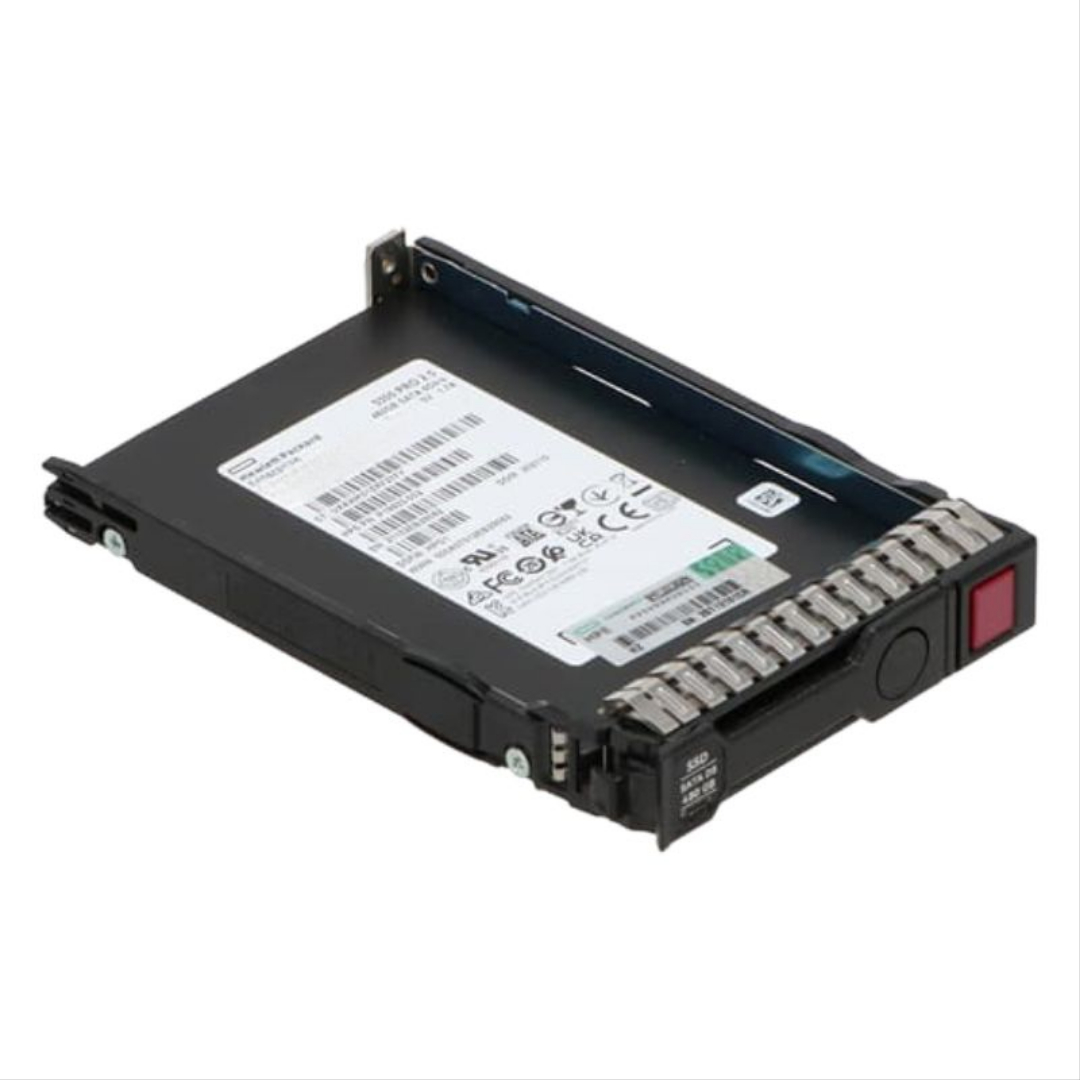
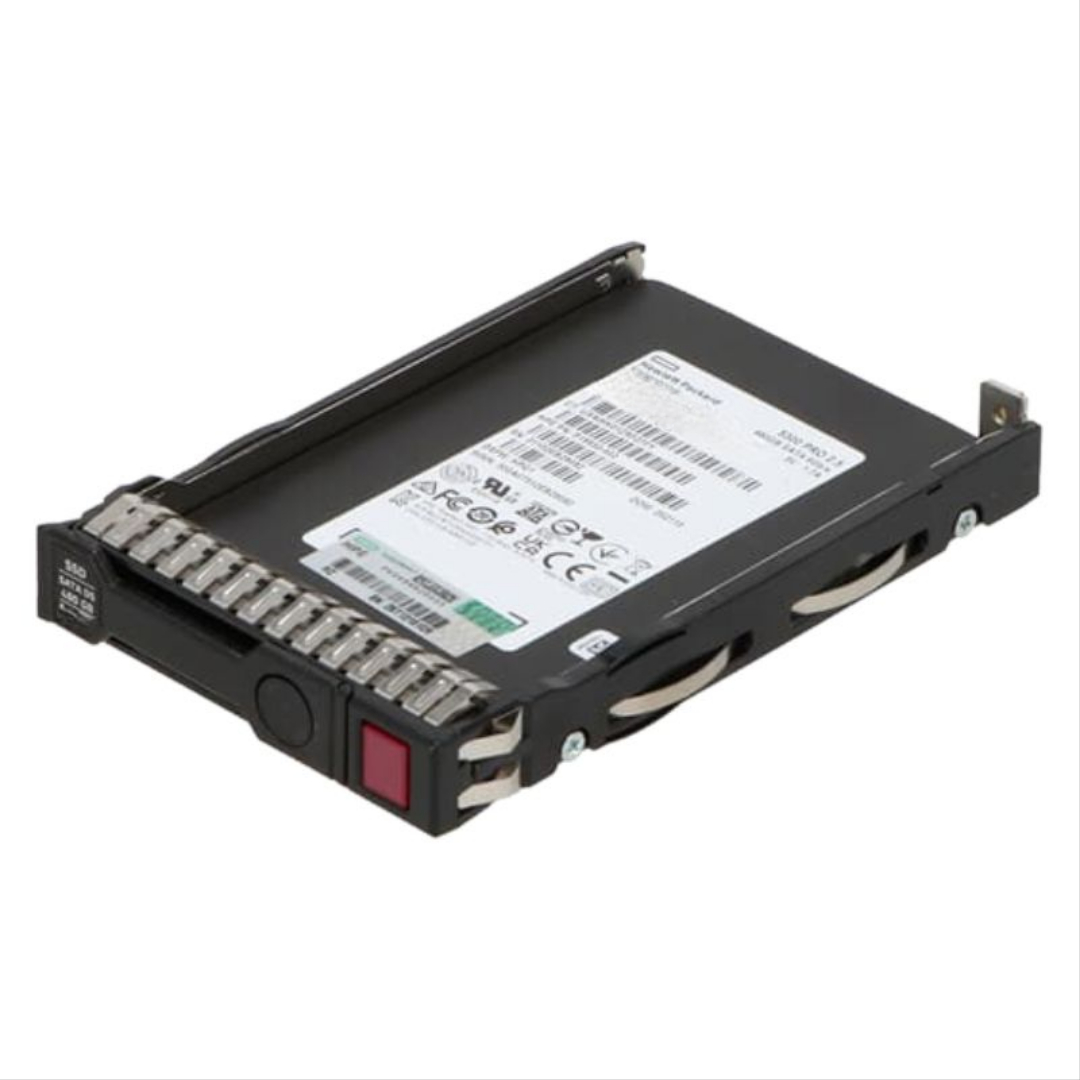
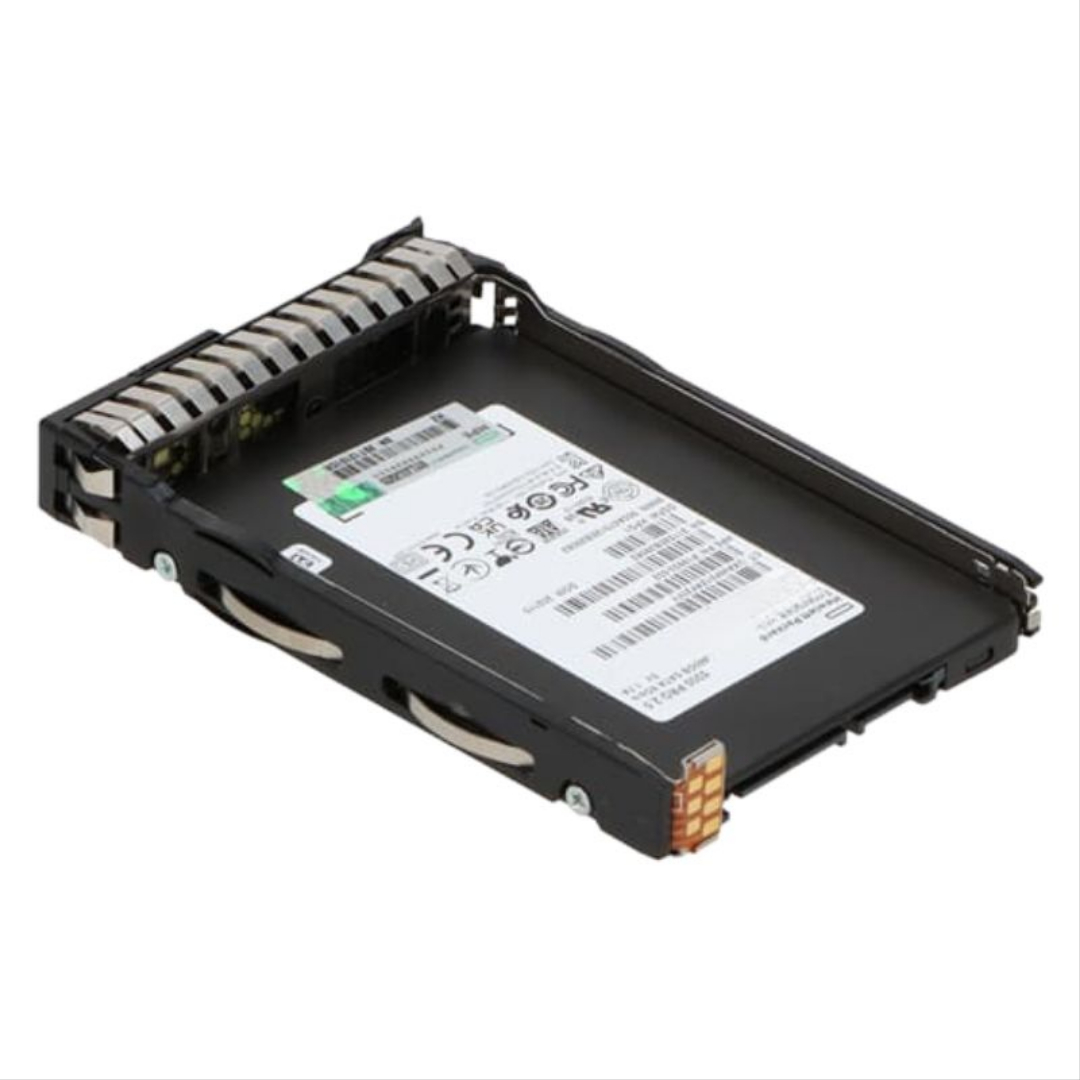
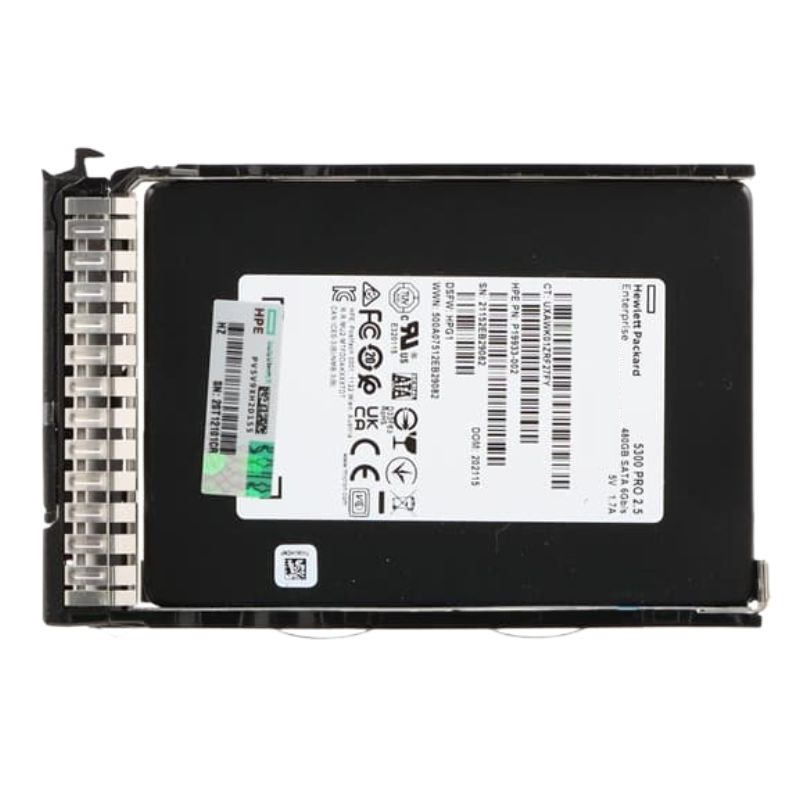
HPE 757374-001 480GB SATA 6GBPS Value Endurance Enterprise G1 2.5 Inch Solid State Drive. Excellent Refurbished with 1 year Replacement Warranty
The HPE 757374-001 480GB SATA 6Gbps Value Endurance Enterprise G1 2.5 Inch Solid State Drive is engineered to deliver reliable storage performance for business-critical environments. With its optimized design, it supports high-speed data processing, energy efficiency, and compliance with strict industry standards.
Designed for data-intensive workloads, the HPE 757374-001 offers dependable storage capacity and streamlined efficiency:
The SSD supports 6Gbps SATA interface, ensuring faster data transfer rates for critical operations.
This enterprise-grade SSD follows global compliance regulations, offering a secure and eco-friendly storage solution.
The HPE 757374-001 480GB SATA 6Gbps Value Endurance Enterprise G1 2.5 inch Solid State Drive represents a balanced, cost-effective entry in the enterprise SSD category that targets data center operators, small and medium-sized businesses, and IT departments seeking dependable, endurance-focused storage for mixed workload environments. This category centers on enterprise-grade SATA SSDs optimized for write-intensive and read-intensive operations, designed to replace legacy spinning disks while delivering lower latency, higher throughput, and greater energy efficiency. Within this category, drives are engineered to handle consistent workloads with predictable performance, feature power-loss protection, and adhere to rigorous manufacturing and validation processes. The HPE 757374-001 stands out by combining a 480GB capacity with a SATA 6Gbps interface and endurance tuning that suits sustained write patterns—qualities that make it ideal for caching layers, logging, database acceleration, and hyperconverged infrastructure nodes where predictable lifespan and stable performance are priorities.
The salient technical characteristics of the HPE 757374-001 SSD include the SATA 6Gbps interface, 2.5-inch form factor, a 480GB raw capacity, and firmware-level endurance enhancements categorized under the Value Endurance Enterprise G1 specification. The SATA 6Gbps interface remains relevant in many enterprise environments due to its wide compatibility with existing server fleets and storage enclosures. The 2.5-inch form factor delivers a compact footprint that fits standard hot-swap bays and server drive carriers, enabling high-density configurations without the need for retrofitting. A 480GB capacity hits a sweet spot where cost per gigabyte remains attractive while offering meaningful usable space for hot data or as a high-performance tier within tiered storage architectures. Endurance tuning ensures that the drive's write cycles and garbage collection algorithms are optimized for the targeted workload profile; for administrators, that translates into a predictable service life and fewer surprises in procurement planning. Finally, enterprise firmware typically implements features such as SMART reporting, thermal throttling protection, and power-loss data protection mechanisms to safeguard data integrity during unexpected events—features that are often mandatory in enterprise procurement specifications.
Performance for a SATA-based enterprise SSD like the HPE 757374-001 is defined by a combination of sequential throughput and random I/O responsiveness. In real-world scenarios, sequential read and write rates are constrained by the SATA 6Gbps link but remain superior to mechanical drives, providing significant reductions in transfer times for large file movements and backups. Random IOPS behavior, particularly at low queue depths, is where SSDs deliver the most tangible user experience improvements compared to HDDs—shorter application response times, faster VM boot storms, and quicker database query servicing. Enterprise SATA SSDs are often tuned to provide consistent performance under sustained load, minimizing latency spikes that can degrade application performance. For workloads such as web hosting, application servers, and virtual desktop infrastructure, the lower latencies and higher IOPS translate directly to improved concurrency and user-perceived speed. Additionally, the drive’s endurance characteristics ensure these performance gains are sustained throughout a predictable operational lifetime rather than declining rapidly as the drive ages.
Endurance is a primary consideration in enterprise SSD selection. The Value Endurance Enterprise G1 designation implies firmware and NAND configurations that prioritize a balance between cost and write durability. This means the drive is intended for environments that require higher write tolerance than consumer products but do not demand the ultra-high write endurance of specialized, high-end enterprise models. Reliability stems not only from raw endurance metrics but also from controller robustness, error-correcting code implementation, and power-loss protection features. Administrators should consider workload characterization—identifying average daily writes, peak bursts, and sustained logging—to match drive endurance to expected writes per day and overall service life. In practice, this results in fewer drive replacements, reduced maintenance windows, and lower total cost of ownership over multiple years of production use. The HPE 757374-001’s enterprise-grade validation process and compatibility testing with HPE server platforms further improves operational reliability by ensuring firmware interoperation and predictable behavior under system-level stresses.
Compatibility is a core advantage of SATA-based enterprise SSDs. The HPE 757374-001 2.5-inch drive fits a wide range of HPE ProLiant servers, HPE storage enclosures, and third-party systems that accept standard 2.5-inch SATA drives. Integration into existing infrastructures is eased by the prevalence of SATA controllers in legacy servers and many modern entry-level storage nodes. For deployment, attention must be paid to firmware compatibility and whether the drive is used in an HPE-validated configuration; using OEM-branded firmware can enhance monitoring and predictive failure analytics within vendor management tools. When replacing HDDs, administrators should consider hot-swap bay layouts, caddy retention mechanisms, and airflow considerations to preserve drive temperatures within vendor-specified limits. In hyperconverged environments, consistent performance profiles and endurance metrics ensure predictable behavior across distributed storage pools, which is essential for maintaining cluster health and avoiding rebuild-induced performance degradation. Lastly, IT teams should plan for firmware update strategies, SMART monitoring practices, and inventory tracking to take full advantage of the drive’s enterprise-oriented features.
The 2.5-inch form factor of the HPE 757374-001 means it conforms to common mechanical standards for enterprise drive carriers. Its physical dimensions and power envelope allow it to be used in dense server nodes without significant thermal modification. Environmental ratings for enterprise SSDs typically include operational temperature ranges, shock and vibration tolerances, and humidity specifications; confirming these prior to procurement helps avoid deployment issues in edge environments or non-standard rack configurations. Additionally, power consumption is generally lower than equivalent-capacity HDDs, which reduces rack-level cooling requirements and contributes to lower operational expenses. That energy efficiency also supports sustainability goals and can be an important factor in data center capacity planning when multiplying the effect across hundreds or thousands of drives.
Enterprise SSD firmware is more than just a performance layer; it is an operational control plane for drive health, wear-leveling, and data integrity. The HPE 757374-001 typically ships with firmware optimized for workload predictability and compatibility with HPE server management software. Management features often include detailed SMART attributes, vendor-specific telemetry, and secure firmware update mechanisms. Some enterprise firmware also supports advanced features like namespace management and secure erase commands, which are valuable for retirement and redeployment workflows. Integration with management consoles allows centralized monitoring of drive health, enabling proactive replacements before critical failures occur. These capabilities not only improve uptime but also simplify compliance with data retention and secure disposal policies, which are increasingly important in regulated industries.
The HPE 757374-001 is particularly well-suited to a set of common enterprise use cases that benefit from the intersection of endurance, compatibility, and price-performance ratio. In caching applications, the drive can absorb frequent writes and serve hot data with low latency, improving access times for downstream HDD tiers. Logging and telemetry aggregation workloads benefit from the drive’s endurance profile, which is tuned for sustained write streams typical of logging agents and monitoring systems. Virtualized environments, including small-scale virtualization farms and containers hosting microservices, gain from the drive’s predictable I/O characteristics by reducing VM boot times and improving application responsiveness. Additionally, edge computing nodes and branch-office servers—where cost, compatibility, and reliability must be balanced—find the HPE 757374-001 to be a pragmatic choice for localized storage acceleration. For backup staging, temporary cache for backup appliances, and as part of hybrid storage arrays, the drive’s balance of endurance and capacity makes it a versatile component.
When evaluating the HPE 757374-001 against other enterprise SSD families, consider three primary axes: endurance class, interface type, and firmware features. NVMe-based SSDs deliver substantially higher throughput and lower latency, making them preferable for performance-critical, high-concurrency workloads; however, NVMe introduces higher costs and may require newer infrastructure. High-endurance enterprise SATA or SAS SSDs prioritize write-heavy use cases and typically command a premium. The Value Endurance Enterprise G1 classification positions the HPE 757374-001 as an economical yet reliable option for many mainstream enterprise applications where NVMe’s extra performance is unnecessary. Compared to consumer or client-grade SSDs, enterprise drives provide stronger power-loss protection and more extensive validation, reducing the risk of silent corruption and increasing confidence for mission-critical deployments. When planning upgrades or refreshes, these trade-offs between cost, performance, and endurance should inform whether the HPE 757374-001 is the right fit or whether a different drive class better matches the workload’s demands.
A considered migration strategy helps organizations realize the benefits of replacing HDDs with enterprise SATA SSDs. Phased rollouts that start with caches, staging areas, or high-impact virtualized instances allow teams to validate performance improvements without disrupting critical services. Lifecycle management includes setting replacement thresholds based on SMART attributes and write-amp metrics, maintaining firmware update schedules, and planning secure data erasure at end-of-life. For larger deployments, maintaining a pool of pre-staged replacement drives and automating monitoring with alerts will reduce mean time to repair and keep service levels consistent. The predictability of the HPE 757374-001’s endurance makes it easier to forecast replacement cycles and budget for sustained operations over multi-year windows.
Procurement decisions for storage must balance initial acquisition costs against long-term operational savings and reliability. The HPE 757374-001 is positioned to reduce capital expense relative to higher-end enterprise models while offering better durability and lower operating costs when compared to rotating media. When calculating total cost of ownership, include power consumption, cooling impact, reduced downtime risk, and the administrative overhead associated with drive failures. Because enterprise SSDs often produce denser effective working sets, organizations may need fewer drives overall to achieve target performance, which further reduces rack space utilization and associated costs. Warranty terms, support options, and compatibility assurances from the vendor or reseller also factor heavily into procurement decisions; selecting drives with vendor-backed lifecycle support simplifies long-term maintenance and upgrades.
Security features on enterprise SSDs are an important component of compliance and data protection strategies. Capabilities such as secure erase, hardware-level encryption support, and tamper-evident firmware updates help organizations meet regulatory requirements around data sanitization and confidentiality. While specific encryption capabilities vary by model and firmware, enterprises should confirm whether self-encrypting drive features are available and whether they integrate with key management infrastructure. Data integrity protections like end-to-end data path checks, robust ECC, and power-loss data protection ensure that writes completed by the host are safely committed to non-volatile storage. These attributes minimize the risk of data corruption, a critical consideration for industries handling sensitive or regulated information. Compliance-driven environments will often require detailed documentation and the ability to demonstrate secure retirement practices for storage components, so verifying these processes before purchase is essential.
Monitoring is the linchpin of maintaining healthy enterprise storage. For the HPE 757374-001, implementing continuous telemetry capture and alerting around SMART attributes, uncorrectable read errors, temperature trends, and spare capacity significantly mitigates failure risk. Integration with HPE management suites or third-party monitoring tools allows centralized dashboards and historical trend analysis. Trend analysis enables teams to spot early signs of wear or systematic issues affecting multiple drives, thereby avoiding reactive maintenance. Establishing thresholds for proactive replacement based on SMART wear indicators preserves performance consistency and prevents emergency downtime. Finally, maintaining logs of firmware revisions and update activities supports auditability and helps diagnose any anomalies that may arise post-update.


 Contact Us
 Information
 Catalog
 Solid State Drives (SSD)
 Network Switches
 Hard Disk Drives
 HBA & Controllers
 PC & Servers
 PC & Server Memory
 CPU & Processors
 Network Routers
 Power Supplies
 Tape Drives & Libraries
 Network Devices
 Computer & Network Cables