(7% discount is applied at checkout)
Cart is empty
Your go-to destination for cutting-edge server products
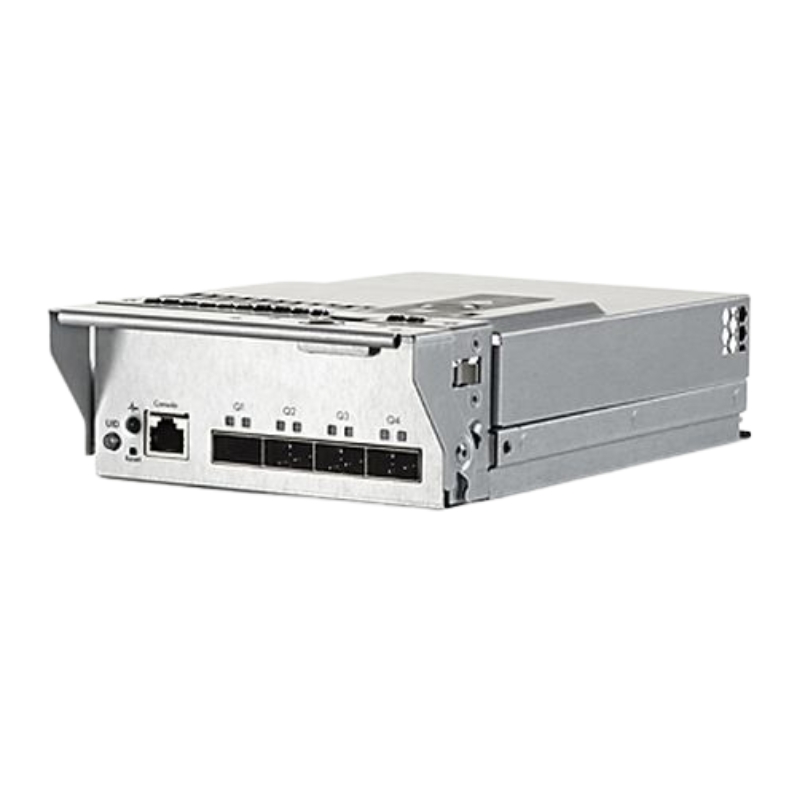


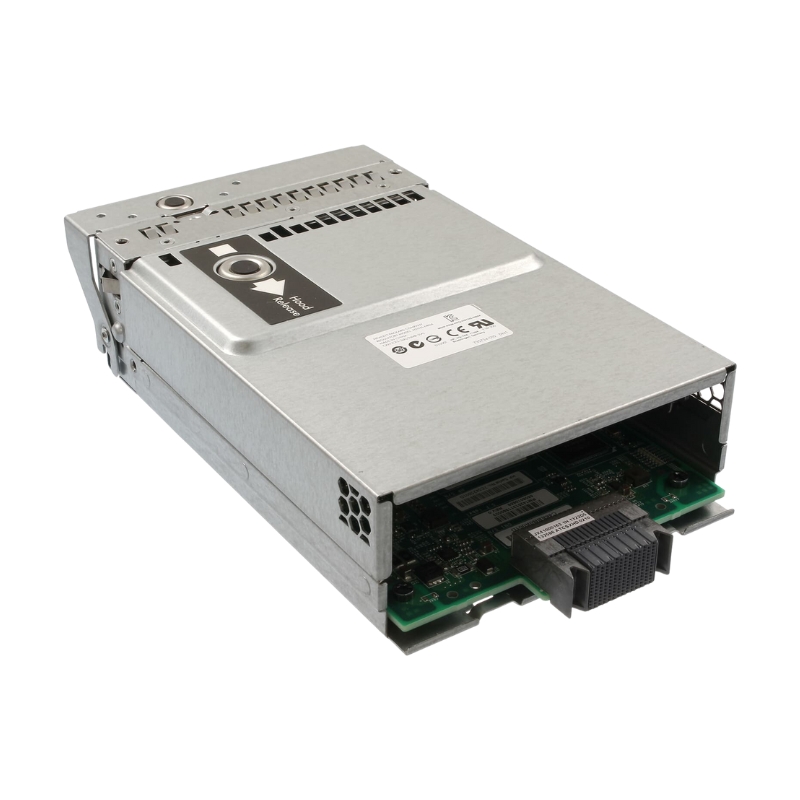
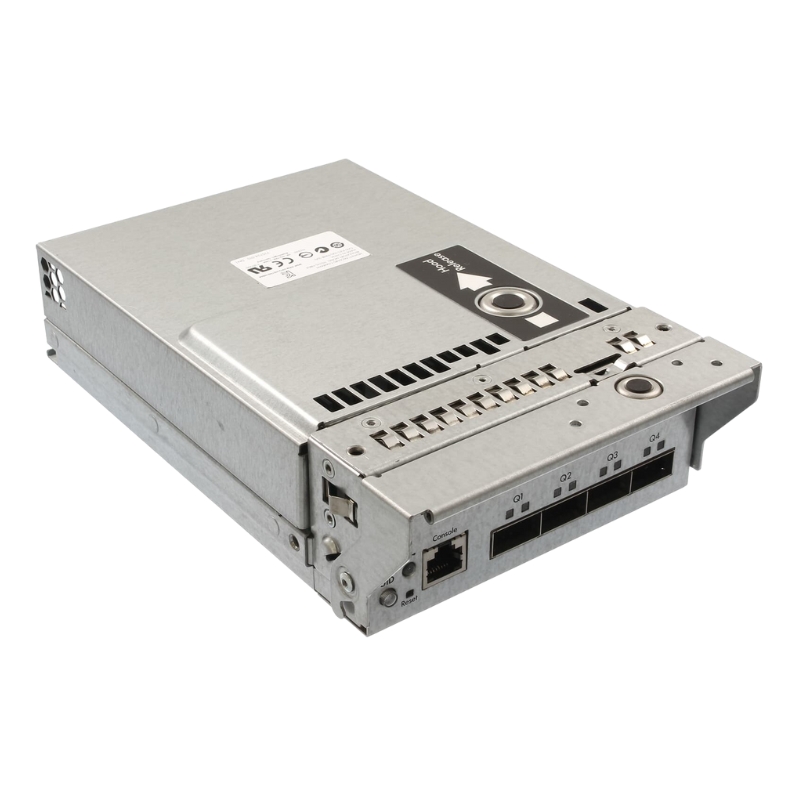
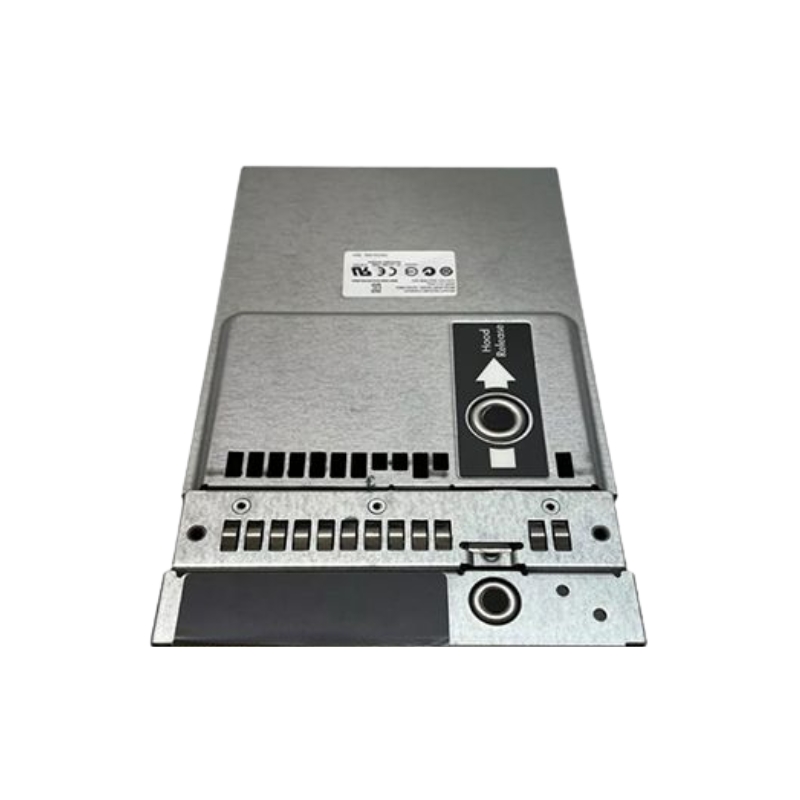
HPE 704660-001 4-Ports Moonshot Quad Small Form-factor Pluggable Plus Uplink Module Kit. Excellent Refurbished with 1 year replacement warranty
The HPE 704660-001 4-Port Moonshot Quad Small Form-factor Pluggable Plus (QSFP+) Uplink Module Kit is engineered to deliver ultra-fast uplink connectivity for enterprise-grade Moonshot environments. Designed as a compact plug-in networking module, it offers four dedicated QSFP+ interfaces that support both 10GbE and 40GbE data transmission. This makes it an ideal choice for bandwidth-intensive data centers, virtualization layers, cloud fabrics, and HPC clusters where dependable throughput and minimal latency are essential.
The HPE 704660-001 4-Ports Moonshot Quad Small Form-factor Pluggable Plus Uplink Module Kit is a specialized high-density networking connectivity solution engineered for HPE Moonshot infrastructure environments that demand scalable bandwidth, modular uplink expansion, and efficient data movement between compute cartridges, fabric modules, and upstream switching layers. In enterprise-grade composable and hyperscale architectures, uplink modules like this category are essential for maintaining predictable throughput, reducing congestion, and supporting high-performance east-west and north-south traffic patterns. Designed around Quad Small Form-factor Pluggable Plus technology, this module category supports flexible fiber and copper transceiver ecosystems, enabling organizations to adapt their Moonshot chassis networking layers to evolving workloads, virtualization clusters, software-defined infrastructure, and storage-intensive environments.
As a dedicated category within HPE Moonshot networking accessories and infrastructure modules, this product family is commonly selected by data center architects, systems integrators, hosting providers, cloud infrastructure planners, telecom edge deployment teams, and enterprise IT departments looking to optimize uplink density without sacrificing serviceability. The four-port design helps balance rack-level efficiency and cable management while maximizing the networking potential of compact Moonshot chassis deployments. This makes the category highly relevant for organizations focused on compute density, blade-style microserver scaling, and low-latency application delivery.
The HPE 704660-001 category is deeply aligned with the architectural philosophy of the HPE Moonshot platform, which emphasizes workload-specific compute cartridges, dense processing environments, and efficient shared infrastructure resources. Within this ecosystem, uplink modules are not generic networking parts; they are purpose-built interconnect components that help the chassis communicate reliably with aggregation switches, top-of-rack networking, storage fabrics, and management planes.
Because Moonshot environments often consolidate many server cartridges into a single compact chassis footprint, uplink performance becomes a strategic design factor. A quad-port SFP+ uplink module allows multiple simultaneous high-speed connections, making it suitable for virtualization clusters, VDI platforms, container orchestration nodes, content delivery edges, distributed application gateways, and analytics microservices. The category is especially valuable where organizations need granular traffic segmentation, redundant paths, VLAN isolation, or multi-tenant traffic engineering.
One of the strongest technical value points of the HPE 704660-001 4-port Moonshot uplink module category is its quad-port SFP+ architecture. Four independent uplink interfaces provide administrators with a versatile set of deployment possibilities, including link aggregation, active-active redundancy, workload segmentation, storage network separation, and management/data path isolation.
SFP+ interfaces remain widely adopted in enterprise networking because they combine compact form factor efficiency with transceiver flexibility. Users can deploy short-range optical modules for intra-rack connections, long-range fiber modules for cross-row switching, DAC cables for cost-efficient low-latency interconnects, or specialized transceivers for unique deployment needs. As a result, this category appeals to buyers seeking both performance and long-term adaptability.
This category commonly serves private cloud environments, virtualization clusters, educational research compute grids, financial transaction processing systems, telecom service nodes, CDN edge appliances, SaaS delivery infrastructure, and secure government compute platforms where rack density and reliable networking are equally critical.
Scalability is a major reason buyers search for HPE 704660-001 Moonshot uplink module solutions. Rather than deploying larger chassis or introducing separate switching hardware prematurely, organizations can leverage the quad SFP+ module category to extend the useful life and performance headroom of existing Moonshot installations.
As demand grows, the four-port design supports progressive scaling strategies. Businesses can initially light up one or two ports, then activate additional links as compute density rises. This staged growth model supports better capital planning and minimizes unnecessary overprovisioning. For managed service providers and hosting companies, this means more predictable expansion costs and easier customer onboarding.
High availability remains a core requirement in enterprise Moonshot deployments, and the HPE 704660-001 category strongly supports redundancy-focused designs. With four uplink interfaces available, architects can design resilient failover paths that reduce single points of failure. This is especially useful in clustered application environments, storage replication nodes, and business continuity architectures.
Redundant uplink mapping can be implemented across separate switches, separate fabrics, or geographically diverse rack pairs depending on the broader infrastructure strategy. The category is therefore relevant for organizations that prioritize uptime, disaster recovery readiness, and uninterrupted service delivery.
Typical redundancy strategies include active-passive uplinks, switch diversity across independent top-of-rack switches, link bundling with automatic failover, and dedicated disaster recovery replication links. These patterns help reduce maintenance risk and improve operational continuity during firmware upgrades or switch replacement events.
Cable discipline is a major challenge in high-density compute platforms, and this category supports cleaner deployment practices through its compact SFP+ port design. Compared with bulkier legacy interconnect solutions, quad SFP+ uplink modules allow better front-to-back airflow planning, more structured cable paths, and improved labeling consistency.
For colocation facilities and enterprise data centers where every rack unit matters, improved cable density directly contributes to easier troubleshooting, lower risk of accidental disconnects, and faster maintenance workflows. This makes the category highly attractive for operational teams focused on maintainability and standardized rack builds.
The HPE 704660-001 product category is best understood as part of a larger Moonshot networking ecosystem that includes chassis managers, switch modules, compute cartridges, interconnect fabrics, and external aggregation layers. Compatibility is a key search intent for buyers, and this category is commonly sourced for validated deployment in supported HPE Moonshot environments where interoperability and firmware alignment matter.
Organizations planning upgrades often evaluate this subcategory alongside Moonshot chassis expansion kits, SFP+ optics, DAC cables, managed switches, and HPE-certified networking accessories. The category therefore plays an important role in standardized procurement and lifecycle maintenance planning.


 Contact Us
 Information
 Catalog
 Solid State Drives (SSD)
 Network Switches
 Hard Disk Drives
 HBA & Controllers
 PC & Servers
 PC & Server Memory
 CPU & Processors
 Network Routers
 Power Supplies
 Tape Drives & Libraries
 Network Devices
 Computer & Network Cables