(7% discount is applied at checkout)
Cart is empty
Your go-to destination for cutting-edge server products
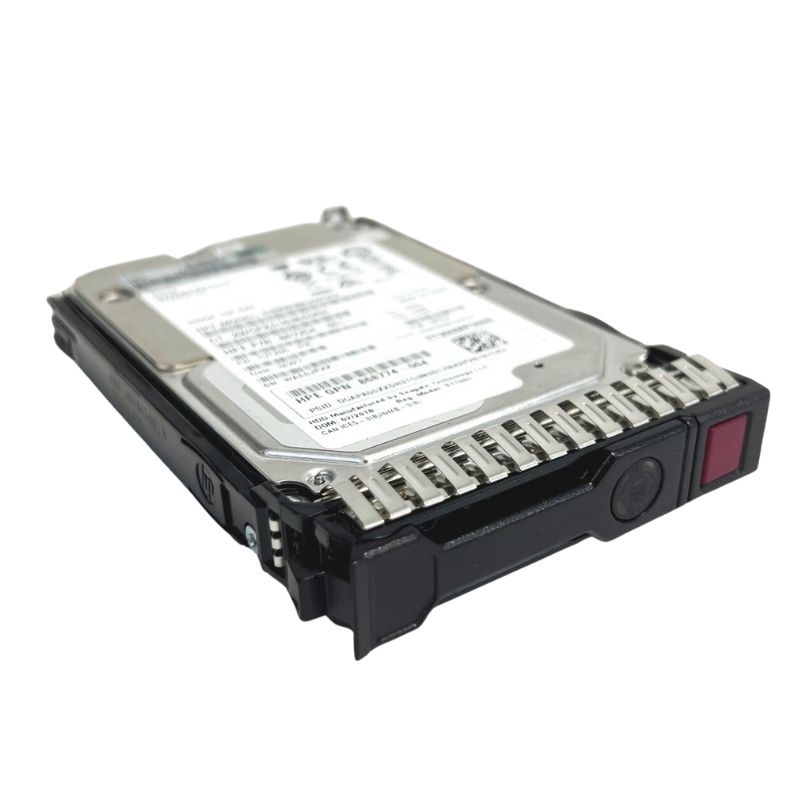


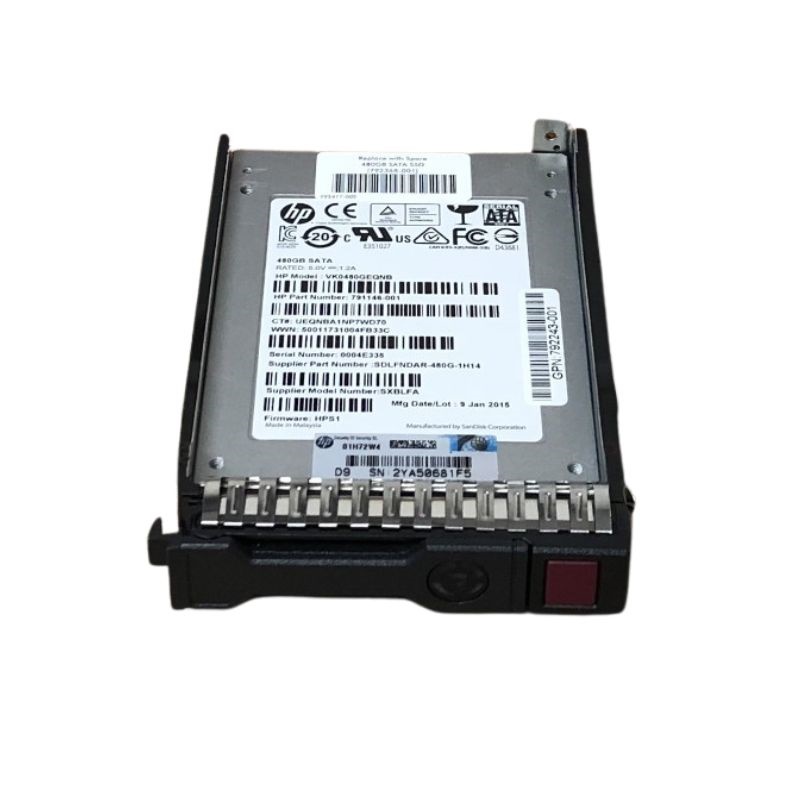
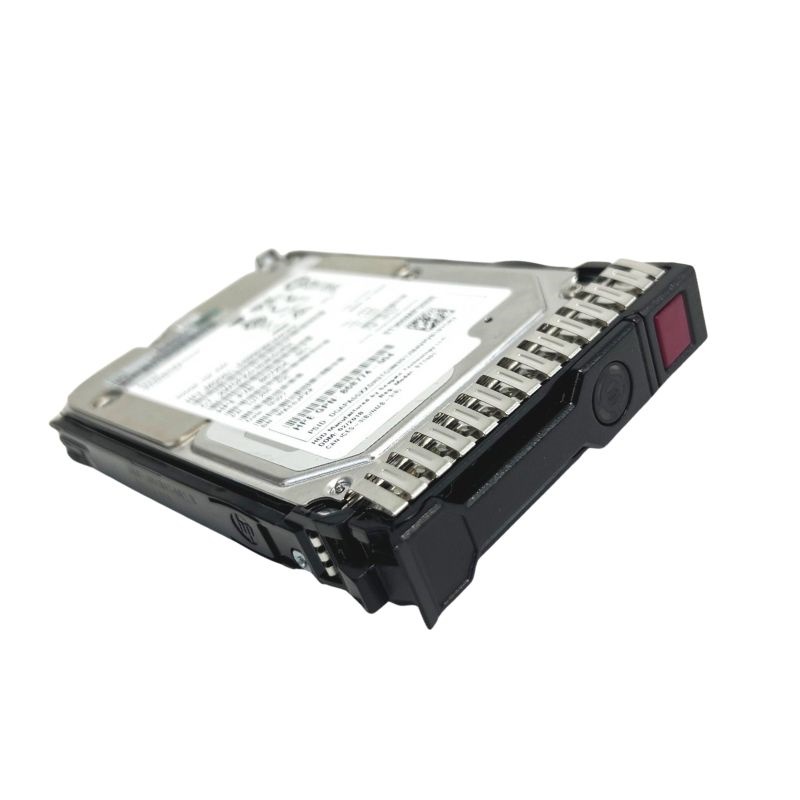
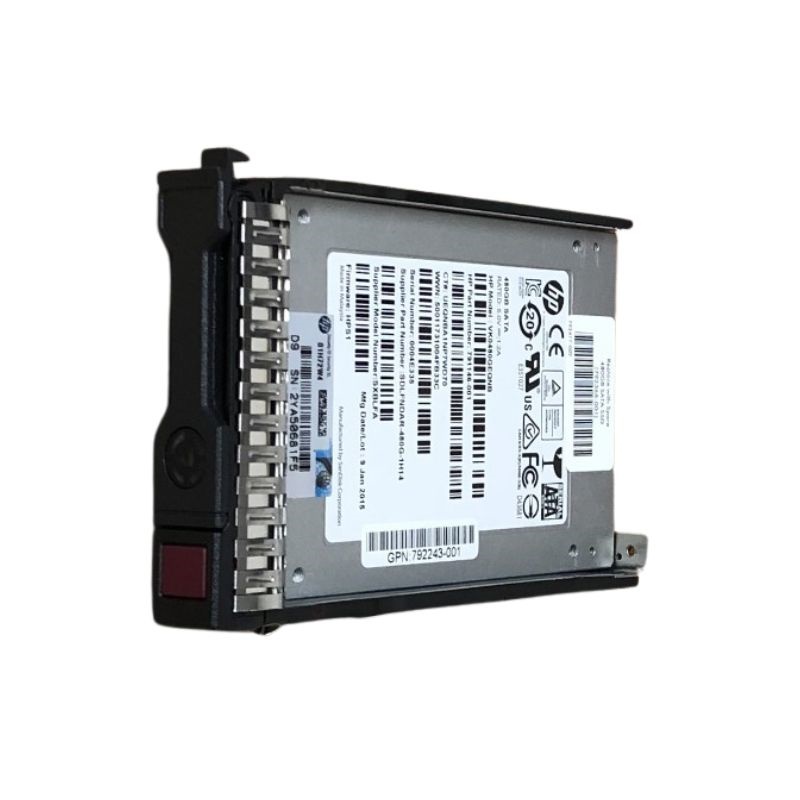
HPE 792241-B21 480GB SATA 6GBPS 0 Hours Value Endurance SFF MLC Solid State Drive. New Sealed in Box (NIB) with 3 years Warranty
The 792241-B21 HPE 480GB SATA 6Gbps Value Endurance Solid State Drive is a powerful enterprise-class storage solution designed for demanding IT environments. Built to deliver higher efficiency, enhanced reliability, and faster data access, this HPE SSD ensures optimal performance for mission-critical applications. With its compact 2.5-inch small form factor and MLC technology, it is well-suited for both large data centers and growing businesses.
The HPE 480GB SATA 6Gbps SFF SSD offers a balance between cost-effectiveness and enterprise-grade endurance. Featuring Value Endurance classification, this drive supports read-intensive workloads with consistent I/O performance. Data-heavy applications, virtualization, and online transaction processing benefit from its rapid response times and stable throughput.
This HPE SSD is recommended for:
With a 2.5-inch small form factor, the 792241-B21 drive fits seamlessly into standard server and storage configurations. Its SATA 6Gbps interface ensures smooth data transfers while remaining backward compatible with earlier SATA standards, offering flexibility for upgrades and mixed deployments. This compatibility makes it an ideal choice for IT administrators who want easy integration with existing infrastructures.
Value Endurance classification indicates that the HPE 480GB SSD is tailored for read-heavy workloads, ensuring high durability without compromising performance. MLC NAND technology provides a perfect balance between endurance and storage density, extending the drive’s life cycle compared to consumer-grade SSDs.
Unlike traditional hard drives, the HPE 480GB SSD offers no moving parts, lowering failure rates and ensuring greater resilience. Its MLC flash memory is optimized for sustained endurance, offering predictable write cycles suitable for enterprise deployment.
Businesses that need a balance between cost, endurance, and enterprise reliability can benefit greatly from the HPE 792241-B21. It brings together performance, efficiency, and flexibility, ensuring seamless integration into IT infrastructures. Its high-capacity 480GB storage size makes it a dependable option for virtualized workloads, transactional systems, and large-scale data handling.
The 792241-B21 HPE solid state drive is a purpose-built storage module designed for enterprise-class servers and storage arrays. With a nominal capacity of 480GB, a SATA 6Gbps interface and Value Endurance multi-level cell (MLC) NAND, this 2.5-inch small form factor (SFF) SSD offers a balance of endurance, performance and affordability for read-intensive and mixed workload deployments. The drive is often deployed as a system acceleration device, cache drive, boot device or for low-latency storage tiers where predictability and compatibility with HPE platforms are paramount.
The drive uses the SATA 6Gbps interface, which provides plug-and-play compatibility with most server controllers and motherboards that support SATA III. The 2.5” SFF profile makes it ideal for dense server deployments and blade systems that require low-profile storage devices. Many HPE systems accept the 2.5” SFF drive in hot-swap carriers and support drive management via Lights-Out tools and the Smart Array controllers.
MLC NAND stores two bits per cell and offers a midpoint between the cost-efficiency of TLC and the higher durability of SLC. The Value Endurance class indicates the drive is optimized for use cases where read operations dominate, but it still provides sufficient write endurance for mixed workloads in typical enterprise server environments. Value Endurance SSDs are engineered to deliver consistent performance over the life of the product while managing write amplification and wear-leveling through firmware.
While SATA 6Gbps imposes a theoretical upper bound on throughput, a well-tuned 480GB MLC SSD delivers low-latency I/O, high IOPS for small random reads, and reliable sustained throughput for sequential operations. The drive's performance is well suited to:
Enterprise SSDs such as the 792241-B21 include firmware-level features for wear leveling, bad block management, power-loss protection strategies (varies by specific model and configuration), and SMART attributes for health monitoring. Administrators can read drive health and life-used indicators through platform management tools to plan replacements proactively. HPE systems typically expose drive SMART attributes via iLO and Smart Array utilities.
A common and high-value deployment for this SSD is as a boot or OS disk. Using a fast 480GB SSD for the operating system and core applications reduces boot times, shortens maintenance cycles, and improves responsiveness compared with spinning disks. It is an economical way to increase the perceived performance of older servers without a major architecture change.
Databases that have a higher ratio of read to write operations benefit from MLC Value Endurance drives. Placing frequently accessed read-heavy tables, indices or transactional logs on the SSD tier can significantly lower query latencies and increase throughput. For mixed transactional workloads, consider workload testing to validate endurance requirements.
Virtual Desktop Infrastructure (VDI) and virtual machine hosting often suffer from random I/O storms, especially during boot and login storms. Using a pool of enterprise SATA SSDs for VM images or as cache layers can smooth these spikes and improve user experience without the higher cost of NVMe or flash arrays.
Many environments use hybrid storage architectures that combine HDD capacity tiers with SSD caching/tiering. The 792241-B21, as an affordable enterprise SATA SSD, is ideal for use in caching appliances or tiering strategies where hot data is promoted to fast media to maximize overall storage efficiency.
The 792241-B21 is designed to be compatible with a wide range of HPE ProLiant servers and HPE storage arrays that accept 2.5” SATA SFF drives. When deploying, confirm compatibility with the target server’s firmware and Smart Array controller. Many HPE platforms require the use of an HPE drive carrier or caddy for correct mechanical mounting and backplane connection. Firmware updates for HPE systems and drive firmware may be necessary to ensure full functionality and optimal performance.
When used behind hardware RAID controllers, ensure the controller supports SSD-specific features and recognizes SMART attributes. Some controllers provide SSD-specific optimization options and caching modes. In RAID arrays, plan for rebuild times, spare strategies and the implications of write amplification on endurance. For critical workloads, using RAID levels with redundancy (e.g., RAID 1, RAID 10, RAID 5/6 with careful consideration) is recommended to balance availability and capacity.
Most modern server OSes (Linux distributions, VMware ESXi, Windows Server) support SATA SSDs out of the box. However, ensure that drivers for storage controllers are up-to-date to avoid performance regressions. For virtualization platforms, consider vendor guidance on pass-through modes, datastore alignment, and sector size support when deploying SSD-backed datastores.
Advertised capacity (480GB) may differ from usable capacity reported by the OS due to formatting overhead, reserved spare area, and differences in decimal vs. binary definitions of gigabytes. Plan disk provisioning with a buffer for future growth and include space for log files, temporary files and snapshots. Over-provisioning (leaving unused space) can improve endurance and sustained performance by reducing write amplification.
Integrate drive health monitoring into your existing telemetry (Nagios, Zabbix, Microsoft SCOM, or HPE iLO/OneView) so that SMART warnings, reallocated sectors, media wear indicators and temperature alerts are visible to administrators. Regular monitoring enables preemptive replacements before drives enter failure modes that could impact availability.
Define replacement policies based on power-on hours, percentage of life used, or signs of degraded performance. For enterprise deployments, use a stock of compatible drives to minimize downtime during replacements. Maintain firmware baseline documentation and track any firmware updates recommended by HPE to avoid incompatibilities.
Proper partition alignment (4K vs. 512-byte logical sectors) reduces read-modify-write penalties and helps maintain optimal performance. Where supported by the OS and controller, enabling TRIM/discard operations helps the SSD manage garbage collection more efficiently. Note that some RAID controllers may not pass TRIM through to individual drives.
Choose filesystems and mount options tuned for SSDs—these may include disabling unnecessary synchronous writes for noncritical data, using I/O schedulers that favor reduced latency (or bypassing the scheduler for certain workloads), and employing filesystems that offer strong journaling and snapshots for recovery. Test with representative workloads to validate tuning choices.
Keep the drive within recommended temperature ranges. Enterprise server enclosures often have directed airflow and cooling designed for SFF drives; ensure blanking panels and correct carrier installation to preserve optimal airflow. Excessive heat accelerates NAND wear and increases the risk of performance throttling or failure.
Some enterprise SSDs support hardware-based encryption and cryptographic erase commands. If the specific 792241-B21 variant includes encryption features, leverage them to protect sensitive data at rest and to accelerate secure decommissioning. If not, implement OS-level or controller-level encryption to ensure compliance with data protection policies.
When retiring drives, follow organizational policies for secure wiping or cryptographic erase to prevent data recovery. Physical destruction or vendor-certified disposal procedures should be used for drives that have reached end-of-life if sensitive data cannot be reliably erased.
MLC NAND (used in this drive) tends to offer better write endurance than TLC but lower density per die, making MLC a sensible choice for value-endurance enterprise SSDs. If your environment requires higher endurance and lower latency, consider SLC (rare/expensive) or enterprise-grade NVMe drives that provide much higher IOPS and lower latency. For pure cost-sensitive capacity needs, high-capacity HDDs remain more economical but will not match SSD latency or random IOPS.
SATA SSDs like the 792241-B21 are broadly compatible with legacy controllers and offer a compelling cost-to-performance ratio for many workloads. NVMe SSDs use the PCIe bus and provide significantly higher throughput and lower latency, but they may require newer infrastructure and represent a higher cost. Choose SATA SSDs when compatibility and cost predictability matter; choose NVMe for performance-critical tiers.
When migrating an operating system or application data to the 480GB SSD, ensure source partitions fit within the target capacity. Use sector-aware cloning tools that understand drive sector sizes and alignment. After cloning, verify partition alignment and enable SSD-friendly settings in the OS, such as disabling unnecessary defragmentation and enabling TRIM where supported.
In HPE servers with hot-swap bays, replace drives with minimal downtime provided the OS and RAID configurations support hot-swapping. Always follow vendor procedures: remove the drive carrier, insert a compatible replacement, and allow the RAID controller to rebuild. Monitor rebuild progress and system logs for any anomalies.


 Contact Us
 Information
 Catalog
 Solid State Drives (SSD)
 Network Switches
 Hard Disk Drives
 HBA & Controllers
 PC & Servers
 PC & Server Memory
 CPU & Processors
 Network Routers
 Power Supplies
 Tape Drives & Libraries
 Network Devices
 Computer & Network Cables