(7% discount is applied at checkout)
Cart is empty
Your go-to destination for cutting-edge server products
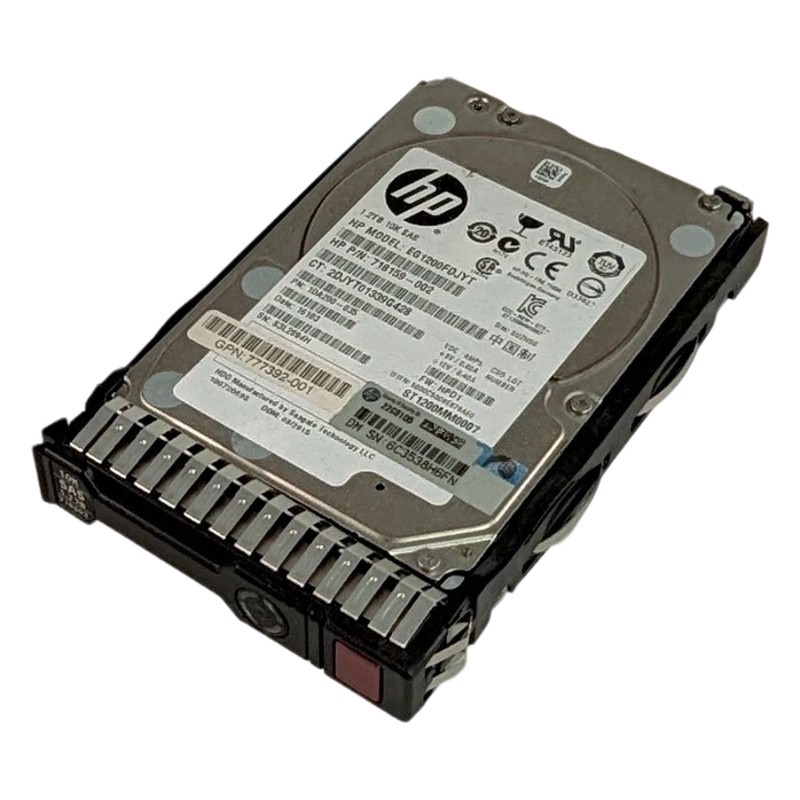


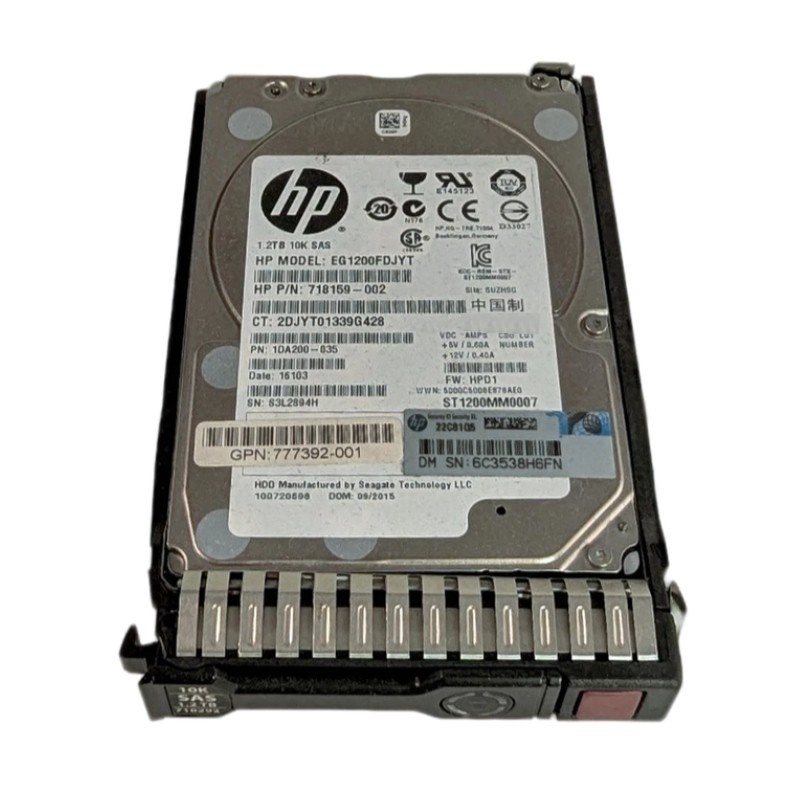
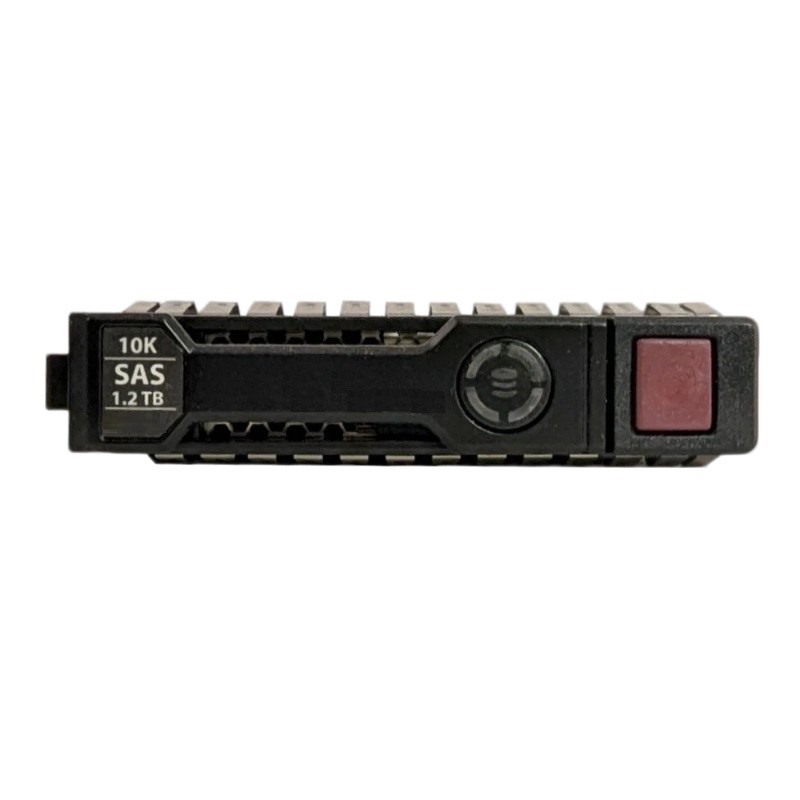
HPE 777390-B21 1.2TB 10K RPM SAS 6GBPS 2.5-inch Enterprise Internal Hard Disk Drive. Excellent Refurbished with 1 year replacement warranty
Outline of HPE 777390-B21 1.2TB SAS 6GBPS Internal HDD
The HPE 777390-B21 1.2TB 10K RPM SAS 6Gbps 2.5-inch internal hard disk drive is engineered to meet the rigorous demands of enterprise environments. Designed with precision and durability in mind, this storage solution delivers dependable data access, high-speed performance, and seamless integration into modern server infrastructures. Its compact 2.5-inch form factor ensures efficient space utilization while maintaining robust storage capabilities suitable for mission-critical workloads.
The HPE 777390-B21 1.2TB 10K RPM SAS 6Gbps 2.5-inch enterprise internal hard disk drive represents a refined balance between performance, reliability, and capacity for mission-critical environments. Designed for modern data centers and enterprise-grade server infrastructures, this category of storage solutions is engineered to handle demanding workloads such as virtualization, transactional databases, cloud computing, and large-scale data processing. Its 10K RPM spindle speed ensures faster data access compared to traditional drives, while the SAS 6Gbps interface provides a robust and stable communication channel for high-throughput operations.
The Serial Attached SCSI interface featured in this drive category is purpose-built for enterprise reliability and scalability. With a 6Gbps transfer rate, SAS technology enables consistent and sustained data throughput even under heavy workloads. Unlike consumer-grade SATA drives, SAS drives support full-duplex communication, allowing simultaneous read and write operations that significantly enhance performance in multi-user environments. The HPE 777390-B21 benefits from this architecture by ensuring seamless integration with enterprise RAID controllers and backplanes.
One of the defining characteristics of SAS drives is their dual-port capability. This feature allows the drive to connect to two separate controllers simultaneously, ensuring continuous data access even in the event of a controller failure. In enterprise systems where uptime is critical, this redundancy plays a vital role in maintaining uninterrupted service delivery. The HPE 777390-B21 leverages this capability to support high-availability configurations commonly found in enterprise storage arrays.
Efficient data path management ensures that workloads are balanced across multiple channels, reducing latency and preventing bottlenecks. The SAS interface dynamically manages command queues and prioritizes operations, enabling faster response times and improved system efficiency. This makes the drive particularly suitable for environments where consistent performance is required.
The 10,000 revolutions per minute spindle speed is a key factor that distinguishes enterprise SAS drives from lower-tier storage solutions. This increased rotational speed reduces seek times and latency, resulting in faster data retrieval and improved application performance. For workloads such as database indexing, virtualization, and transactional processing, the speed advantage of 10K RPM drives like the HPE 777390-B21 becomes critical.
Lower latency translates directly into better application responsiveness. With reduced rotational delay and optimized seek algorithms, this category of drives delivers consistent performance even under high I/O demand. This is particularly important in enterprise environments where multiple applications access the same storage simultaneously.
Enterprise hard drives are designed to maintain performance consistency regardless of workload intensity. The HPE 777390-B21 ensures stable throughput and minimal performance degradation during peak usage periods, making it ideal for data centers that operate around the clock.
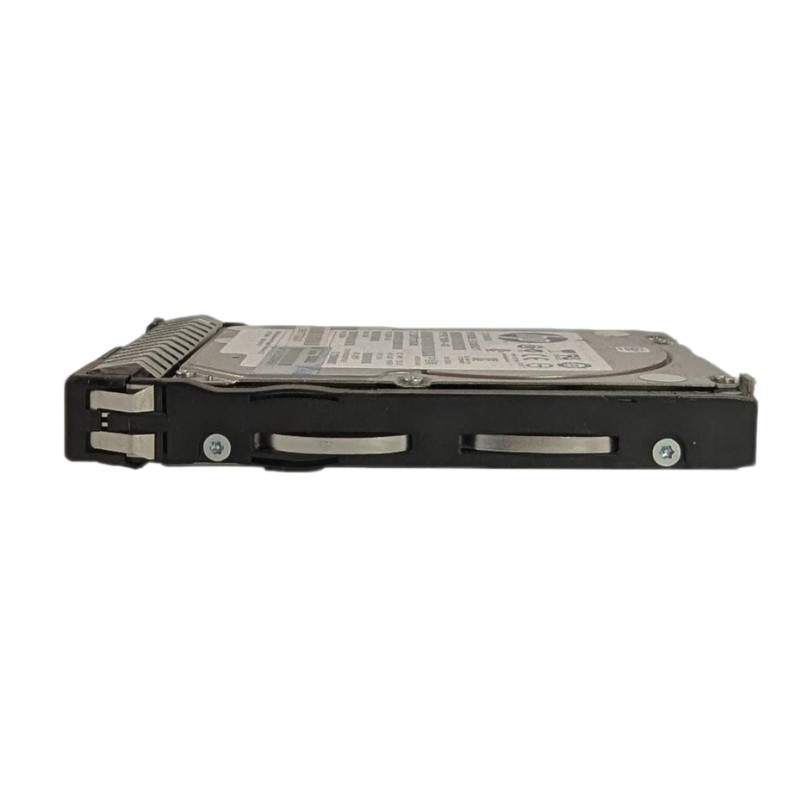
The 2.5-inch small form factor design allows for higher storage density within server racks and storage enclosures. Compared to larger 3.5-inch drives, these compact drives enable organizations to deploy more storage capacity in a limited physical space. This is particularly beneficial for data centers aiming to optimize rack utilization and reduce operational costs.
Smaller form factor drives contribute to improved airflow within server chassis, which in turn enhances cooling efficiency. Lower operating temperatures help extend the lifespan of components and reduce the risk of thermal-related failures. The HPE 777390-B21 is engineered to operate efficiently within tightly packed environments, ensuring reliable performance without excessive heat generation.
As data demands continue to grow, scalability becomes a critical requirement. The compact design of 2.5-inch drives allows for flexible scaling strategies, enabling organizations to expand storage capacity without significant infrastructure changes. This adaptability makes the drive suitable for evolving enterprise needs.
Reliability is a cornerstone of enterprise storage solutions. The HPE 777390-B21 is built with advanced error correction mechanisms, vibration tolerance, and robust firmware to ensure long-term durability. These drives undergo rigorous testing to meet enterprise standards, ensuring consistent performance and minimal risk of data loss.
Sophisticated error correction algorithms detect and correct data inconsistencies in real time, safeguarding data integrity. This is essential for applications where accuracy is paramount, such as financial systems and healthcare databases.
In high-density storage arrays, vibrations from adjacent drives can impact performance and reliability. Enterprise drives are designed to withstand these conditions, maintaining stability and performance even in densely populated systems.
With a capacity of 1.2TB, the HPE 777390-B21 strikes a balance between storage volume and performance. This capacity is ideal for organizations that require fast access to frequently used data while maintaining sufficient storage space for critical applications. It supports a wide range of use cases, from database storage to virtualization platforms.
The drive’s capacity allows for efficient data organization and management, enabling administrators to allocate resources effectively. This helps optimize storage utilization and reduce unnecessary overhead.
In tiered storage environments, 10K RPM SAS drives often serve as a middle tier between high-speed SSDs and high-capacity nearline drives. This positioning allows organizations to achieve an optimal balance between performance and cost.
The HPE 777390-B21 is designed for seamless integration with enterprise servers and storage systems. Compatibility with RAID configurations ensures data protection and performance optimization. The drive works efficiently within various RAID levels, providing redundancy and improved read/write speeds.
RAID configurations enhance data reliability by distributing data across multiple drives. This not only improves performance but also provides redundancy in case of drive failure. The HPE 777390-B21 supports a wide range of RAID levels, making it a versatile choice for enterprise storage solutions.
Hot-swappable design allows administrators to replace drives without shutting down the system. This minimizes downtime and ensures continuous operation, which is critical for business-critical applications.
Energy efficiency is a key consideration in modern data centers. The HPE 777390-B21 is designed to deliver high performance while minimizing power consumption. This helps reduce operational costs and supports environmentally sustainable practices.
Advanced power management features ensure that the drive operates efficiently under varying workloads. This reduces energy usage without compromising performance, making it an economical choice for large-scale deployments.
The versatility of the HPE 777390-B21 makes it suitable for a wide range of enterprise applications. Its performance characteristics and reliability make it an ideal choice for mission-critical workloads that demand consistent and high-speed data access.
In virtualized environments, storage performance directly impacts the efficiency of virtual machines. The drive’s high-speed capabilities ensure smooth operation and quick data access, supporting dynamic workloads in cloud infrastructures.
For database applications, low latency and high throughput are essential. The HPE 777390-B21 delivers the performance required to handle complex queries and high transaction volumes, ensuring reliable operation of critical business systems.
Investing in enterprise-grade storage solutions like the HPE 777390-B21 ensures long-term reliability and adaptability. As data requirements evolve, these drives provide the performance and scalability needed to support future growth. Their compatibility with existing infrastructure and advanced features make them a valuable asset for organizations looking to maintain a competitive edge.
The drive’s design allows it to integrate with emerging technologies and evolving storage architectures. This ensures that organizations can leverage new advancements without replacing existing infrastructure.


 Contact Us
 Information
 Catalog
 Solid State Drives (SSD)
 Network Switches
 Hard Disk Drives
 HBA & Controllers
 PC & Servers
 PC & Server Memory
 CPU & Processors
 Network Routers
 Power Supplies
 Tape Drives & Libraries
 Network Devices
 Computer & Network Cables