(7% discount is applied at checkout)
Cart is empty
Your go-to destination for cutting-edge server products
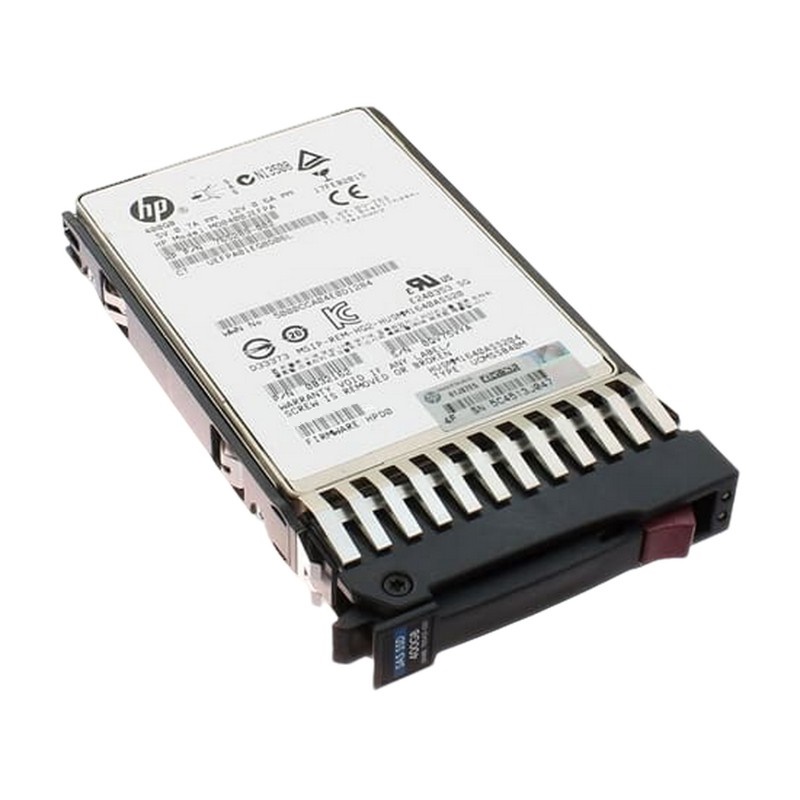


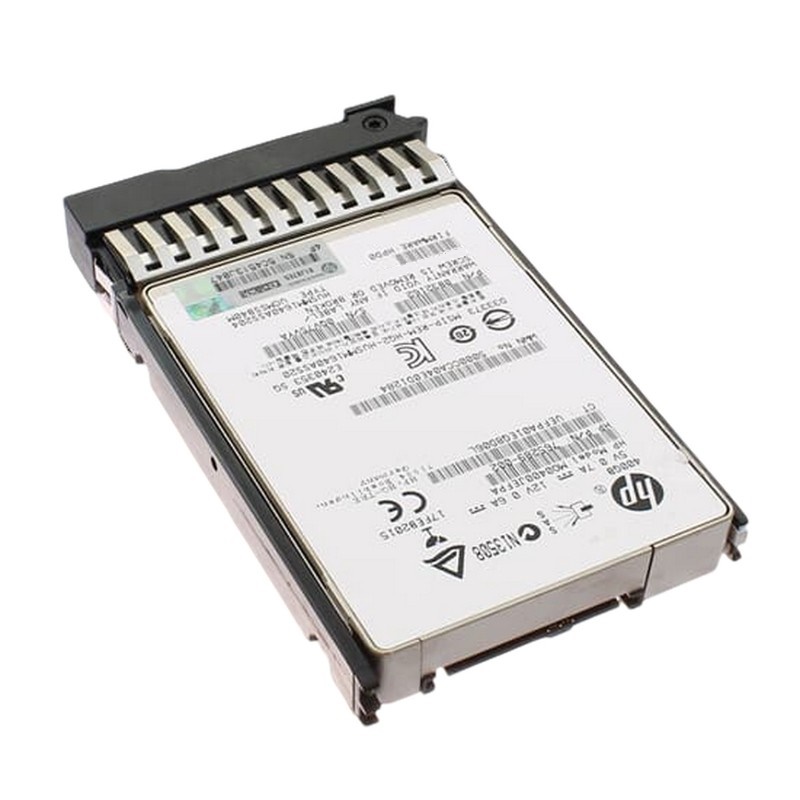
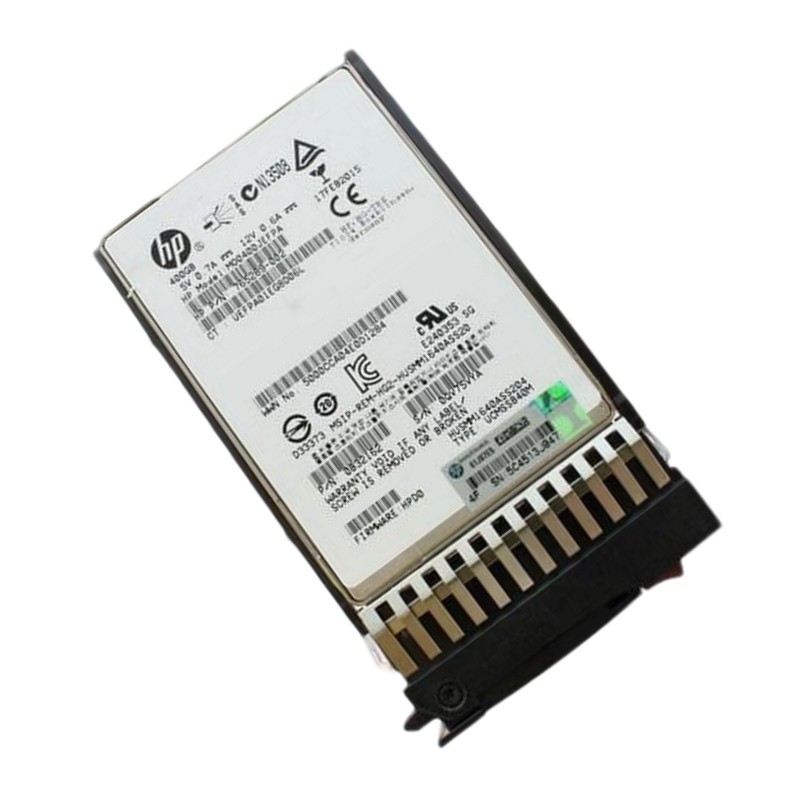
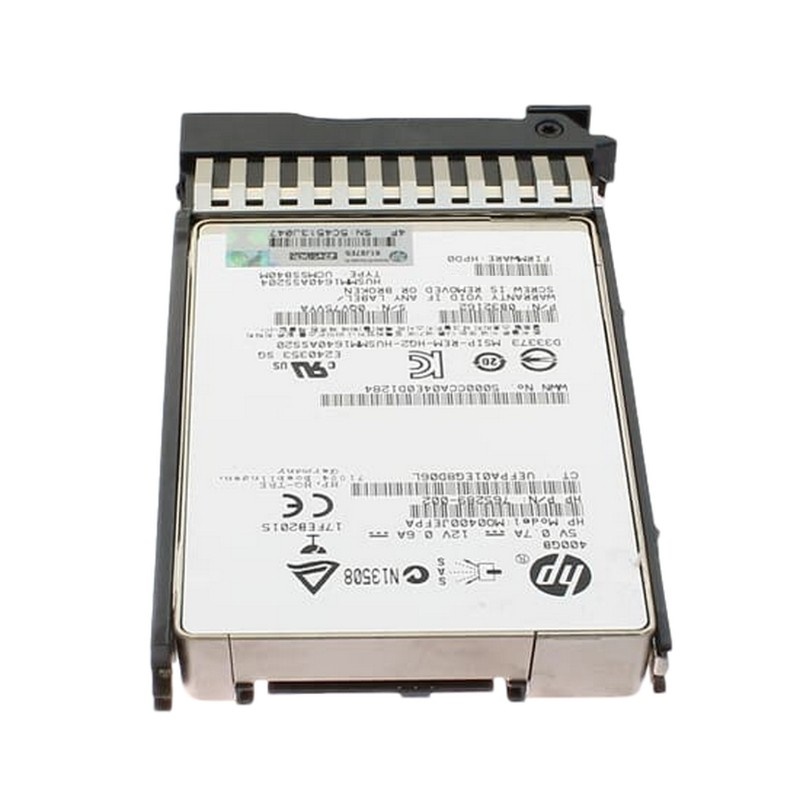
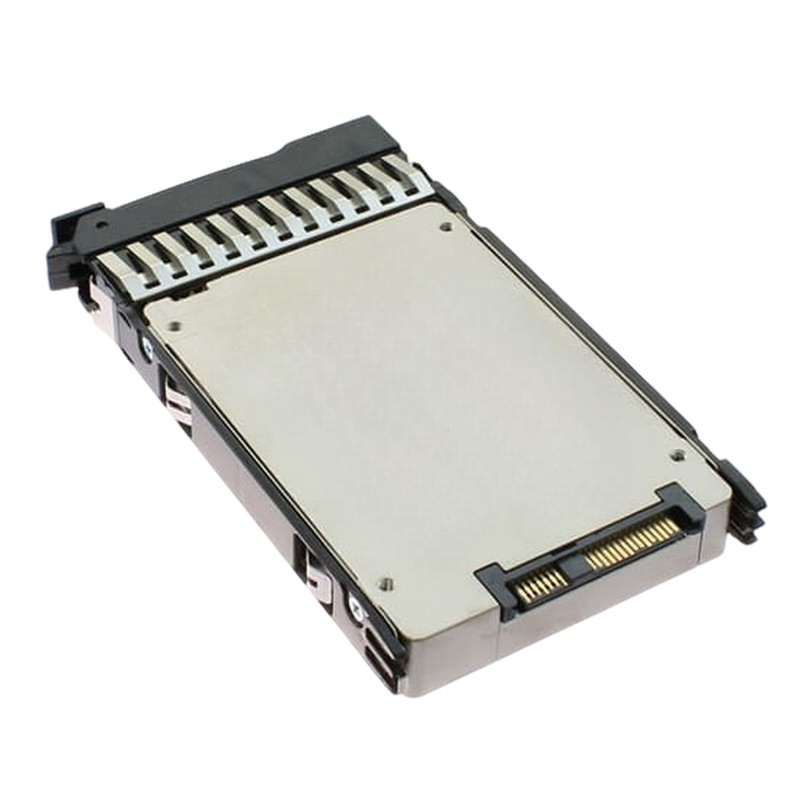
HPE 780431-001 400GB MLC SAS 12GBPS Mainstream Endurance 2.5-inch Internal Solid State Drive. Excellent Refurbished with 1 year replacement warranty
Discover the key features and technical details of this high-performance enterprise storage solution.
780431-001 HPE 400GB MLC SAS 12Gbps Mainstream Endurance 2.5-inch Internal Solid State Drive represents a focused enterprise storage solution engineered for mixed workload environments where balance between performance, endurance, and cost matters. Designed to sit in 2.5-inch drive bays of HPE ProLiant servers and compatible storage arrays, this SSD combines Multi-Level Cell (MLC) flash with a 12Gbps Serial Attached SCSI (SAS) interface to deliver predictable throughput, reduced latency, and consistent quality of service in mainstream data center roles.
At the core of the 780431-001 is MLC NAND flash, selected to provide a solid compromise between write endurance and cost per gigabyte. The 400GB logical capacity is optimized for system-level caching, boot volumes, virtual machine images, and read-intensive or mixed IO patterns. The 12Gbps SAS interface offers dual-port accessibility, enterprise-class signaling, and native error handling features such as end-to-end data protection and power loss protection when combined with controller and system-level support. The 2.5-inch form factor enables high density within modern rack deployments and interchangeability across many enterprise servers that follow common SFF (small form factor) standards.
The drive’s controller is tuned for consistent performance across varied IO sizes and queue depths typical in virtualization, database, and file-serving roles. Firmware-level features focus on wear leveling, garbage collection, and over-provisioning management to maintain steady write performance throughout the device’s service life. Advanced firmware can also incorporate telemetry counters and SMART attributes that administrators use to monitor remaining life, error rates, and other operational health indicators.
This HPE SSD is designed to comply with typical server power envelopes for 2.5-inch drives. Thermal profiles are tuned to avoid performance throttling within the expected inlet temperature ranges of enterprise racks. In dense compute/storage nodes, administrators should ensure adequate airflow and observe drive temperature telemetry to prevent thermal-induced performance variability.
With a 12Gbps SAS connection, sequential throughput and random IO performance are strong for mainstream enterprise tasks. Sequential read and write throughput can assist in large-file transfers and bulk data movement, while robust random IOPS characteristics provide snappy response for metadata-heavy workloads and small-block database access. The MLC media offers superior read performance and a respectable write endurance profile for mainstream endurance requirements. Consistency of latency is a major benefit: predictable response times reduce tail-latency issues for multi-tenant virtualized environments.
This drive targets environments where mixed reads and writes are typical. Use cases include virtual machine boot and swap, database log and index storage, tiered caching layers, and hypervisor-related metadata. The firmware’s garbage collection heuristics aim to minimize write amplification during sustained mixed writes, ensuring that performance does not degrade prematurely under long-running workloads.
For OLTP databases where write durability and predictable latency are critical, the 780431-001 delivers stable read latencies and dependable write behavior for mainstream endurance classes. For read-optimized analytics nodes, its fast read performance and low latency contribute to faster query results. In virtual desktop infrastructure and VDI, the drive’s random IO efficiency significantly improves user login storms and desktop boot sequences.
Mainstream endurance classification indicates that the 780431-001 is designed to handle moderate sustained write workloads over its warranted lifetime. Endurance metrics—expressed in drive writes per day (DWPD) or total terabytes written (TBW)—are engineered to meet enterprise expectations for predictable replacement cycles and warranty coverage. Enterprise-level reliability is further enforced through features such as error correction code (ECC), power failure protection, and robust SMART reporting.
Over-provisioning is a critical mechanism for modern SSD longevity and consistent performance. The drive ships with a portion of its raw flash reserved for background maintenance tasks, wear leveling, and block retirement. Proper configuration at the host and RAID controller level, including alignment and trimming support, helps the drive maintain its endurance and reduces write amplification. Administrators should enable host TRIM/UNMAP where supported by the stack to improve long-term write efficiency.
End-to-end data protection techniques help ensure that data written to the drive reaches the media intact. The drive’s internal ECC, combined with the SAS protocol’s LP (Link Protocol) protections and host-level checksums in modern storage stacks, reduces the chance of silent data corruption. Power loss protection elements—capacitors and firmware routines—work to flush in-flight data to NAND in the event of sudden loss of drive power, protecting against partial writes and metadata inconsistency.
780431-001 is part of HPE’s qualified component ecosystem for ProLiant rack and blade servers, storage enclosures, and converged systems. When deployed in HPE-certified servers and arrays, the drive benefits from integrated management, firmware update flows, and warranty support coordinated through HPE’s service channels. Compatibility matrices and server firmware versions should be checked prior to large scale rollouts to ensure maximum stability and access to management features via HPE iLO and Smart Storage Administrators.
Keeping firmware current on both host controllers and the SSD itself is essential for security, performance, and reliability. HPE often publishes firmware bundles that coordinate controller and storage device updates to ensure interoperability. System administrators should follow HPE’s recommended update cycles and test firmware in staging environments before broad deployment.
As a hot-pluggable 2.5-inch enterprise drive, the 780431-001 supports online replacement and RAID rebuild operations when used in compliant enclosures and backplanes. RAID rebuild times, rebuild impact on performance, and controller cache settings must be planned for to minimize exposure during degraded array states. Using RAID levels and spare policies that align with the drive’s endurance profile and rebuild characteristics will improve overall array resilience.
This SSD is ideal for mainstream tiers in multi-tier storage architectures. It functions as a performant layer for operating system volumes, application caches, and mixed workload VM hosting. The blend of MLC flash and SAS interface is particularly useful where performance and enterprise-grade connectivity are required without the premium cost of higher-end endurance classes. Typical deployments include scale-out virtualization clusters, mid-range database nodes, VDI pools, and storage appliance cache tiers.
Using the 780431-001 for boot volumes accelerates system start times, reduces time-to-boot for multiple servers in parallel, and enhances administrative tasks such as rapid OS deployment. When paired with server management tooling, administrators can centrally manage OS images and accelerate provisioning workflows.
In hybrid storage arrays and software-defined storage stacks, this drive works well as an intermediate tier between high-capacity HDD storage and ultra-low-latency NVMe tiers. Its predictable read/write mix handling makes it suitable to absorb hot data and serve it faster than spinning disks, improving overall application responsiveness while controlling costs.
Compared with consumer SATA SSDs, the 780431-001 offers enterprise-grade telemetry, dual-port SAS connectivity, and firmware designed for multi-user server environments. Versus NVMe drives, SAS drives typically have higher latency ceilings but excellent compatibility with existing server backplanes and RAID controllers. Against higher endurance enterprise SSDs, mainstream endurance models trade some write endurance for lower cost, making them fit for use cases without extremely high sustained writes.
MLC NAND typically provides superior write endurance and performance consistency relative to TLC (triple-level cell) and QLC (quad-level cell). For workloads that include frequent small writes and require lower latency variance, an MLC-based drive can be a better choice. However, for cold storage or strictly read-heavy archival tiers, higher-density TLC or QLC media might be more cost-effective.
SAS provides enterprise features like dual-port access and robust protocol-level error handling that SATA lacks, while NVMe offers higher throughput and lower latency over PCIe. Many data centers maintain SAS infrastructure for broad compatibility and proven reliability; the 12Gbps SAS 780431-001 fits well into that ecosystem. Select based on your server backplane support, controller compatibility, and the balance between investment in NVMe upgrades versus leveraging existing SAS infrastructure.
To get the most from 780431-001 drives, administrators should apply specific operational practices. Monitor SMART attributes and HPE system logs to identify early signs of wear or errors. Maintain firmware update discipline and ensure system-level backups and snapshots are in place to guard against unexpected failures. When deploying at scale, stagger firmware updates and run performance validation passes to detect incompatibilities before production cutover.
Plan capacity with realistic growth expectations and factor in over-provisioning needs for endurance. Consider reserving additional drives as cold spares to minimize procurement delays. When used in RAID configurations, account for usable capacity after parity and spare allocation. Regularly review workload profiles to determine if drives should be reallocated to more suitable tiers as usage patterns evolve.
Enterprise SSDs often include features that support data security and regulatory compliance. Model-specific capabilities may include self-encrypting drive (SED) options, TCG Opal or enterprise-class encryption, and secure erase commands to sanitise drives before repurposing or disposal. For regulated industries, the ability to cryptographically erase or secure the drive can simplify compliance with data privacy standards.
When decommissioning drives, follow certified sanitization processes. If the drive supports hardware encryption, cryptographic erase is a fast method to render data unrecoverable when used in accordance with vendor guidance. For full assurance, combine hardware secure erase with documented procedures and retention of wipe logs where regulatory compliance demands an audit trail.
Plan lifecycle replacement windows based on endurance estimates and monitoring data. Coordinate fleet-wide refreshes to avoid piecemeal maintenance disruptions. Maintain a small pool of spares matched to firmware and model revisions to facilitate seamless swaps during maintenance events.
Before deploying broadly, validate the drive under real-world loads representative of your environment. Run endurance and performance benchmarks, simulate failure modes, and measure rebuild times in your RAID configurations. QA testing helps reveal interactions with specific controllers, backplanes, and operating system stacks, reducing surprises after production deployment.


 Contact Us
 Information
 Catalog
 Solid State Drives (SSD)
 Network Switches
 Hard Disk Drives
 HBA & Controllers
 PC & Servers
 PC & Server Memory
 CPU & Processors
 Network Routers
 Power Supplies
 Tape Drives & Libraries
 Network Devices
 Computer & Network Cables