(7% discount is applied at checkout)
Cart is empty
Your go-to destination for cutting-edge server products
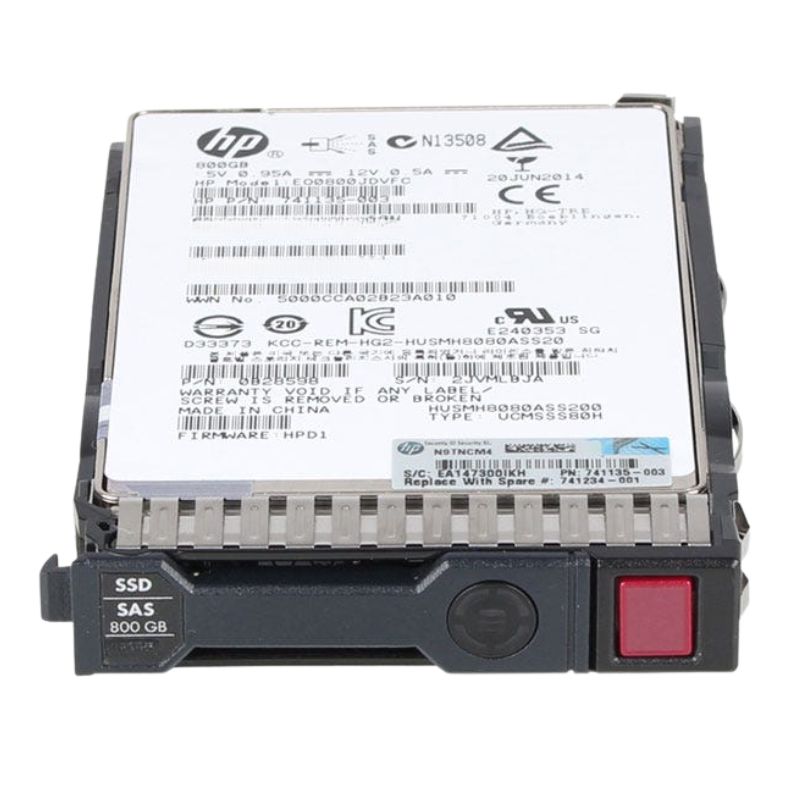


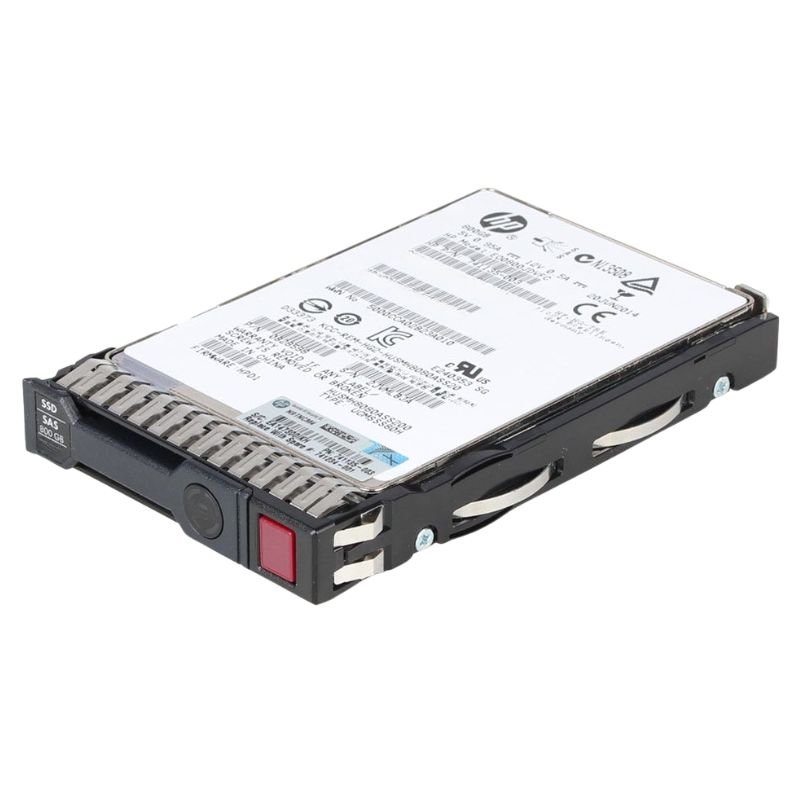
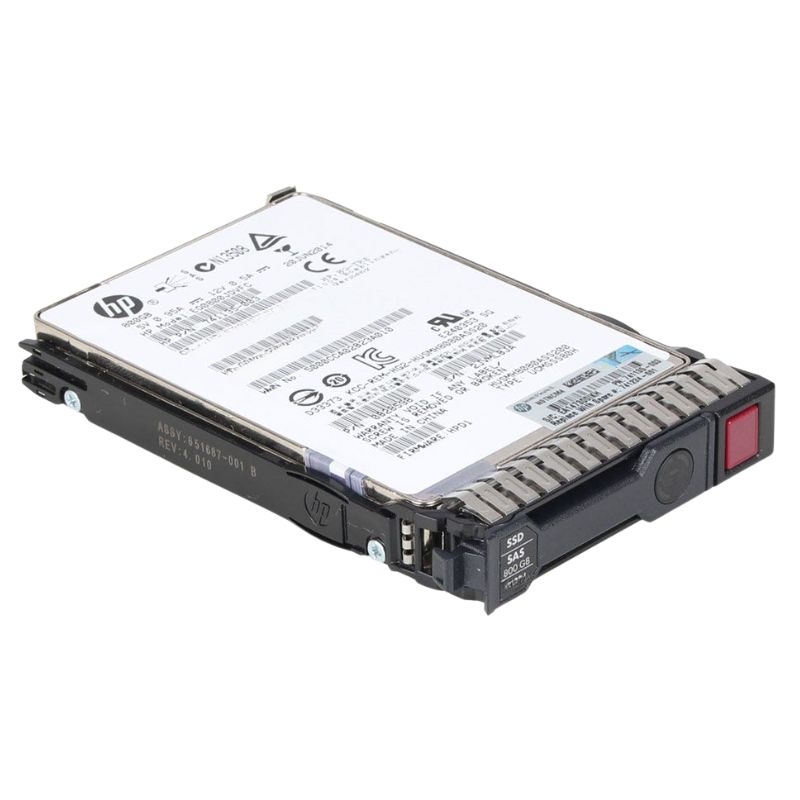
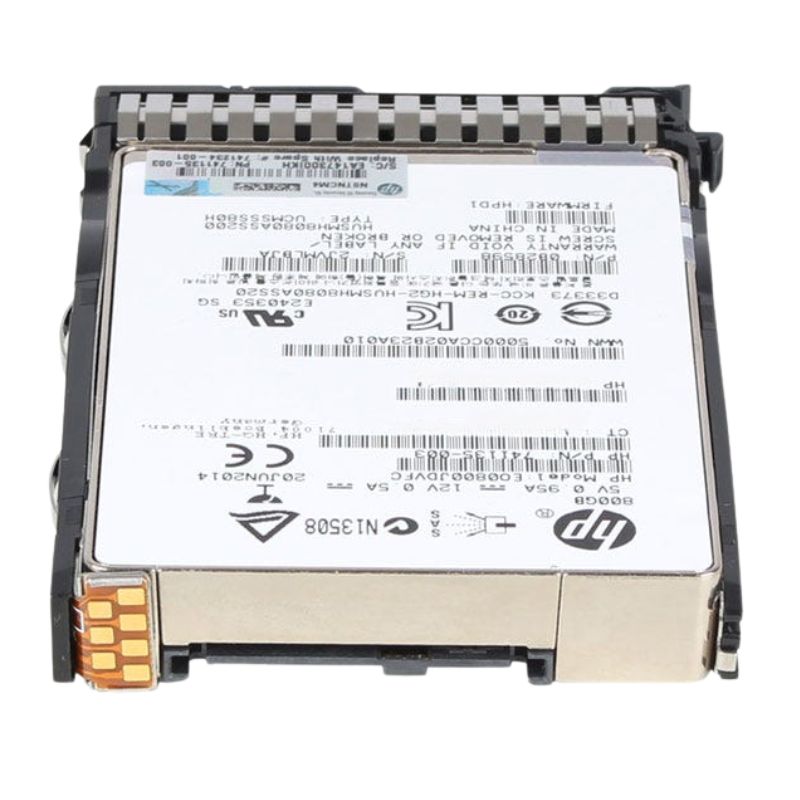
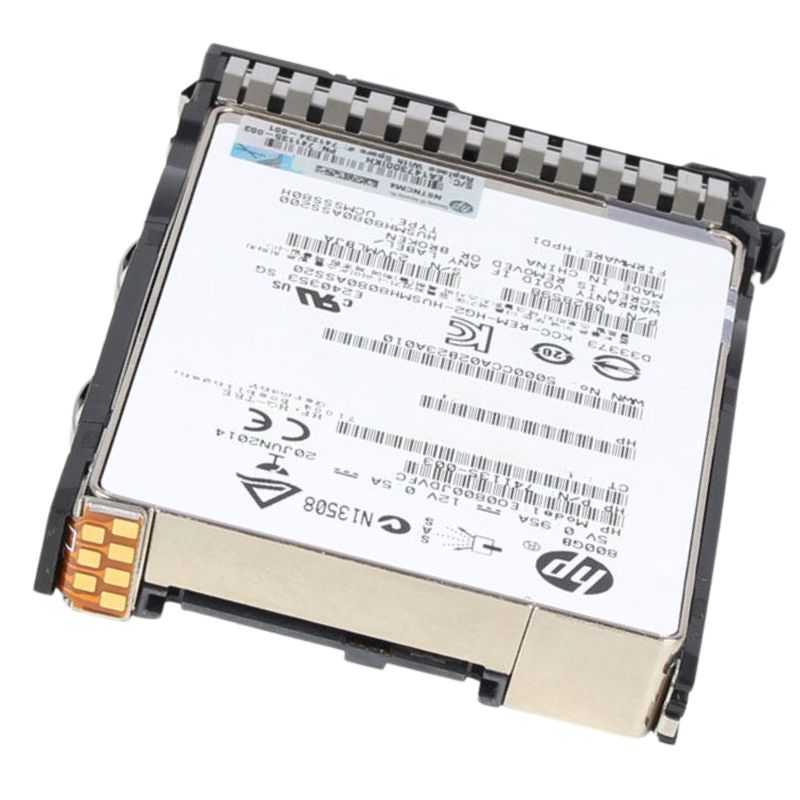
HPE 849476-001 D6020 800GB SAS 12GBPS 3.5 Inch LFF Mixed Use (MU) Solid State Drive. Excellent Refurbished with 1 year replacement warranty
The HPE 849476-001 D6020 delivers 800GB of storage capacity, optimized for enterprise workloads that require both read and write balance. Built on SAS architecture, it ensures reliable data handling while maximizing throughput for mission-critical operations.
This enterprise SSD utilizes a SAS 12Gbps interface, designed to support demanding data center environments. It seamlessly integrates with HPE servers and storage arrays, ensuring stable and efficient connectivity.
The HPE 849476-001 features a 3.5-inch LFF design, allowing easy integration into enterprise storage enclosures. Its hot-swappable configuration minimizes downtime and supports continuous operations in mission-critical setups.
This HPE SSD is engineered with eco-friendly standards, consuming less power while maintaining top-tier performance. Its energy-conscious design helps reduce operational costs in large-scale deployments.
Engineered for data-intensive workloads, the HPE 849476-001 ensures reliability, speed, and endurance. Whether deployed in servers, SAN storage, or mission-critical applications, it provides a consistent performance level suitable for enterprise needs.
The HPE 849476-001 D6020 800GB SAS 12Gbps 3.5 Inch LFF Mixed Use (MU) Solid State Drive category represents a focused segment of enterprise storage designed for dense, high-throughput server and storage-array deployments. These drives are built to meet the performance and endurance needs of mixed-use workloads that combine read-intensive and write-intensive I/O patterns, offering predictable latency, strong random I/O performance, and enterprise-class reliability. Within this category, the combination of an 800GB capacity, the 3.5 inch LFF form factor, and SAS 12Gbps interface makes these SSDs especially suitable for legacy LFF storage enclosures like HPE D6020 disk shelves and for modern hybrid arrays that require high-performance caching layers or tiered storage strategies.
The 3.5 inch LFF (Large Form Factor) specification is central to this category’s appeal because it allows higher physical compatibility with a wide range of enterprise chassis and legacy disk cages that expect LFF drives. While many modern SSDs adopt 2.5 inch form factors, the HPE 849476-001 D6020 drives provide a drop-in solution for organizations that prefer LFF bays for airflow, density, or existing rack investments. The SAS 12Gbps interface is engineered for enterprise-grade connectivity with dual-port capability for redundancy and multipath I/O. SAS 12Gbps delivers sustained throughput that is superior to SATA in multi-initiator environments, making these SSDs ideal for clustered storage, SANs, and direct-attach enclosures where multiple hosts may access the array concurrently.
An 800GB capacity strikes a practical balance between usable space and predictable performance for mixed-use workloads. In hybrid storage architectures, drives of this size often serve as primary tier components for frequently accessed datasets or as an intermediate tier for performance-sensitive databases, virtual machine boot volumes, or metadata stores. The usable 800GB allows significant consolidation while keeping high IOPS per dollar when compared to smaller enterprise SSDs, especially in deployments that benefit from fewer devices with higher capacity per bay.
Mixed-use (MU) SSDs in this category are engineered to provide a sustained performance envelope under mixed read/write ratios common in virtualization, database operations, and general-purpose enterprise workloads. These drives typically deliver high random read IOPS and robust random write performance while preserving consistent latency under concurrent access. The SAS 12Gbps physical link ensures that large sequential transfers and bursty workloads can be accommodated without saturating the channel, reducing the risk of I/O queuing and service degradation during peak demand cycles.
For virtualization platforms and VDI infrastructures, predictable small-block random I/O is critical. The HPE 849476-001 D6020 800GB MU SSDs provide the consistent low-latency characteristics necessary for boot storms, login storms, and general VM churn. Placing these SSDs as the primary storage layer for high-density VM hosts or as a cache layer in front of high-capacity spinning media can dramatically reduce application response times and increase the number of supported concurrent VMs per host.
Transactional databases that combine frequent small writes with consistent reads are a natural fit for mixed-use SSDs. The 800GB capacity is large enough to host hot partitions, transaction logs, or index structures that must be accessed repeatedly with low latency. When deployed in RAID groups or as part of an All-Flash Array (AFA) configuration, these drives help maintain high transaction throughput while supporting enterprise features such as snapshots, replication, and deduplication at the system level.
The HPE D6020 enclosure is commonly used in enterprise environments for array expansion. SSDs compatible with this shelf, such as the HPE 849476-001, are used to build balanced storage systems that combine capacity and performance. In practice, organizations will use these 3.5 inch MU SSDs in homogeneous groups for predictable performance scaling or intermix them in hybrid pools to accelerate specific workloads. Their dual-port SAS connectivity pairs effectively with multipathing software and storage controllers to ensure high availability and fault tolerance in clustered storage configurations.
Mixed-use SSDs are specified with endurance ratings tailored to typical enterprise mixed workloads. Endurance metrics such as Drive Writes Per Day (DWPD) or Total Bytes Written (TBW) reflect how these drives manage write amplification, wear leveling, and garbage collection over their service life. For HPE 849476-001 drives, endurance is balanced to support frequent transactional writes while maintaining steady performance, allowing IT teams to confidently place mission-critical data on flash rather than risking early retirement due to excessive write wear.
Enterprise SSDs often include power loss protection circuitry and capacitors designed to flush volatile write caches to NAND in the event of sudden power interruption. For storage arrays like the HPE D6020, combining drives that support such protections with robust controller-level integrity features reduces the chance of data corruption during unplanned outages. End-to-end data path protection, including CRC checks and error-correcting code (ECC) at the drive level, further improves the category’s suitability for critical applications.
Firmware is a crucial differentiator in enterprise SSDs because it governs wear-leveling algorithms, garbage collection behavior, and performance stability over time. HPE-branded or validated drives typically include firmware that is tested with HPE server and storage controllers, enabling seamless integration and reducing compatibility issues. In addition, SMART telemetry and vendor-specific health indicators provide early warnings of drive deterioration, allowing administrators to take preemptive action before failures occur. When combined with monitoring solutions, these telemetry streams allow for predictive failure analysis and smoother maintenance windows.
SAS 12Gbps drives such as those in this category are supported by a wide range of HBA and RAID controllers. Compatibility with multipath I/O software and modern operating systems is standard, but administrators should verify firmware and firmware-driver pairings for best results. Ensuring that the storage controller’s firmware supports enterprise features such as TRIM/UNMAP behavior, SCSI persistent reservations, and appropriate queue depth settings will produce consistent performance under load.
Deploying 3.5 inch LFF SSDs in dense enclosures requires attention to airflow and thermal characteristics. While SSDs generally produce less heat than spinning disks, the interplay of enclosure airflow patterns, adjacent hot components, and drive activity can still affect sustained performance if thermal throttling thresholds are reached. For the HPE D6020 and similar shelves, following vendor guidance on drive population and airflow direction helps maintain optimal operating temperatures and avoids thermal-induced performance degradation.
Enterprise LFF SSDs are typically designed for hot-swap serviceability to reduce downtime. The HPE 849476-001 category drive’s compatibility with hot-plug backplanes and enclosure management means faulty drives can be replaced without bringing the host offline. When used in RAID configurations, careful rebuild planning and monitoring are necessary to avoid performance impacts during rebuild operations. Utilizing spare capacity and appropriate rebuild priorities reduces the window of vulnerability while maintaining service levels.
Performance tuning for mixed-use SSDs often centers on matching queue depth to the workload and ensuring multipathing drivers are configured correctly. SAS SSDs perform well under parallelized I/O; therefore, balancing the number of outstanding I/O requests between hosts and controllers avoids saturating CPU or storage channel resources. Administrators should profile I/O patterns and adjust HBA queue depths, multipath round-robin settings, and controller cache policies to extract maximum performance without inducing latency spikes.
Selecting an appropriate RAID level is a tradeoff between capacity efficiency, performance, and resiliency. Mixed-use SSDs offer lower rebuild times compared to HDDs, but rebuilds still consume array resources. Using RAID configurations that are optimized for SSDs and implementing background rebuild throttling can ensure that priority I/O remains responsive while resiliency operations complete. The category’s drives are commonly deployed in RAID 10 for high performance and redundancy or in RAID 6 when higher capacity utilization is required while maintaining fault tolerance.
To maximize longevity, it is advisable to include spare drives and to monitor wear metrics across the pool. Spare pooling strategies that dynamically replace failing or worn drives help maintain capacity and performance without immediate procurement. Because enterprise SSDs are engineered to manage wear across NAND packages, consistent monitoring and periodic firmware updates preserve the predictable behavior expected in production environments.


 Contact Us
 Information
 Catalog
 Solid State Drives (SSD)
 Network Switches
 Hard Disk Drives
 HBA & Controllers
 PC & Servers
 PC & Server Memory
 CPU & Processors
 Network Routers
 Power Supplies
 Tape Drives & Libraries
 Network Devices
 Computer & Network Cables