(7% discount is applied at checkout)
Cart is empty
Your go-to destination for cutting-edge server products
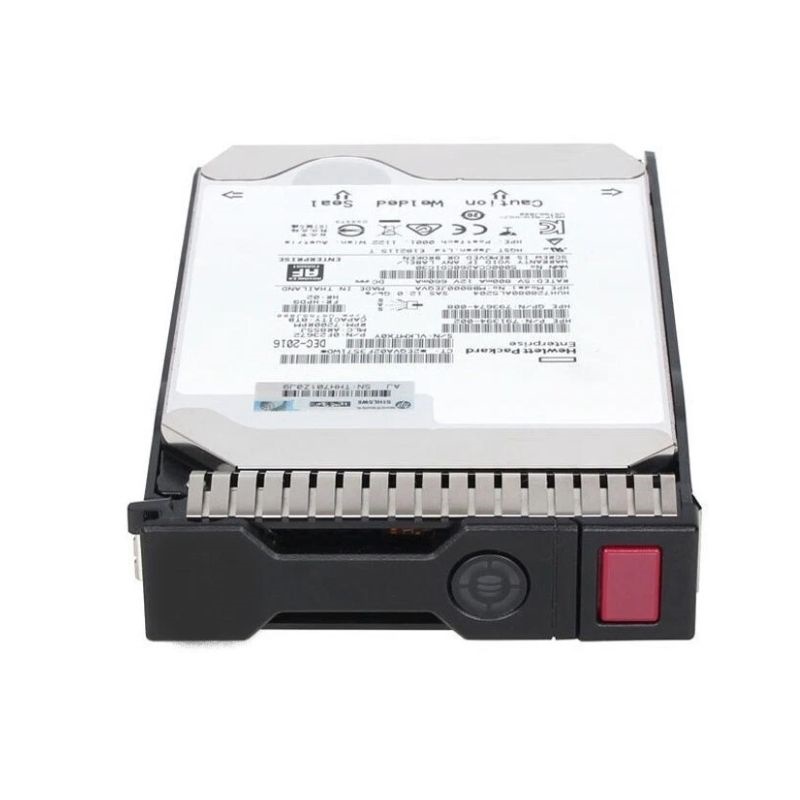


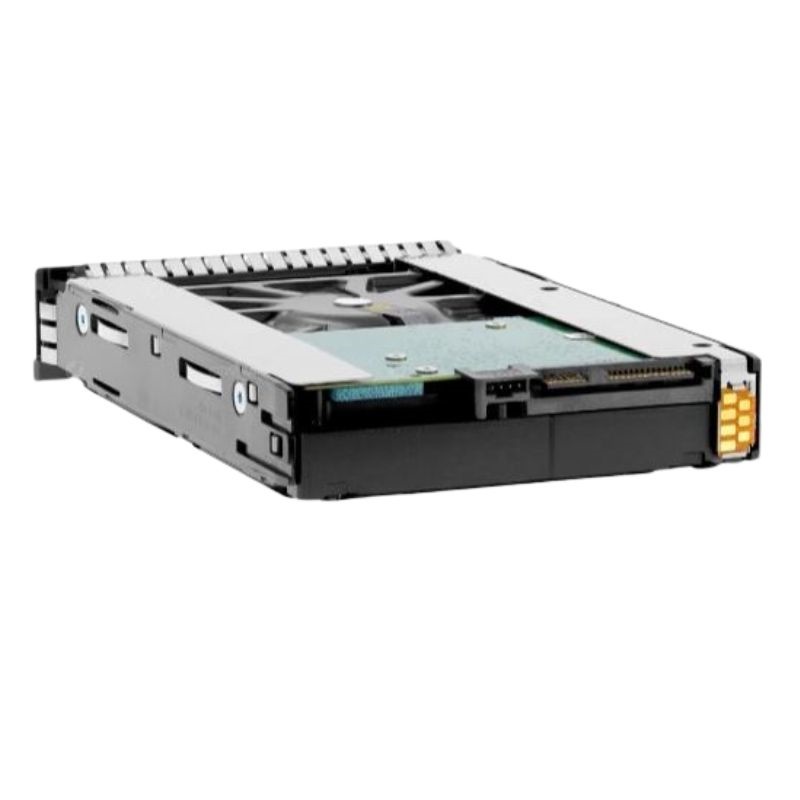
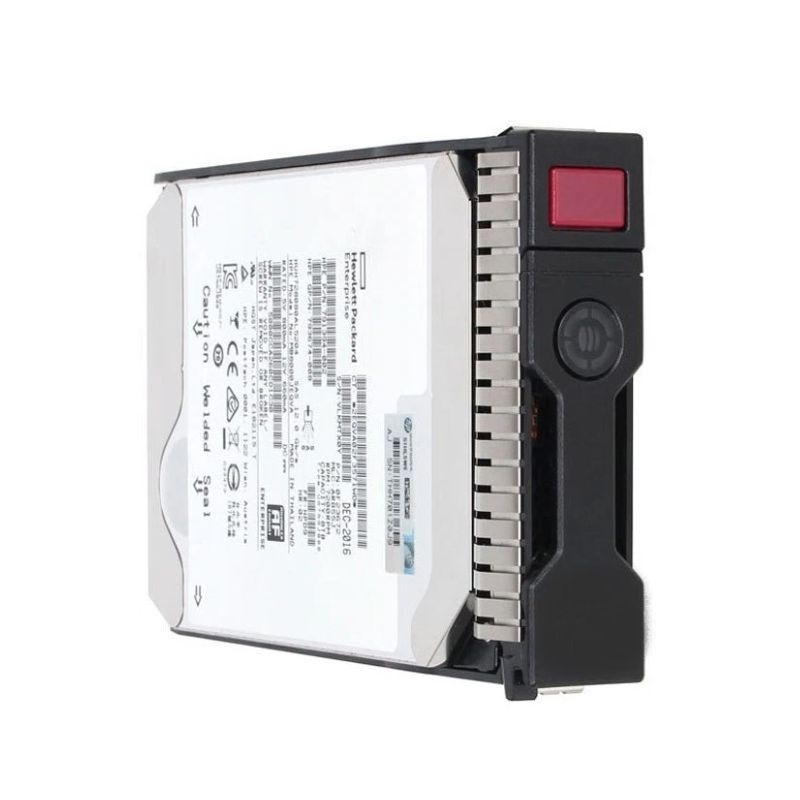
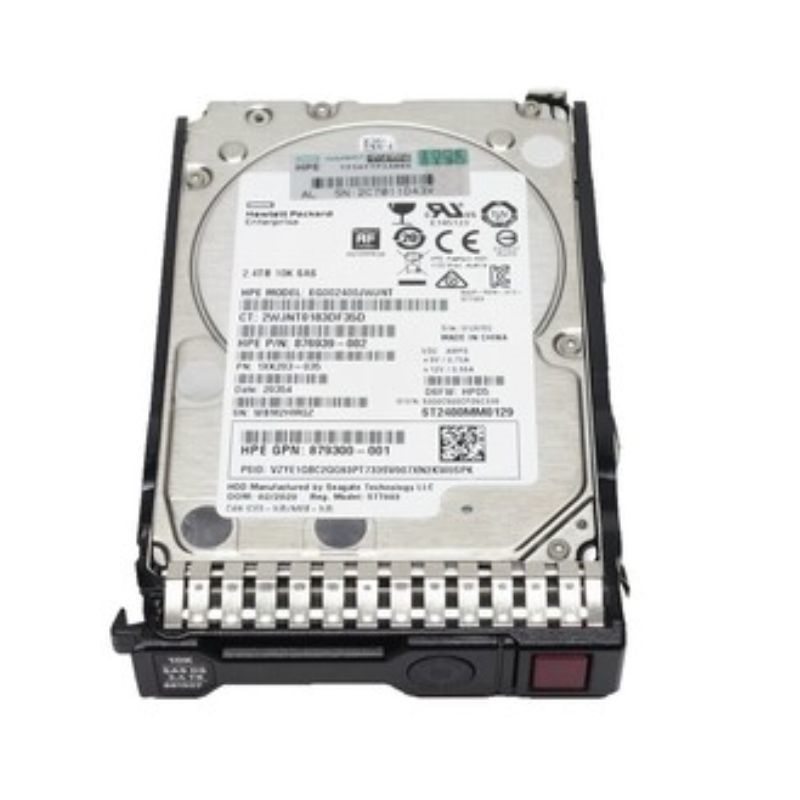
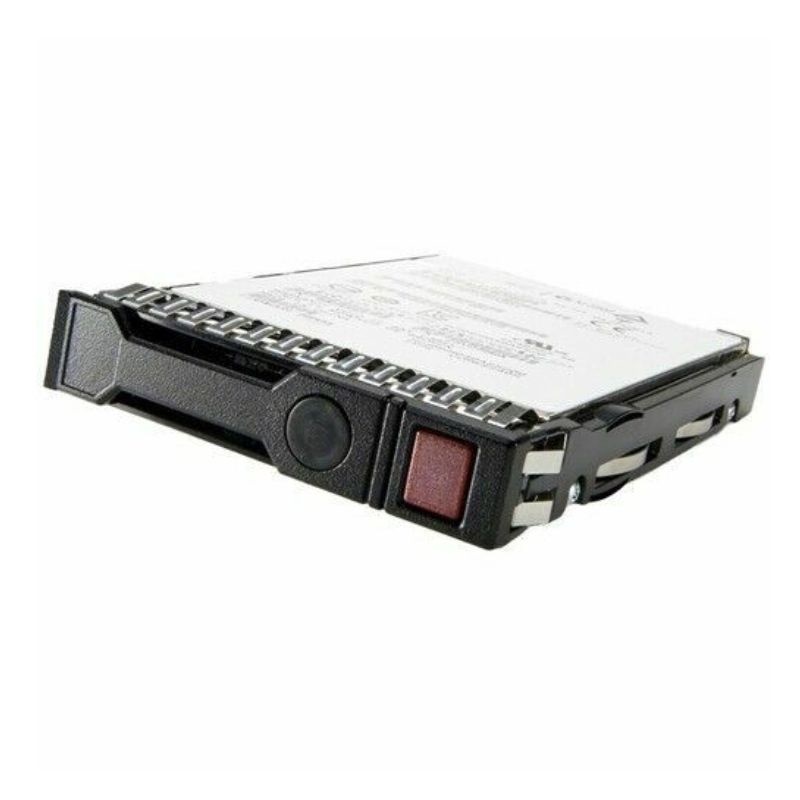
HPE 793674-005 6TB SAS 12GBPS 7.2K RPM LFF SC 512e He Hot Swap Hard Disk Drive. New Sealed in Box (NIB) with 3 Years Warranty
| SKU/MPN | Warranty | Price | Condition | You save |
|---|---|---|---|---|
| 793674-005 | 1 Year Warranty | $145.00 | Excellent Refurbished | You save: $50.75 (26%) |
| 793674-005 | 1 Year Warranty | $340.00 | New Sealed in Box (NIB). | You save: $119.00 (26%) |
The HPE 793674-005 6TB SAS 12Gbps 7.2K RPM LFF Smart Carrier 512e He Hot-Swap Hard Drive is engineered to deliver reliable, enterprise-grade storage performance for modern data centers and business environments. Designed by Hewlett Packard Enterprise (HPE), this large form factor (LFF) HDD provides a balance between storage capacity, speed, and resilience.
With a storage capacity of 6TB, the HPE 793674-005 is ideal for businesses seeking to expand their data storage infrastructure. Whether used in servers, enterprise arrays, or cloud applications, it provides room for extensive workloads such as virtualization, backups, large-scale file systems, and analytics.
Built on the SAS 12Gbps interface, this enterprise hard drive ensures fast read and write throughput, efficient error recovery, and dependable connectivity. The advanced SAS interface allows superior bandwidth compared to SATA alternatives, making it the go-to choice for mission-critical workloads.
The integrated Smart Carrier (SC) provides diagnostic LED indicators that simplify maintenance and monitoring. This feature allows IT administrators to quickly identify drive health, performance status, and activity without removing the disk, reducing downtime and improving efficiency.
Featuring a 7,200 RPM spindle speed, this HDD offers the right balance between capacity and performance for large-scale data storage environments. It is particularly effective for workloads that require reliable throughput rather than extreme IOPS.
The Hot-Swap capability ensures that the drive can be replaced or upgraded without shutting down the server. This feature is particularly crucial in enterprise IT environments, cloud infrastructures, and mission-critical systems that cannot afford downtime.
The HPE 793674-005 HDD is compatible with multiple HPE ProLiant servers and storage arrays. Its enterprise-grade build ensures durability, consistent uptime, and dependable performance in environments that demand robust storage solutions.
Deploying this 6TB SAS HDD ensures organizations benefit from enhanced scalability, reduced maintenance costs, and improved operational efficiency. Designed for 24/7 workloads, it maintains consistent performance even under heavy demand.
The HPE 793674-005 is more than just a storage drive; it is a scalable, high-performance, and enterprise-ready solution for businesses that prioritize uptime, security, and efficiency. Its combination of 6TB capacity, SAS 12Gbps speed, Smart Carrier design, 7,200 RPM spindle, and hot-swap support make it a powerful asset for data-driven organizations.
The HPE 793674-005 6TB SAS 12Gbps 7.2K RPM LFF SC 512e He Hot-Swap Hard Disk Drive category includes enterprise-grade storage drives engineered for modern data center, server, and storage array deployments. This category focuses on large form factor (LFF) 3.5" drives that balance high capacity with performance and reliability. Key attributes that define the category include a 6TB raw capacity, SAS interface at 12Gb/s for high-throughput connectivity, 7,200 revolutions-per-minute (RPM) spindle speed for consistent performance, 512e sector emulation for broad compatibility, helium (He) filling for improved power and thermal efficiency, and front-accessible hot-swap capability for non-disruptive maintenance. These drives are commonly used in HPE ProLiant servers, HPE storage enclosures, and compatible third-party arrays where sustained sequential throughput, large capacity pools, and cost-effective per-terabyte economics are prioritized.
Drives in this category utilize the SAS (Serial Attached SCSI) interface operating at 12Gbps. SAS 12Gb/s delivers higher sustained throughput than earlier 6Gbps generations and supports enterprise features such as dual-port connectivity, link-level redundancy, and improved error handling. The enterprise SAS interface is suitable for environments that require robust data integrity and multi-pathing capabilities.
The standard capacity for this SKU is 6 terabytes (6TB), enabling dense storage pools with fewer drives. The drives present a 512e (512-byte emulation) sector format, which maintains compatibility with legacy operating systems and applications that expect 512-byte sector sizes while physically using 4K-sector media internally. This sector emulation simplifies upgrades and migrations where software-level compatibility is a concern.
These are LFF (Large Form Factor) 3.5-inch drives with a 7,200 RPM spindle speed. 7.2K drives are often chosen where a blend of capacity, performance, and cost is required — faster than archive drives but more cost-efficient per TB than 10K/15K drives or SSDs for large sequential workloads.
Helium-filled drives reduce internal air friction and turbulence, which lowers power consumption and operating temperature while enabling more platters to be packed into the same 3.5" enclosure. The helium environment improves long-term reliability and reduces acoustic noise — valuable attributes for dense server and storage chassis.
Hot-swap capability is central to enterprise availability: drives can be replaced or upgraded without powering down the system. Front-accessible trays, carrier compatibility, and standardized connectors make field service straightforward, minimizing maintenance windows and downtime.
This category is ideal for bulk data storage where cost per TB is a primary driver — large file repositories, archive tiers, backup targets, and nearline storage. The 6TB capacity reduces the number of spindles needed to reach petabyte-scale storage, lowering total rack space and power overhead.
Workloads involving long sequential reads and writes — such as media streaming, large dataset ingest, and backup/restore operations — benefit from the sustained transfer rates provided by 12Gbps SAS and 7.2K RPM mechanics.
In multi-tier architectures, these drives commonly serve as the capacity or nearline tier behind higher-performance SSD or 10K/15K tiers. Tiering can be manual or automated (via storage controllers or software), optimizing cost and performance across data classes.
When deployed in RAID arrays (RAID 5, RAID 6, RAID 10, etc.), these drives offer predictable rebuild behaviors and attractive usable capacity. Architects choose the drive class to balance rebuild duration, rebuild impact, and usable storage efficiency.
The HPE 793674-005 designation identifies compatibility with HPE storage systems and ProLiant servers. Buyers should verify firmware compatibility and HPE Smart Array or Smart Storage controller support matrices to ensure drive acceptance and feature parity (such as SMART reporting) in the target system.
While designed for HPE platforms, the SAS interface and 512e format make these drives broadly compatible with other vendor storage arrays and servers that support 12Gbps SAS and LFF drives. Check cross-vendor compatibility lists, carrier tray mounting dimensions, and backplane acceptance before large-scale procurement.
Enterprise drives can ship with vendor-specific firmware tuned for certain arrays. Confirming the firmware build, compatibility with OS-level multipath drivers, and controller firmware ensures predictable behavior. In some environments, vendors may require firmware matching or signature verification before allowing drives into the array.
These 7.2K RPM LFF drives deliver solid sequential throughput and moderate random I/O performance. Sequential throughput often scales near the interface limits for large block transfers, while random IOPS are constrained by mechanical seek times and rotational latency. For random-heavy transactional databases, SSD tiers or higher-RPM drives may be better suited.
Mechanical drives have higher latency than solid-state media. However, the predictability and consistent service behavior of enterprise-grade SAS drives make them well-suited for workloads that tolerate higher latency but demand high capacity and long-term durability.
Enterprise-class hard drives are designed to meet higher Mean Time Between Failures (MTBF) and lower Annualized Failure Rate (AFR) figures compared to consumer drives. Manufacturer datasheets usually specify these reliability metrics; for procurement planning, assume enterprise-class reliability but include redundancy and monitoring to handle inevitable drive failures.
For heavy-write environments, check the drive’s terabytes written per year (TB/year) endurance rating. Nearline drives typically have workload specifications indicating suitable duty cycles — aligning drive endurance with expected workload prevents early wear-out.
Helium drives often list lower power draw at idle and during operation than equivalent air-filled drives. This results in reduced rack-level power usage and cooling requirements. Confirm ambient temperature and airflow needs with the chassis manufacturer when densely populating racks.
Follow vendor-approved hot-swap procedures: identify the failed drive via management software or LED indicators, initiate any controller-driven offline operations if required, remove the carrier, and insert the replacement. Allow RAID controller to rebuild using background or priority rebuild settings depending on workload criticality.
Maintain a firmware update cadence aligned with HPE recommendations. Firmware updates can improve compatibility and performance but should be tested in a non-production environment prior to wide deployment. Track serial numbers, firmware revision, and installation dates for lifecycle and warranty claims.
New drives offer full manufacturer warranties and predictable lifecycles. Refurbished or pulled drives can reduce capital expense but carry unknown wear levels. If considering refurbished drives, require vendor certification, test results, SMART history, and short-term warranties.
For large rollouts, stagger procurement and firmware validation across a test cluster to catch incompatibilities early. Maintain a stock of verified warm spares to speed replacement and reduce potential rebuild stress on arrays.
SSDs provide orders-of-magnitude higher random IOPS and lower latency, but the per-terabyte cost for SSDs is significantly higher than HDDs. Use SSDs for hot/active tiers and these HPE 6TB SAS drives for cold/nearline tiers to balance cost and performance.
10K/15K drives offer lower latency and higher random IOPS, but at reduced capacity and higher cost per TB. For sequential workloads and capacity efficiency, 7.2K helium drives often present a superior cost-to-capacity option.
Cloud object storage provides elasticity and operational simplicity, but frequent or large on-premises workloads can make local capacity more economical. On-premises HPE 6TB SAS drives provide control over data sovereignty and predictable performance for local workloads.
Use HPE iLO, HPE OneView, and Smart Array management utilities for drive health monitoring, firmware updates, and lifecycle management. These tools help automate monitoring and alerting for drive failures, predictive degradation, and compatibility checks.
When designing storage infrastructure with HPE 6TB SAS drives, plan for scalability: reserve spare bays, build incremental expansion units, and consider using storage fabrics or clustered storage to expand capacity without disrupting existing workloads. Include performance headroom and sufficient rebuild spare capacity in your growth projections.
The HPE 793674-005 6TB SAS 12Gbps 7.2K RPM LFF SC 512e He hot-swap drive category provides a compelling combination of capacity, power efficiency, and enterprise-focused interfaces. These drives are specifically positioned for organizations that require predictable performance for sequential workloads, cost-efficient scaling to multi-terabyte storage capacities, and the operational advantages of HPE-validated hardware with hot-swap serviceability. For IT architects, storage managers, and procurement specialists, this category represents a pragmatic choice for capacity tiers where price-per-terabyte, rack density, and manageable operational overhead are core selection criteria.


 Contact Us
 Information
 Catalog
 Solid State Drives (SSD)
 Network Switches
 Hard Disk Drives
 HBA & Controllers
 PC & Servers
 PC & Server Memory
 CPU & Processors
 Network Routers
 Power Supplies
 Tape Drives & Libraries
 Network Devices
 Computer & Network Cables