(7% discount is applied at checkout)
Cart is empty
Your go-to destination for cutting-edge server products
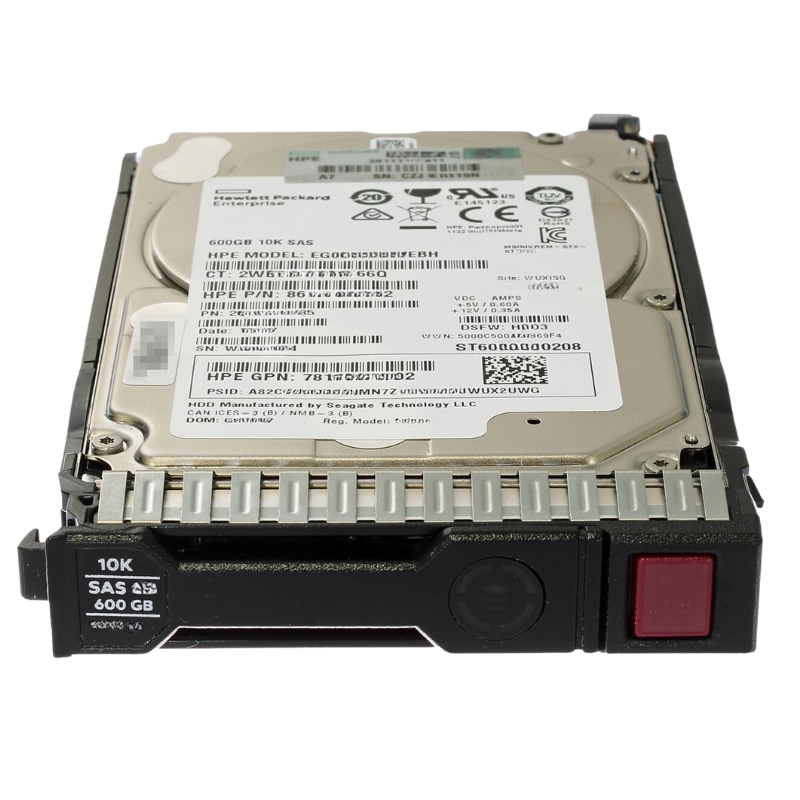


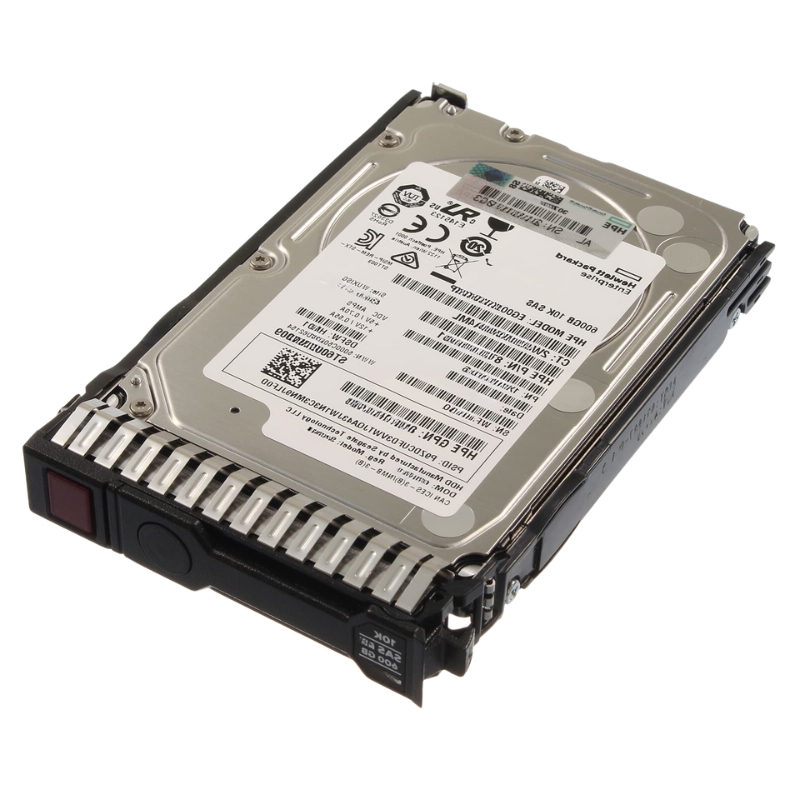
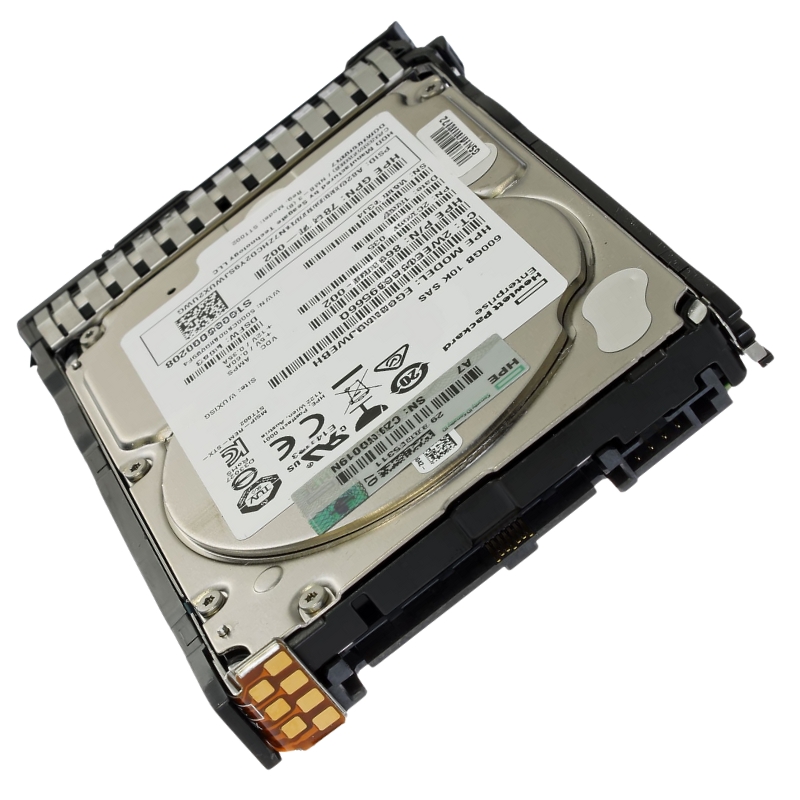
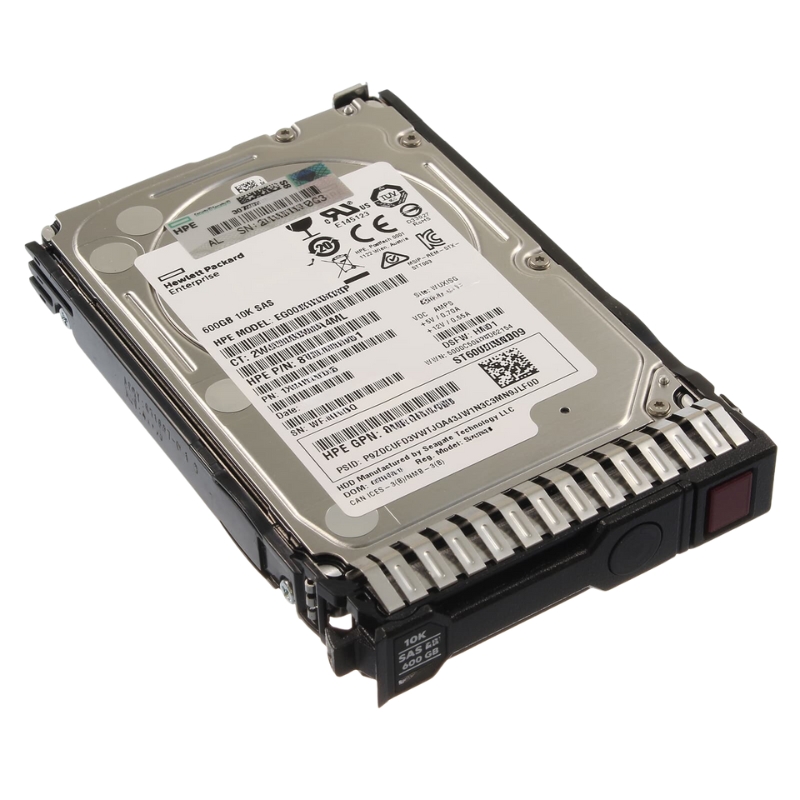
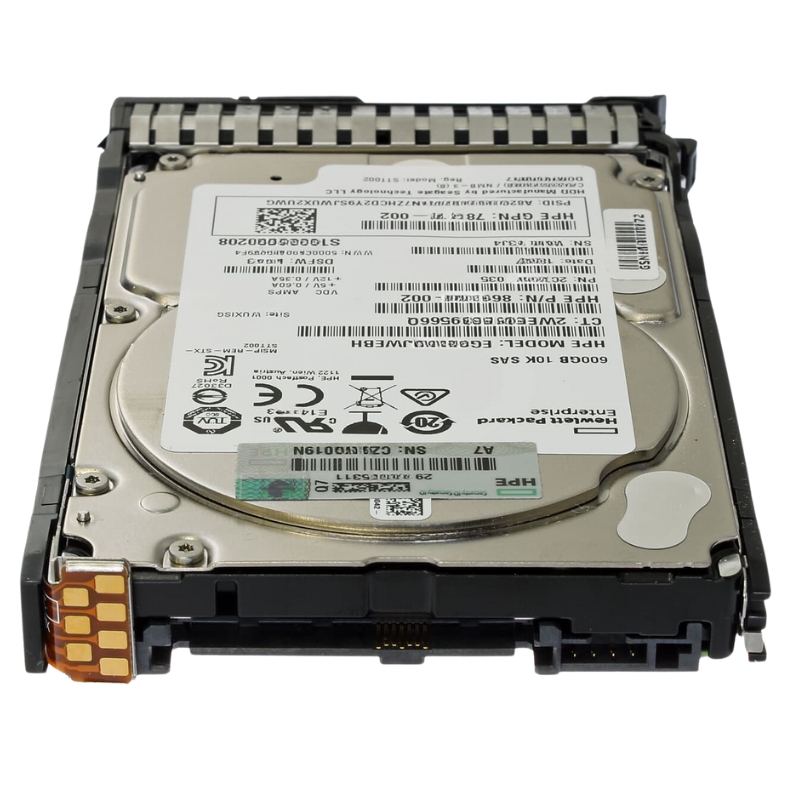
HPE 846273-011 600GB SAS 12GBPS 10K RPM 2.5Inch SFF SC ENT HDD. Excellent Refurbished with 1 Year Replacement Warranty
The HPE 846273-011 is a high-performance enterprise-class hard disk drive engineered for demanding workloads. With 600GB of storage, SAS 12Gbps connectivity, and 10,000 RPM spindle speed, this 2.5-inch SFF Smart Carrier drive ensures rapid data access, reliability, and seamless integration with HPE ProLiant and Apollo systems.
The HPE 846273-011 600GB SAS 12Gbps 10K RPM 2.5-inch Small Form Factor Smart Carrier Enterprise Hard Drive represents a critical segment within enterprise-grade storage solutions designed for modern data centers, business-critical applications, and performance-driven environments. This category focuses on high-speed, reliable, and scalable storage devices engineered specifically for server infrastructures that demand consistent throughput, low latency, and robust data integrity. Unlike consumer-grade drives, enterprise HDDs like this model are built to operate continuously under heavy workloads, ensuring uninterrupted performance in mission-critical environments.
The Serial Attached SCSI interface featured in this category delivers superior performance compared to traditional SATA drives. SAS technology provides dual-port connectivity, enabling redundancy and failover capabilities that are essential for enterprise-level deployments. The 12Gbps transfer rate significantly enhances data throughput, allowing faster communication between the drive and the server controller. This increased bandwidth supports high-volume data transactions, making it ideal for virtualization platforms, database systems, and cloud computing environments.
One of the defining characteristics of SAS drives in this category is dual-port architecture, which allows simultaneous data paths between the drive and host system. This feature improves fault tolerance and ensures continuous operation even if one path fails. Enterprises benefit from reduced downtime and increased system resilience, which is crucial for maintaining service-level agreements and operational efficiency.
Enterprise SAS drives incorporate advanced error correction algorithms and data protection mechanisms. These features ensure that data is accurately written and retrieved, minimizing the risk of corruption. This level of reliability is essential for industries that handle sensitive information, such as financial services, healthcare, and large-scale enterprise resource planning systems.
The 10,000 RPM spindle speed offered by the HPE 846273-011 places it in a high-performance tier within the enterprise HDD category. Faster rotational speeds result in reduced seek times and improved access latency, enabling quicker data retrieval and enhanced system responsiveness. This performance profile is particularly beneficial for transactional workloads and applications that require rapid data access.
Drives in this category are engineered to handle intensive read and write operations, making them suitable for database servers, online transaction processing systems, and high-demand enterprise applications. The balance between speed and capacity ensures that businesses can manage large datasets without compromising performance.
Unlike consumer drives that may experience performance degradation under sustained workloads, enterprise HDDs maintain consistent throughput even during peak operations. This consistency is vital for maintaining application performance and ensuring predictable system behavior.
The 2.5-inch small form factor design of the HPE 846273-011 enables higher storage density within server enclosures. This compact size allows data centers to maximize storage capacity without increasing physical footprint, leading to improved efficiency and reduced operational costs.
Small form factor drives allow for more drives to be installed in a single server chassis, increasing total storage capacity. This is particularly beneficial for blade servers and rack-mounted systems where space is at a premium. Organizations can scale their storage infrastructure more effectively while maintaining optimal performance levels.
Compact drives generate less heat and consume less power compared to larger form factor alternatives. This contributes to better thermal management within the server environment and reduces overall energy consumption, aligning with modern data center efficiency goals.
The Smart Carrier design integrated into this category enhances usability and monitoring capabilities. It includes status indicators and interfaces that provide real-time information about drive health and activity, enabling proactive maintenance and reducing the risk of unexpected failures.
Smart Carrier technology incorporates LED indicators that display drive activity, status, and fault conditions. These visual cues allow IT administrators to quickly identify and address issues, minimizing downtime and improving maintenance efficiency.
Drives in this category are optimized for compatibility with HPE server platforms, ensuring seamless integration and optimal performance. This compatibility simplifies deployment and reduces the need for extensive configuration, allowing organizations to focus on their core operations.
The HPE 846273-011 category is tailored for a wide range of enterprise applications that require reliable and high-performance storage solutions. Its specifications make it suitable for both general-purpose and specialized workloads.
High-speed access and reliable data handling make these drives ideal for database environments where quick retrieval and consistent performance are essential. Enterprises can manage large volumes of transactional data efficiently, ensuring smooth operation of critical applications.
In virtualized environments, storage performance directly impacts the efficiency of virtual machines. The high throughput and low latency of these drives support multiple virtual workloads simultaneously, enhancing overall system performance and scalability.
While offering high performance, the 600GB capacity also makes this category suitable for backup and archival solutions that require dependable storage. Organizations can securely store important data while maintaining quick access when needed.
Businesses can easily add more drives to their systems to increase storage capacity and performance. This flexibility supports evolving data requirements and enables seamless scaling of operations.
The HPE 846273-011 category aligns with current data center trends, including virtualization, cloud computing, and big data analytics. Its design ensures compatibility with modern technologies, making it a future-proof investment for enterprises.


 Contact Us
 Information
 Catalog
 Solid State Drives (SSD)
 Network Switches
 Hard Disk Drives
 HBA & Controllers
 PC & Servers
 PC & Server Memory
 CPU & Processors
 Network Routers
 Power Supplies
 Tape Drives & Libraries
 Network Devices
 Computer & Network Cables