(7% discount is applied at checkout)
Cart is empty
Your go-to destination for cutting-edge server products
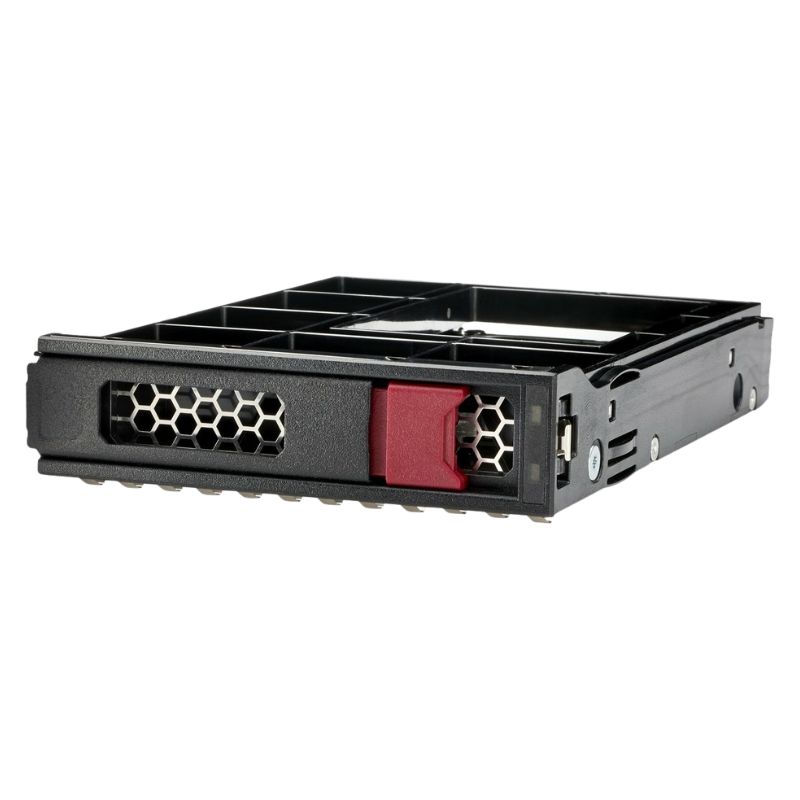


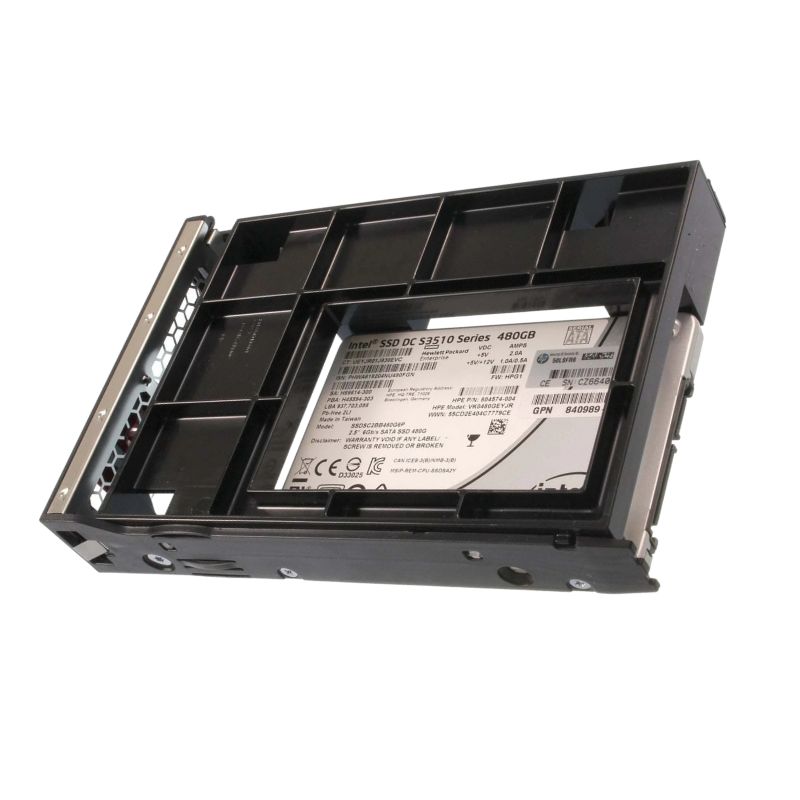
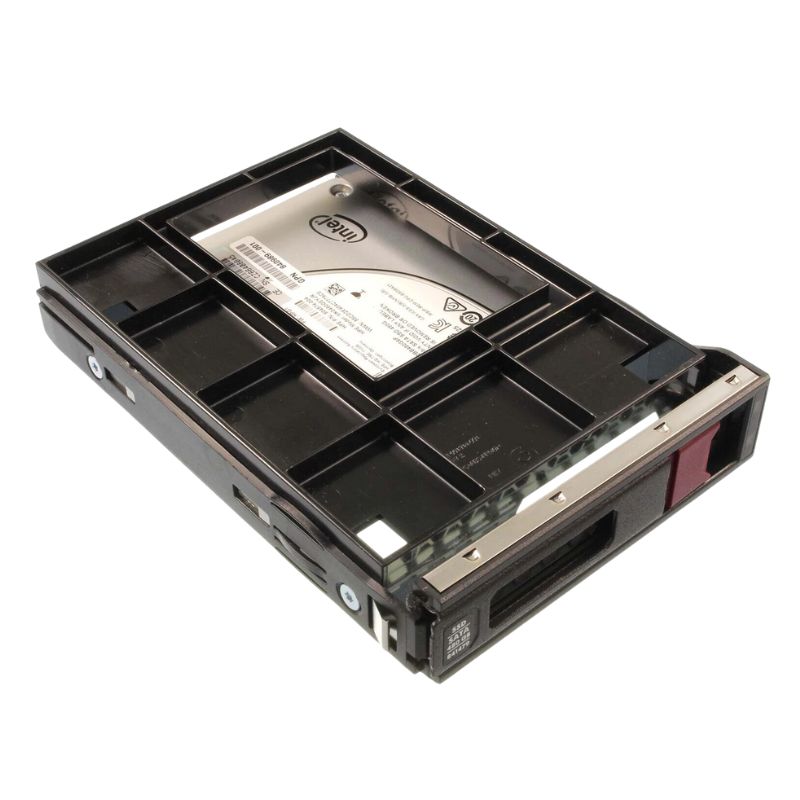
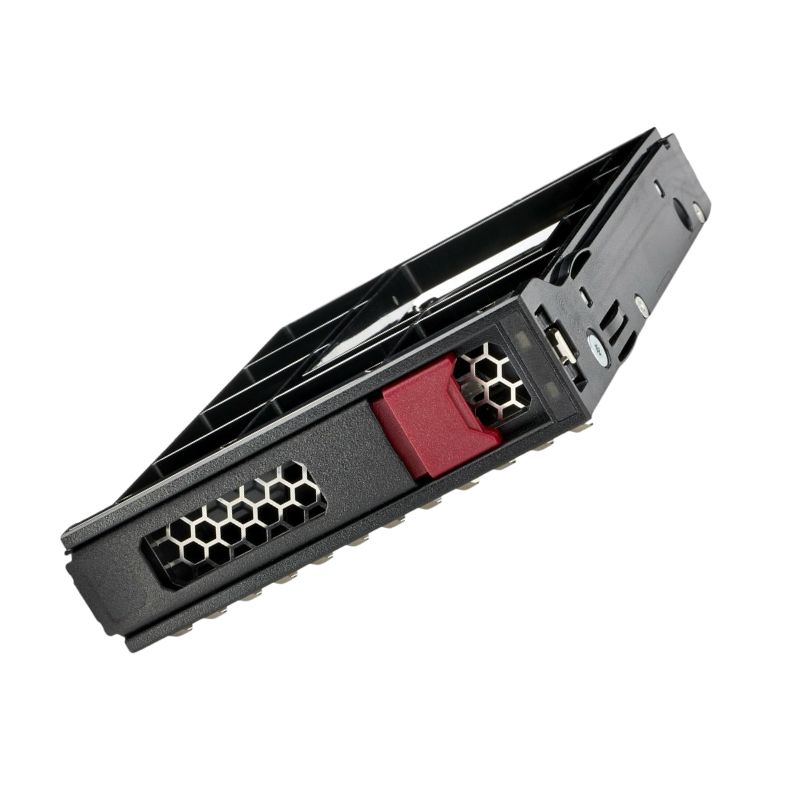
HPE 841479-001 480GB SATA 6GBPS Read Intensive LFF 3.5-Inch with LPC Solid State Drive. Excellent Refurbished with 1-Year Replacement Warranty
HPE 841479-001 480GB SATA 6Gbps Read-Intensive LFF 3.5-inch SSD with LPC (Low Profile Connector) is a member of HPE's enterprise solid state drive family engineered for read-heavy workloads where predictable performance, data integrity, and long term reliability are essential. This category page focuses on the technical specifications, real-world benefits, deployment scenarios, compatibility notes, endurance metrics, firmware and management features, and buying guidance for IT managers, systems integrators, and procurement specialists seeking high-quality 3.5" form factor SATA SSDs for HPE ProLiant and HPE storage systems.
The HPE 841479-001 is ideal when you need a cost-efficient, high-performance storage tier for read-dominant workloads. It balances enterprise reliability with an economical cost-per-gigabyte, making it suitable for:
Using the reliable SATA III interface at 6 Gb/s, this SSD supports backwards compatibility with earlier SATA controllers while delivering consistent read speeds and low random access latency—essential for server applications that prioritize read responsiveness.
As a read-focused drive, the 841479-001 is tuned to withstand heavy read cycles with high reliability. This makes it a smart choice when write amplification and heavy write endurance are not the primary concern but consistent read performance is.
Rated at 480GB, this model is optimized for read-intensive workloads — common in caching layers, virtualization boot volumes, web servers, content delivery nodes, and analytics platforms where read throughput and low latency are prioritized over write endurance. The read-intensive classification typically implies a workload profile.
The LPC (Low Profile Connector) variant aligns with certain HPE backplanes and caddies that require a lower height connector. This ensures compatibility with HPE server sleds and storage shelves that use LPC to enable denser packing or simplified drive tray designs.
Read-intensive SSDs prioritize high random read IOPS and low median latency. Expect strong 4K random read performance and sub-millisecond average response in many HPE server configurations. For mixed or write-heavy workloads, these drives will still perform but may show lower write IOPS and higher average latency than mixed-use or write-optimized enterprise SSDs.
Sequential read speeds approach SATA III limits in ideal conditions; however, real world throughput depends on host capabilities, RAID controllers, and system queue depth. Use sequential throughput figures for large file reads, backup reads, and content streaming workloads planning.
Because this SSD is tuned for read-intensive use, its drive writes per day (DWPD) and total bytes written (TBW) ratings will be lower than write-intensive models. For read-dominant workloads this tradeoff lowers cost per GB while maintaining enterprise reliability. Confirm TBW and MTBF specifications with official HPE documentation when planning lifecycle and replacement schedules.
HPE typically provides enterprise grade warranties and RMA support for genuine HPE drives. When purchasing, confirm the warranty term, RMA regions, and advance replacement options. Use serial numbers and HPE Insight Online registration to streamline warranty claims.
Verify if the drive supports device-level hardware encryption (SED). For deployments with strict data security or regulatory compliance, SED models or self-encryption capabilities are highly beneficial. Where supported, use HPE's secure erase and sanitization utilities to safely retire or repurpose drives.
Combine drive-level encryption with HPE iLO and system security configurations for multi-layer protection. Ensure key management and passphrase policies align with organizational security standards.
Selecting the right endurance class is critical. Read-intensive drives like the 841479-001 trade lower DWPD/TBW for better price per GB in read-dominant workloads. Mixed-use drives balance reads and writes and typically cost more. Write-intensive drives are the costliest but necessary where high sustained writes are common.
Many OEMs sell 3.5" SATA enterprise SSDs with similar capacities and SATA interfaces. Differences lie in firmware tuning, warranty terms, validated compatibility, and support ecosystem. Purchasing genuine HPE parts ensures integrated support and firmware alignment with HPE controllers, which reduces troubleshooting time and increases predictability.
Match drive capacity to working set size and cache ratios. For read caches, smaller capacities in faster drives can outperform large capacity low-cost drives. For archival read access, higher capacity SSDs may lower device count and total power consumption.
Evaluate total cost of ownership (TCO) by factoring list price, expected service life, power consumption, management overhead, and redundancy needs. Read-intensive drives often present favorable cost per GB while delivering acceptable performance for read heavy cases.


 Contact Us
 Information
 Catalog
 Solid State Drives (SSD)
 Network Switches
 Hard Disk Drives
 HBA & Controllers
 PC & Servers
 PC & Server Memory
 CPU & Processors
 Network Routers
 Power Supplies
 Tape Drives & Libraries
 Network Devices
 Computer & Network Cables