(7% discount is applied at checkout)
Cart is empty
Your go-to destination for cutting-edge server products
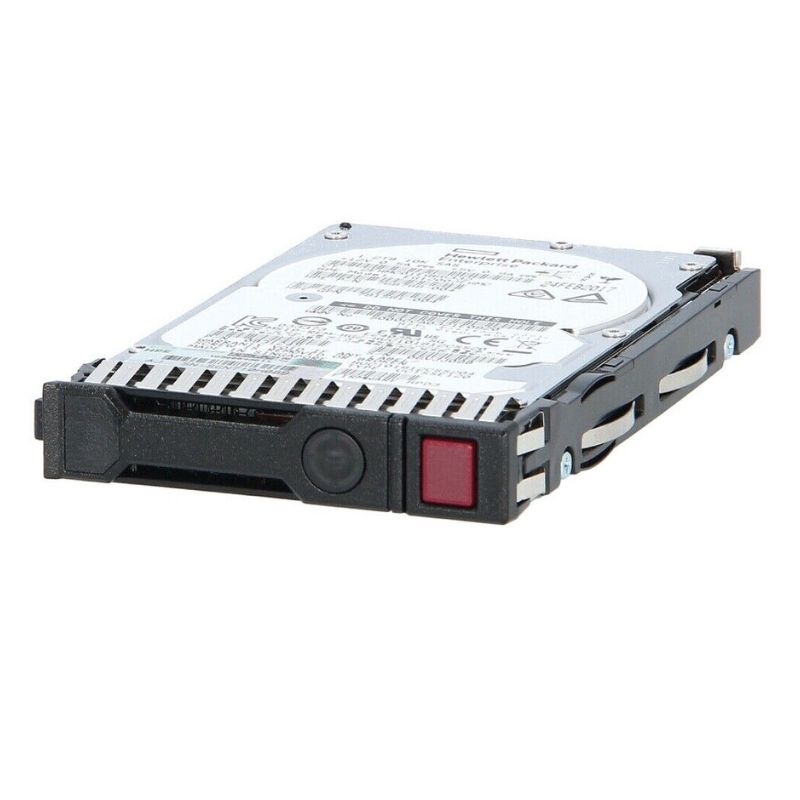


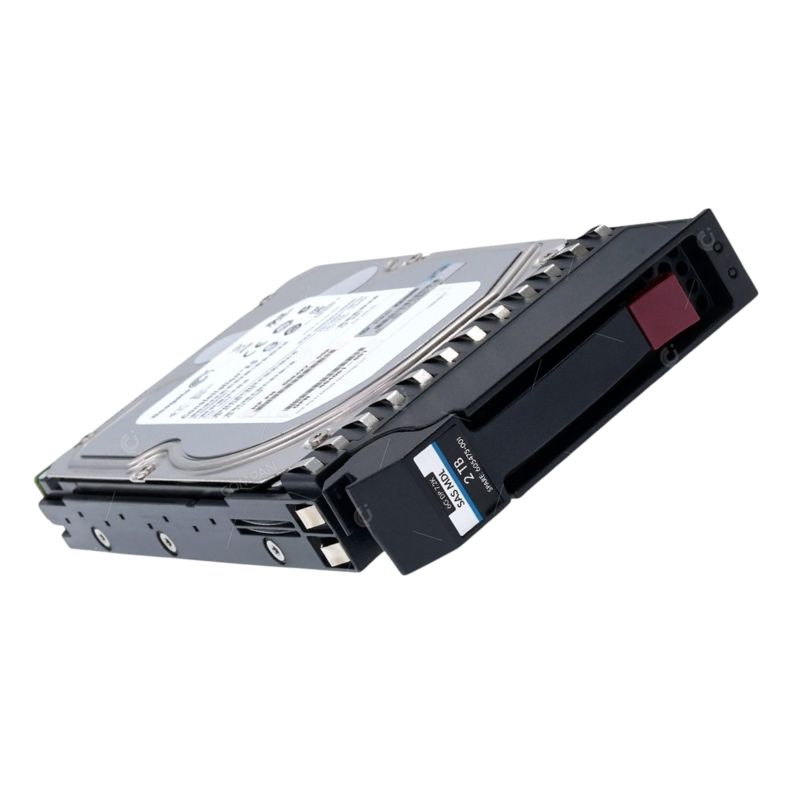
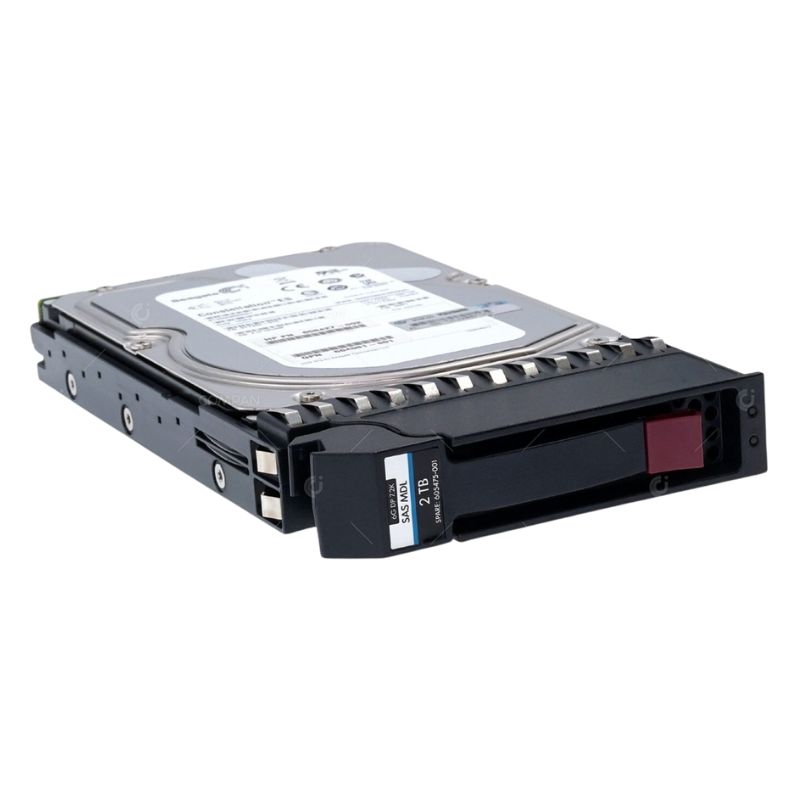
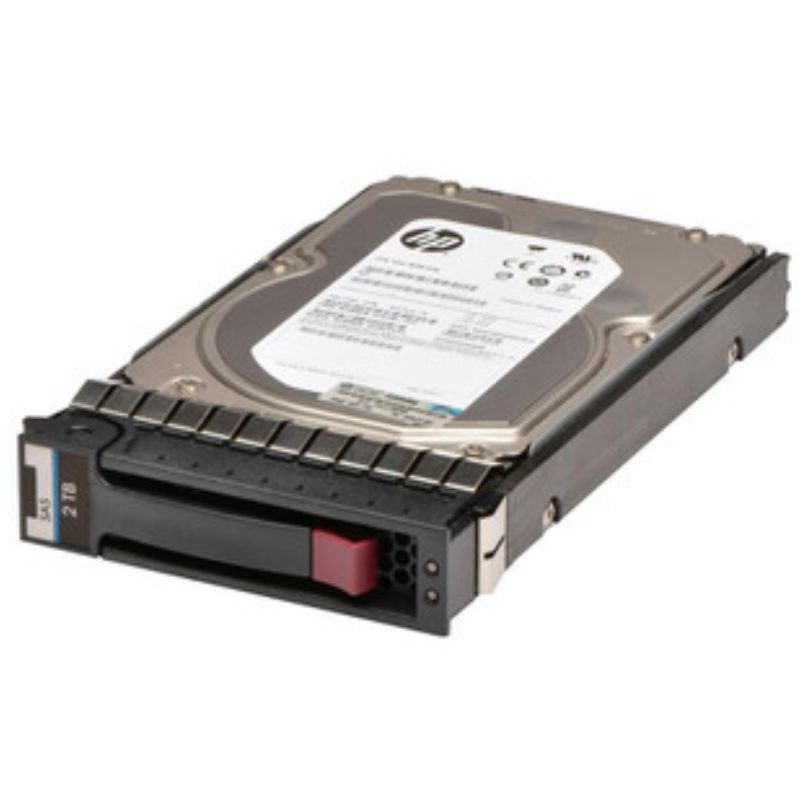
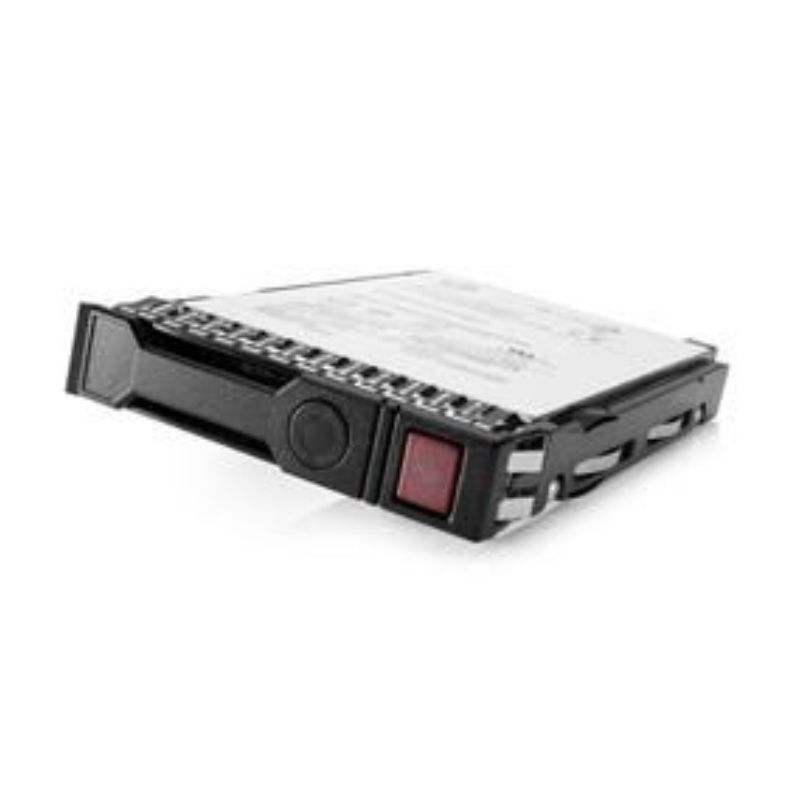
HPE MM002000JWCNF 2TB 7.2K RPM SAS 12GBPS 2.5-inch Internal Hard Drive with Smart Carrier. Excellent Refurbished with 1 year Replacement Warranty
The HPE MM002000JWCNF is a high-density 2.5-inch internal storage solution engineered for enterprise-class servers and storage arrays. Built to deliver consistent performance and dependable capacity, this 2 TB 7,200 RPM SAS hard disk drive (12 Gb/s) with an integrated smart carrier is optimized for mixed-workload environments where reliability, low latency, and efficient rack footprint are priorities.
Advantages at a Glance
The HPE MM002000JWCNF 2TB 7.2K RPM SAS 12Gbps 2.5-inch Internal Hard Drive with Smart Carrier represents a high-performance enterprise storage solution engineered for modern data centers, mission-critical servers, and scalable storage infrastructures. Built to deliver consistent reliability, optimized throughput, and long-term durability, this hard drive is designed for environments where uptime, data integrity, and predictable performance are essential. Featuring a Serial Attached SCSI (SAS) interface with a 12Gbps transfer rate, this drive supports demanding workloads across virtualization, database hosting, cloud computing, and enterprise applications.
Enterprise storage systems require hardware that can sustain continuous workloads while maintaining stability under heavy input/output operations. The HPE MM002000JWCNF is part of HPE’s enterprise-class HDD lineup, built specifically for rack-mounted servers and storage arrays. Unlike consumer-grade drives, enterprise SAS drives are designed for 24/7 operation with advanced error correction, vibration tolerance, and dual-port connectivity for redundancy.
The 2.5-inch small form factor allows high-density storage configurations, enabling organizations to scale storage capacity within limited rack space. This is particularly valuable in modern data centers where space efficiency and energy consumption directly impact operational costs.
With a 2TB capacity, this drive offers a balanced combination of storage density and performance. It is well-suited for mixed workloads, including transactional databases, virtual machine storage, and large-scale file systems. The capacity is optimized for environments requiring moderate to high-speed access to frequently used data without compromising storage scalability.
Operating at 7,200 RPM, the drive delivers consistent performance for enterprise workloads that require steady throughput rather than extreme low-latency performance. This rotational speed strikes a balance between energy efficiency and data access speed, making it suitable for archival systems, backup repositories, and general-purpose enterprise storage tiers.
The SAS 12Gbps interface is one of the defining features of this drive. Serial Attached SCSI technology is widely used in enterprise environments due to its superior reliability compared to SATA. The 12Gbps bandwidth ensures faster data transfer rates, reduced latency, and improved scalability in multi-drive configurations such as RAID arrays.
Additionally, SAS supports full-duplex communication, allowing simultaneous read and write operations. This is especially beneficial in virtualization environments where multiple virtual machines access storage concurrently.
The compact 2.5-inch design enhances storage density in server chassis. Compared to traditional 3.5-inch drives, 2.5-inch SAS drives allow more drives per rack unit, increasing total storage capacity per server. This enables data centers to maximize storage efficiency while maintaining manageable power and cooling requirements.
The Smart Carrier design is a key innovation in HPE storage ecosystems. It provides hot-swap capability, status indicators, and secure drive mounting within compatible server bays. The integrated LED indicators help administrators quickly identify drive status, activity, and potential failures without interrupting system operations.
Smart Carrier also ensures proper airflow management and physical protection of the drive, reducing the risk of overheating and mechanical damage during operation.
While 7.2K RPM drives are not designed for ultra-high IOPS workloads like SSDs, they excel in sustained sequential read/write operations. This makes them ideal for bulk data storage, backup systems, and media repositories. The SAS 12Gbps interface compensates for rotational speed limitations by enabling efficient data transfer pipelines.
This drive is commonly deployed in RAID configurations such as RAID 1, RAID 5, RAID 6, and RAID 10. These configurations enhance data redundancy and fault tolerance, ensuring continuous system availability even in the event of drive failure. SAS drives are particularly well-suited for RAID due to their dual-port architecture and robust error handling.
Virtualized environments require stable and predictable storage performance. The HPE MM002000JWCNF supports hypervisors such as VMware, Microsoft Hyper-V, and KVM-based systems. It can efficiently handle multiple virtual machine disk images, ensuring balanced performance across workloads.
HPE enterprise drives are engineered for continuous operation in demanding environments. The MM002000JWCNF is designed to withstand vibration, temperature fluctuations, and sustained workloads typical in multi-drive server enclosures.
Advanced error correction mechanisms ensure data integrity during read and write operations. The drive continuously monitors sector health and performs corrective actions to prevent data corruption. This is critical in enterprise systems where data loss can have significant operational and financial consequences.
Enterprise SAS drives typically feature high MTBF ratings, reflecting their reliability under continuous use. This ensures reduced downtime and lower total cost of ownership for organizations relying on large-scale storage infrastructures.
This drive is commonly deployed in HPE ProLiant server environments. It integrates seamlessly with HPE Smart Array controllers and firmware management tools, ensuring optimal compatibility and performance tuning.
Hot-swap capability allows drives to be replaced without shutting down the system. This is essential for maintaining uptime in mission-critical environments. The Smart Carrier system simplifies the process, reducing maintenance complexity.
The 2.5-inch form factor enables high-density storage configurations, allowing data centers to scale storage capacity without increasing physical footprint. This is particularly important for cloud providers and enterprise IT departments managing large-scale workloads.
The modular nature of SAS drives allows incremental scaling. Organizations can add additional drives to existing arrays as storage requirements grow, avoiding large upfront infrastructure investments.
This drive is often used in hybrid storage configurations combining SSDs and HDDs. SSDs handle high-speed caching and hot data, while SAS HDDs manage bulk storage efficiently.
In enterprise storage hierarchies, HDDs like the MM002000JWCNF occupy capacity tiers. While SSDs provide superior speed, SAS HDDs offer cost-effective storage for large datasets. This balance is essential for optimizing storage budgets without sacrificing reliability.
Compared to SATA drives, SAS drives provide better reliability, dual-port connectivity, and improved command queuing. These advantages make SAS drives preferable in enterprise environments where uptime and data integrity are critical.
When deploying in RAID arrays, proper stripe size and parity configuration can significantly improve performance. RAID 5 and RAID 6 are commonly used for balancing redundancy and storage efficiency, while RAID 10 provides higher performance and redundancy.
Maintaining optimal temperature and airflow within server racks is critical for extending drive lifespan. Proper cooling reduces thermal stress and improves long-term reliability.
Enterprise SAS drives incorporate multiple layers of data protection, including checksum validation and sector-level verification. These mechanisms ensure that data is accurately written and retrieved.
In enterprise environments, secure data erasure is essential when repurposing or decommissioning drives. The MM002000JWCNF supports secure erase protocols that ensure data cannot be recovered after deletion.
When integrated into HPE server ecosystems, the drive can be managed through centralized access control systems, enhancing security and compliance in enterprise IT environments.


 Contact Us
 Information
 Catalog
 Solid State Drives (SSD)
 Network Switches
 Hard Disk Drives
 HBA & Controllers
 PC & Servers
 PC & Server Memory
 CPU & Processors
 Network Routers
 Power Supplies
 Tape Drives & Libraries
 Network Devices
 Computer & Network Cables