(7% discount is applied at checkout)
Cart is empty
Your go-to destination for cutting-edge server products
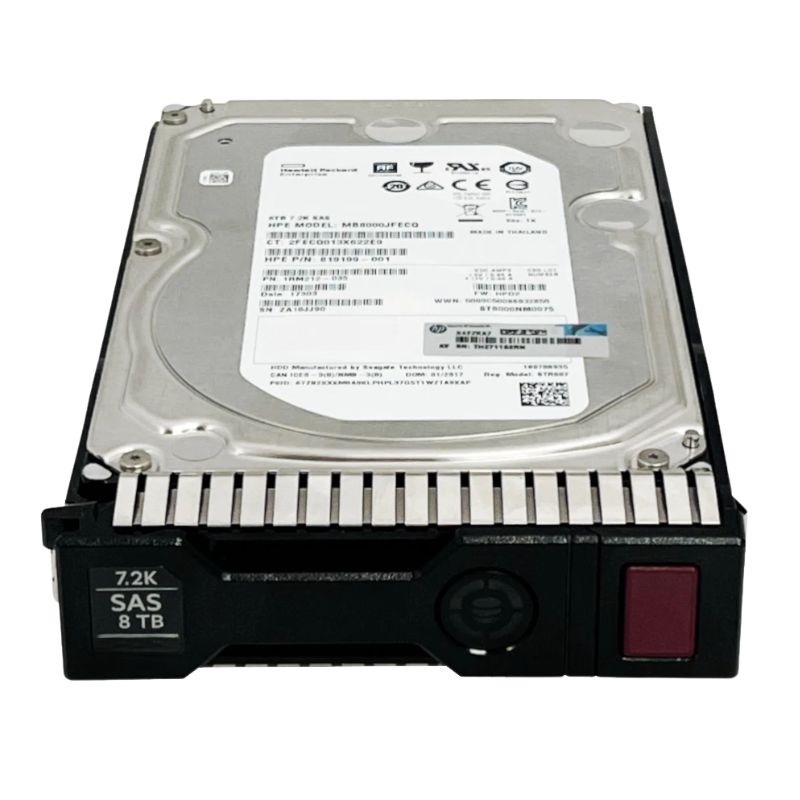


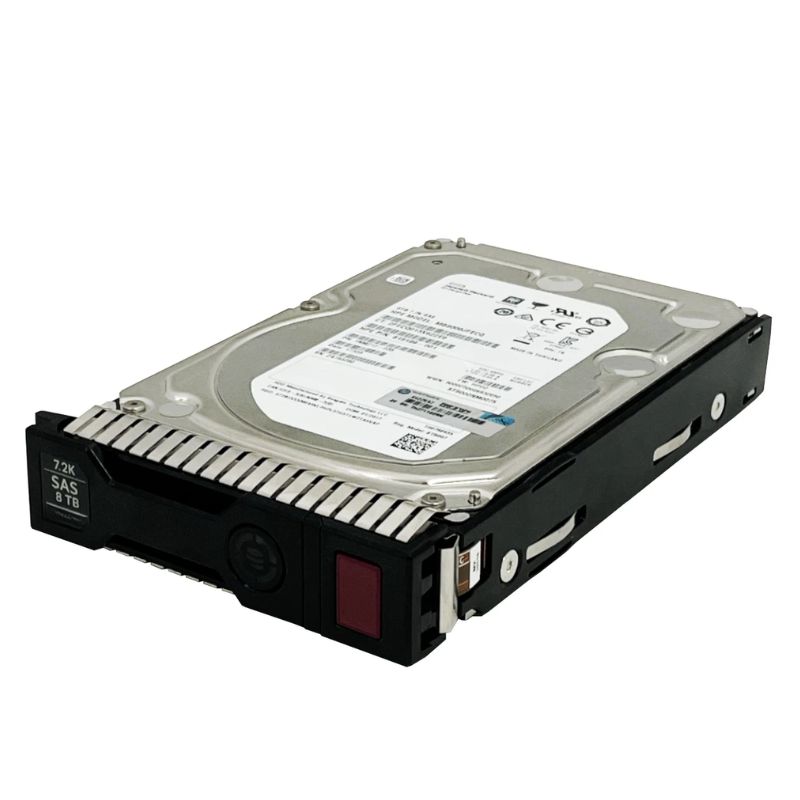
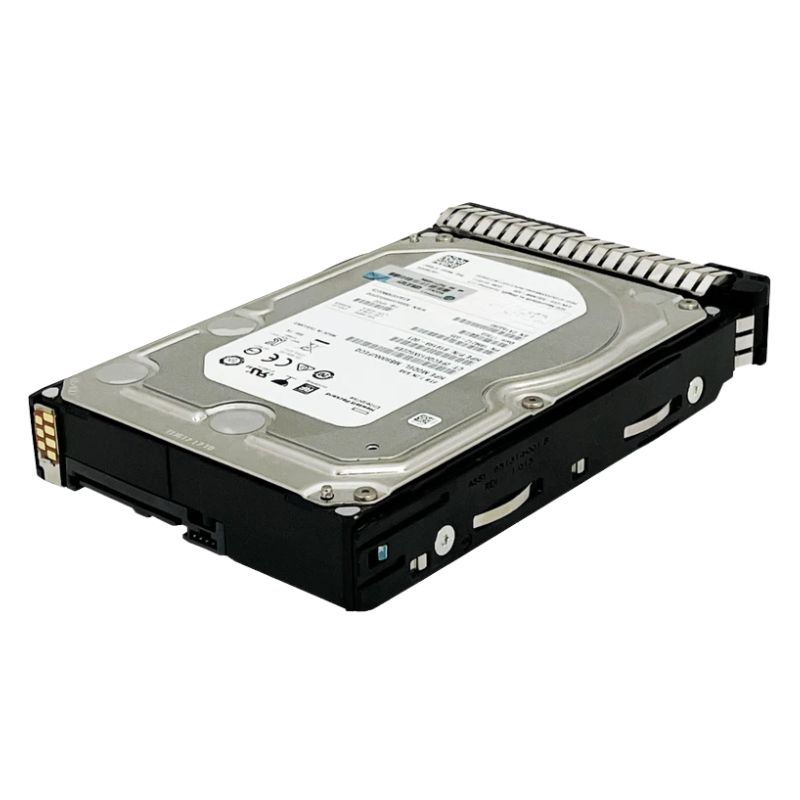
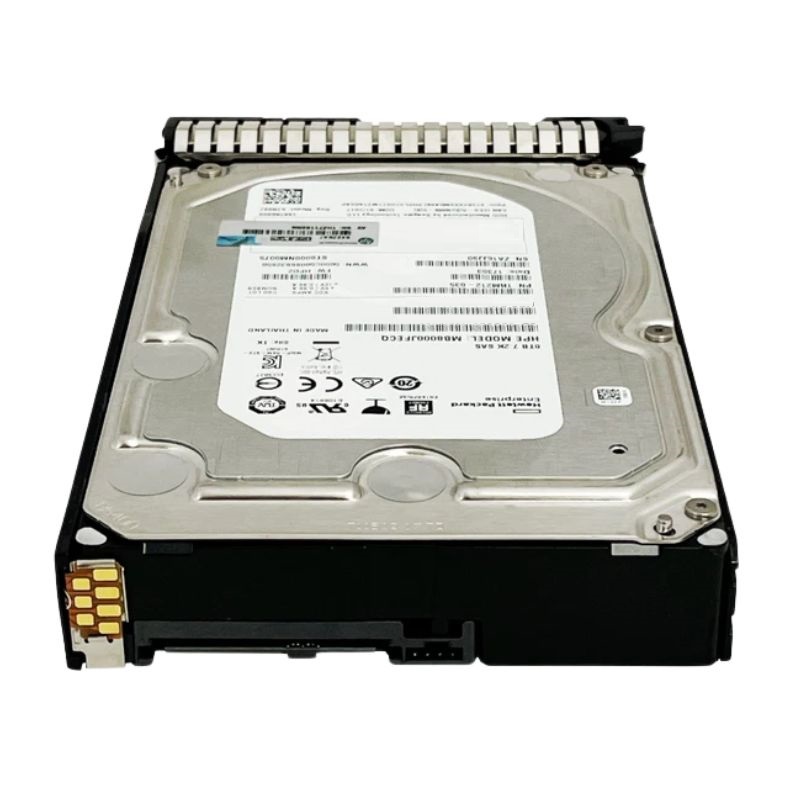
HPE 857652-005 8TB 7.2K RPM SAS 12GBPS 3.5 Inch LFF SC He 512e DS Hard Disk Drive. New Sealed in Box (NIB) with 3 years Warranty
The HPE 857652-005 8TB SAS hard disk drive is engineered to deliver dependable, high-capacity storage for modern data centers and enterprise IT environments. Designed with advanced helium technology and a robust 3.5-inch large form factor (LFF), this drive provides enhanced efficiency, durability, and consistent throughput for mission-critical applications.
Capacity Storage for Expanding Data Needs
The HPE 857652-005 8TB 7.2K RPM SAS 12Gbps 3.5 Inch LFF SC Helium 512e Digitally Signed Hard Disk Drive represents a robust and highly reliable storage solution designed specifically for enterprise-grade environments. Built to meet the increasing demands of data-intensive applications, this high-capacity drive integrates advanced engineering with proven reliability standards. Its 8TB storage capacity enables organizations to manage growing data volumes efficiently, supporting both structured and unstructured data workloads in modern data centers.
As enterprises continue to generate massive volumes of data, scalable storage becomes critical. The 8TB capacity offered by this drive ensures that organizations can store large datasets without compromising performance or accessibility. Whether deployed in virtualization environments, cloud infrastructures, or database systems, this drive provides consistent throughput and dependable performance.
This enterprise hard disk drive is engineered to handle high workload demands, making it suitable for applications such as big data analytics, content delivery systems, backup solutions, and archival storage. The large capacity combined with stable rotational speed allows for efficient data retrieval and storage operations.
The 7.2K RPM spindle speed strikes an optimal balance between performance and energy efficiency. It ensures reliable read and write speeds while maintaining lower power consumption compared to higher RPM drives. This balance is particularly important in large-scale data centers where operational costs and energy efficiency are key considerations.
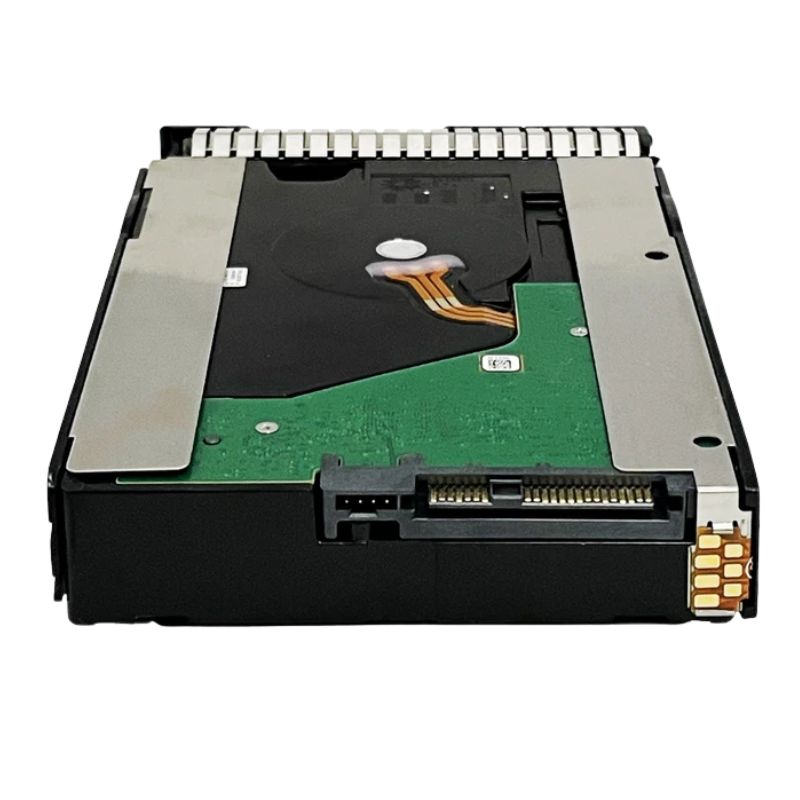
The Serial Attached SCSI (SAS) 12Gbps interface delivers high-speed data transfer capabilities, ensuring fast and reliable communication between the drive and the host system. This advanced interface is designed to support enterprise applications requiring consistent and predictable performance.
With a 12Gbps interface, the drive supports significantly higher data transfer rates compared to legacy interfaces. This ensures reduced latency and faster data access, which is crucial for time-sensitive applications and mission-critical operations.
The SAS interface offers dual-port capability, allowing for redundancy and increased availability. This feature ensures continuous data access even in the event of a path failure, making it ideal for high-availability systems.
The drive is fully compatible with a wide range of enterprise servers and storage arrays, ensuring seamless integration into existing infrastructures. Its adherence to industry standards allows for flexible deployment across different hardware configurations.
The inclusion of helium technology significantly enhances the performance and efficiency of this hard drive. Helium-filled drives reduce internal friction, enabling smoother disk rotation and improved reliability.
Helium is less dense than air, which reduces drag on spinning disks. This results in lower power consumption, making the drive more energy-efficient and cost-effective for long-term operation.
The reduced friction inside the drive minimizes wear and tear on mechanical components, extending the lifespan of the drive. This makes it a reliable choice for continuous operation in demanding environments.
Helium technology allows for tighter platter spacing, enabling higher storage capacities without increasing the physical size of the drive. This innovation contributes to the compact yet powerful design of the 3.5-inch LFF form factor.
Security is a critical concern in enterprise storage environments, and this drive addresses it through digitally signed firmware. This feature ensures that only authenticated firmware can be executed, protecting the system from unauthorized modifications.
Digitally signed firmware verifies the authenticity and integrity of the firmware before execution. This prevents malicious code from being installed on the drive, safeguarding sensitive data.
The inclusion of digitally signed firmware aligns with industry security standards, making the drive suitable for deployment in regulated environments such as financial institutions, healthcare systems, and government agencies.
Secure firmware updates ensure that the drive remains up-to-date with the latest features and security patches without compromising system integrity.
The 512e (512-byte emulation) sector format provides compatibility with legacy systems while leveraging the benefits of advanced format technology. This ensures seamless integration into existing environments without requiring significant changes to infrastructure.
The advanced format technology improves error correction capabilities, ensuring higher data integrity and reliability. This is particularly important for enterprise applications where data accuracy is critical.
The 512e format allows for better utilization of disk space, reducing overhead and increasing overall storage efficiency.
The emulation of 512-byte sectors ensures compatibility with older operating systems and applications, making it easier to upgrade storage without compatibility issues.
The Large Form Factor (LFF) 3.5-inch design makes this drive suitable for a wide range of enterprise storage systems. Its standardized size ensures compatibility with most server and storage enclosures.
The Smart Carrier (SC) design simplifies installation and maintenance, allowing for quick and secure drive replacement. This reduces downtime and improves operational efficiency.
The drive supports hot-swapping, enabling administrators to replace or upgrade drives without shutting down the system. This feature is essential for maintaining continuous operations in mission-critical environments.
The standardized form factor allows for flexible deployment across different systems, including rack-mounted servers, storage arrays, and network-attached storage solutions.
Designed for enterprise use, this hard drive offers exceptional reliability and performance under heavy workloads. It is built to handle continuous operation and demanding applications without compromising performance.
Enhanced error correction mechanisms ensure data integrity and reduce the risk of data loss, providing peace of mind for critical applications.
The drive delivers consistent performance over time, ensuring reliable operation even under heavy usage conditions.
The versatility of this enterprise hard drive makes it suitable for a wide range of applications across different industries. Its combination of capacity, performance, and reliability ensures optimal performance in various use cases.
In data centers, the drive provides scalable storage for large datasets, supporting applications such as virtualization, cloud computing, and big data analytics.
The drive supports a variety of enterprise applications, including database management systems, content management platforms, and enterprise resource planning systems.
The HPE 857652-005 hard drive is engineered to deliver optimal performance in enterprise environments. Its advanced features and robust design ensure efficient operation under demanding conditions.
The combination of 7.2K RPM speed and SAS 12Gbps interface ensures fast data access and efficient data transfer, improving overall system performance.
The drive offers low latency, enabling faster response times for applications that require quick data access.
The drive supports efficient data management, allowing organizations to handle large volumes of data with ease.
As businesses grow, their storage needs evolve. This hard drive provides a scalable solution that can adapt to changing requirements, ensuring long-term usability and value.
The 8TB capacity allows organizations to expand their storage infrastructure without significant hardware changes.
The drive is designed to be compatible with emerging technologies, ensuring that it remains relevant in evolving IT environments.
Energy efficiency is a key consideration in modern data centers, and this drive addresses it through advanced design and technology.
Lower power consumption translates to reduced energy costs, making the drive an economical choice for large-scale deployments.
The helium-filled design generates less heat, reducing the need for extensive cooling systems and further lowering operational expenses.
The drive contributes to environmentally sustainable operations by reducing energy consumption and minimizing carbon footprint.


 Contact Us
 Information
 Catalog
 Solid State Drives (SSD)
 Network Switches
 Hard Disk Drives
 HBA & Controllers
 PC & Servers
 PC & Server Memory
 CPU & Processors
 Network Routers
 Power Supplies
 Tape Drives & Libraries
 Network Devices
 Computer & Network Cables