(7% discount is applied at checkout)
Cart is empty
Your go-to destination for cutting-edge server products
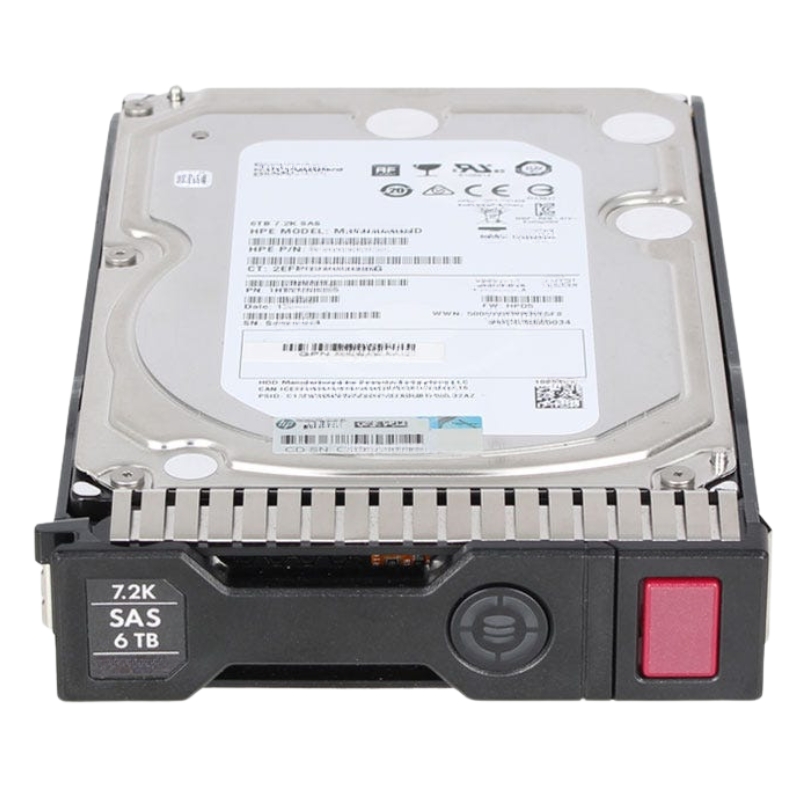


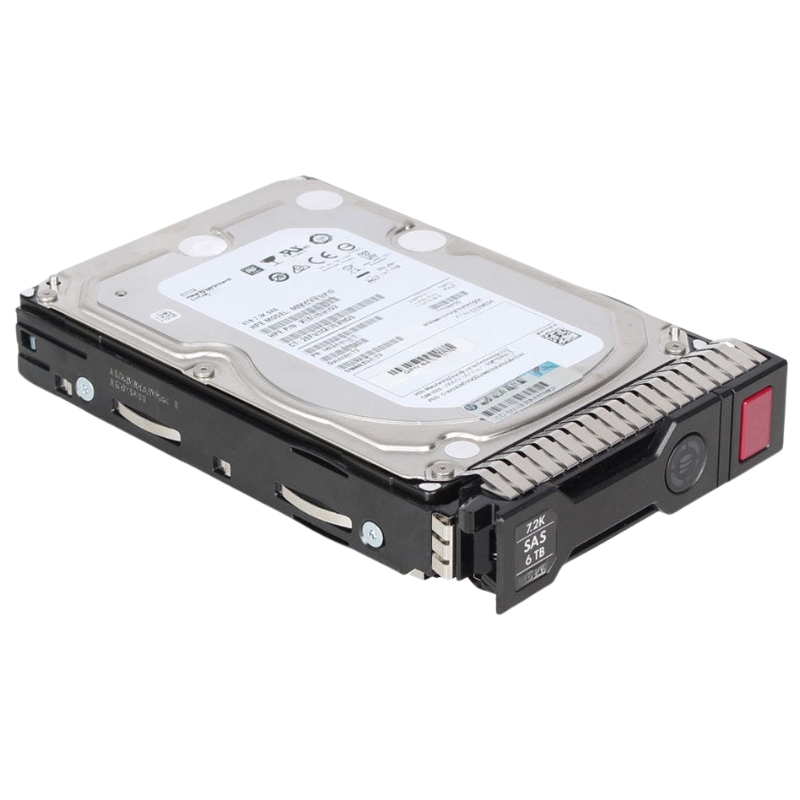
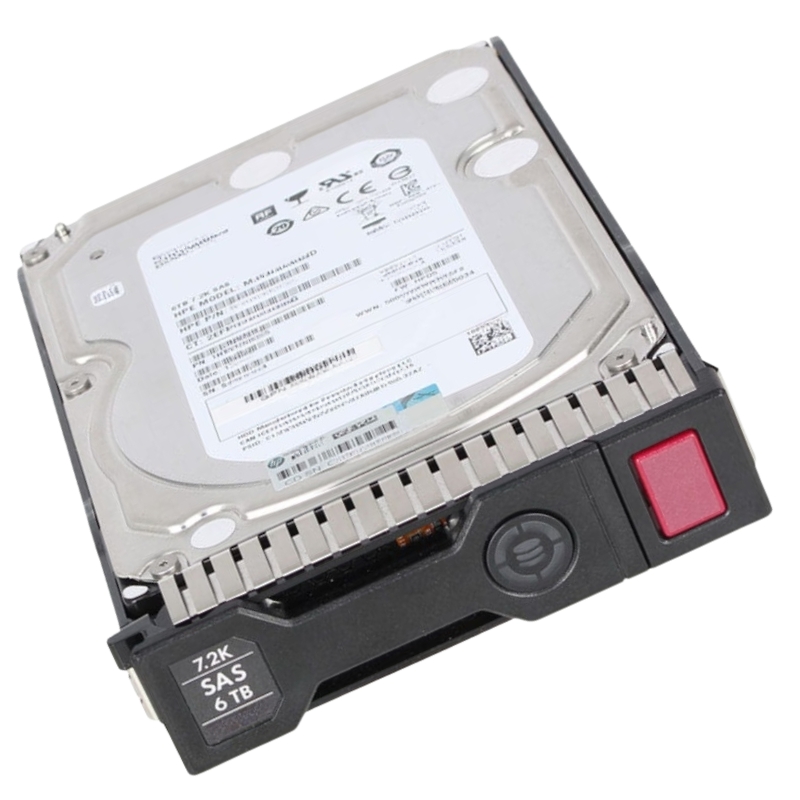
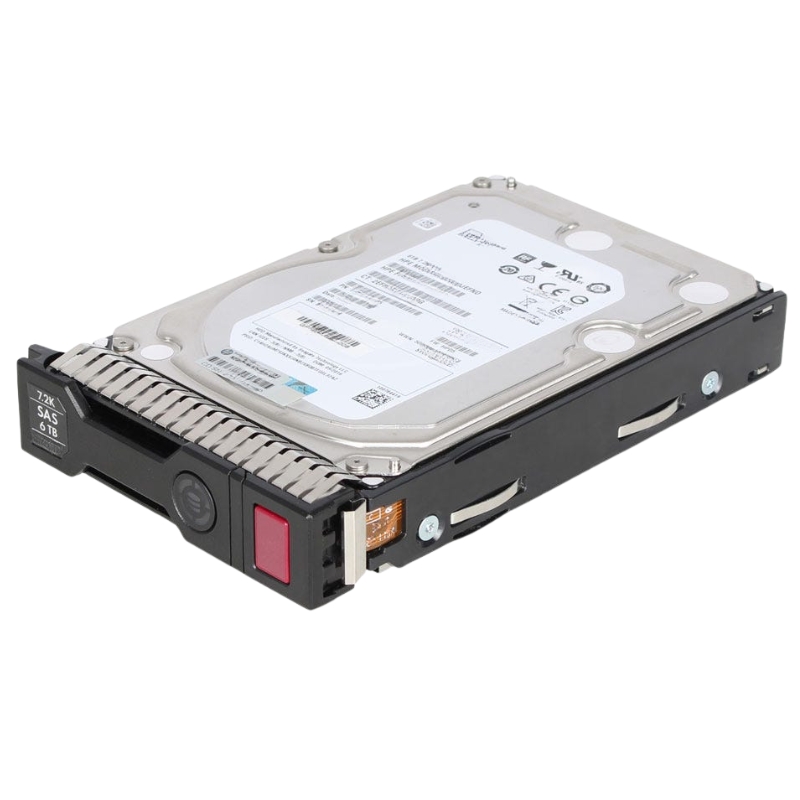
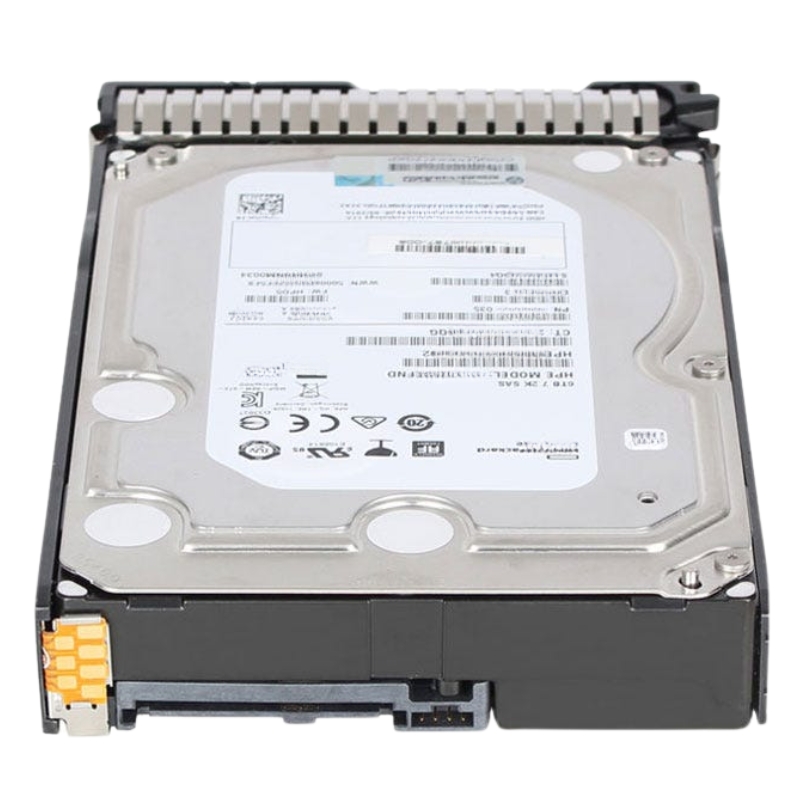
HPE 846611-001 6TB SAS 12GBPS 7.2K RPM 3.5Inch LFF LP DS HDD. Excellent Refurbished with 1-Year Replacement Warranty
The HPE 846611-001 6TB SAS hard drive is a reliable enterprise-class storage device designed for demanding server environments. Built to deliver consistent performance, scalability, and durability, this 3.5-inch Large Form Factor (LFF) hard disk drive is ideal for data centers, cloud infrastructure, and business-critical applications.
The HPE 846611-001 hard drive is widely compatible with multiple generations of HPE ProLiant servers, including Gen10, Gen10 Plus, Gen11, and Gen12 systems. It is engineered to integrate seamlessly into enterprise server infrastructures.
The HPE 846610-001 6TB 7200RPM 3.5-inch DS SAS-12G SC Midline hard drive is designed for enterprise-grade storage environments where reliability, scalability, and consistent performance are critical. Built for compatibility with HPE ProLiant Gen9 and Gen10 server platforms, this midline storage solution is engineered to support large-scale data workloads, archival systems, backup infrastructures, and business-critical applications that require dependable data access over long operational cycles. With a 12Gbps SAS interface and a 7200RPM spindle speed, this hard drive balances capacity efficiency with stable throughput, making it suitable for modern hybrid storage architectures.
The architecture of the HPE 846610-001 is centered around enterprise reliability and workload optimization. Unlike consumer-grade drives, this model is engineered for continuous operation in data center environments where uptime and data integrity are essential. The drive integrates SAS-12G technology, which enables faster data communication between the drive and the server backplane, reducing latency and improving responsiveness in multi-user environments. This makes it highly effective in virtualization environments, database storage tiers, and large-scale file serving systems.
The 12Gbps Serial Attached SCSI interface plays a significant role in defining the performance capabilities of this HDD. It provides a robust communication channel that supports higher data transfer rates compared to older SAS generations. This interface also improves command queuing efficiency, allowing multiple data requests to be handled simultaneously without significant performance degradation. In enterprise deployments, this ensures smoother workload distribution across storage arrays and improved system stability during peak usage periods.
Operating at 7200 revolutions per minute, the drive delivers a balanced combination of performance and energy efficiency. This rotational speed is commonly used in midline enterprise drives because it provides consistent access times while maintaining lower heat output and power consumption compared to high-performance 10K or 15K RPM drives. It is especially suitable for cold and warm data storage tiers, where large volumes of data are accessed less frequently but must remain readily available when needed.
The 3.5-inch form factor allows this drive to achieve higher storage densities per unit compared to smaller 2.5-inch alternatives. This makes it ideal for environments where rack space optimization is a priority. In HPE ProLiant server configurations, the larger form factor enables efficient scaling of storage capacity without requiring additional chassis expansions. This contributes to reduced infrastructure costs while maintaining high storage availability.
As a midline storage solution, the HPE 846610-001 is positioned between high-performance enterprise drives and archival-grade storage systems. It is optimized for workloads that require frequent but not constant access to data. This includes backup storage systems, file sharing environments, media repositories, and enterprise data lakes. The midline classification ensures that organizations can achieve cost-effective storage expansion without compromising essential performance requirements.
This hard drive is widely used in environments where capacity scaling is more important than ultra-low latency. It supports workloads such as virtualization storage pools, content repositories, surveillance data storage, and large-scale document management systems. In these scenarios, the drive provides stable throughput and predictable performance, which is crucial for maintaining operational continuity in enterprise IT infrastructures.
Modern enterprise architectures often rely on hybrid storage models that combine SSDs and HDDs to balance performance and cost. The HPE 846610-001 integrates seamlessly into such environments, typically serving as a capacity tier while SSDs handle high-performance workloads. This layered approach allows organizations to optimize storage costs while maintaining responsiveness for critical applications.
The Smart Carrier design enhances operational efficiency by providing visual indicators and improved hot-swap capabilities. This allows IT administrators to quickly identify drive status and perform maintenance without interrupting system operations. The SC mechanism is particularly valuable in high-availability environments where minimizing downtime is a critical requirement.
The hot-swap functionality enables administrators to replace or upgrade drives without shutting down the server. This feature is essential for mission-critical applications where downtime can result in operational and financial losses. It ensures that storage systems remain fully operational even during hardware maintenance or upgrades.
Enterprise storage systems demand high levels of data integrity and hardware durability, and the HPE 846610-001 is built to meet these requirements. It incorporates advanced error correction mechanisms, vibration resistance features, and firmware-level optimizations that enhance data reliability. These features reduce the risk of data corruption and ensure consistent performance under heavy workloads.
The drive includes advanced error recovery controls that help maintain data consistency even in the event of read or write anomalies. These mechanisms ensure that data integrity is preserved across long-term storage cycles, which is essential for enterprise backup systems and compliance-driven data environments.
In multi-drive server environments, vibration and heat can significantly impact performance and reliability. The HPE 846610-001 is engineered to withstand operational vibrations commonly found in dense server racks. Additionally, its thermal management characteristics allow it to operate efficiently under continuous workloads, helping maintain consistent performance and extending overall drive lifespan.
While the HPE 846610-001 is classified as a midline drive, it still delivers reliable sequential read and write performance suitable for enterprise workloads. Its SAS-12G interface ensures that data transfer rates remain stable even under concurrent access scenarios. This makes it an effective solution for environments that require predictable throughput rather than peak-speed burst performance.
In shared storage environments, multiple users or applications may access the same storage pool simultaneously. The drive’s ability to handle concurrent requests efficiently ensures minimal performance bottlenecks. This is particularly important in virtualized infrastructures where storage demand can fluctuate significantly throughout operational cycles.
Latency control is a critical aspect of enterprise storage performance. The HPE 846610-001 is optimized to maintain consistent response times, even during high-demand periods. This stability is essential for applications such as enterprise resource planning systems, customer databases, and file indexing services.
Scalability is one of the defining characteristics of enterprise storage solutions, and this HDD supports large-scale expansion strategies. Organizations can deploy multiple drives across storage arrays to increase capacity without significantly increasing infrastructure complexity. This makes it suitable for growing businesses that require predictable and cost-efficient storage expansion.
The drive can be integrated into RAID configurations and storage pools, enabling administrators to scale capacity as data requirements increase. This flexibility allows IT teams to optimize storage distribution based on workload priorities and business requirements.
For organizations that require long-term data retention, the HPE 846610-001 provides a stable and cost-effective solution. Its large capacity makes it ideal for archiving historical data, compliance records, and backup snapshots that must be preserved over extended periods.
Energy efficiency is an important consideration in data center operations, where large numbers of drives operate continuously. The 7200RPM speed and midline classification of this HDD contribute to reduced power consumption compared to high-performance enterprise drives. This helps organizations reduce operational costs while maintaining sufficient storage performance for essential workloads.
Lower heat generation contributes to improved thermal efficiency in server racks. This reduces the burden on cooling systems and enhances overall data center sustainability. Efficient thermal management also helps extend the lifespan of surrounding components.
The HPE 846610-001 supports cost-efficient scaling strategies by offering high storage capacity at a balanced performance level. This allows organizations to expand their storage infrastructure without incurring the high costs associated with SSD-only deployments.
Firmware-level optimizations ensure that the drive operates efficiently within HPE server ecosystems. These optimizations improve compatibility with system controllers and enhance performance consistency across different workloads. Integration with HPE management tools allows administrators to monitor drive health and performance metrics in real time.
Virtualized infrastructures benefit significantly from the consistent performance characteristics of this HDD. It supports virtual machine storage pools and shared storage systems, enabling efficient resource allocation and workload distribution across multiple virtual instances.
The lifecycle of enterprise hard drives is a critical factor in infrastructure planning. The HPE 846610-001 is designed for long-term operational use, ensuring consistent performance over extended deployment periods. Its durability and reliability features make it suitable for organizations that require stable storage infrastructure over multiple years.
The drive is engineered to handle continuous read and write cycles, making it suitable for 24/7 enterprise operations. This durability ensures that organizations can rely on consistent performance without frequent hardware replacements.


 Contact Us
 Information
 Catalog
 Solid State Drives (SSD)
 Network Switches
 Hard Disk Drives
 HBA & Controllers
 PC & Servers
 PC & Server Memory
 CPU & Processors
 Network Routers
 Power Supplies
 Tape Drives & Libraries
 Network Devices
 Computer & Network Cables