(7% discount is applied at checkout)
Cart is empty
Your go-to destination for cutting-edge server products
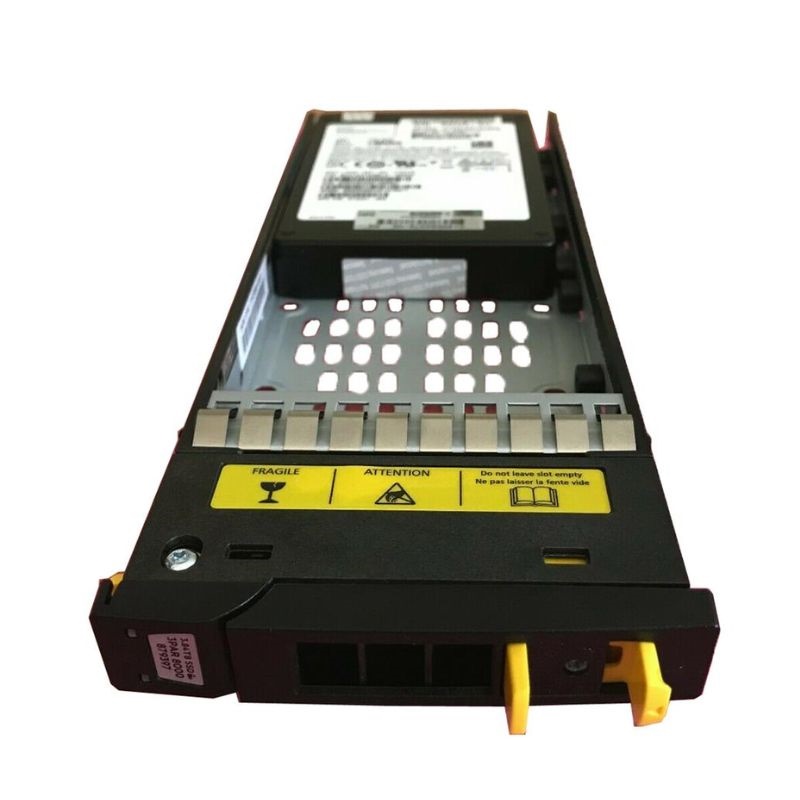


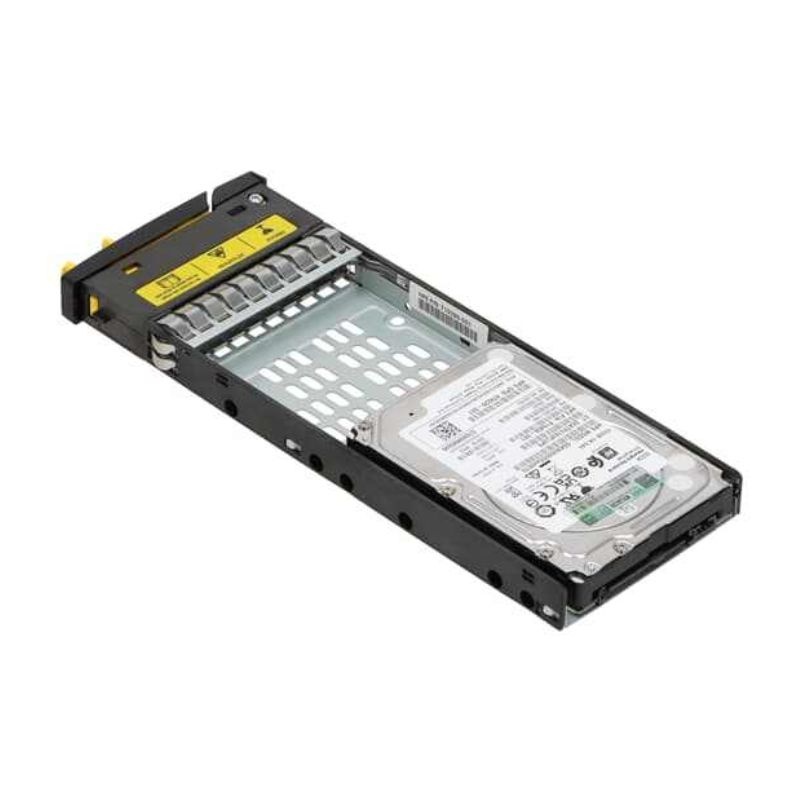
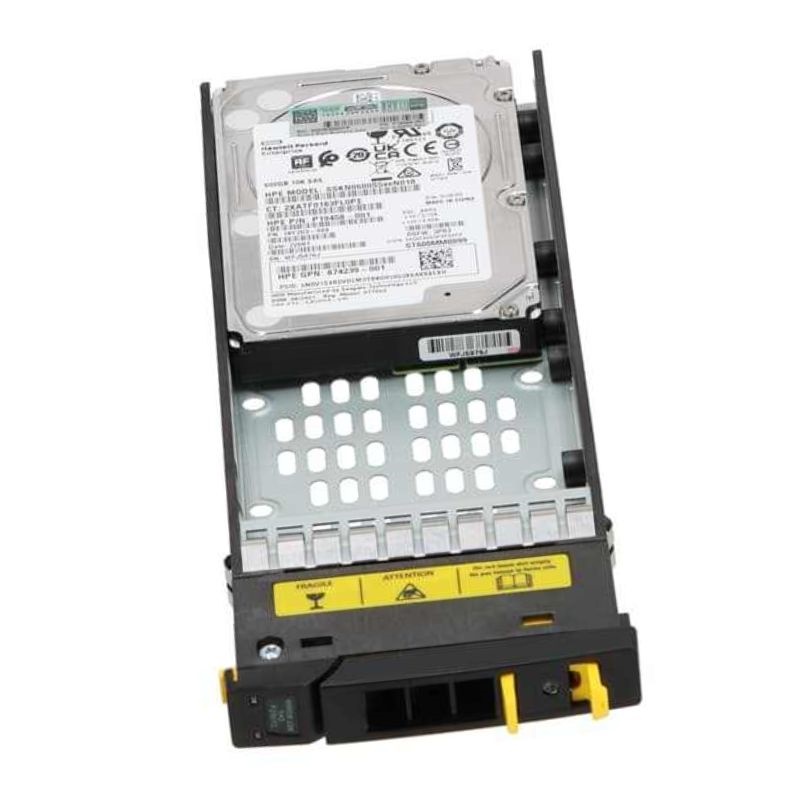
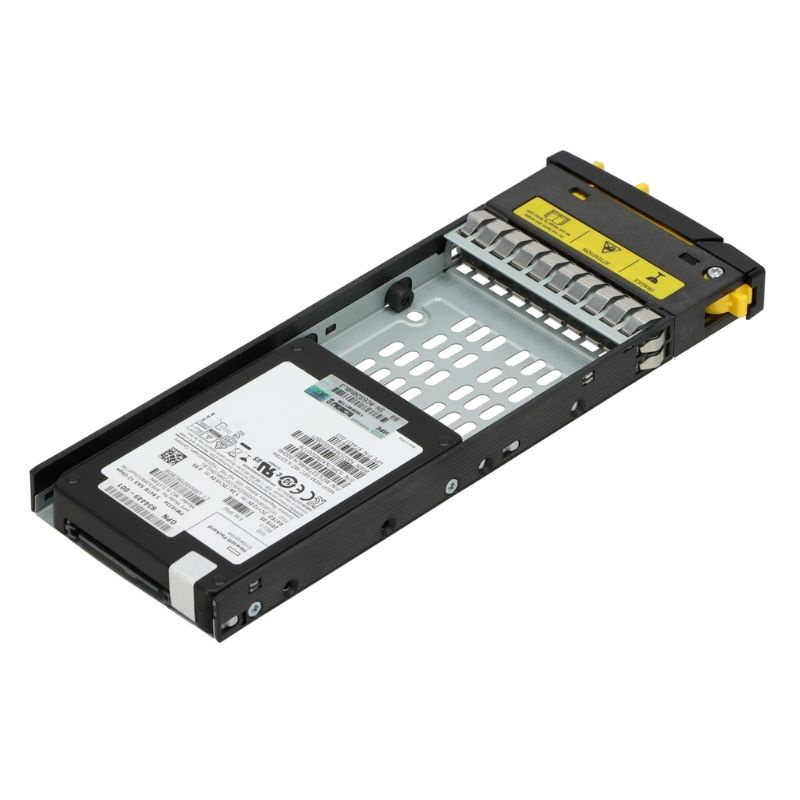
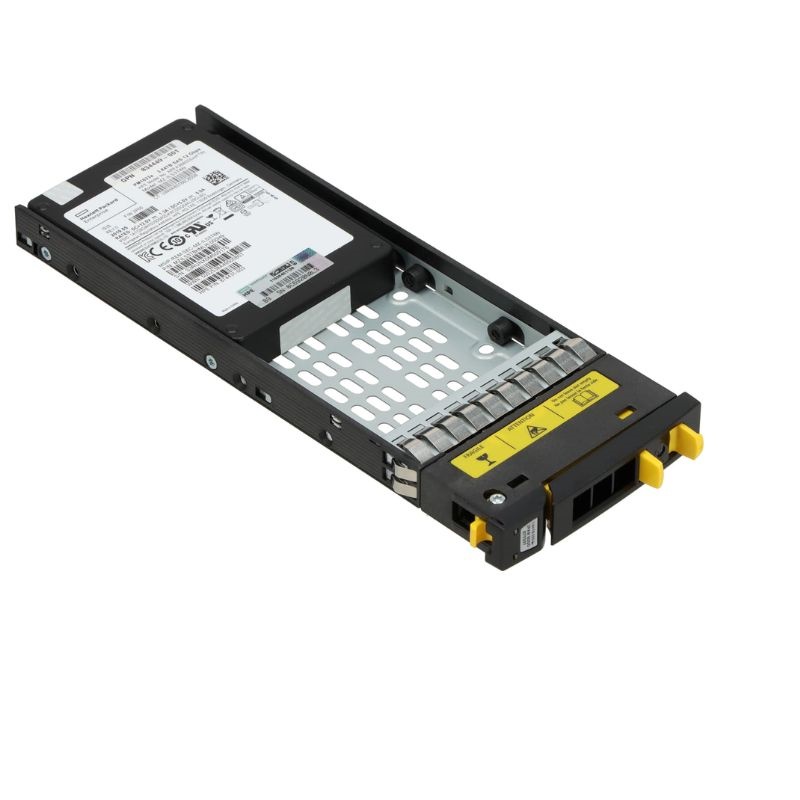
HPE 879397-001 3.84TB 3PAR 8000 StoreServ MLC SAS 12GBPS FIPS 2.5-inch Internal Solid State Drive. Excellent Refurbished with 1 Year Replacement Warranty
The HPE 879397-001 3.84TB 3PAR 8000 StoreServ Solid State Drive is designed to deliver outstanding performance, enterprise-grade reliability, and secure data handling for modern data centers. Built for high-capacity workloads, this 2.5-inch SAS-based drive ensures exceptional storage efficiency, making it a preferred choice for organizations that demand high input/output performance and uncompromised dependability.
This enterprise-grade SSD has been carefully engineered to support critical workloads, delivering faster data access, lower latency, and reduced downtime compared to traditional hard disk drives.
This drive is tailored for businesses handling massive datasets and applications requiring uninterrupted performance. It fits perfectly in environments where uptime, data integrity, and fast response are essential.
Designed specifically for HPE 3PAR StoreServ 8000 systems, the 879397-001 integrates seamlessly with existing infrastructure, delivering high throughput and consistent performance while maintaining compatibility with enterprise storage frameworks.
Enterprise-grade workloads demand drives that are resilient and powerful. The HPE 879397-001 ensures maximum efficiency with its robust MLC NAND technology and encryption features, delivering stability and long-lasting performance.
With this SSD, businesses gain enhanced flexibility, simplified data management, and the confidence of having a storage drive that can withstand demanding enterprise conditions. Its capacity and efficiency directly contribute to improved system scalability and operational cost savings.
The HPE 879397-001 3.84TB 3PAR 8000 StoreServ MLC SAS 12GBPS FIPS 2.5-inch Internal Solid State Drive belongs to HPE’s family of enterprise-grade, 3PAR StoreServ–qualified flash drives designed for persistent, high-availability Tier-1 storage. These drives are built to slot into HPE 3PAR StoreServ arrays (notably the StoreServ 8000 series and compatible mid-range 3PAR platforms) and are specified for use where consistent low latency, strong endurance characteristics for mixed workloads, and platform-certified firmware/compatibility are essential. Because HPE sells multiple spare part numbers and alternative part codes for the same physical module, buyers should always confirm the spare/assembly number listed in their host system documentation to guarantee a perfect fit.
At 3.84TB usable capacity, this drive class fits the capacity-optimized slot between smaller 1.92TB/960GB modules and larger multi-terabyte devices. The drive uses the common 2.5-inch small form factor (SFF) which makes it physically compatible with most modern blade and rack storage sleds in the HPE 3PAR StoreServ family while preserving density and thermal performance in dense arrays.
This model is implemented with multi-level cell (MLC) NAND flash media. MLC provides a balance of cost per GB and write endurance that suits mixed read/write enterprise workloads such as virtual machine storage, general purpose databases, and web-scale application tiering where read intensity is relatively high but occasional writes occur. Drive endurance characteristics (DWPD or TBW) will vary by specific firmware and NAND composition—consult the vendor datasheet or HPE support matrices for precise endurance numbers bound to each spare number and minimum OS level.
The HPE 879397-001 drive is a SAS (Serial Attached SCSI) enterprise drive designed for hot-pluggable, high-integrity array connections. Literature and marketplace listings for the family show both 6 Gbps and 12 Gbps SAS variants, and historically different StoreServ platforms and drive firmware/part numbers have been offered with different interface generations. For that reason, confirm whether your target array expects a 6Gb/s or 12Gb/s SAS part before placing an order; the physical drive will often be backwards compatible at the electrical level only when the array supports it and the spare part mapping is correct.
A defining feature of this specific part family is support for on-drive FIPS (Federal Information Processing Standards) encryption — typically FIPS 140-2 validated crypto engines built into the drive controller. FIPS encryption means the drive can perform hardware encryption of stored user data using validated cryptographic modules, meeting regulatory and compliance needs for government, defense, and regulated enterprise sectors. FIPS support simplifies meeting secure-erase, chain-of-custody, and data-at-rest compliance because the cryptographic key management and validation are handled at the drive level. Always verify the exact FIPS level and certificate number with the vendor if this is a contractual or regulatory requirement.
HPE often ships functionally identical physical drives under multiple spare part numbers and internal assembly codes (for example, the same 3.84TB module can appear as M0T66A, M0T66B, 834598-001, or 879397-001 depending on firmware revision, encryption, and the target 3PAR platform). The result is that shipping and procurement descriptions sometimes differ between resellers. To avoid compatibility issues, match the drive’s spare part number to the specific 3PAR StoreServ chassis and the minimum OS/firmware levels called out in HPE’s spare mapping documentation. If you are replacing drives in an existing array, pull the spare/assembly printed on the installed drive or reference the 3PAR spare lookup tables before purchasing.
Although the physical interface and form factor are standardized, the drive’s firmware and its required array minimum OS level are what determine true compatibility. Some spare variants will not be accepted by specific older 3PAR OS levels; HPE’s support notes explain the transition windows and alternate replacement models that apply when new dense capacity drives are introduced. For field upgrades or mass procurement, plan validation testing (one or two drives in a non-production pool) and consult HPE’s “Replacement Drive Model” matrices to reduce surprises.
As an enterprise SAS SSD in the 3PAR StoreServ portfolio, the 3.84TB MLC module is engineered for low single-millisecond latencies under typical mixed workloads. It is optimized for read-intensive and mixed application patterns: small random reads and writes typical of virtualization and OLTP benefit most, while large sequential throughput is also strong thanks to SAS queuing, NCQ (when supported) and controller offload. The exact IOPS and throughput are influenced by RAID level, array striping policy, 3PAR system cache behavior, and backplane link speed (6Gbps vs 12Gbps), so specifications must be interpreted in the context of the deployed array topology.
Enterprise MLC drives typically advertise endurance in Drive Writes Per Day (DWPD) or Total Terabytes Written (TBW) over a warranty period. Because enterprise buyers use drives in clustered and tiered pools, planning for lifecycle often involves setting replacement windows, overprovisioning (both logical and firmware level), and using RAID/erasure coding strategies to reduce write amplification. For deployments handling heavy database writes or large scale analytics ingest, pair endurance planning with monitoring tools that expose SMART attributes and reserved spare capacity so drive replacement is triggered proactively rather than reactively.
HPE recommends that drive firmware versions be aligned with platform best practices — a precaution that prevents surprising incompatibilities and improves performance stability. System administrators should follow HPE advisories for minimum firmware revisions and apply recommended patches in maintenance windows. When adding a new drive to an array, confirm the drive’s firmware revision against the 3PAR system’s compatibility list and apply any vendor updates on a rolling schedule in accordance with HPE’s guidance.
Use the 3PAR management console and HPE InfoSight/OneView integrations to monitor SMART metrics, wear leveling indicators, temperature, media errors, and spare capacity. The 3PAR suite exposes predictive failure diagnostics; combining these insights with vendor telemetry lets administrators schedule nondisruptive rebuilds and minimize risk. For regulated or high-security installations, ensure monitoring logs are retained for the period required by your compliance framework and include drive serial/shipping records as part of audit trails.
On-drive FIPS encryption offloads cryptographic duties to a validated module in the drive controller. Operationally, that means data-at-rest encryption does not rely on the host OS or external encryption appliances; instead, the drive enforces cryptographic protection and secure key handling. For organizations requiring FIPS-validated cryptography, this reduces scope and complexity for compliance audits. That said, you must integrate drive key management into your broader security architecture — lost cryptographic keys or mismanaged key rollover procedures can render data irretrievable.
Drives with hardware encryption usually support cryptographic secure erase via key destruction — the fastest and most reliable method to render previously stored user data unrecoverable. For decommissioning or repurposing drives, follow HPE’s secure erase workflows and document key destruction as part of your IT asset disposition (ITAD). If holding evidence for compliance audits, capture certification numbers and procedural evidence at the time of secure erase.
Selecting capacity should be a function of density needs, performance per dollar, and lifecycle plans. The 3.84TB point represents a mid/high density option for workloads that need significant random read/write performance without the higher cost or different endurance profiles of very large capacity QLC drives or the higher endurance of SLC/enterprise-grade eMLC/PLP offerings. If your workload is predominantly read-heavy, 3.84TB MLC is often the sweet spot; if you need sustained heavy writes, investigate higher endurance SKUs or different RAID/erasure strategies.
Because marketplace listings show both 6Gb/s and 12Gb/s interface variants for the same capacity/3PAR family, confirm the exact interface supported by your array backplane and the minimum OS level. In practice, a 12Gb/s drive may operate at lower link speeds depending on cable and backplane constraints, but manufacturer compatibility lists are the authoritative source for which spare will be accepted by a given 3PAR chassis. Matching interface and firmware correctly avoids degraded performance or unsupported configurations.
For arrays with N+1 redundancy or RAID groups, stagger drive replacements and perform them in scheduled maintenance windows to reduce rebuild contention. Overloading the rebuild pipeline or replacing multiple drives in the same failure domain at once increases the likelihood of performance impact or data vulnerability. Maintain spare inventory on site that matches the part mapping of deployed firmware levels to avoid emergency cross-compatibility issues.
Even with hardware encryption and enterprise reliability, integrate snapshots and replication strategies into normal operations. Use 3PAR tiering features to place hot data on flash tiers like this 3.84TB module and cooler data on high-capacity HDD tiers. Regularly validate restore operations from snapshots and replication targets so you can meet RTO/RPO commitments during actual incidents.
This category — 3.84TB HPE 3PAR StoreServ MLC SAS FIPS 2.5-inch internal SSDs — represents a pragmatic intersection of capacity, proven array compatibility, hardware encryption for compliance, and the performance profile needed for consolidated virtualized and mixed workload deployments. The drives offer density for flash-first architectures while maintaining the enterprise features (hot-swap, SMART telemetry, FIPS crypto, and firmware management) required in a production datacenter. Procurement teams benefit from the wide supply ecosystem (OEM and refurb channels), but must take care to match spare part numbers, firmware and SAS link generation to avoid integration friction.


 Contact Us
 Information
 Catalog
 Solid State Drives (SSD)
 Network Switches
 Hard Disk Drives
 HBA & Controllers
 PC & Servers
 PC & Server Memory
 CPU & Processors
 Network Routers
 Power Supplies
 Tape Drives & Libraries
 Network Devices
 Computer & Network Cables