(7% discount is applied at checkout)
Cart is empty
Your go-to destination for cutting-edge server products
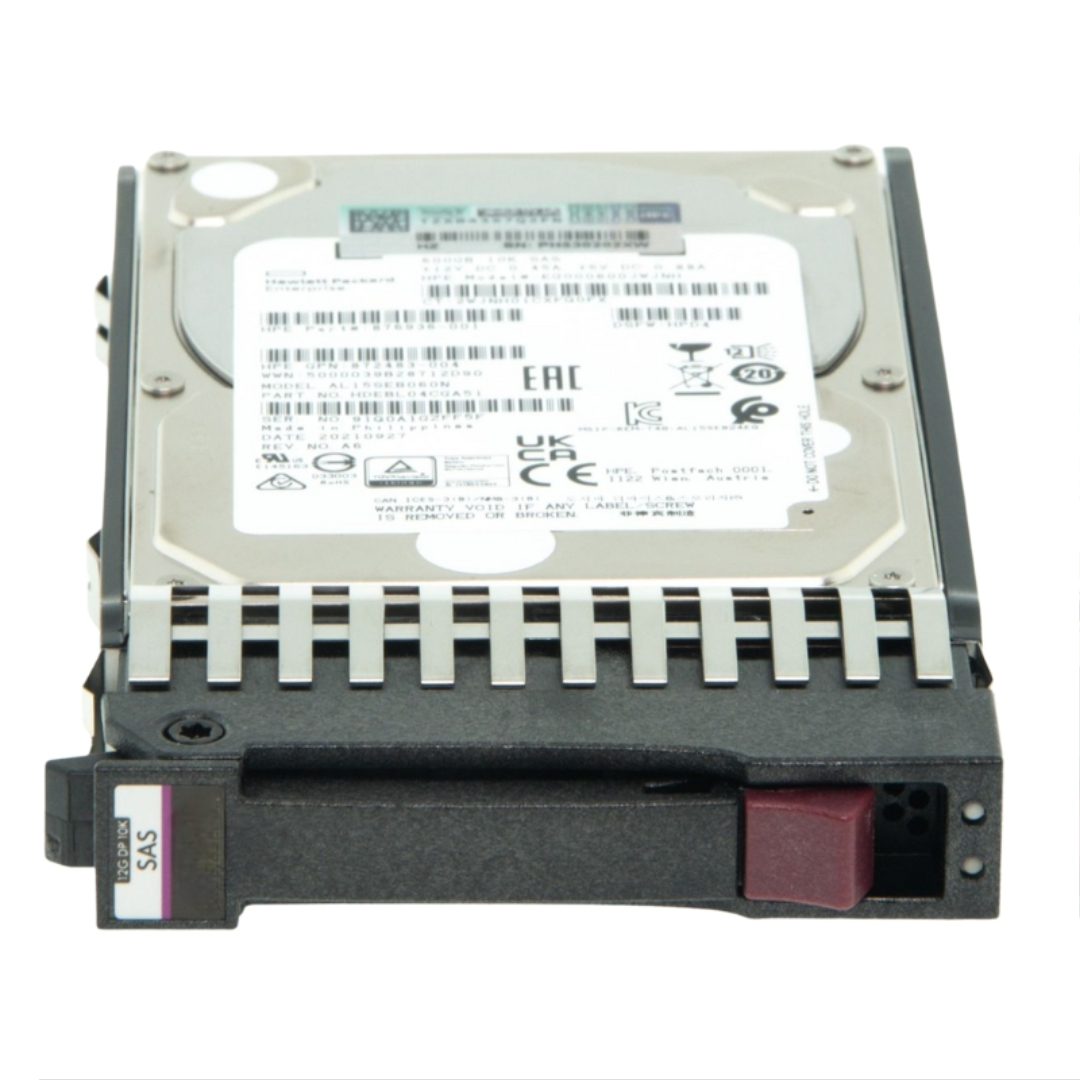


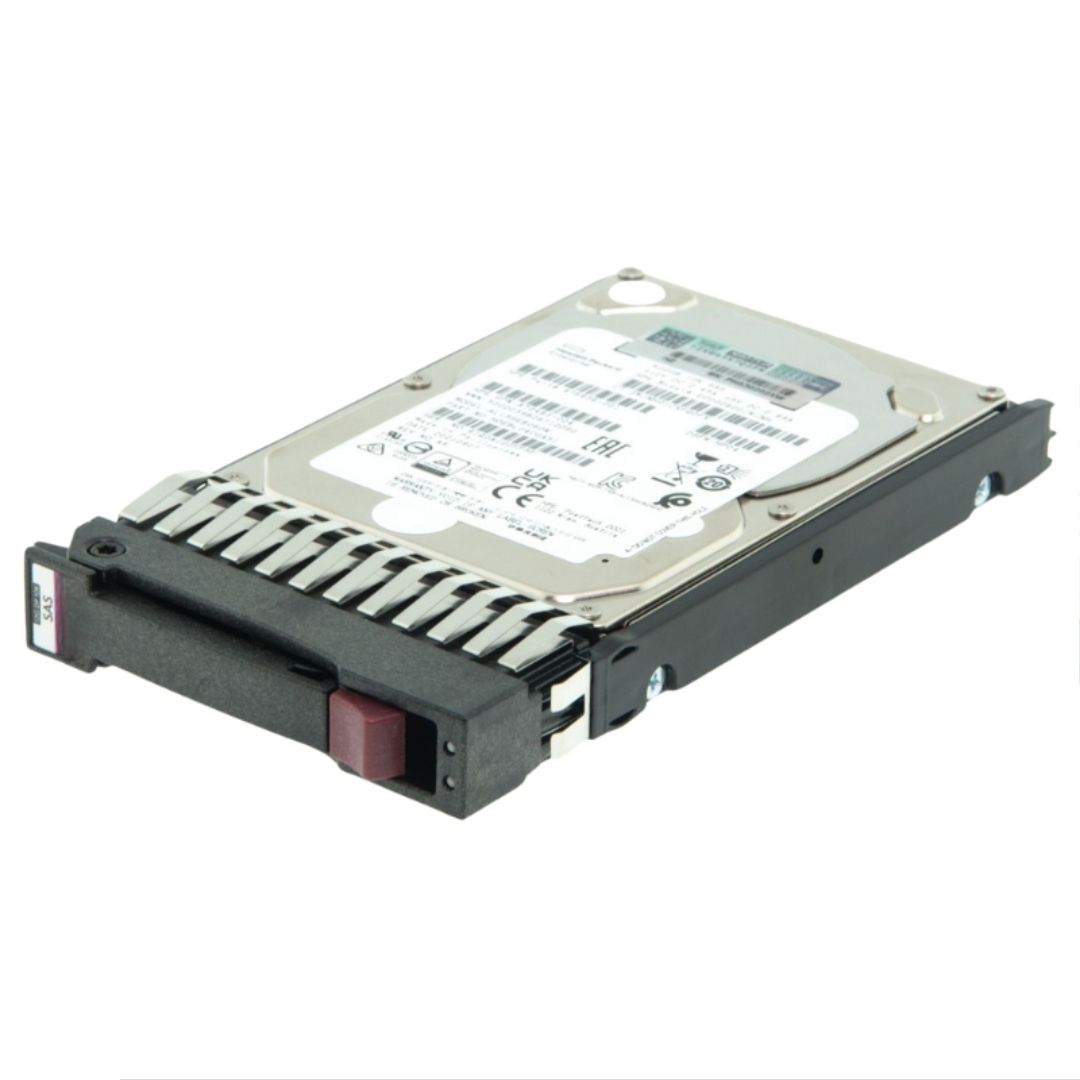
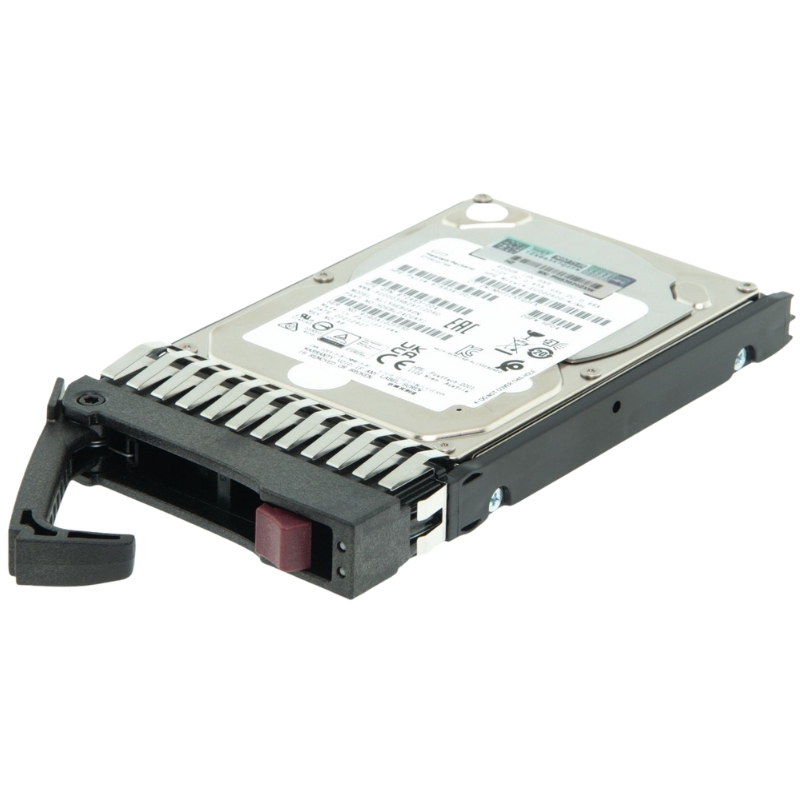
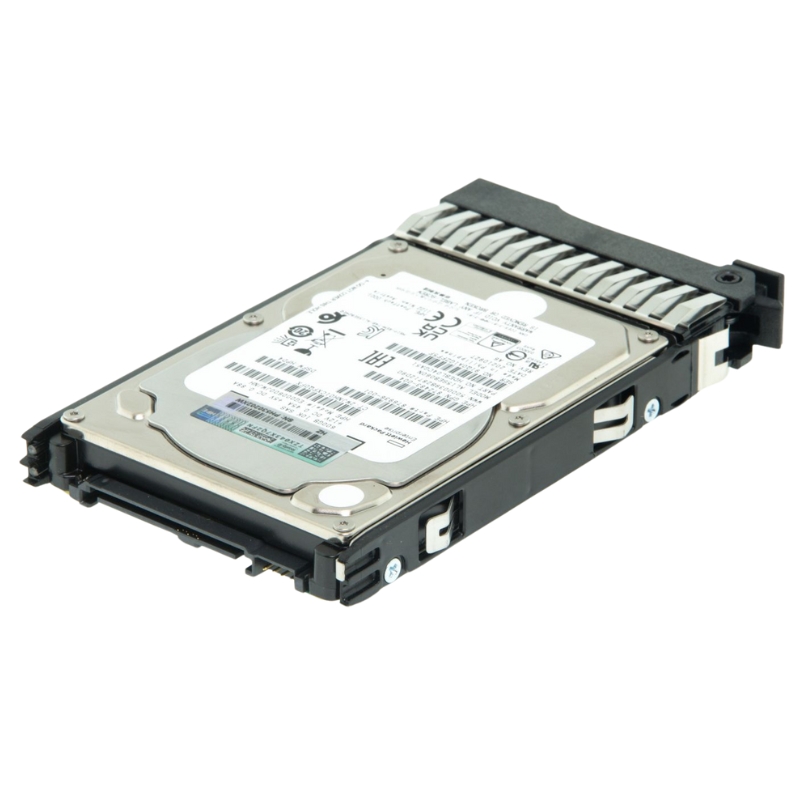
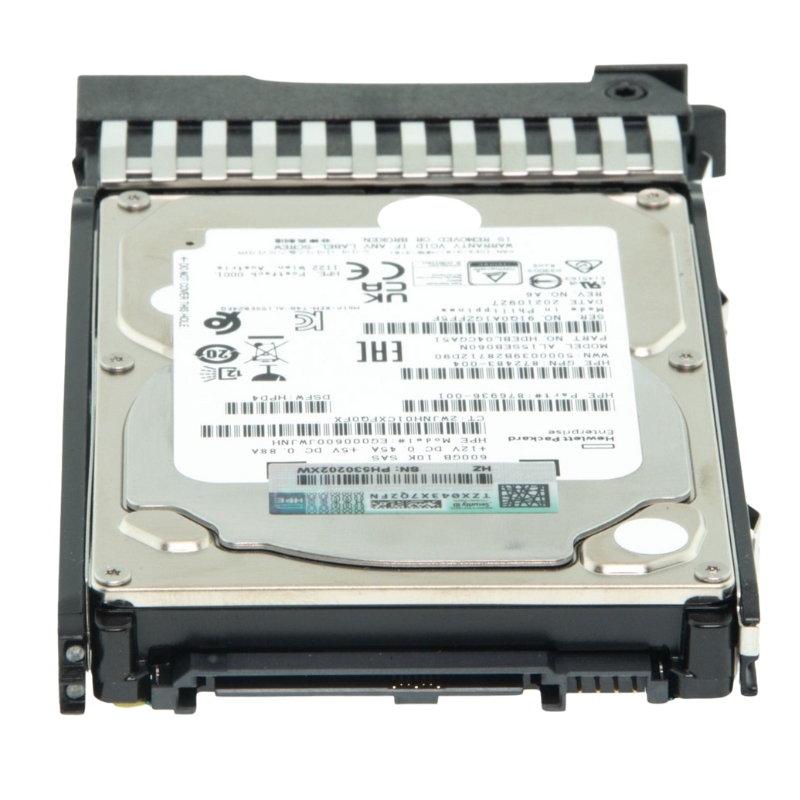
HPE N9X10A SV3000 2TB SAS 12GBPS 7.2K LFF 512e Hard Drive. New (System) Pull with 1-Year Replacement Warranty
The HPE N9X10A hard drive is designed to provide businesses with reliable data storage, exceptional performance, and robust scalability. Belonging to the HPE SV3000 series, this enterprise-grade drive is built to meet the demands of data-intensive workloads while ensuring long-term durability. With a blend of cutting-edge features and eco-friendly standards, it supports modern IT infrastructure with efficiency and stability.
Compatibility
The HPE N9X10A SV3000 2TB SAS 12Gbps 7.2K LFF 512e Hard Drive represents a robust and reliable storage solution tailored for enterprise environments that demand consistency, scalability, and long-term durability. Designed for modern data centers, this drive integrates seamlessly into mission-critical infrastructures, offering a balanced combination of capacity, speed, and efficiency. Businesses relying on continuous uptime, structured data storage, and virtualization workloads benefit significantly from this enterprise-grade hard disk.
With a 2TB capacity, this hard drive is ideal for storing large volumes of business data, backups, archival content, and application workloads. Its SAS (Serial Attached SCSI) interface ensures high-speed data transfer and enhanced reliability compared to SATA drives, making it suitable for enterprise-level deployments where performance and dependability are paramount.
The 12Gbps SAS interface is a defining feature of the HPE N9X10A, enabling significantly faster data transfer rates compared to older SAS generations. This high bandwidth ensures smooth handling of data-intensive applications such as database management systems, cloud computing platforms, and large-scale virtualization environments.
SAS drives are known for their dual-port connectivity, which enhances redundancy and ensures continuous operation even if one data path fails. This feature is particularly critical in enterprise environments where downtime can result in substantial operational losses. The dual-port design also facilitates improved load balancing, distributing data traffic efficiently across multiple channels.
Furthermore, the 12Gbps speed supports quicker data access and reduced latency, allowing organizations to maintain productivity and responsiveness even under heavy workloads. Whether used in RAID configurations or standalone deployments, this interface ensures consistent and reliable performance.
Operating at 7,200 RPM, the HPE N9X10A hard drive offers a balanced approach between performance and energy efficiency. While higher RPM drives such as 10K or 15K are optimized for speed, the 7.2K RPM drives are designed to provide adequate performance for general enterprise workloads while minimizing power consumption and heat generation.
This balance makes the drive particularly suitable for applications such as file servers, backup systems, and nearline storage. It ensures stable performance without overburdening the system’s cooling infrastructure or increasing operational costs associated with energy consumption.
Organizations looking to optimize their infrastructure costs while maintaining reliable storage performance will find this rotational speed highly advantageous. It supports consistent read/write operations and ensures data integrity across prolonged usage periods.
The Large Form Factor (LFF) design of the HPE N9X10A provides increased storage density and improved scalability for enterprise storage arrays. LFF drives, typically 3.5 inches in size, are favored in data centers where maximizing storage capacity per drive bay is a priority.
This form factor allows organizations to scale their storage infrastructure efficiently without requiring additional hardware expansion. It is particularly beneficial in environments where rack space is limited, yet storage demands continue to grow.
Additionally, LFF drives tend to offer better cost-per-terabyte ratios compared to smaller form factors, making them an economical choice for bulk storage and archival purposes. This makes the HPE N9X10A an ideal candidate for businesses aiming to optimize both performance and cost efficiency.
The 512e (512-byte emulation) sector format ensures compatibility with legacy systems while still benefiting from the advantages of advanced format technology. This hybrid approach allows the drive to work seamlessly with older operating systems and applications that may not support newer sector formats.
At the same time, 512e drives internally use larger sector sizes, which improve storage efficiency and error correction capabilities. This results in enhanced data reliability and reduced risk of data corruption.
Enterprises that are transitioning from older infrastructure to modern systems will find the 512e format particularly useful, as it minimizes compatibility issues while still delivering improved performance and reliability.
Reliability is a critical factor in enterprise storage, and the HPE N9X10A is engineered to meet rigorous standards. Designed for continuous operation, this hard drive supports 24/7 workloads, making it suitable for mission-critical applications.
The drive undergoes extensive testing and validation to ensure it can withstand the demanding conditions of enterprise environments. Features such as advanced error correction, vibration tolerance, and thermal management contribute to its long lifespan and consistent performance.
Additionally, enterprise drives like the HPE N9X10A typically offer higher Mean Time Between Failures (MTBF) ratings compared to consumer-grade drives. This ensures reduced downtime and lower maintenance costs over time, making it a dependable choice for businesses of all sizes.
The HPE N9X10A SV3000 2TB SAS hard drive is versatile and can be deployed across a wide range of enterprise applications. It is particularly well-suited for:
File and storage servers where large volumes of data need to be stored and accessed efficiently. Backup and archival systems that require reliable and cost-effective storage solutions. Virtualized environments where multiple virtual machines depend on consistent storage performance. Cloud infrastructure that demands scalable and dependable storage components.
In addition, it is an excellent choice for data centers handling big data analytics, content delivery networks, and enterprise resource planning systems. Its combination of capacity, speed, and reliability ensures it can handle diverse workloads effectively.
Energy efficiency is a key consideration in modern data centers, and the HPE N9X10A addresses this need effectively. The 7.2K RPM design consumes less power compared to higher-speed drives, resulting in reduced energy costs and lower heat generation.
Lower heat output also means reduced cooling requirements, which further contributes to operational cost savings. Over time, these savings can be substantial, especially in large-scale deployments where hundreds or thousands of drives are in operation.
By choosing energy-efficient storage solutions like the HPE N9X10A, organizations can achieve sustainability goals while maintaining high performance and reliability.
The HPE N9X10A hard drive is designed for seamless integration with HPE servers and storage systems. This ensures optimal compatibility and performance, reducing the risk of integration issues that can arise with third-party components.
HPE’s rigorous testing and certification processes guarantee that this drive meets the highest standards of quality and performance. This makes it an ideal choice for organizations already using HPE infrastructure, as it simplifies deployment and maintenance.
Furthermore, integration with HPE management tools allows administrators to monitor drive health, performance, and status in real time. This proactive approach helps prevent potential issues and ensures uninterrupted operation.
Data security is a top priority for enterprises, and the HPE N9X10A incorporates features that help protect sensitive information. Advanced error correction algorithms ensure data integrity during read and write operations, minimizing the risk of data loss.
Additionally, enterprise-grade drives are designed to handle high workloads without compromising data accuracy. This is crucial for applications such as financial systems, healthcare databases, and legal records management.
By maintaining high levels of data integrity and reliability, the HPE N9X10A helps organizations safeguard their critical information and maintain compliance with industry regulations.
As businesses grow, their storage requirements increase exponentially. The HPE N9X10A provides a scalable solution that can adapt to evolving needs. Its 2TB capacity allows organizations to expand their storage infrastructure without frequent upgrades.
When used in RAID configurations or storage arrays, multiple drives can be combined to create high-capacity storage systems. This scalability ensures that businesses can continue to operate efficiently without disruptions caused by storage limitations.
The drive’s compatibility with various HPE systems further enhances its scalability, making it a future-proof investment for organizations planning long-term growth.


 Contact Us
 Information
 Catalog
 Solid State Drives (SSD)
 Network Switches
 Hard Disk Drives
 HBA & Controllers
 PC & Servers
 PC & Server Memory
 CPU & Processors
 Network Routers
 Power Supplies
 Tape Drives & Libraries
 Network Devices
 Computer & Network Cables