(7% discount is applied at checkout)
Cart is empty
Your go-to destination for cutting-edge server products
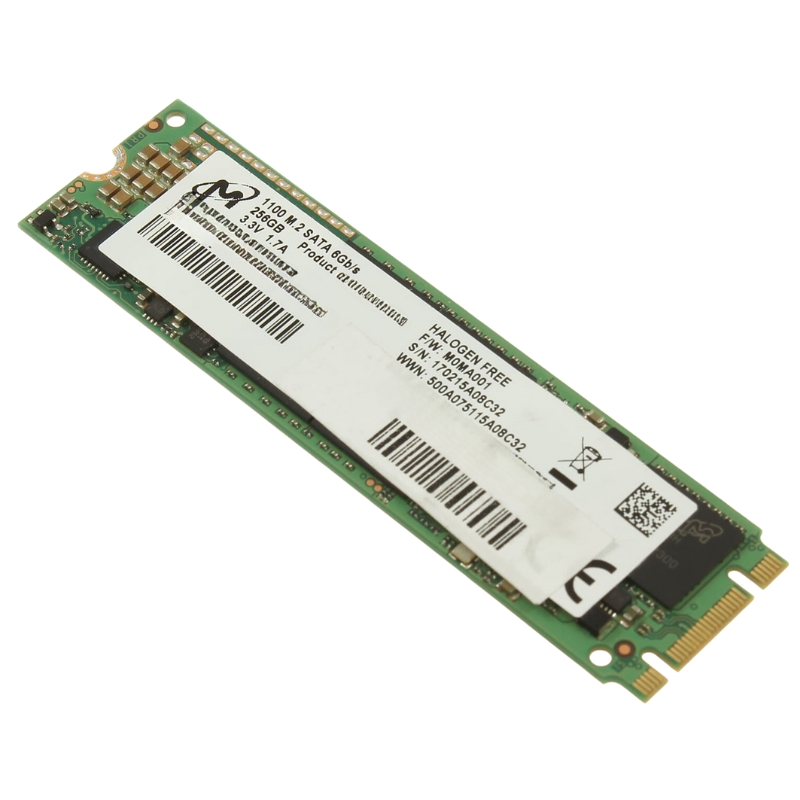


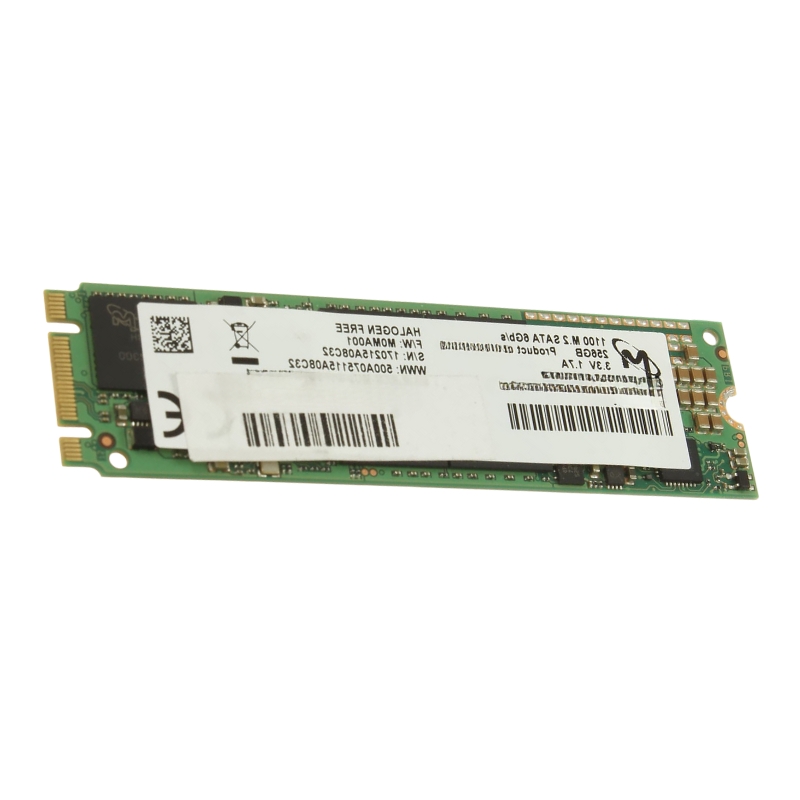
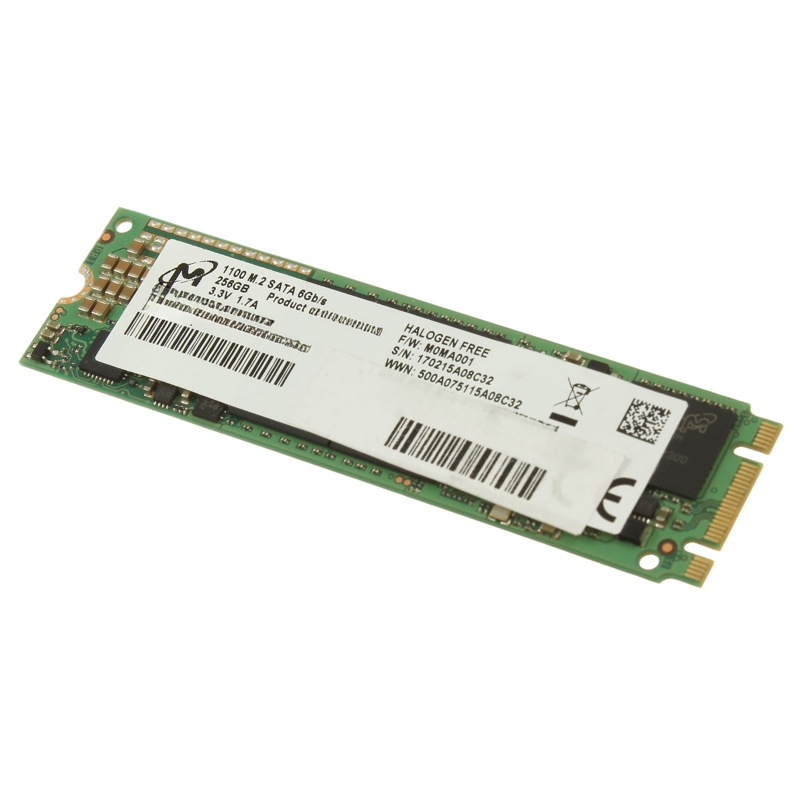
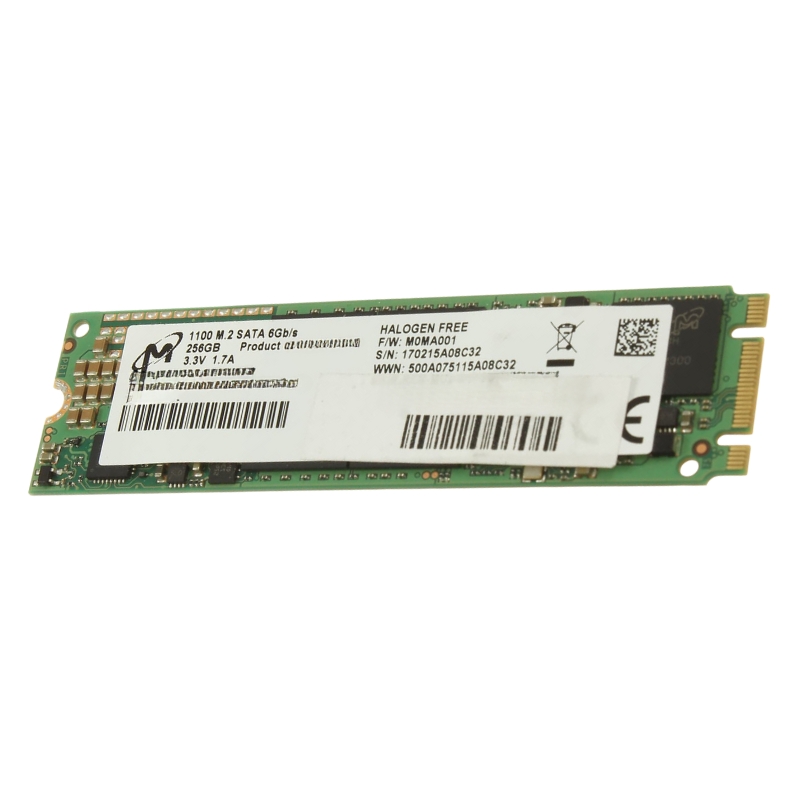
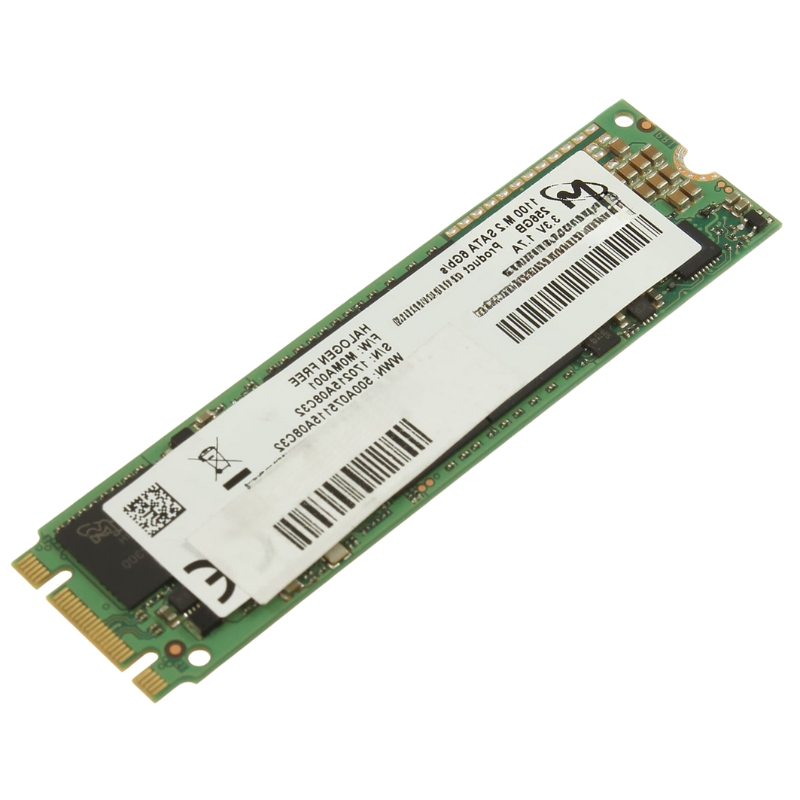
HPE P10371-001 256GB SATA 6GBPS Read Intensive M.2 DS 2242 SSD. New Sealed in Box (NIB) with 3 years Warranty
Product Overview — HPE P10371-001 256GB SATA 6Gb/s Read-Intensive M.2 DS2242 SSD
The HPE P10371-001 is a high-performance solid-state drive (SSD) in an M.2 2242 form factor. With 256GB capacity and a SATA 6Gb/s interface, this drive is engineered for read-intensive workloads, fast boot times, and consistent data throughput. It’s an ideal storage upgrade or replacement for servers, edge devices, and compact computing systems that demand reliable, low-latency flash storage.
Designed to deliver predictable performance for predominantly read-heavy applications, this SSD offers:
HPE SSDs are built for durability and enterprise-grade resiliency. The P10371-001 includes wear-leveling, bad-block management, and internal error correction to protect stored data and extend usable life.
Integrates with common management tools for SMART reporting and proactive replacement planning, helping administrators monitor endurance, temperature, and I/O statistics.
The compact M.2 2242 profile and SATA interface make this SSD compatible with a broad range of compact servers, workstations, and embedded platforms. Typical deployments include:
Installing the HPE P10371-001 is straightforward, but following best practices ensures optimal longevity and performance:
Although M.2 2242 SSDs have a small footprint, ensure adequate airflow in confined enclosures to avoid thermal throttling under sustained workloads.
Choosing the HPE P10371-001 delivers several practical benefits for IT teams and integrators:
The M.2 2242 form factor provides a balance of size and performance, enabling dense storage configurations in blade servers, microservers, and embedded systems. The SATA 6Gbps interface offers wide compatibility with legacy SATA controllers while delivering predictable latency and throughput for read-dominant workloads.
At 256GB, the P10371-001 targets read-heavy use cases where capacity demands are moderate but performance and longevity matter. Being labeled as "read intensive" suggests firmware and flash management optimized for high read-to-write ratios. Typical endurance for this class is tuned to enterprise-read profiles: sufficient write endurance for boot devices, OS volumes, read caches, and lightweight database indexes while minimizing unnecessary overprovisioning that would inflate cost per GB.
While peak sequential read and write numbers vary with firmware and controller revisions, this SATA-based M.2 SSD reliably delivers enterprise-grade random read performance and consistent low-latency I/O for small block reads (4K random reads) — the most common pattern in server operating systems and virtualized workloads. The SATA 6Gbps link caps theoretical bandwidth, so focus on IOPS, latency, and quality-of-service (QoS) characteristics when benchmarking real workloads.
Read-intensive drives typically reduce write-amplifying features that are critical for heavy-write endurance classes. In exchange, they optimize read-path caching, prefetch algorithms, and firmware-level error management to sustain higher sustained read rates with stable latency under continuously heavy read operations.
The SATA 6Gbps M.2 interface allows the P10371-001 to be compatible with a wide range of HPE ProLiant servers and storage appliances that expose M.2 slots or support M.2 adapters. When integrating into non-HPE systems, confirm BIOS/UEFI support for M.2 SATA boot devices and controller compatibility. Some systems prefer NVMe M.2 modules and may require a BIOS setting to enable SATA mode for the M.2 socket. Always validate the server's hardware compatibility list (HCL) against the HPE part number for guaranteed support.
The DS 2242 module is physically smaller than 2280 or 2260 modules and therefore may require adapters or carrier brackets in some chassis. Power consumption is typically low, but verify peak and idle power specs for thermal and power budgeting in dense server deployments. Proper airflow across M.2 sockets helps maintain performance and longevity.
Proper deployment ensures predictable operation and service longevity. Follow these practical guidelines when installing or commissioning the HPE P10371-001 256GB M.2 SSD:
When deploying in production, align SSD firmware with HPE's recommended firmware builds and host driver versions. Firmware updates can fix critical stability and performance issues; however, follow change-control and backup best practices before applying updates. Keep firmware and storage host drivers consistent across clusters to avoid heterogeneous behavior under load.
Many deployments use M.2 SSDs as single-device OS boot volumes or as part of software RAID configurations. If building RAID arrays with M.2 modules, prefer controller or OS-level RAID solutions supported by HPE and the OS vendor. Avoid mixing read-intensive M.2 drives with write-intensive drives in the same RAID group if endurance and performance characteristics differ significantly.
When benchmarking or tuning for sustained read performance, use tools that simulate real workload characteristics — for example, mixed random read/write with appropriate queue depths, and small-block 4K reads to model OS and virtualization workloads. Measure latency distribution (not only average IOPS) to ensure the drive meets QoS expectations under production-like concurrency.
Data security is a design consideration: while SATA M.2 SSDs may support hardware encryption features, confirm whether the P10371-001 includes self-encrypting drive (SED) capabilities. If encryption is required, prefer drives with certified AES-based on-drive encryption and ensure key management integrates with your enterprise KMS or HPE security ecosystem.
For redeployment or disposal, use vendor-recommended secure-erase utilities to sanitize data. Physical destruction is the most secure option for decommissioning, but certified secure-erase procedures meet many compliance regimes when properly applied and audited.
Consider M.2 to U.2 adapters, carrier brackets, heatsinks, and SATA controller cards when planning deployments. For chassis lacking direct M.2 sockets, adapter boards enable the use of M.2 2242 modules in standard drive bays. Thermal pads and small heatsinks can stabilize performance in high-airflow environments.


 Contact Us
 Information
 Catalog
 Solid State Drives (SSD)
 Network Switches
 Hard Disk Drives
 HBA & Controllers
 PC & Servers
 PC & Server Memory
 CPU & Processors
 Network Routers
 Power Supplies
 Tape Drives & Libraries
 Network Devices
 Computer & Network Cables