(7% discount is applied at checkout)
Cart is empty
Your go-to destination for cutting-edge server products
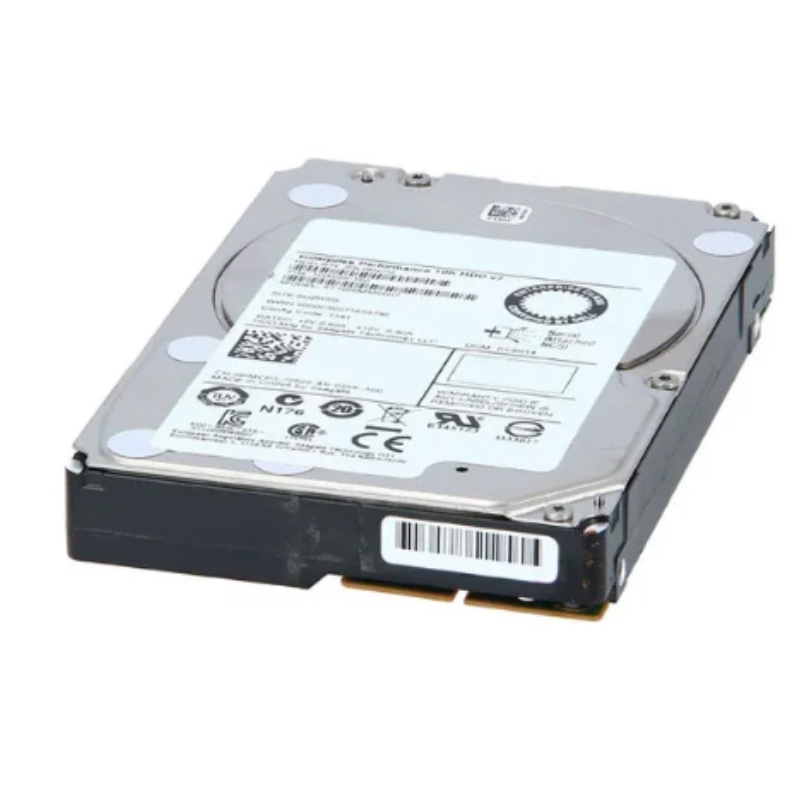


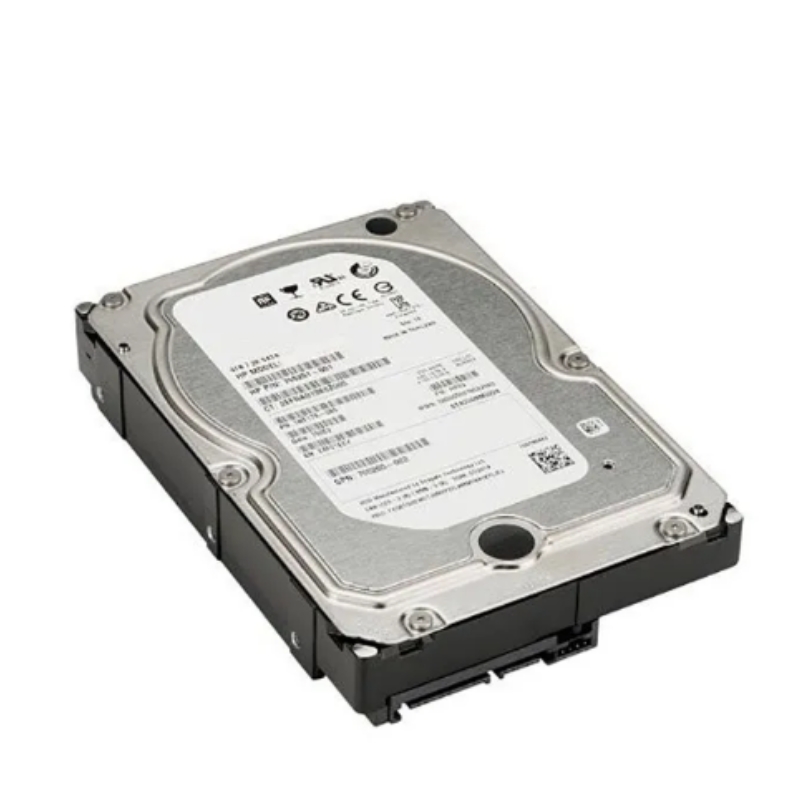
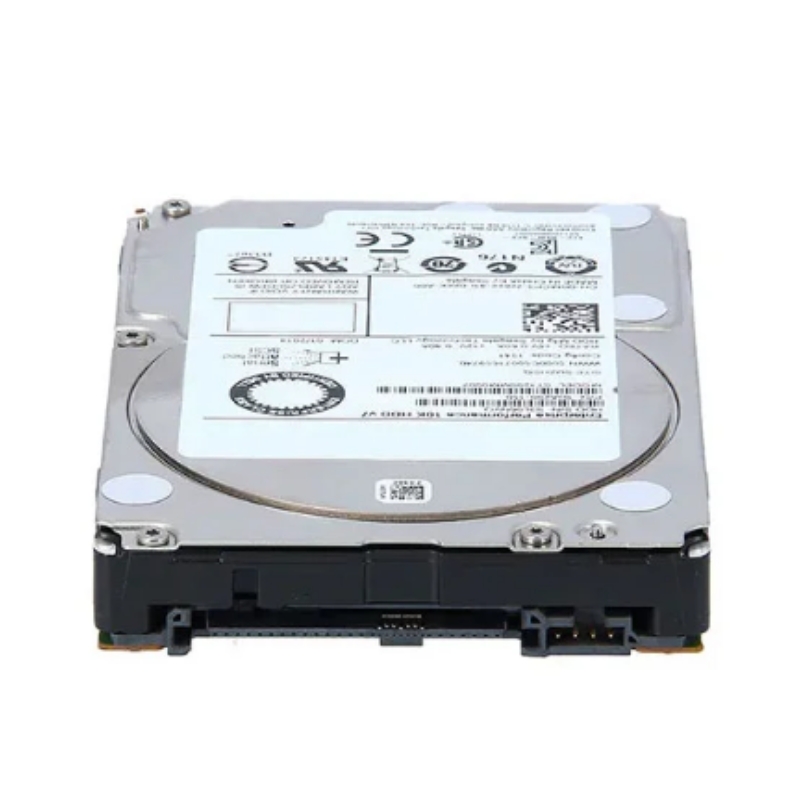
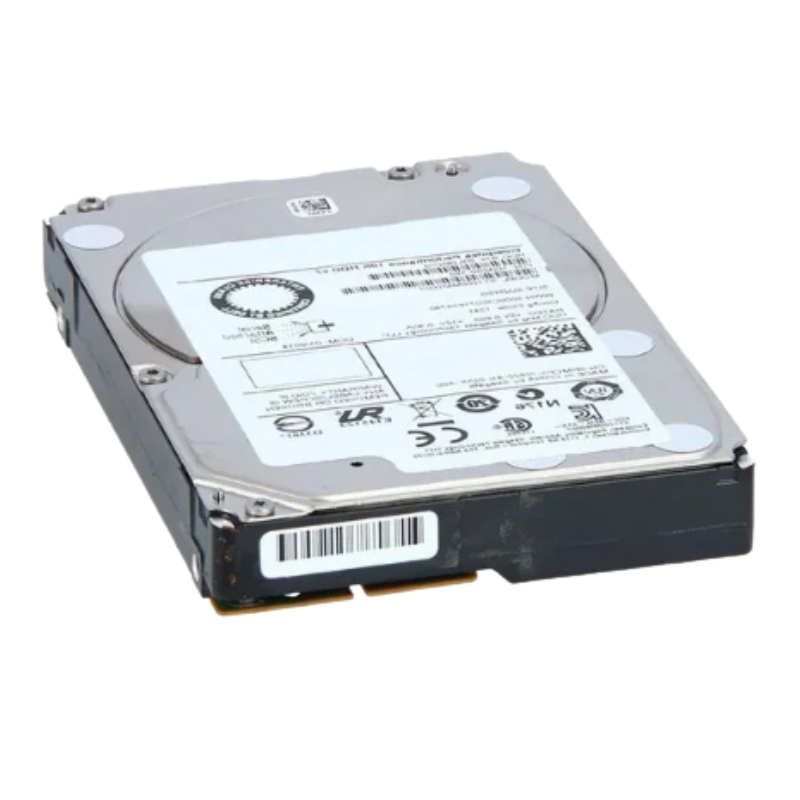
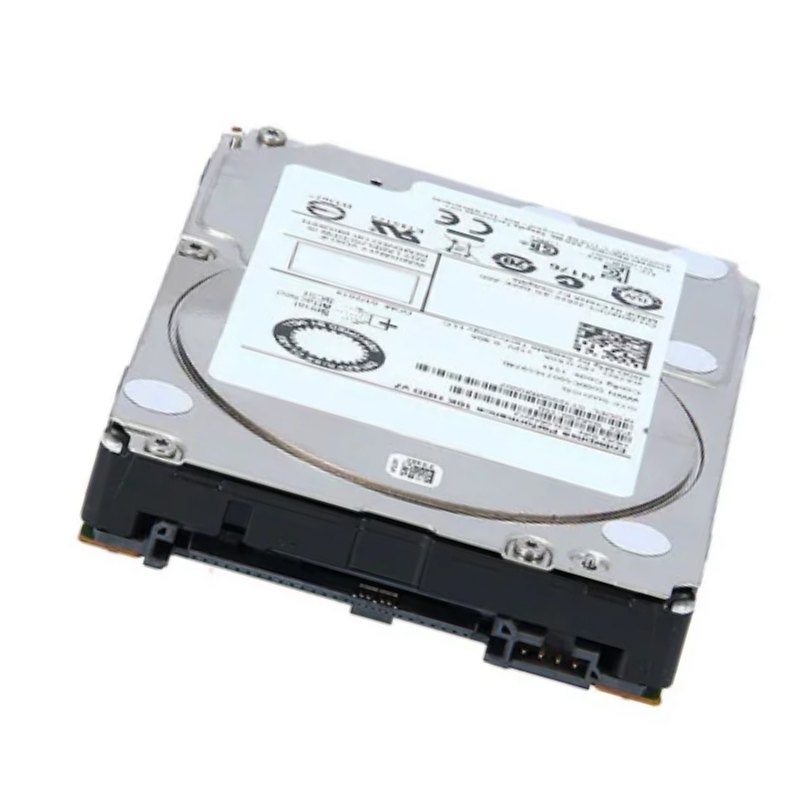
HPE 832980-001 2TB 7.2K RPM SAS-12GBPS 3.5-Inch Midline Hard Disk Drive with Tray. New (Box Not Sealed) with 1-Year Replacement Warranty
The HPE 832980-001 2TB 7.2K RPM SAS-12Gbps 3.5-Inch Midline Hard Disk Drive is engineered for enterprise storage environments, delivering dependable performance, high-speed data transfer, and seamless compatibility with HPE StoreVirtual systems.
The HPE 832980-001 2TB 7.2K RPM SAS-12Gbps 3.5-inch midline hard disk drive belongs to a highly specialized category of enterprise-grade storage solutions engineered for reliability, scalability, and consistent performance in demanding IT environments. This category focuses on midline hard drives that bridge the gap between high-performance mission-critical drives and cost-effective archival storage, making them ideal for bulk storage applications that require dependable throughput without the premium cost associated with ultra-high-speed drives.
Designed specifically for compatibility with enterprise servers and storage arrays, this category of SAS-based drives ensures seamless integration into modern data centers. The 3.5-inch form factor provides a balance between capacity and efficiency, allowing organizations to scale storage infrastructures without compromising on reliability. With a rotational speed of 7,200 RPM, these drives are optimized for workloads that prioritize capacity and sustained data transfer rather than extreme input/output operations per second.
Midline SAS hard drives such as the HPE 832980-001 are positioned strategically within enterprise storage hierarchies. They are commonly deployed in environments where large volumes of data need to be stored and accessed reliably, such as backup systems, file servers, surveillance storage, and data warehousing solutions. This category is particularly valuable for organizations seeking to optimize cost per terabyte while maintaining enterprise-level durability and interface performance.
The SAS 12Gbps interface significantly enhances data transfer capabilities compared to traditional SATA drives, ensuring faster communication between the drive and the host system. This allows midline drives to support moderately demanding workloads while maintaining consistent throughput and reliability.
Within enterprise ecosystems, capacity-driven workloads play a critical role in handling massive volumes of structured and unstructured data. The 2TB storage capacity of the HPE 832980-001 aligns with the needs of businesses that require scalable storage without excessive power consumption or thermal output. These drives are ideal for applications such as content repositories, cloud storage backends, and archival systems where data is frequently accessed but not constantly modified.
The midline category emphasizes a balanced approach to performance and cost efficiency. While high-performance drives may offer faster rotational speeds and lower latency, they come at a significantly higher price point. Midline drives provide a practical alternative by delivering adequate performance for most enterprise workloads while maintaining a lower total cost of ownership. This balance makes them an attractive option for organizations looking to maximize storage investments.
The HPE 832980-001 hard disk drive features a robust technical architecture designed to meet enterprise standards. The SAS 12Gbps interface ensures high-speed data transfer rates, enabling efficient communication between the drive and storage controllers. This interface supports full-duplex communication, allowing simultaneous read and write operations, which enhances overall system efficiency.
The 7,200 RPM rotational speed provides a steady level of performance suitable for sequential data access and large file transfers. While not as fast as 10K or 15K RPM drives, this speed is sufficient for most mid-tier enterprise applications, ensuring reliable data throughput without excessive energy consumption.
The 3.5-inch form factor is a key characteristic of this category, offering higher storage density compared to smaller 2.5-inch drives. This larger form factor allows for greater platter size, which directly contributes to increased storage capacity. The design also facilitates better heat dissipation, ensuring consistent performance even under sustained workloads.
The Serial Attached SCSI interface provides several advantages over SATA technology, including improved reliability, better error handling, and enhanced scalability. SAS drives support dual-port connectivity, enabling redundant data paths that enhance fault tolerance and system availability. This feature is particularly important in enterprise environments where downtime can have significant operational and financial impacts.
Data integrity is a critical aspect of enterprise storage, and midline SAS drives incorporate advanced error correction mechanisms to ensure data accuracy. Features such as cyclic redundancy checks and end-to-end data protection help prevent data corruption during transmission and storage. These capabilities make the HPE 832980-001 a reliable choice for mission-critical data storage applications.
The performance characteristics of the HPE 832980-001 are tailored to meet the needs of mid-tier enterprise workloads. The combination of 7,200 RPM rotational speed and SAS 12Gbps interface ensures consistent data transfer rates, making these drives suitable for applications that require reliable sequential performance.
Workload compatibility is a key consideration when selecting storage solutions. Midline drives are designed to handle moderate workloads with predictable access patterns. They excel in scenarios where large volumes of data are read and written sequentially, such as backup operations and media streaming.
Sequential data processing is a common requirement in enterprise environments, particularly for applications such as video surveillance, data logging, and archival storage. The HPE 832980-001 is optimized for such workloads, delivering consistent throughput that ensures efficient data handling.
While midline drives do not offer the low latency of high-speed enterprise drives, they provide sufficient performance for most applications. The focus on throughput rather than latency makes them ideal for workloads that prioritize data volume over rapid access times.
Enterprise environments often require storage devices to operate continuously. The HPE 832980-001 is engineered for 24/7 operation, ensuring consistent performance and reliability over extended periods. This makes it suitable for deployment in data centers and other mission-critical environments.
The versatility of the HPE 832980-001 makes it suitable for a wide range of industry applications. Its balance of capacity, performance, and reliability allows it to be deployed in various scenarios where dependable storage is essential.
In data centers, midline hard drives are commonly used for bulk storage and backup applications. They provide a cost-effective solution for storing large volumes of data while maintaining the reliability required for enterprise operations.
Cloud service providers rely on scalable storage solutions to meet the demands of their users. The HPE 832980-001 fits well within cloud storage architectures, offering the capacity and performance needed to support a wide range of applications.
Backup and archival systems require storage devices that can handle large volumes of data reliably. Midline drives are ideal for these applications, providing the necessary capacity and durability to ensure data is محفوظ and accessible when needed.
Compatibility is a critical factor in enterprise storage environments, and the HPE 832980-001 is designed to integrate seamlessly with a wide range of servers and storage systems. Its SAS interface ensures compatibility with enterprise-grade controllers and backplanes, enabling easy deployment and management.
The drive is fully compatible with HPE ProLiant servers, ensuring optimal performance and reliability. This compatibility allows organizations to leverage existing infrastructure while expanding storage capacity.
Hot-swap capability is an essential feature in enterprise environments, allowing drives to be replaced without shutting down the system. This minimizes downtime and ensures continuous operation.
RAID configurations are commonly used to enhance data redundancy and performance. The HPE 832980-001 supports various RAID levels, providing flexibility in designing storage solutions that meet specific requirements.
Energy efficiency is an important consideration in modern data centers. The HPE 832980-001 is designed to deliver optimal performance while minimizing power consumption. This helps reduce operational costs and environmental impact.
Midline drives are engineered to consume less power compared to high-performance drives. This makes them an energy-efficient choice for large-scale storage deployments.
Effective thermal management is crucial for maintaining performance and reliability. The 3.5-inch form factor allows for better heat dissipation, reducing the risk of overheating.


 Contact Us
 Information
 Catalog
 Solid State Drives (SSD)
 Network Switches
 Hard Disk Drives
 HBA & Controllers
 PC & Servers
 PC & Server Memory
 CPU & Processors
 Network Routers
 Power Supplies
 Tape Drives & Libraries
 Network Devices
 Computer & Network Cables