(7% discount is applied at checkout)
Cart is empty
Your go-to destination for cutting-edge server products
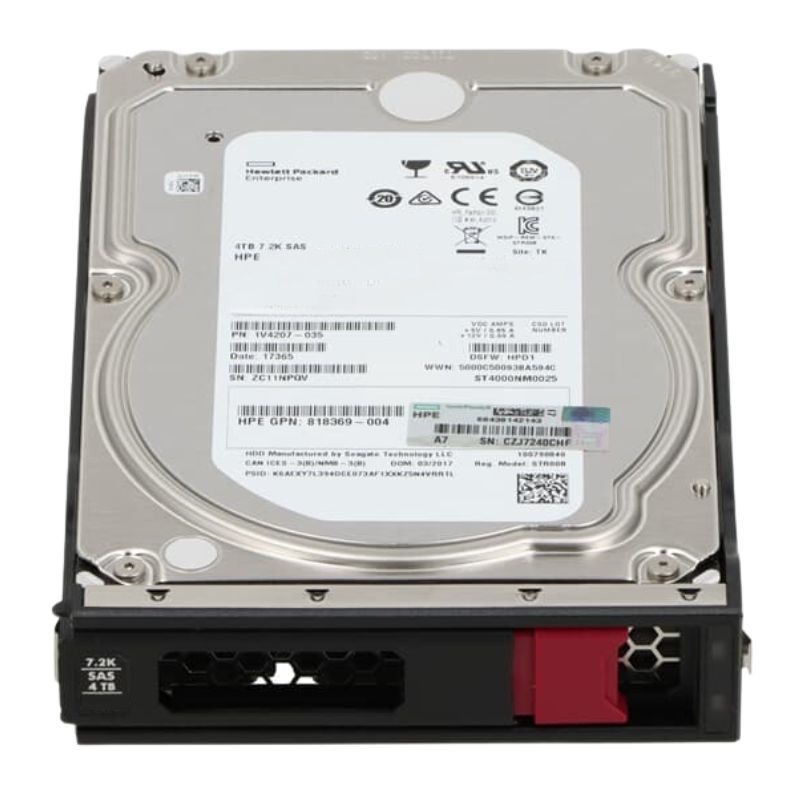


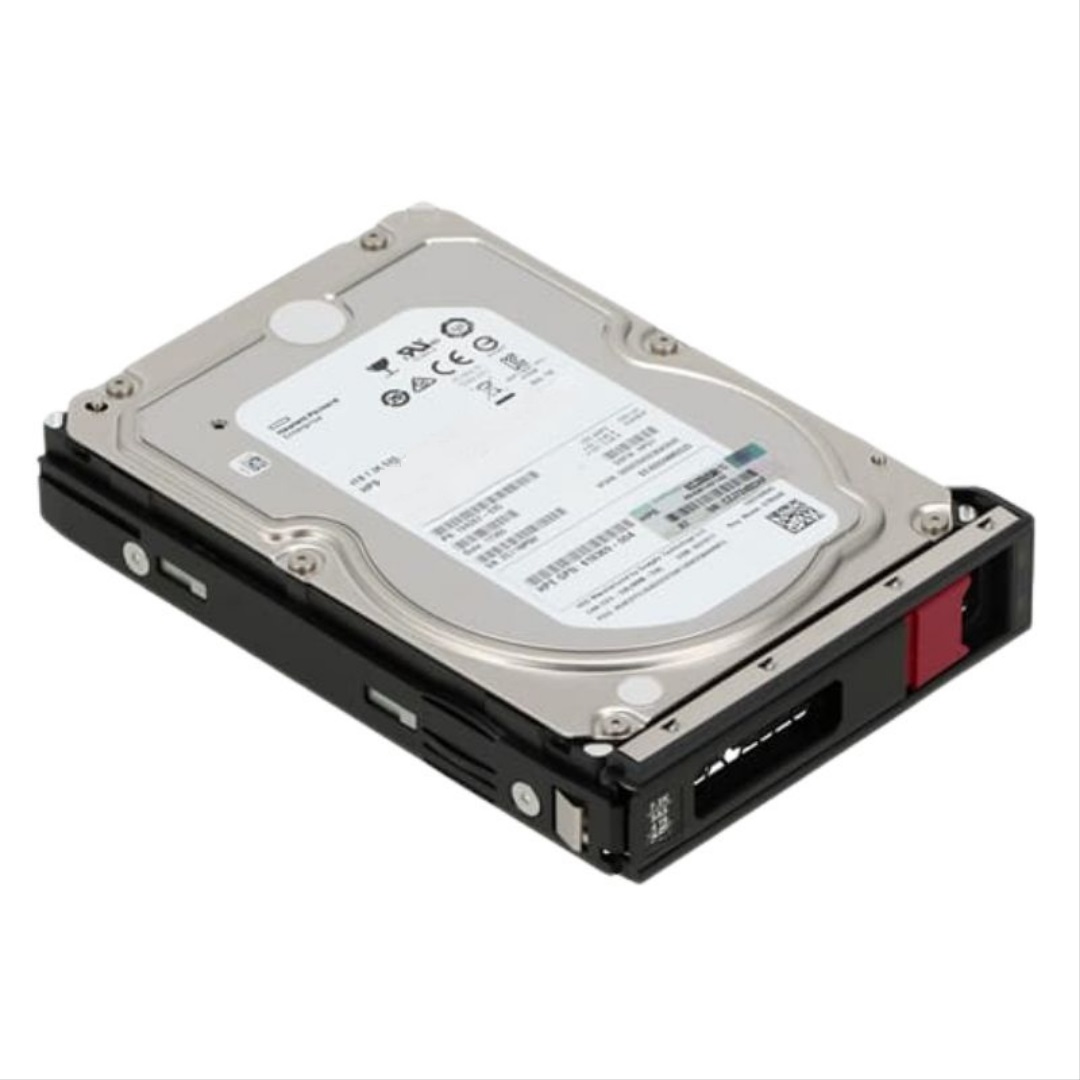
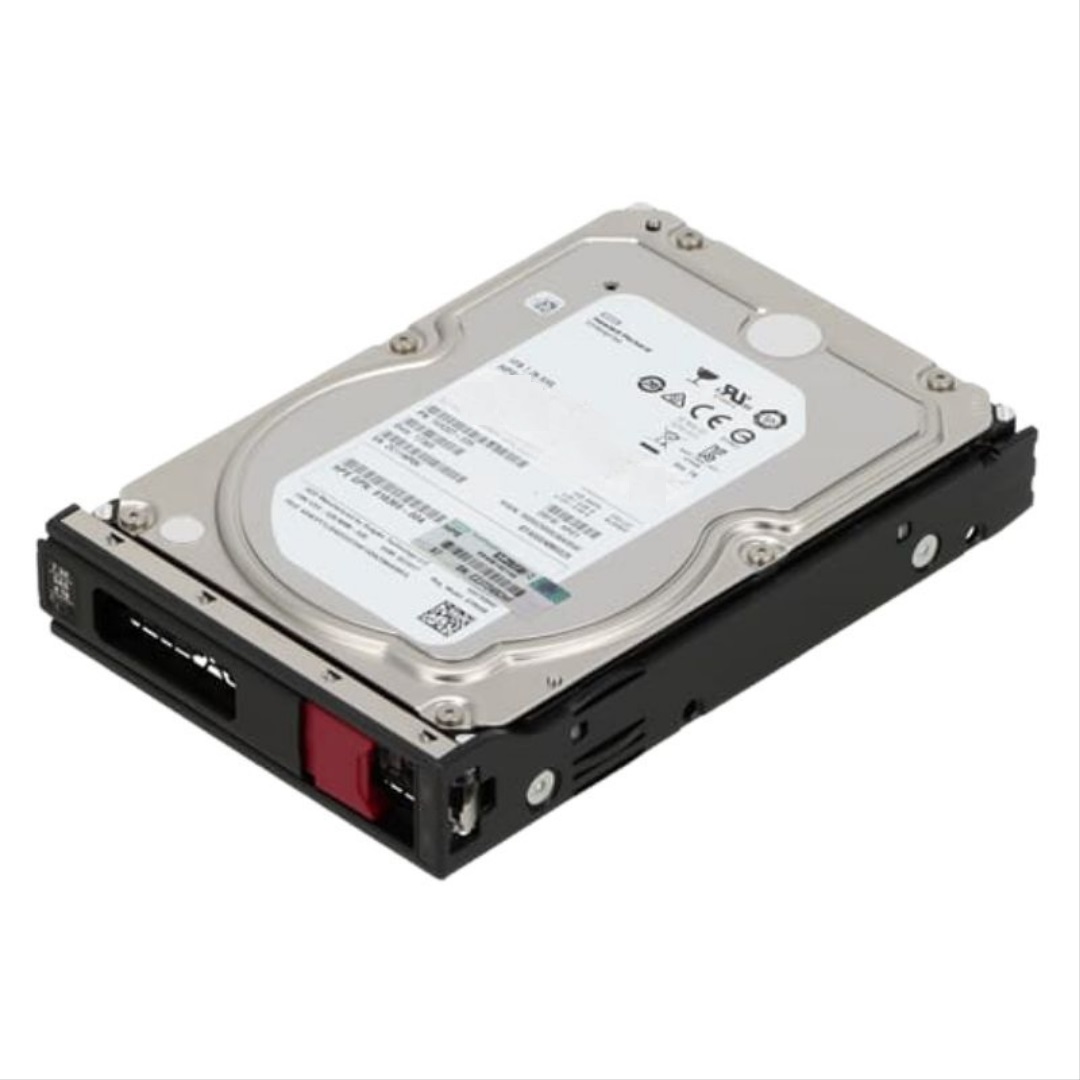
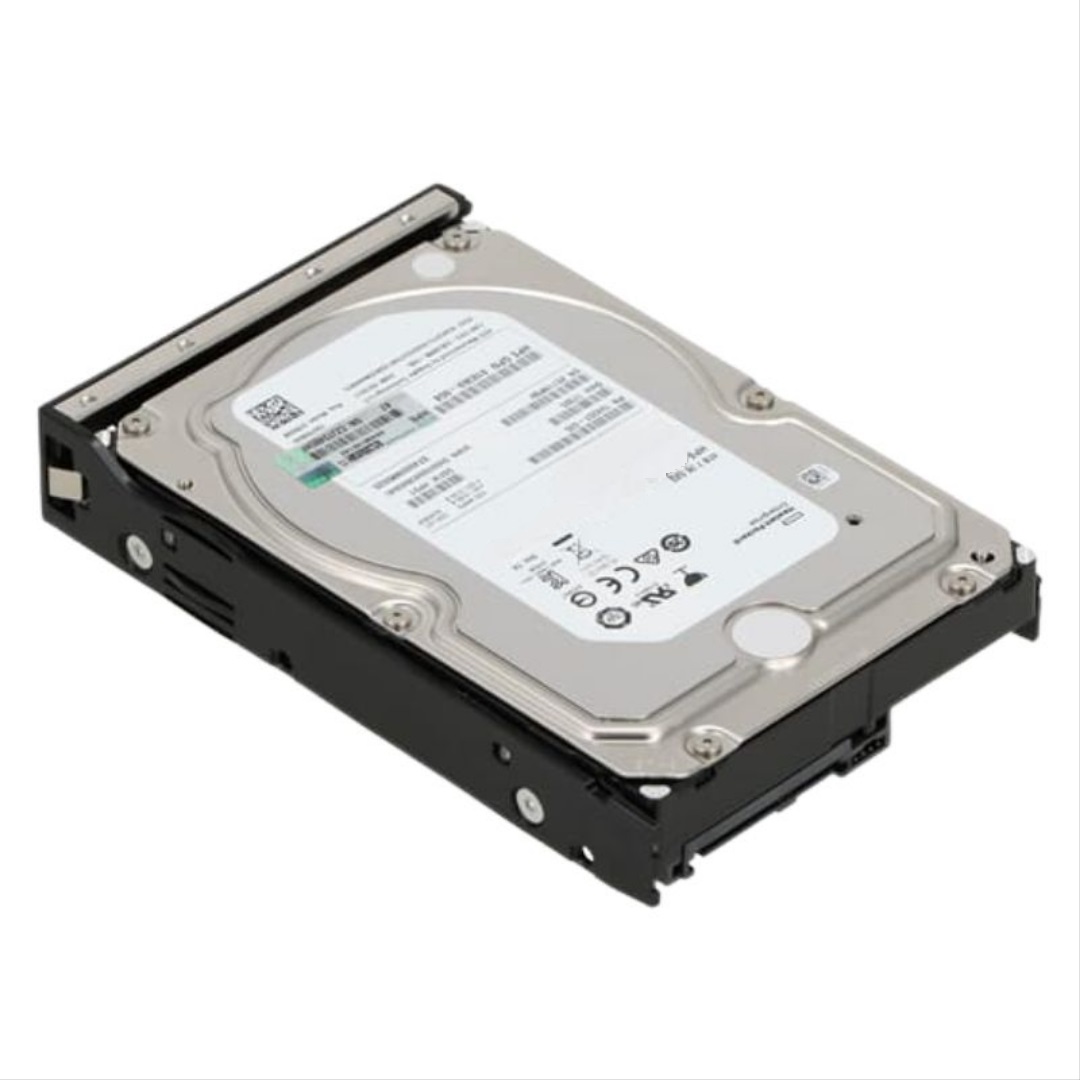
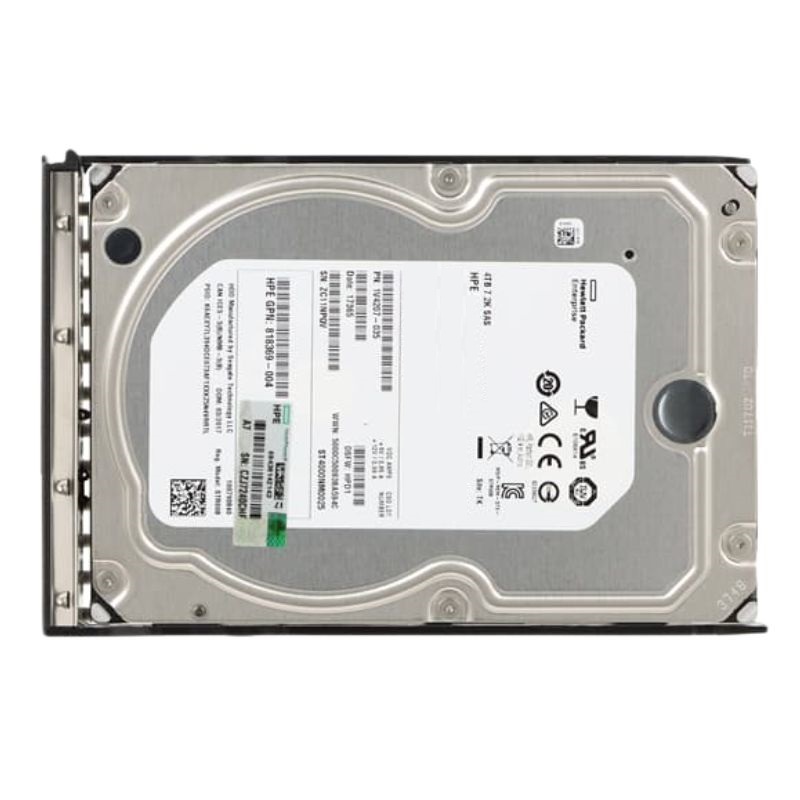
HPE 862137-001 4TB 7.2K RPM SAS 12GBPS 3.5 Inch LFF Hot-Pluggable (512n) Hard Disk Drive. New (System) Pull with 1 year replacement warranty
| SKU/MPN | Warranty | Price | Condition | You save |
|---|---|---|---|---|
| 862137-001 | 1 Year Warranty | $120.00 | Excellent Refurbished | You save: $42.00 (26%) |
| 862137-001 | 1 Year Warranty | $380.00 | New (System) Pull | You save: $133.00 (26%) |
The HPE 862137-001 4TB 7,200 RPM SAS 12Gbps 3.5-inch Large Form Factor (LFF) hard disk drive with 512n sector format and a low-profile carrier is engineered specifically for ProLiant Gen10 and Gen11 servers. This drive combines enterprise-grade reliability, sustained rotational performance, and the throughput advantages of 12Gbps SAS connectivity, making it a practical choice for mixed workloads where capacity, durability, and compatibility with HPE ProLiant ecosystems are priorities. Optimized for hot-pluggable bays, the unit includes a low profile carrier suitable for modern HPE chassis designs and data center density constraints. With native SAS command support and enterprise-class firmware, this drive is designed to minimize downtime and maximize data integrity in RAID, JBOD, and tiered storage environments.
The HPE 862137-001 is a 3.5-inch form factor drive rated at 4 terabytes of formatted capacity using 512n sector format. Spinning at 7,200 revolutions per minute, it sits in the sweet spot between high-capacity archival drives and higher-RPM performance drives, offering a balance of sequential throughput and acceptable random I/O for many business applications. The drive communicates over a 12Gbps SAS interface, which not only provides headroom for sequential transfers but also improves command queuing and multi-initiator environments compared to SATA drives. Enterprise-grade error correction, extended temperature tolerance, and vibration resistance are part of the specification set that allows the 862137-001 to operate reliably in multi-drive enclosures inside ProLiant DL and ML chassis.
Using the 12Gbps SAS interface ensures compatibility with HPE Smart Array controllers and many third-party SAS controllers when used in supported HPE configurations. The 3.5-inch LFF sizing aligns with standard HPE drive bays and the included low-profile carrier simplifies tool-less hot-swap insertion and extraction. The 512n sector format is widely supported by legacy and current operating systems and hypervisors; however, when deploying in modern storage pools that favor 4Kn or Advanced Format, administrators should validate alignment and partitioning strategies. In HPE ProLiant Gen10 and Gen11 servers, this drive typically works out of the box with HPE firmware stacks, and it is recognized by HPE Integrated Lights-Out (iLO) health reporting tools, which simplifies monitoring and lifecycle management.
At 7,200 RPM, the HPE 862137-001 is tuned for steady sequential throughput and acceptable random access characteristics for mixed read/write workloads. The 12Gbps SAS link provides a strong uplink for RAID rebuilds and large sequential reads such as backups, media streaming, and bulk file serving. For latency-sensitive, high IOPS applications—such as heavy OLTP databases or virtualization hosts handling hundreds of small random I/O operations per second—customers often complement or tier these drives with NVMe or SAS SSDs. However, for datasets where capacity per dollar is a leading criterion, such as cold archives, secondary storage, long-term logging, or low-to-medium transactional workloads, this 4TB SAS drive becomes a cost-effective building block in an HPE server or JBOD array.
Designers should expect higher sustained throughput on sequential workloads, particularly when drives are used in RAID configurations that stripe data across multiple spindles. Random I/O performance benefits from the drive’s rotational speed and internal cache behavior but will not match SSD tiers. Storage architects should therefore use these drives in a layered storage design: place hot datasets on flash, warm datasets on higher-RPM SAS or SAS SSDs, and cold or capacity-heavy datasets on 7,200 RPM 4TB LFF drives. This approach maximizes performance while minimizing total cost of ownership (TCO).
HPE-branded 862137-001 drives typically carry firmware tuned for enterprise reliability including features like advanced error recovery, power fault protection, and robust SMART telemetry. Mean time between failures (MTBF) and annual workload ratings for enterprise-class SAS drives are higher than consumer drives, reflecting strict manufacturing and validation standards. Vibration tolerance and rotational vibration sensors are important when drives operate in dense multi-bay enclosures where neighboring devices influence mechanical stability. These drives are commonly validated for RAID rebuild workloads and are suitable for environments where predictable behavior under stress is required.
Integration with HPE iLO and Smart Array controllers facilitates health monitoring and predictive failure analytics. SMART attributes exposed by the drive can be queried through HPE management utilities, allowing administrators to track reallocated sectors, spin retry counts, and other health indicators. When deployed in ProLiant Gen10 or Gen11 servers, alerts from iLO or HPE OneView can be configured to notify IT staff automatically if any SMART thresholds are exceeded, enabling replacement before an unexpected failure causes data loss or downtime.
The 4TB 7.2K SAS HDD with a low-profile carrier is ideal for several enterprise and SMB scenarios. Primary use cases include bulk file storage, backup and archive targets, media asset repositories, virtualization capacity tiers, and cold storage in multi-tier systems. In midrange HPE ProLiant servers, these drives can populate dense storage cages or be combined with higher-performance drives to form hybrid arrays. They are also a good fit for backup-to-disk appliances, where large, sequential writes dominate and cost per terabyte is a major purchasing factor. For customers building cost-conscious, highly reliable storage arrays, using multiple 4TB SAS drives in RAID configurations provides excellent usable capacity while benefiting from enterprise-level support and compatibility.
When selecting drives for HPE ProLiant Gen10 and Gen11 servers, it is essential to ensure that firmware and drive backplane versions are aligned. The 862137-001 is identified by HPE as compatible with specific ProLiant models and chassis configurations, and the low-profile carrier ensures physical and mechanical fit. Systems administrators should confirm controller firmware and HPE Service Pack for ProLiant (SPP) compatibility when deploying new drives, as firmware mismatches can impact performance or health reporting. HPE support resources and product compatibility matrices help identify approved drive and controller combinations to reduce the risk of unsupported configurations.
For fault tolerance, using these drives in RAID 6 or RAID 10 configurations often provides an optimal trade-off between performance and redundancy for enterprise environments. RAID 6 is positive for large capacity arrays where two-drive fault tolerance is a must, whereas RAID 10 may be preferred for workloads demanding improved write performance and lower rebuild times. Regardless of RAID level, array managers should use background parity scrubbing and proactive rebuild strategies to minimize the risk of unrecoverable read errors. Drive capacity and rebuild time are factors when calculating vulnerability windows; larger capacity spindles mean longer rebuild durations, so architects should consider balancing capacity with rebuild complexity and rebuild rate settings on HPE Smart Array controllers.
Although RAID protects against hardware failure, it is not a backup. For critical systems, combine these drives with an array-level or system-level backup policy, and consider periodic snapshots or replication to secondary systems. Integrating HPE backup appliances, third-party backup software, or cloud-based replication ensures that logical corruptions or accidental deletions are recoverable. When used in backup targets, these drives perform well for sequential writes, enabling efficient backup windows and cost-effective retention of multiple recovery points.
Drive power consumption and heat dissipation are significant when scaling to many spindles. The 7,200 RPM 4TB drive is generally more power-efficient than 10K or 15K RPM spindles but requires more energy than SSDs per IOPS. When designing racks populated with LFF drives, evaluate the combined thermal load and ensure server chassis have appropriate airflow and ambient temperature controls. HPE chassis and enclosures provide engineered airflow paths; ensure that low-profile carriers are free of obstruction and that air filters are maintained. Also consider power budgeting for peak spin-up currents during server restarts and the influence of drive spin-up on redundant power supply sizing.
Enterprise drives like the HPE 862137-001 typically conform to industry regulatory standards and environmental specifications. Check datasheets for operating temperature ranges, vibration specifications, shock resistance, and certifications relevant to your region or industry. For deployments with strict regulatory obligations—such as healthcare, finance, or government—review retention, encryption, and secure erase options as part of an overall compliance strategy. HPE and drive OEM documentation will often cite RoHS, CE, and other compliance marks that simplify regulatory acceptance across sites.
When purchasing HPE 862137-001 drives, buying through HPE or HPE-authorized resellers ensures warranty coverage, firmware updates, and HPE support entitlements. Track SKU numbers, serials, and purchase dates to manage warranty windows and to simplify RMA procedures if a drive develops a fault. Lifecycle management should include firmware update schedules, inventory of spare drives, and a documented replacement flow. For larger deployments, consider HPE support contracts that include on-site drive replacement for critical systems to minimize service disruption.
At the point of purchase, the cost per terabyte of 4TB 7,200 RPM SAS drives is typically favorable compared to higher-performance spindles and enterprise SAS SSDs. However, TCO analysis should include operational expenses such as power consumption, cooling requirements, expected replacement rates, and administrative overhead for RAID rebuild windows. When modeling TCO, account for the savings from higher capacity per slot, and balance those against potential costs incurred by longer rebuild times compared to smaller-capacity or higher-speed drives. Tiered storage strategies that combine the HPE 862137-001 with flash tiers often yield the best cost-to-performance results.
Compared to SATA-based drives, the 12Gbps SAS interface offers enterprise advantages including dual-port options for redundancy, better command queuing, and tighter integration with server-class RAID controllers. Compared to 10K or 15K RPM SAS drives, a 7.2K RPM 4TB drive trades peak IOPS for higher capacity and lower cost per gigabyte. For environments demanding maximum IOPS and the lowest latency, SAS or NVMe SSDs may be preferable; however, for capacity-centric tiers that still require enterprise features and HPE compatibility, the 862137-001 is well suited. When considering alternatives, evaluate NVMe for cache and hot data, SAS SSDs for mid-tier performance, and 7.2K HDDs for warm/cold tiers to craft a balanced storage architecture.
When migrating from older drives or smaller capacities, plan swaps to avoid array-wide performance impacts. Rolling replacements, maintaining parity redundancy, and scheduled maintenance windows minimize disruption. For scaling, leverage HPE enclosures and expansion options to add drive capacity incrementally. Where possible, use automation tools available in HPE OneView or other management platforms to inventory and provision new drives consistently and to apply firmware baselines across a fleet.


 Contact Us
 Information
 Catalog
 Solid State Drives (SSD)
 Network Switches
 Hard Disk Drives
 HBA & Controllers
 PC & Servers
 PC & Server Memory
 CPU & Processors
 Network Routers
 Power Supplies
 Tape Drives & Libraries
 Network Devices
 Computer & Network Cables