(7% discount is applied at checkout)
Cart is empty
Your go-to destination for cutting-edge server products
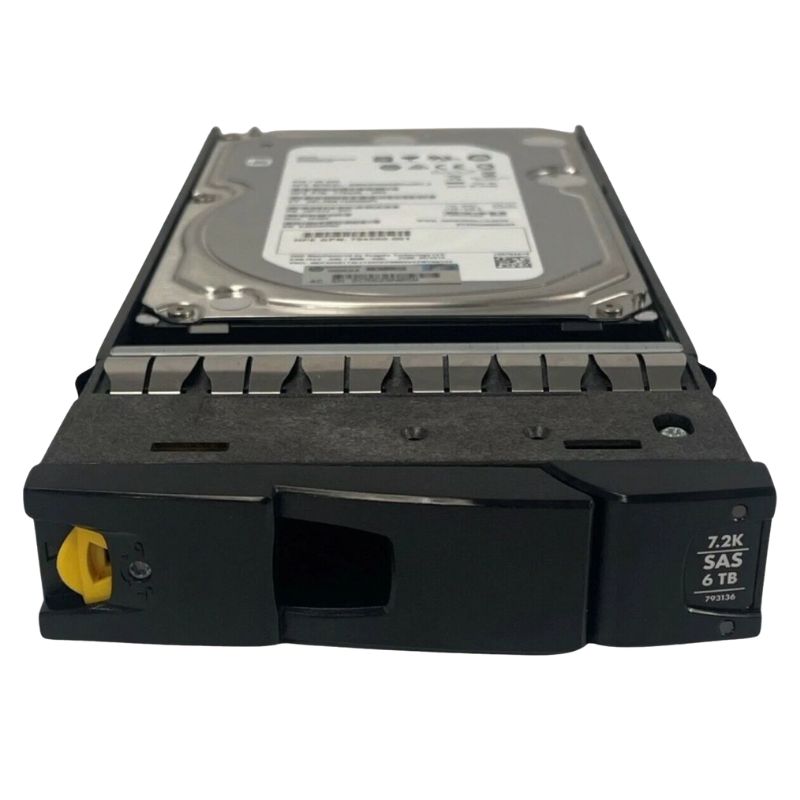


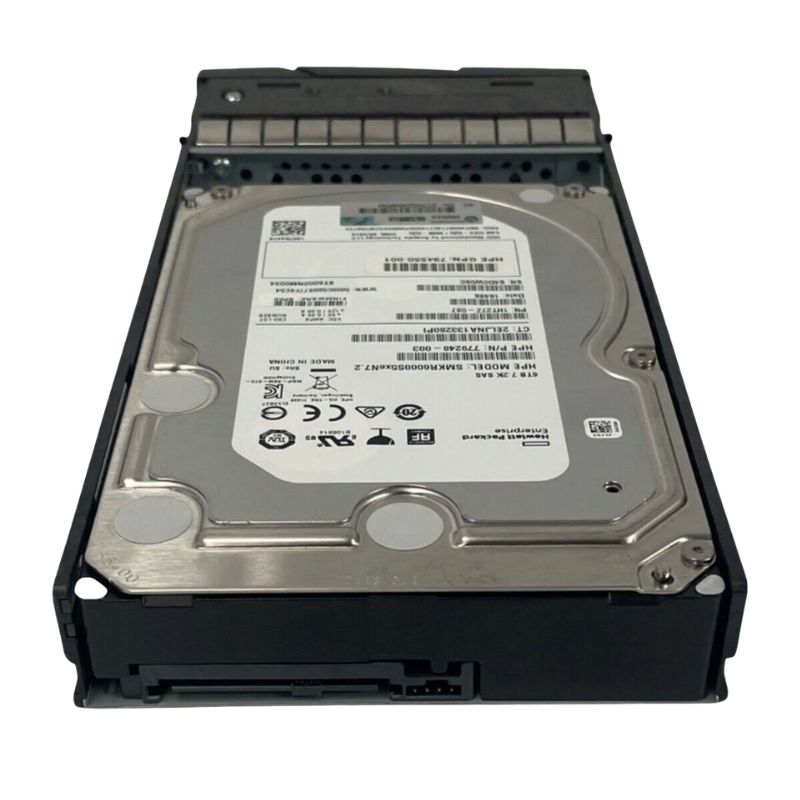
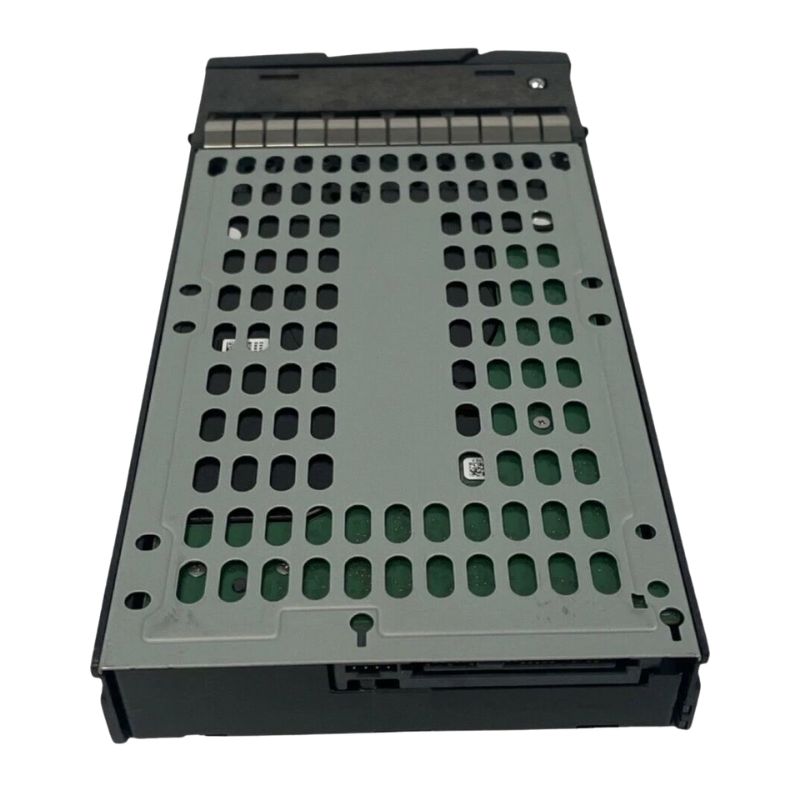
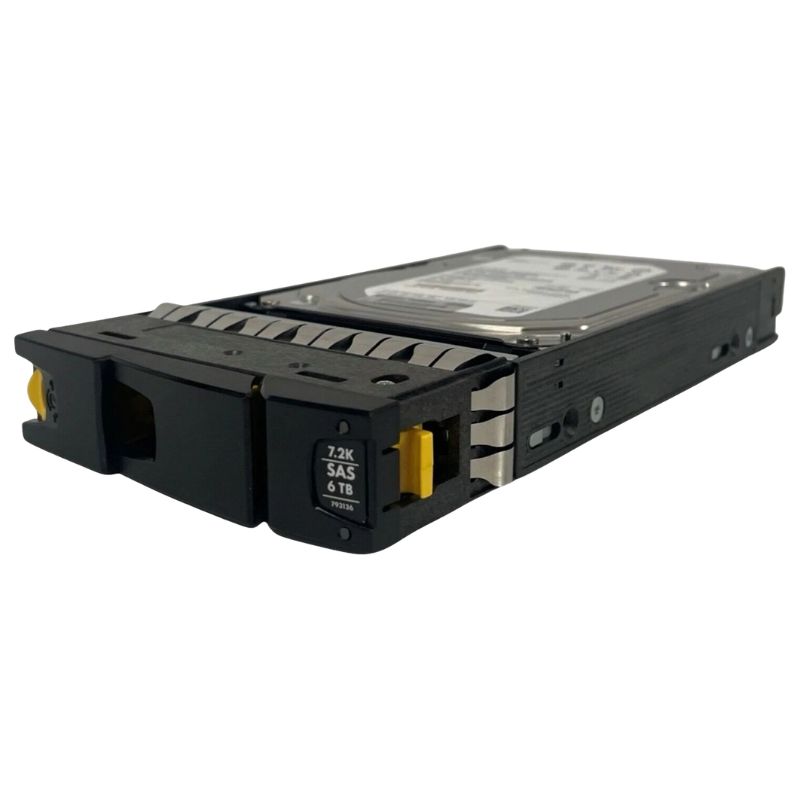
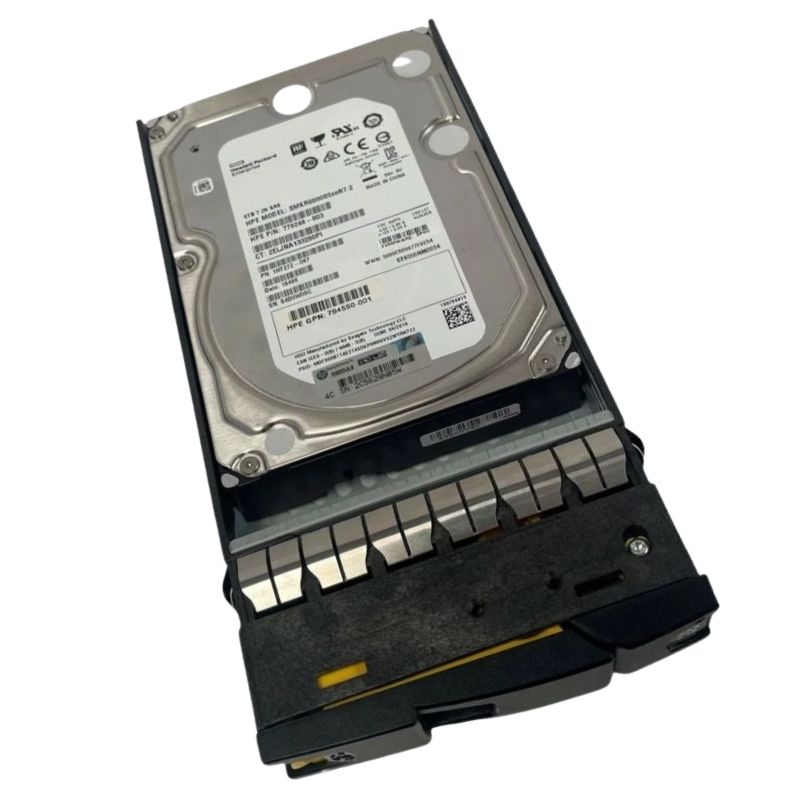
HPE K0F28A 6TB 7.2K RPM SAS 6GBPS Nearline 3.5-Inch for 3Par StoreServ M6720 Internal Hard Disk Drive. Excellent Refurbished with 1-Year Replacement Warranty
The HPE K0F28A 6TB Nearline SAS hard disk drive is a reliable and high-capacity storage solution designed specifically for HPE 3PAR StoreServ environments. With 7.2K RPM rotational speed and a 6Gbps SAS interface, this enterprise HDD ensures efficient data storage, optimized performance, and long-term durability.
The HPE K0F28A 6TB 7.2K RPM SAS 6GBPS Nearline 3.5-Inch for 3Par StoreServ M6720 Internal Hard Disk Drive is engineered to deliver reliable storage performance for enterprise environments requiring high capacity and consistent throughput. This drive provides 6TB of storage space, allowing organizations to manage large volumes of structured and unstructured data efficiently. The 7.2K RPM rotational speed ensures balanced performance for workloads that prioritize capacity over extreme speed. The SAS 6Gbps interface maintains stable communication between storage devices and controllers in enterprise infrastructures.
The SAS 6Gbps interface provides reliable connectivity between the hard disk drive and enterprise storage controllers. It ensures stable data transmission across large datasets. It reduces communication latency between system components. It supports consistent throughput during continuous operations. It enhances responsiveness in enterprise storage applications. It allows multiple drives to communicate efficiently within storage arrays. It maintains data accuracy during transfer processes. It supports high availability environments requiring uninterrupted data access. This interface plays a critical role in enterprise storage infrastructures.
The Serial Attached SCSI protocol ensures dependable communication between hardware components in enterprise storage systems. It maintains synchronization across multiple storage drives. It minimizes the risk of transmission inconsistencies. It ensures accurate data delivery during read and write operations. It supports continuous data processing workloads without interruption. It enhances system stability in demanding environments. It ensures efficient coordination between controllers and drives. It maintains reliability during high intensity operations. This protocol is essential for enterprise storage reliability.
The 7.2K RPM rotational speed delivers balanced performance for enterprise nearline storage workloads. It provides reliable data access for sequential and moderate random operations. It reduces latency compared to lower speed storage devices. It supports consistent throughput across applications requiring large data handling. It ensures stable mechanical performance during continuous use. It enhances efficiency in backup and archival operations. It maintains steady system performance during extended workloads. It supports enterprise environments requiring dependable data access. This speed is ideal for capacity oriented storage systems.
The 6TB storage capacity enables organizations to manage large datasets efficiently within enterprise infrastructures. It supports data intensive applications including backups, archives, and file storage systems. It reduces the need for frequent hardware expansion. It enhances storage consolidation across environments. It improves data accessibility for multiple users and applications. It ensures availability of large scale data resources. It supports scalable storage deployment strategies. It enhances operational efficiency across enterprise systems. This capacity is well suited for modern data growth demands.
The 3.5-inch Large Form Factor design supports high capacity storage deployment in enterprise systems. It allows efficient integration into storage arrays and enclosures. It improves airflow and thermal performance in server racks. It supports high density configurations without compromising reliability. It enhances physical organization of storage infrastructure. It ensures compatibility with enterprise grade hardware platforms. It supports large scale data center deployments. It contributes to efficient system performance. This design is widely used in enterprise storage environments.
The drive is optimized for integration with 3Par StoreServ M6720 storage systems. It ensures seamless communication between storage components. It supports coordinated performance across multiple drives in arrays. It enhances system efficiency in enterprise environments. It maintains stable operation under continuous workloads. It improves overall storage reliability. It supports scalable infrastructure expansion. It ensures efficient data handling across systems. This integration capability strengthens enterprise storage architectures.
The drive is designed for nearline workloads that require stable and reliable data processing. It supports applications such as backup storage and archival systems. It ensures consistent throughput during extended operations. It reduces variability in performance across workloads. It enhances reliability in enterprise storage environments. It maintains stable functionality under continuous usage. It supports efficient handling of large datasets. It ensures dependable data access across systems. This stability is essential for nearline storage solutions.
The drive is built for continuous operation in enterprise environments requiring high availability. It ensures uninterrupted access to stored data. It maintains stable performance across long operational cycles. It reduces the risk of downtime in business applications. It supports mission critical and non critical workloads. It enhances reliability in data center infrastructures. It ensures consistent system performance. It supports continuous enterprise operations. This endurance is vital for enterprise storage systems.
The drive incorporates thermal efficiency mechanisms to maintain optimal operating conditions. It supports effective heat dissipation during intensive workloads. It minimizes overheating risks in dense environments. It ensures consistent performance across varying temperatures. It enhances component longevity over time. It supports reliable operation in enterprise data centers. It reduces thermal stress on internal mechanisms. It ensures stable functionality during continuous usage. This thermal control improves long term durability.
The drive is designed to operate with balanced power consumption in enterprise environments. It reduces energy usage during continuous workloads. It supports efficient data center power distribution. It lowers overall operational expenses over time. It maintains performance without excessive power demand. It enhances system efficiency across storage infrastructures. It supports large scale deployment strategies. It ensures optimized energy utilization. This efficiency contributes to sustainable enterprise operations.
The drive ensures reliable data integrity during storage and retrieval processes. It maintains accuracy in read and write operations. It reduces the likelihood of data inconsistencies. It supports secure handling of enterprise information. It ensures consistency across all data transactions. It enhances trust in storage infrastructures. It maintains dependable performance across workloads. It supports enterprise applications requiring accurate data processing. This assurance is essential for business operations.
The drive supports scalable growth in enterprise storage infrastructures. It integrates easily into existing systems. It allows expansion of storage capacity without disruption. It reduces complexity in upgrading storage solutions. It supports modular deployment strategies. It enhances adaptability in dynamic IT environments. It ensures efficient utilization of resources. It supports long term enterprise planning. This scalability is crucial for evolving storage requirements.
The drive delivers stable performance for enterprise applications requiring dependable data access. It supports database systems and large scale business applications. It ensures smooth execution of workloads. It maintains consistent throughput during operations. It enhances productivity across enterprise environments. It supports uninterrupted workflow execution. It ensures efficient processing of data. It provides reliable storage performance. This stability ensures consistent system behavior.
The drive is capable of handling large scale data processing tasks efficiently. It supports enterprise workloads involving significant data volumes. It maintains performance stability under heavy load conditions. It reduces delays in data access operations. It enhances reliability across storage systems. It supports structured and unstructured data processing. It ensures consistent throughput across workloads. It improves efficiency in enterprise infrastructures. This efficiency supports demanding environments.
The drive is optimized to deliver low latency data access for enterprise applications. It ensures quick response during read and write operations. It supports real time processing requirements. It reduces delays in application execution. It enhances responsiveness across workloads. It improves efficiency in storage systems. It supports high demand computing environments. It ensures smooth handling of large datasets. This feature is important for performance driven infrastructures.
The drive is engineered for long term durability in enterprise environments. It maintains consistent mechanical performance over extended usage. It reduces wear and tear during continuous operation. It supports long operational cycles without degradation. It enhances reliability in high demand conditions. It ensures stable functionality across workloads. It minimizes risk of hardware failure. It supports enterprise systems requiring dependable components. This durability ensures sustained performance.


 Contact Us
 Information
 Catalog
 Solid State Drives (SSD)
 Network Switches
 Hard Disk Drives
 HBA & Controllers
 PC & Servers
 PC & Server Memory
 CPU & Processors
 Network Routers
 Power Supplies
 Tape Drives & Libraries
 Network Devices
 Computer & Network Cables