Your go-to destination for cutting-edge server products
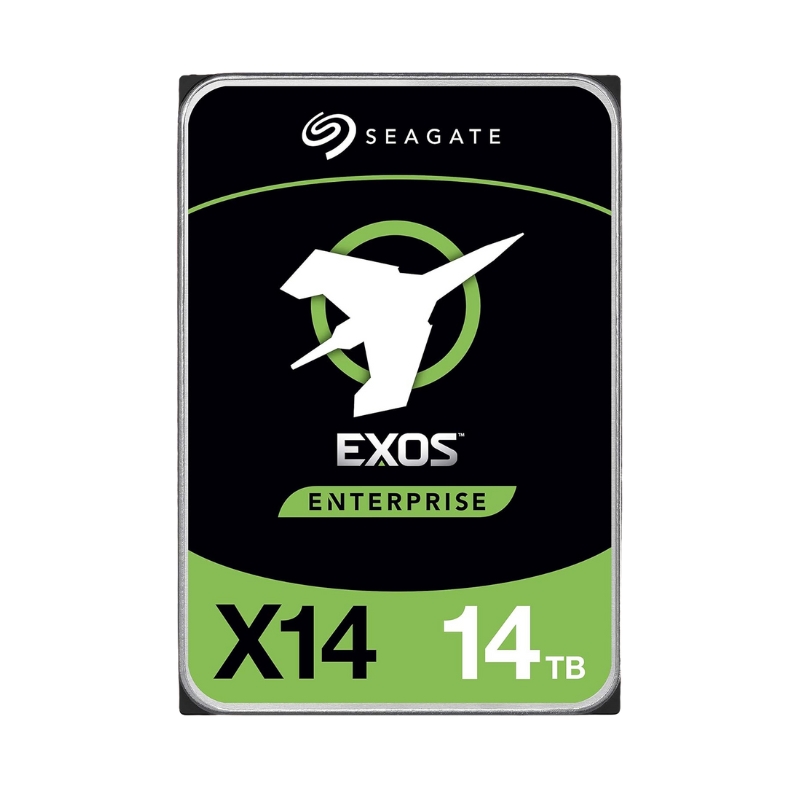
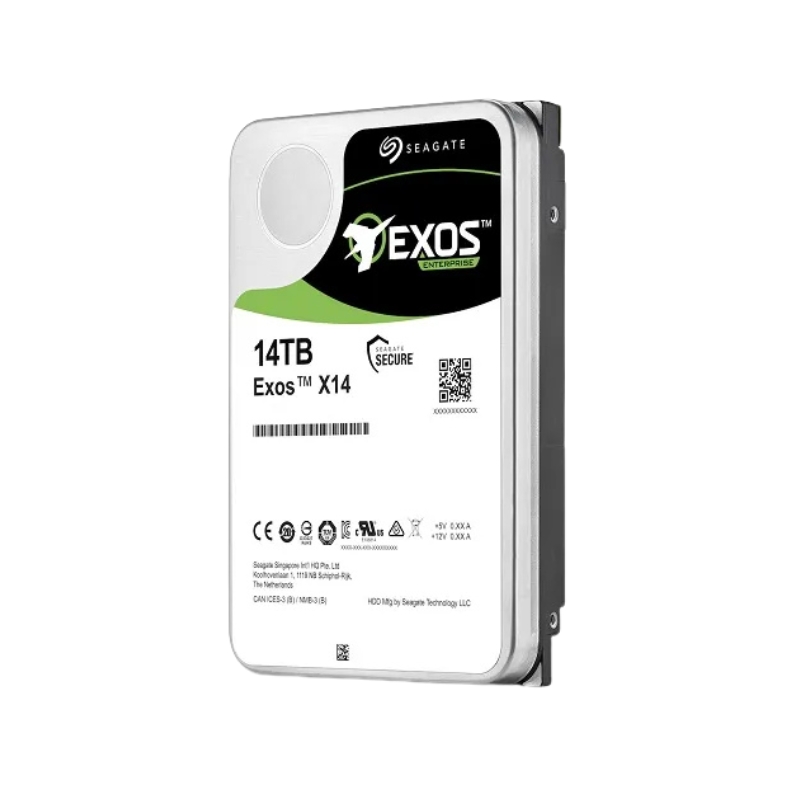
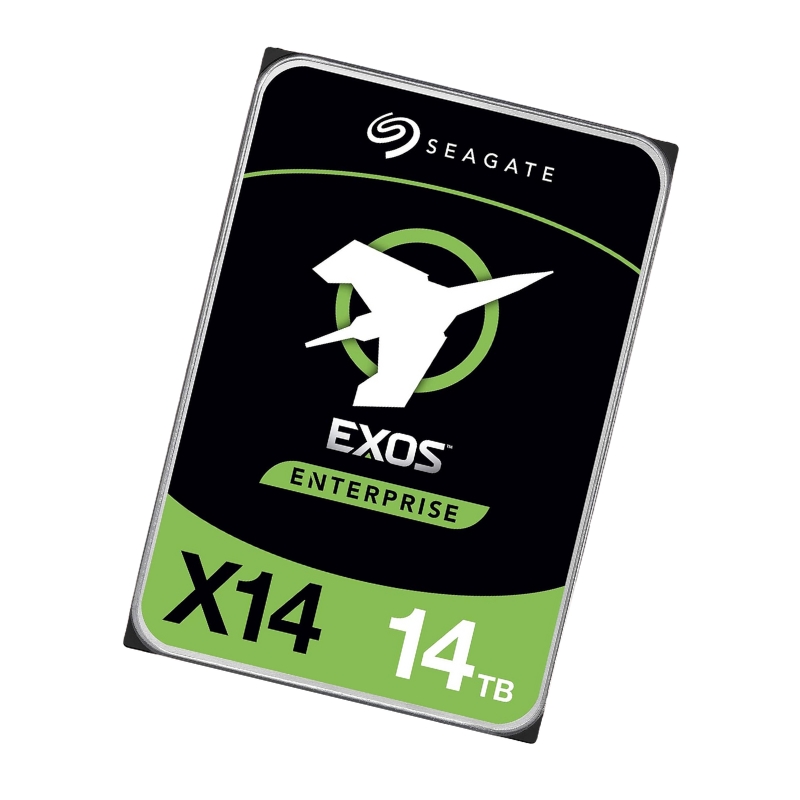
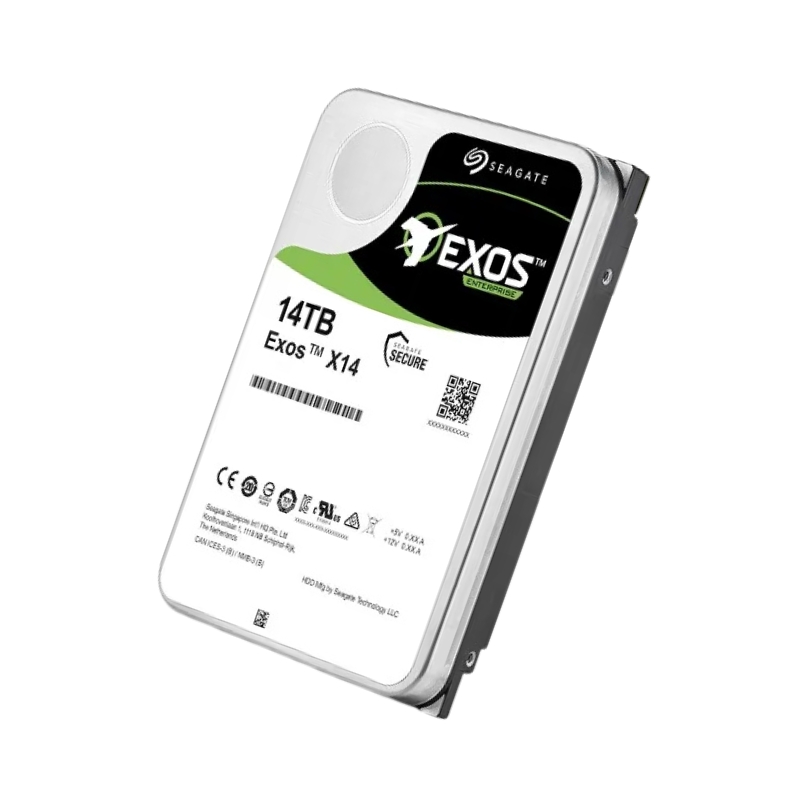
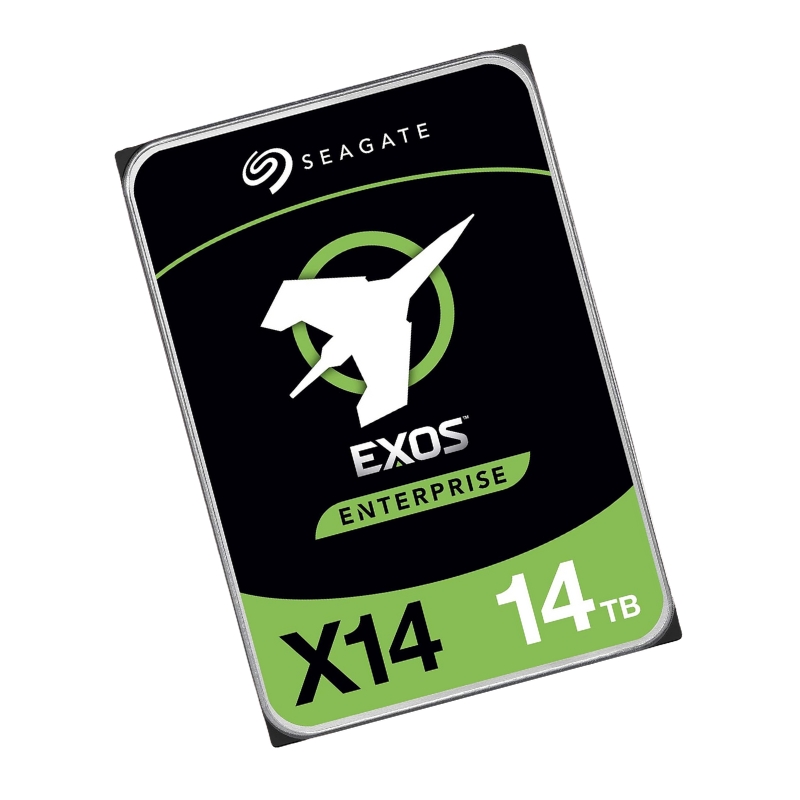
Seagate ST14000NM0048 Exos X14 Series 14TB 7.2K RPM SAS 12GBPS 256MB Cache 3.5 Inch Hard Disk Drive.

ST14000NM0048
* Product may have slight variations vs. image
Hover on image to enlarge

Brief Overview of ST14000NM0048

Seagate ST14000NM0048 Exos X14 Series 14TB 7200RPM SAS 12GBPS 256MB Cache 512e 3.5 Inch Hard Disk Drive. Excellent Refurbished with 1 year replacement warranty


$326.70
$242.00
You save: $84.70 (26%)
Ask a question
Price in points: 242 points
+
Quote
Additional 7% discount at checkout
SKU/MPNST14000NM0048Availability✅ In StockProcessing TimeUsually ships same day ManufacturerSeagate Manufacturer WarrantyNone Product/Item ConditionExcellent Refurbished ServerOrbit Replacement Warranty1 Year Warranty
Google Top Quality Store Customer Reviews
Our Advantages
Payment Options
  • — Visa, MasterCard, Discover, and Amex
  • — JCB, Diners Club, UnionPay
  • — PayPal, ACH/Bank Transfer (11% Off)
  • — Apple Pay, Amazon Pay, Google Pay
  • — Buy Now, Pay Later - Affirm, Afterpay
  • — GOV/EDU/Institutions PO's Accepted 
  • — Invoices
Delivery
  • — Deliver Anywhere
  • — Express Delivery in the USA and Worldwide
  • — Ship to -APO -FPO
  • For USA - Free Ground Shipping
  • — Worldwide - from $30
Description

Product Overview of Seagate 14TB SAS 12GBPS HDD

  • Ideal solution for scalable data centers and enterprise-level storage arrays
  • Delivers consistent high-speed performance with a 7200RPM rotational speed
  • Engineered to support multi-drive environments and RAID configurations

General Information

  • Manufacturer: Seagate
  • Drive Series: Seagate Exos X14
  • Model Number: ST14000NM0048
  • Total Storage Capacity: 14 Terabytes
  • Rotational Speed: 7200 revolutions per minute
  • Form Factor: 3.5-inch enterprise standard
  • Data Transfer Interface: 12Gb/s SAS (Serial Attached SCSI)
  • Format Type: 512e (Advanced Format Emulation)
  • Cache Buffer: 256 Megabytes

Connectivity and Interface Efficiency

  • 12Gb/s SAS interface ensures ultra-fast communication across storage infrastructure
  • Optimized for seamless integration into existing 3.5-inch form factor backplanes
  • Advanced SAS technology promotes sustained throughput in mission-critical systems

Durability and Lifecycle Optimization

  • Rated with an impressive 2.5 million hour MTBF for maximum operational longevity
  • Supports Instant Secure Erase to streamline drive disposal while maintaining data safety
  • Meets NIST 800-88 and TCG standards for enterprise-level data sanitization compliance

Performance and Intelligent Caching

  • Equipped with 256MB of high-speed cache to accelerate read/write operations
  • Enhanced Write Caching algorithms improve access latency and throughput
  • Consistent data flow for large workloads including virtualization and analytics

Environmental and Power Efficiency

  • Incorporates helium-based architecture for reduced drag and cooler operation
  • PowerBalance technology balances performance with lower energy consumption
  • Eco-conscious design helps reduce total cost of ownership (TCO)

Deployment Scenarios

  • Designed for hyperscale computing and data-intensive cloud workloads
  • Highly recommended for dense RAID arrays and high-volume storage enclosures
  • Reliable for analytics, data warehousing, surveillance, and virtualization
Operational and Compliance Standards
  • Meets rigorous industry certifications for security and compliance
  • Supports secure data erasure via Instant Secure Erase (ISE)
  • Complies with TCG and NIST 800-88 guidelines for data protection and privacy

Advanced Technology Highlights

  • Helium-sealed drive improves capacity and thermal efficiency
  • Built for continuous 24/7 operation under extreme workloads
  • Supports both cloud-native and on-prem infrastructure

Latency, IOPS, and Mixed Workloads

  • Optimized for mixed I/O: both large block sequential tasks (like backups, media streaming) and smaller block random accesses (virtual machines, database operations) benefit from Seagate’s firmware algorithms
  • Write-caching strategies tune performance under heavy random write load while maintaining data integrity via onboard error correction and write-through or write-back mechanisms as per configuration
  • Reliable queuing and command tagging courtesy of SAS protocol support help maintain low latency in multi-drive, high-queue-depth environments

Reliability, Durability, and Safety Standards

  • Mean Time Between Failures (MTBF) rated around 2.5 million hours — this signifies expected reliability under continuous 24x7 operation
  • Helium-sealed internal environment reduces mechanical friction, heat, turbulence; that means lower vibration, cooler running, extended life
  • PowerBalance technology to finely adjust internal power profiles — minimizing power waste during idle or less demanding phases, helping thermal management
  • Industry compliance: NIST 800-88 and TCG certification ensure data sanitization and security meet regulated requirements for data centers, governments, enterprises

Secure Data Decommissioning and Data Privacy

  • Instant Secure Erase (ISE) functionality allows users to quickly dismantle sensitive data without physical destruction of the device
  • Firmware-level support for secure erase protocols to ensure no residual plaintext data remains post-erasure
  • Compatible with security policies that mandate verifiable drive retirement procedures for regulated sectors (financial, health, legal, government)

Power, Thermal, and Energy Efficiency Features

  • Helium enclosure design cuts aerodynamic drag within drive, lowers power draw, reduces cooling requirements
  • Power consumption optimized across active and idle states; intelligent firmware reduces energy usage during low demand periods
  • Heat output minimized; less stress on power supplies, cooling infrastructure, overall reduced operational expenses in large server racks
  • “Eco-friendly” design includes materials, manufacturing processes and packaging consistent with modern environmental standards
Vibration Resistance and Mechanical Stability
  • Robust mechanical components to handle vibrations common in multi-bay and dense-rack systems
  • Shock tolerance during shipping and handling embedded in design, safeguarding internal constituents like platters, actuator arms
  • Consistency of spindle speed and read/write head tracking even under stress ensures low error rates and longer drive lifespan

Cloud Infrastructure and Hyperscale Operations

  • Service providers use large pools of these drives for object storage, archival, hot-cold storage tiers
  • Distributed file systems (e.g., Hadoop Distributed File System, Ceph, Swift) gain from high throughput and scalable densities
  • Minimizing rack space while maximizing aggregate capacity — 14TB allows fewer drives to deliver desired petabyte-scale storage

Enterprise Servers, Virtualization, and Database Platforms

  • Hosts for virtual machine images benefit from consistent latency and caching to reduce VM boot times and I/O spikes
  • Database systems (SQL, NoSQL) with mixed read/write patterns, high concurrency benefit from SAS speed plus robust caching and error-handling
  • Hyperconverged infrastructure deployments where storage performance and reliability are critical to overall cluster stability

Backup Systems, Archival Storage, and Media Libraries

  • Large sequential writes (backup, log archiving, video file storage) are well served by stable sustained throughput and large capacity
  • Data integrity over long periods emphasized via error correction, secure erase, mechanical stability
  • Cost-per-terabyte advantage when compared with enterprise SSD for cold or infrequent-access data storage tiers

High-Density RAID Arrays and Storage Enclosures

  • Use in 12-bay, 24-bay, 60-bay enclosures where drive failure, power draw, vibration, and thermal control matter greatly
  • RAID 5, RAID 6, RAID‑10 configurations leveraging redundancy and fault tolerance aligned with high-capacity devices
  • Hot‑swappable trays and enterprise-level backplanes find this drive fitting due to standard form factor and SAS interface support

Data Interface and Format

  • Interface: Dual-port or multi‑port 12 Gb/s SAS ensures compatibility with enterprise controllers and backplanes
  • Sector Format: 512e format used for backward compatibility, while achieving efficiency in physical data storage
  • Protocol Support: SAS commands include SCSI command set features such as persistent reservation, error reporting, zoned‑recording safety, etc.

Reliability, Security, Certifications

  • MTBF: approximately 2.5 million operating hours under standard reference conditions
  • Data Sanitization: conforms with NIST 800‑88 and Trusted Computing Group (TCG) for secure erasure and drive retirement
  • Instant Secure Erase: built‑in feature for efficient and reliable data removal without physical destruction
  • Error Detection: self‑monitoring, error correction, CRC checks; designed to reduce uncorrectable read errors

Energy, Cooling, and Environmental Specifications

  • Helium‑filled internal construction: lower density gas reduces internal drag, allowing cooler operation and lower power use
  • PowerBalance or equivalent adaptive power management to reduce consumption during idle or lower throughput conditions
  • Operating temperature and thermal throttling designed to prevent damage under high ambient heat typical in dense storage racks
  • RoHS or other environmental directives compliance, minimal hazardous substance use and optimized packaging
Power Consumption & Acoustic Performance
  • Stable power draw during full activity; reduced draw in idle or standby modes
  • Acoustic emissions controlled via mechanical damping, balanced rotor components; suitable for server rooms though not necessarily silent environments
  • Thermal dissipation consistent with enterprise usage; heat sinks, airflow, enclosure design complement drive thermal behavior

Implementation Best Practices

RAID Configuration Tips

  • Implement RAID levels (5, 6, 10) that match your tolerance for performance vs capacity vs fault tolerance
  • Include spare disks or hot‑spare designations to ensure quick rebuilds in case of failure
  • Monitor rebuild times and distribute workload to avoid stressing individual drives excessively

Firmware Updates

  • Keep firmware updated to leverage improvements in performance, error handling, compatibility
  • Utilize monitoring tools (SMART, SAS diagnostic utilities) to track health, temperature, error rates
  • Plan for eventual drive retirement: maintain performance logs to identify drives approaching end‑of‑life or exhibiting error trends

Data Security and Compliance Measures

  • Leverage secure erase features before repurposing or decommissioning drives
  • Document drive history, use compliance labels where required by industry regulation
  • Encrypt sensitive data at rest, maintain chain of custody for retired drives, ensure secure disposal or data purging

Resale, Decommissioning, and End‑of‑Life Value

  • Data erasure compliance (e.g., NIST 800‑88) improves resale or repurposing trust and legal compliance
  • Recycling or safe disposal in line with environmental regulations maintains corporate responsibility
  • Used enterprise drives may retain value if condition, usage history, and performance are well documented (though warranty status matters)

Encryption Capabilities and Secure Features

  • Self‑Encrypting Drive (SED) options provide encryption at hardware level, isolating performance overhead from system CPU
  • Secure erase features and compliance protocols are crucial for sectors with strict data protection laws

Keyword Integration and LSI Topics

  • Include phrases like “14TB SAS hard drive”, “enterprise HDD”, “ST14000NM0048 specifications”, “high‑density storage solution”
  • Use synonyms: “enterprise‐class internal drive”, “SAS 12Gbps disk”, “helium sealed drive”, “power‑efficient data center storage”
  • Latent semantic indexing: “MTBF hours”, “write cache 256MB”, “512e sector format”, “instant secure erase feature”

Rich Descriptions and Long‑form Benefits

  • Describe not only what features are, but how they help real‑world operations: energy savings, uptime, compliance, capacity scaling
  • Use concrete numbers: 2.5 million hours MTBF, 256MB cache, 12Gb/s, 7200RPM — helps search engines and users perceive value precisely
  • Compare with alternatives (SATA, SSDs, smaller or larger drives) to highlight trade‑offs and strengths

Primary Advantages of Choosing Exos X14 14TB SAS Drives

  • High storage density reduces hardware footprint and infrastructure cost at scale
  • Robust performance under demanding workloads both sequential and random
  • Enterprise reliability backed by MTBF, certifications, and mechanical design features
  • Secure data handling, sanitization, and a wealth of firmware‑level controls
  • Energy savings coming from helium technology and power profile optimization

Factors to Weigh Before Deployment

  • Initial cost vs budget: high‑capacity enterprise drives have higher upfront price than lower capacity or SATA class
  • Power, cooling, rack space must be adequate — infrastructure must support heat and airflow demands
  • Firmware management, monitoring of drive health, error rates, and proactive maintenance protocols
  • Compatibility with existing controllers—SAS backplanes, RAID controllers, enclosure mounting preferences must match specifications
Features
Manufacturer Warranty:
None
Product/Item Condition:
Excellent Refurbished
ServerOrbit Replacement Warranty:
1 Year Warranty