(7% discount is applied at checkout)
Cart is empty
Your go-to destination for cutting-edge server products
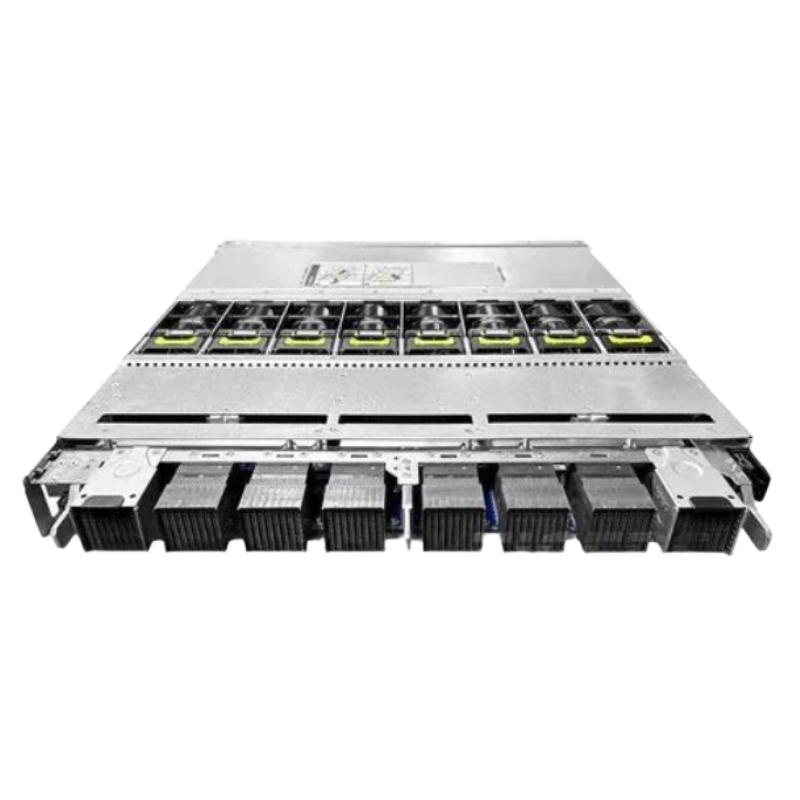


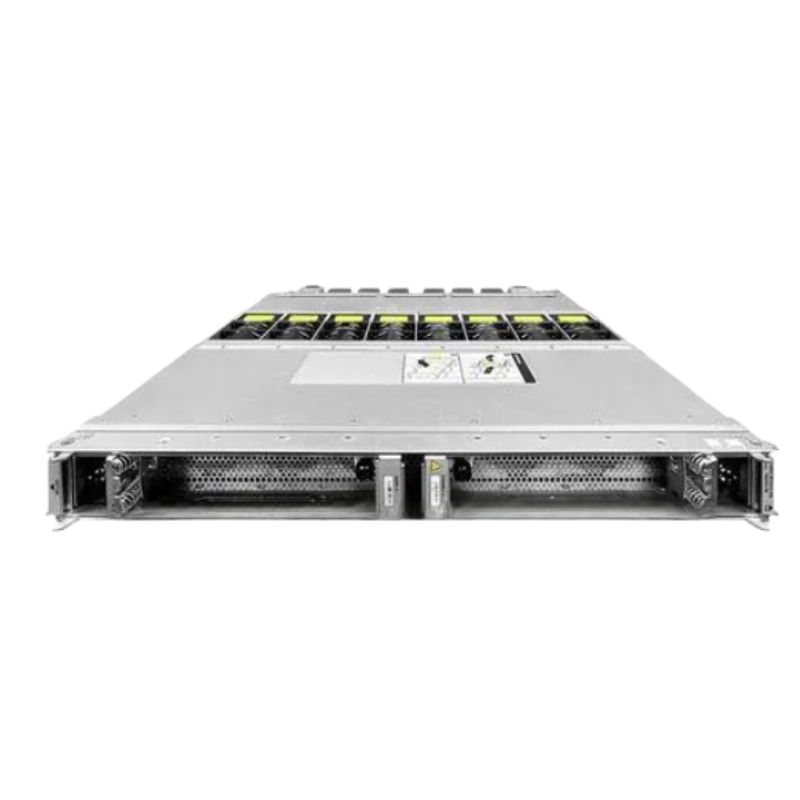
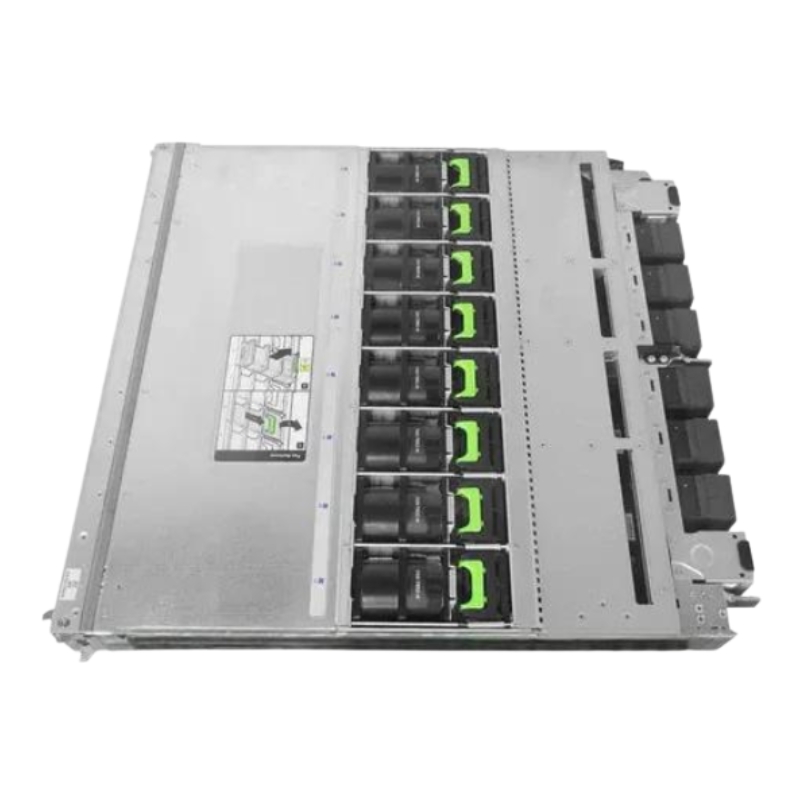
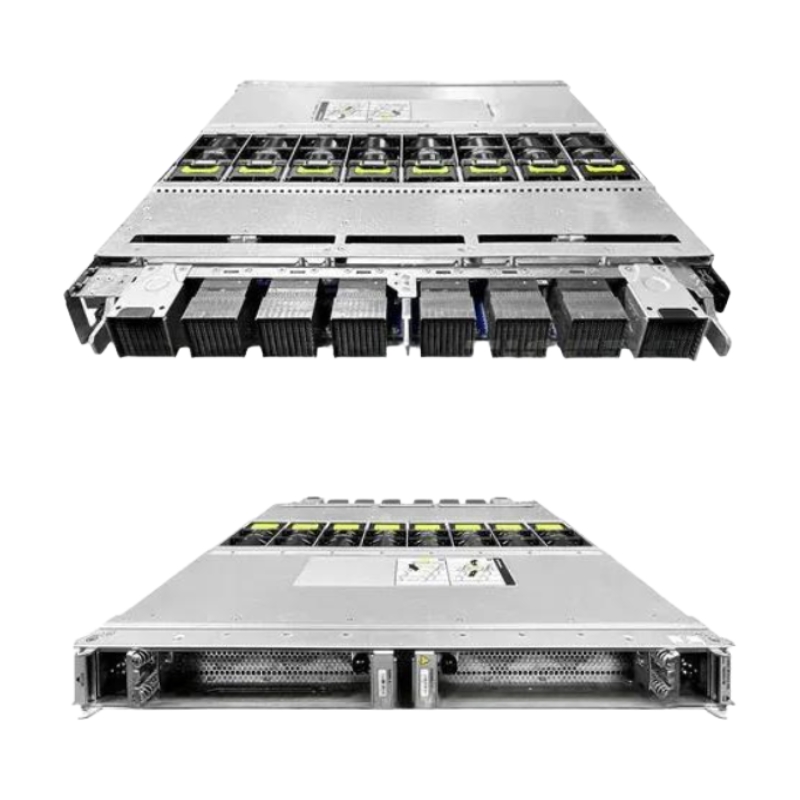
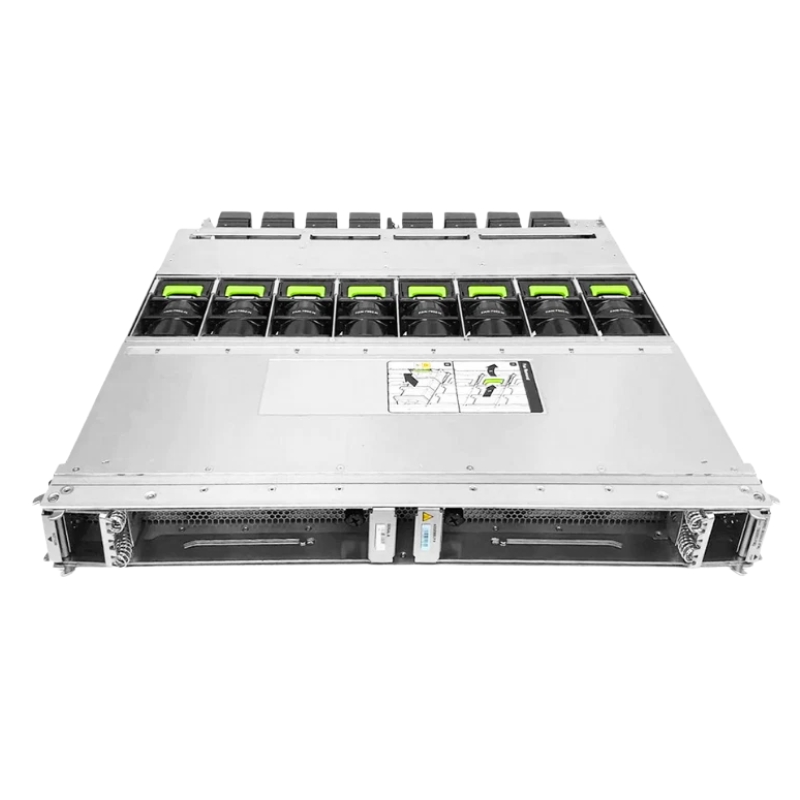
Arista DCS-7808R3-FM 7800R3 Series Switch Fabric Module for 7808 Chassis. Excellent Refurbished with 1 year replacement warranty
The Arista DCS-7808R3-FM is a purpose-built fabric module manufactured by
Arista and intended for high-performance networking environments.
Part number / SKU: DCS-7808R3-FM.
Product type: Switch Fabric Module (sometimes referred to as switch backplane or fabric card).
The DCS-7808R3-FM is intended for use with the ARISTA 7808r3 series chassis. When deploying, ensure chassis firmware and other modular components are updated to the recommended versions to guarantee seamless interoperability and full feature support.
While installed in the 7808r3 chassis, this fabric module helps increase the internal switching capacity, lowering inter-slot contention and ensuring predictable latency across transit paths. It is suitable for high-density, low-latency requirements typical of modern leaf-spine and core designs.
Data center switching has evolved significantly from early shared bus architectures to today's high-performance crossbar fabric designs. The Arista 7800R3 series represents the cutting edge of this evolution, employing a distributed forwarding architecture with centralized fabric management. This approach combines the benefits of distributed intelligence with centralized coordination, enabling unprecedented scalability and performance while maintaining consistent operational behavior across the entire system.
Early modular switching systems utilized shared bus architectures where all line cards competed for limited backplane bandwidth. The crossbar fabric architecture, as implemented in the Arista 7800R3 series, represents a fundamental improvement by providing dedicated pathways between line cards, eliminating contention and enabling true non-blocking performance. This architectural advancement is crucial for supporting the demanding workloads of modern cloud networks and high-performance computing environments.
The DCS-7808R3-FM delivers exceptional performance characteristics designed to meet the demands of the most challenging data center environments. With a fabric capacity of 25.6 Tbps per module, the system ensures non-blocking performance even under extreme load conditions. Each fabric module supports full-duplex operation with advanced traffic management capabilities, including sophisticated quality of service (QoS) mechanisms and congestion control algorithms that maintain optimal performance across diverse traffic patterns.
The fabric module provides massive internal bandwidth that far exceeds the requirements of most current applications, while providing headroom for future growth. With the ability to handle multiple terabits of traffic simultaneously, the DCS-7808R3-FM ensures that line cards can communicate at their full rated capacity without internal bottlenecks. This capability is particularly important for spine switches in leaf-spine architectures and for aggregation layers where traffic converges from multiple sources.
Constructed with enterprise-grade components and designed for continuous operation, the DCS-7808R3-FM incorporates sophisticated thermal management systems and power-efficient design principles. The module utilizes high-speed serial interfaces and advanced signal integrity techniques to maintain data integrity at multi-gigabit speeds across the backplane. Redundant components and failover mechanisms are built into the design to ensure continuous operation even in the event of individual component failures.
The module features advanced thermal management with multiple temperature sensors and dynamically controlled cooling systems. This intelligent thermal design ensures optimal operating temperatures across varying environmental conditions while minimizing power consumption. The power delivery system incorporates multiple voltage regulators with redundancy and monitoring capabilities, providing stable power to all critical components while enabling comprehensive power usage reporting and management.
The DCS-7808R3-FM is specifically engineered for seamless integration with the Arista 7808 chassis, forming a cohesive system where all components work in perfect harmony. The chassis provides the physical infrastructure, power distribution, and cooling, while the fabric modules deliver the switching intelligence and bandwidth. This tight integration ensures optimal performance, simplified management, and consistent operational behavior across the entire system.
The fabric module connects to the chassis through a high-density, high-speed backplane interface that provides multiple independent pathways to each line card slot. This architecture ensures that communication between any two line cards occurs through dedicated fabric connections rather than shared resources. The backplane design incorporates sophisticated signaling technology that maintains signal integrity at extremely high data rates, ensuring reliable operation even in electrically challenging environments.
Within the 7808 chassis ecosystem, the fabric modules work in concert with various line cards, supervisor modules, and power supplies to create a complete switching solution. The system architecture ensures that fabric modules can be hot-swapped without disrupting traffic on unaffected line cards, providing exceptional operational flexibility and serviceability. This design philosophy enables organizations to perform maintenance and upgrades without scheduled downtime, meeting the demanding availability requirements of modern digital businesses.
The modular fabric architecture allows organizations to scale their switching capacity incrementally by adding fabric modules as needed. This scalability model provides financial flexibility by enabling capacity expansion without complete system replacement. The architecture supports mixed configurations where organizations can operate with reduced fabric capacity initially and expand as traffic demands increase, protecting investments while maintaining growth flexibility.
The Arista 7800R3 series implements a sophisticated N+1 redundancy model for fabric modules, where a single fabric module can fail without impacting system operation. This architecture ensures that the system maintains full non-blocking performance even during failure conditions, providing exceptional resilience for mission-critical applications. The redundancy mechanisms operate transparently, with automatic failover that occurs without administrator intervention or visible impact on network traffic.
One of the most critical features of the fabric module redundancy system is its ability to perform hitless failover. During a fabric module failure, traffic automatically redistributes across the remaining active fabric modules without packet loss or session disruption. This capability is essential for supporting stateful applications, financial transactions, and real-time communications that cannot tolerate even brief interruptions in service.
Unlike systems that utilize standby redundancy where backup components remain idle, the Arista 7800R3 fabric modules operate in an active-active configuration where all installed modules share the traffic load simultaneously. This approach maximizes resource utilization while maintaining redundancy. The load distribution algorithms ensure balanced utilization across all active fabric modules, optimizing performance and preventing localized hotspots within the system.
The system employs sophisticated load distribution algorithms that dynamically balance traffic across available fabric paths based on real-time utilization metrics. These mechanisms consider multiple factors including destination line card, traffic priority, and current fabric utilization to make optimal forwarding decisions. The result is efficient utilization of all available fabric resources while maintaining consistent latency and jitter characteristics across varying traffic patterns.
The DCS-7808R3-FM delivers true non-blocking performance, meaning that all ports can operate at their maximum rated speed simultaneously without contention for internal resources. This capability is essential for modern data centers where east-west traffic often exceeds north-south traffic, and where any internal bottleneck can significantly impact application performance. The non-blocking architecture ensures predictable performance regardless of traffic patterns or utilization levels.
Through its crossbar fabric design with virtual output queuing, the system eliminates head-of-line blocking and other forms of internal contention that can degrade performance in less sophisticated architectures. Each data path through the fabric is dedicated to specific source-destination pairs, ensuring that traffic flows independently without interfering with other simultaneous transmissions. This contention-free operation is fundamental to delivering consistent microsecond-level latency across the entire system.
The fabric module implements comprehensive QoS capabilities that extend across the entire chassis, ensuring consistent treatment of traffic from ingress to egress. These capabilities include sophisticated classification, marking, policing, shaping, and scheduling mechanisms that operate at fabric scale. The system supports millions of queues and schedulers that can be allocated dynamically based on application requirements and administrative policies.
Advanced buffer management techniques prevent congestion from impacting performance during traffic bursts or temporary oversubscription scenarios. The fabric incorporates deep packet buffers with intelligent management algorithms that prioritize traffic based on administrative policies while preventing bufferbloat and other congestion-related performance issues. These mechanisms work in concert with endpoint congestion notification protocols to provide end-to-end congestion management across the network.
The DCS-7808R3-FM is fully managed through Arista's Extensible Operating System (EOS), providing a consistent management interface across the entire Arista product portfolio. EOS delivers comprehensive visibility into fabric module operation, including real-time performance metrics, health status, and detailed error reporting. The single binary image approach of EOS ensures that all system components, including fabric modules, run the same software version with consistent behavior and interoperability.
Through its integration with EOS, the fabric module supports extensive programmability and automation capabilities. The open APIs and standard Linux underpinnings enable organizations to implement custom monitoring, management, and automation solutions tailored to their specific operational requirements. This programmability extends to fabric operations, allowing automated responses to performance anomalies, predictive maintenance based on telemetry data, and integration with broader data center automation frameworks.
The fabric module provides extensive monitoring capabilities that deliver real-time visibility into system performance and health. These capabilities include detailed statistics collection, event logging, and streaming telemetry that provides continuous insight into fabric operation. The telemetry data can be exported to external analysis systems for historical trending, capacity planning, and anomaly detection, enabling proactive management and optimization of the switching infrastructure.
Comprehensive diagnostic capabilities simplify troubleshooting and reduce mean-time-to-repair for any issues that may arise. The system includes built-in test patterns, loopback capabilities, and detailed error reporting that pinpoint problems to specific components or connections. These diagnostics operate at multiple levels, from individual serdes links to end-to-end fabric paths, providing granular visibility into system operation and simplifying root cause analysis.
In leaf-spine architectures, the Arista 7808 chassis with DCS-7808R3-FM fabric modules serves as an ideal spine platform, providing the high-bandwidth, low-latency connectivity required between leaf switches. The non-blocking performance ensures that any leaf switch can communicate with any other leaf switch at full line rate, eliminating oversubscription concerns and providing predictable application performance. The scalability of the system allows organizations to start with smaller configurations and expand as their needs grow.
For cloud service providers and large enterprises building cloud-like internal infrastructure, the 7800R3 series delivers the scale, performance, and operational simplicity required for these demanding environments. The fabric modules ensure consistent performance across thousands of connected servers while providing the isolation and multi-tenancy capabilities essential for cloud deployments. The extensive automation capabilities align perfectly with cloud operational models that emphasize API-driven management and infrastructure-as-code approaches.
In environments where microseconds matter, such as high-frequency trading and scientific computing, the deterministic low latency of the 7800R3 fabric provides a critical competitive advantage. The predictable performance characteristics ensure consistent behavior under varying load conditions, enabling applications to perform optimally without jitter-induced variability. The extensive buffer management and congestion control mechanisms prevent performance degradation during traffic bursts, maintaining consistent latency even during peak utilization.
For storage area networks and data-intensive applications that generate massive east-west traffic patterns, the high bisectional bandwidth of the fabric ensures that data can move freely between storage systems and compute resources without bottlenecks. The support for jumbo frames and storage-specific protocols enables efficient transport of storage traffic, while the robust QoS mechanisms ensure that storage traffic receives appropriate priority alongside other data types.
The DCS-7808R3-FM is engineered for continuous operation in demanding 24/7 environments, with component selection, thermal design, and electrical design all optimized for reliability and longevity. The module undergoes extensive testing under extreme environmental conditions to ensure robust operation across the specified temperature, humidity, and altitude ranges. This rigorous design and validation process results in exceptional mean-time-between-failure (MTBF) ratings that meet the availability requirements of the most critical applications.
As a field-replaceable unit, the fabric module supports hot-swap operation, allowing removal and replacement without powering down the chassis or disrupting traffic on unaffected line cards. This serviceability feature significantly reduces maintenance windows and enables proactive replacement of components based on predictive analytics from system telemetry. The hot-swap capability works in concert with the N+1 redundancy to ensure that hardware maintenance occurs without service impact.
The fabric module incorporates multiple energy-saving technologies that reduce power consumption during periods of lower utilization while maintaining readiness for immediate full-capacity operation. These technologies include dynamic clock scaling, power-aware scheduling algorithms, and optimized circuit design that minimizes energy usage without compromising performance. The module complies with relevant environmental regulations and includes features that simplify responsible end-of-life recycling.
The thermal management system balances cooling effectiveness with acoustic noise output, making the system suitable for deployment in diverse environments including open office spaces adjacent to data centers. The variable-speed fans respond dynamically to temperature changes, providing increased cooling when needed while operating at lower, quieter levels during normal conditions. This intelligent thermal management extends component life while maintaining acceptable acoustic profiles for the deployment environment.


 Contact Us
 Information
 Catalog
 Solid State Drives (SSD)
 Network Switches
 Hard Disk Drives
 HBA & Controllers
 PC & Servers
 PC & Server Memory
 CPU & Processors
 Network Routers
 Power Supplies
 Tape Drives & Libraries
 Network Devices
 Computer & Network Cables