(7% discount is applied at checkout)
Cart is empty
Your go-to destination for cutting-edge server products
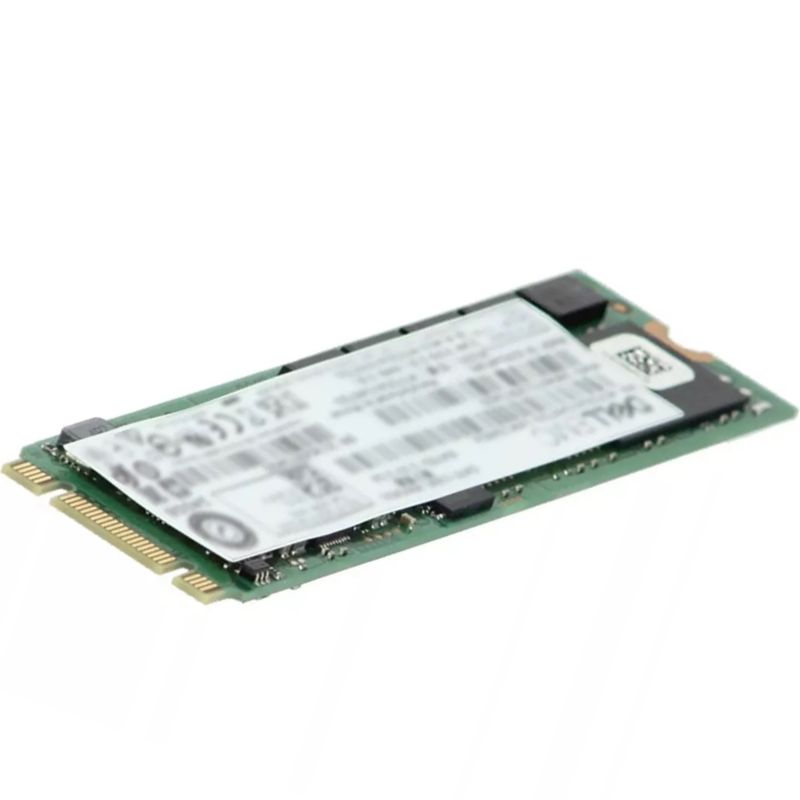


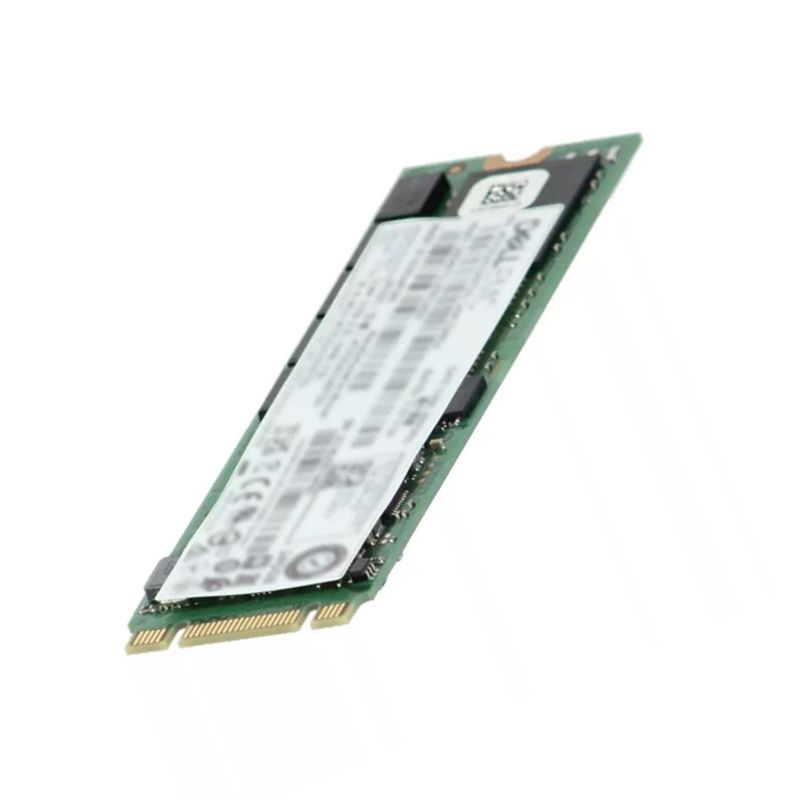
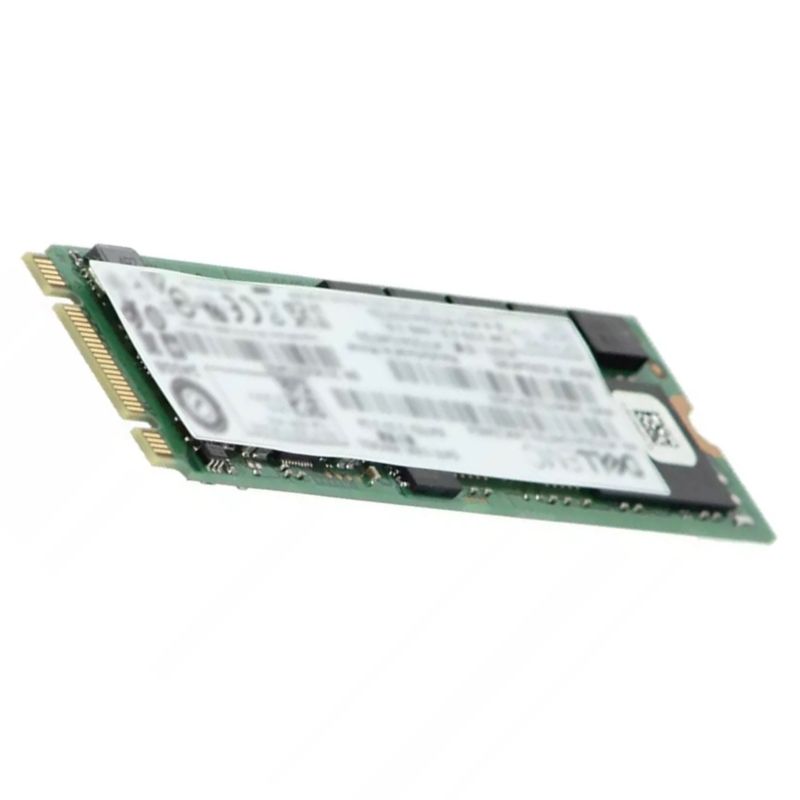
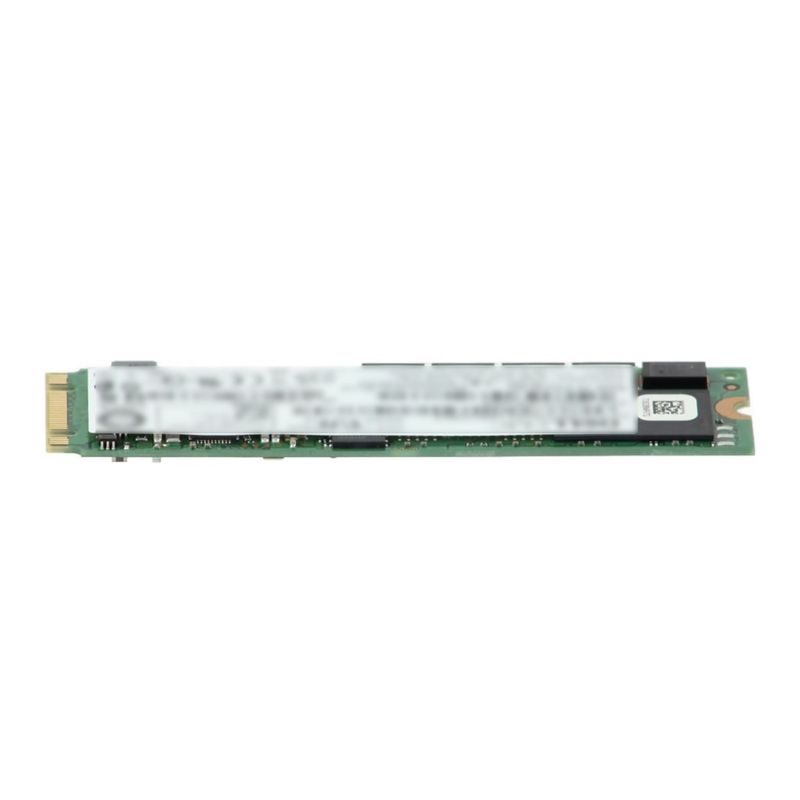
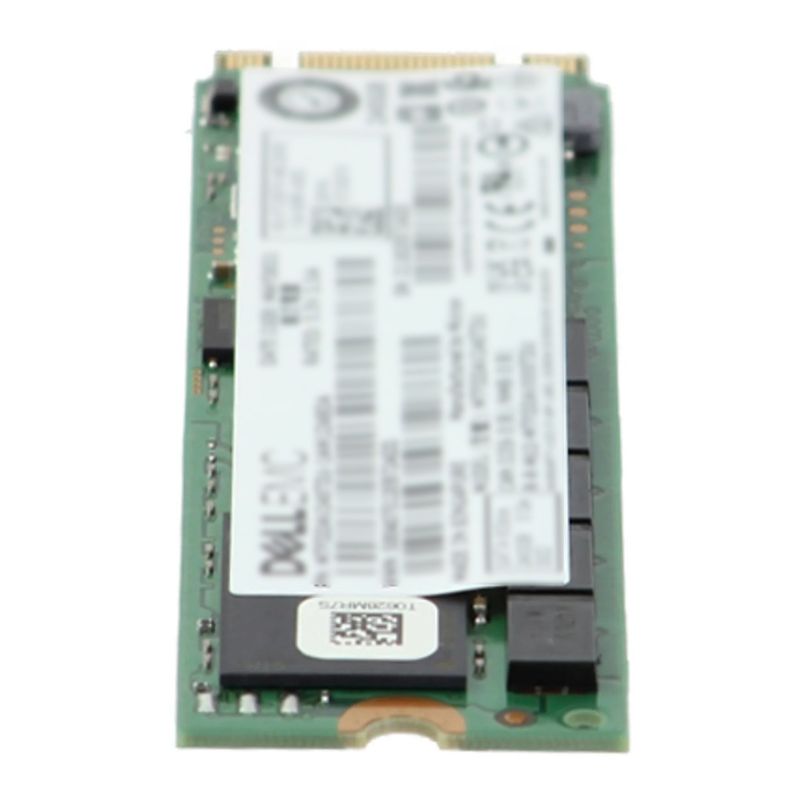
Dell 345-BLBT 480GB M.2 SATA 6Gbps Enterprise Class SSD
The Dell 345-BLBT 480GB SATA-6Gbps M.2 2280 Solid State Drive is designed for top-tier reliability and speed, built to meet the rigorous demands of enterprise-level PowerEdge servers. Optimized for read-intensive workloads, this high-performance Triple Level Cell (TLC) 3D NAND SSD delivers exceptional endurance, seamless data transfer, and consistent operation under heavy use. Its BOSS Card compatibility makes it an excellent choice for 14G or 15G Dell PowerEdge systems.
The Dell 345-BLBT 480GB SATA-6Gbps M.2 TLC Enterprise Class Read-intensive Solid State Drive category groups a focused lineup of high-efficiency, read-optimized SSDs designed for data-center applications, enterprise servers, storage arrays, and read-heavy workloads. This category emphasizes durability, consistent read performance, low-latency access, and cost-effective density using Triple-Level Cell (TLC) 3D NAND in an M.2 form factor with a SATA 6Gbps interface. Products within this category are typically validated for compatibility with Dell PowerEdge servers and certified for enterprise-grade reliability, firmware features, and power management.
Engineered for longevity, this SSD ensures long operational life and stable throughput. Dell’s enterprise-grade testing and validation guarantee resistance against power loss, vibration, and thermal variations. This reliability makes it a dependable solution for enterprises requiring continuous operation and minimal maintenance.
Built with efficiency in mind, this SSD consumes less power compared to traditional spinning drives. Its low heat generation helps maintain optimal server temperatures, contributing to overall energy savings and extended component life.
Engineered for mission-critical workloads, the Dell 345-BLBT SSD provides reliable, low-latency storage for business servers and data centers. Utilizing advanced 3D NAND architecture, this drive maximizes density and efficiency while maintaining exceptional endurance over time. The TLC flash memory ensures consistent read performance, making it ideal for high-volume databases, virtualization environments, and cloud applications.
Tailored for seamless integration, this SSD is validated and certified for Dell’s 14G and 15G PowerEdge servers. Its BOSS Card compatibility enhances boot and storage management efficiency, reducing downtime and improving system responsiveness. By leveraging Dell’s enterprise-grade reliability, administrators can deploy storage solutions that ensure high uptime and data integrity.
The Triple Level Cell 3D NAND flash structure provides improved storage density without compromising durability. This design reduces power consumption and extends drive lifespan, making it more efficient for continuous 24/7 server operations. The combination of speed, endurance, and compact form factor delivers an optimized balance for high-performance computing environments.
With a 6Gb/s SATA interface and read speeds reaching 560MB/s, this SSD ensures fast data access, enabling servers to handle multiple workloads simultaneously. Write operations up to 490MB/s keep data updates smooth and reliable, crucial for real-time analytics, caching, and virtual machine applications.
The M.2 2280 form factor provides a compact and flexible design, suitable for modern server motherboards. Its B+M key interface supports broad compatibility across Dell systems and other enterprise platforms using SATA 6Gbps connections. Installation is straightforward, allowing for easy deployment in both existing and new server environments.
Built for internal configuration, this SSD integrates tightly within server infrastructures, minimizing space usage while maximizing storage capability. It supports long-term operation in high-temperature, high-demand environments, maintaining stable throughput under continuous workloads.
SATA III at 6Gbps is the interface standard for this category. While NVMe drives using PCIe lanes offer higher throughput and lower latency, SATA 6Gbps M.2 drives remain widely used where cost-per-GB, broad compatibility, and mature software/firmware ecosystems are priorities. For read-dominant tasks, SATA 6Gbps provides reliable throughput without the premium cost of PCIe Gen3/Gen4 NVMe SSDs.
The M.2 2280 form factor (22mm x 80mm) is common for this category, enabling easy integration into server motherboards, blade systems, and compact storage modules. Advantages include smaller footprint, lower power consumption, and straightforward hot-swap solutions with adapters. Limitations include thermal density at scale — adequate cooling and airflow management should be considered when deploying many M.2 drives in a single chassis.
TLC stores three bits per memory cell, increasing capacity and reducing cost per gigabyte compared to SLC and MLC. For read-intensive SSDs the trade-off between endurance and cost is favorable: TLC with enterprise-class firmware and controller optimizations produces long-lasting drives when used in predominantly read workloads.
Read-intensive drives often have endurance ratings configured for the expected write volume. Typical endurance is expressed in DWPD (Drive Writes Per Day) or TBW. When planning deployments, match the TBW rating to your write profile — read-intensive SSDs usually offer lower DWPD than mixed-use or write-intensive enterprise SSDs, but this is appropriate for their intended workloads.
Sequential read throughput is the most important metric in this category. The Dell 345-BLBT class 480GB SATA M.2 SSDs typically deliver strong sequential read performance at SATA limits, which benefits large-file reads, boot image streaming, and content distribution.
Random read IOPS are critical for database-heavy, virtualization, and small-block access patterns. Read-optimized enterprise SSDs in this category focus on maximizing small-block read IOPS while providing reasonable random write IOPS through internal caching and over-provisioning. IO consistency under mixed-access patterns is a key differentiator.
Low latency and predictable Quality of Service (QoS) define enterprise-grade drives. The category emphasizes consistent read latency across sustained workloads; firmware-level scheduling and internal garbage collection are tuned to avoid read spikes and maintain steady response times.
Enterprise SSDs expose SMART attributes and telemetry for health monitoring and predictive failure analysis. These metrics include media errors, spare block usage, thermal stats, power cycle counters, and host-written totals — essential for data center monitoring and automated maintenance workflows.
The category supports end-to-end data protection features such as ECC (Error Correction Code), internal parity checks, and metadata integrity verification. These protect data during transfer within the SSD controller and across NAND arrays to minimize silent data corruption risks.
While full power-loss capacitors are more common on higher-end write-intensive SSDs, read-optimized enterprise SSDs still incorporate firmware strategies and limited capacitive storage to ensure metadata consistency in the event of sudden power loss. Data retention specifications indicate how long the drive can reliably store data without power — important for archival and backup planning.
Dell-branded part numbers like 345-BLBT are validated for use in Dell PowerEdge servers and compatible chassis. Compatibility tables enumerate supported models, BIOS/UEFI firmware versions, and recommended RAID controller firmwares. When integrating into non-Dell systems, verify M.2 slot electrical and physical compatibility, SATA lane routing, and available firmware updates.
The category offers broad OS and hypervisor compatibility: modern Linux distributions, Microsoft Windows Server, VMware ESXi, and other enterprise stacks. Native SATA drivers suffice for standard operations; vendor tools (Dell OpenManage, firmware updaters) provide extended monitoring and firmware management.
When used in RAID arrays, read-optimized SSDs should be matched with appropriate RAID levels and controller settings. For software-defined storage (SDS) caches, these drives are ideal for read caching tiers where performance-per-dollar is critical. Ensure proper write-back/write-through configuration when placing read-optimized disks in caching roles.
The Dell 345-BLBT 480GB M.2 SSDs are frequently used as boot devices and OS volumes, delivering fast system boot and application load times while freeing larger NVMe or HDD arrays for bulk storage. Their M.2 form factor simplifies installation in dense server boards.
For CDN edge nodes and caching appliances, read-heavy SSDs lower latency for content streaming, accelerate response times, and reduce backend load. Their capacity-to-cost ratio makes large cache sizes feasible without the premium associated with NVMe.
VDI workloads often require high concurrent read performance for many virtual desktop images booting/updating simultaneously. Read-optimized M.2 drives can host golden images and streaming clones, improving login times and reducing IO contention on shared storage.
Search indices, log analytics, and OLAP workloads can leverage the read throughput of these drives when index reads are frequent and writes are limited to periodic updates or batch processes.
The 480GB capacity places this drive in a mid-tier segment — higher than 240–256GB entry-level units yet below 960GB+ high-density models. It’s a common choice for balancing usable capacity with cost and endurance for read-heavy deployments.
When comparing across vendors, evaluate TBW and DWPD ratings plus warranty terms. Dell-branded drives often include enterprise warranty and support channels, which can justify a price premium relative to commodity SSDs lacking enterprise support.
Choose SATA M.2 for cost-sensitive, read-heavy use cases where NVMe’s lower latency and higher throughput do not provide sufficient ROI. NVMe is the right choice for mixed or write-intensive workloads demanding the absolute maximum IO performance.


 Contact Us
 Information
 Catalog
 Solid State Drives (SSD)
 Network Switches
 Hard Disk Drives
 HBA & Controllers
 PC & Servers
 PC & Server Memory
 CPU & Processors
 Network Routers
 Power Supplies
 Tape Drives & Libraries
 Network Devices
 Computer & Network Cables