(7% discount is applied at checkout)
Cart is empty
Your go-to destination for cutting-edge server products
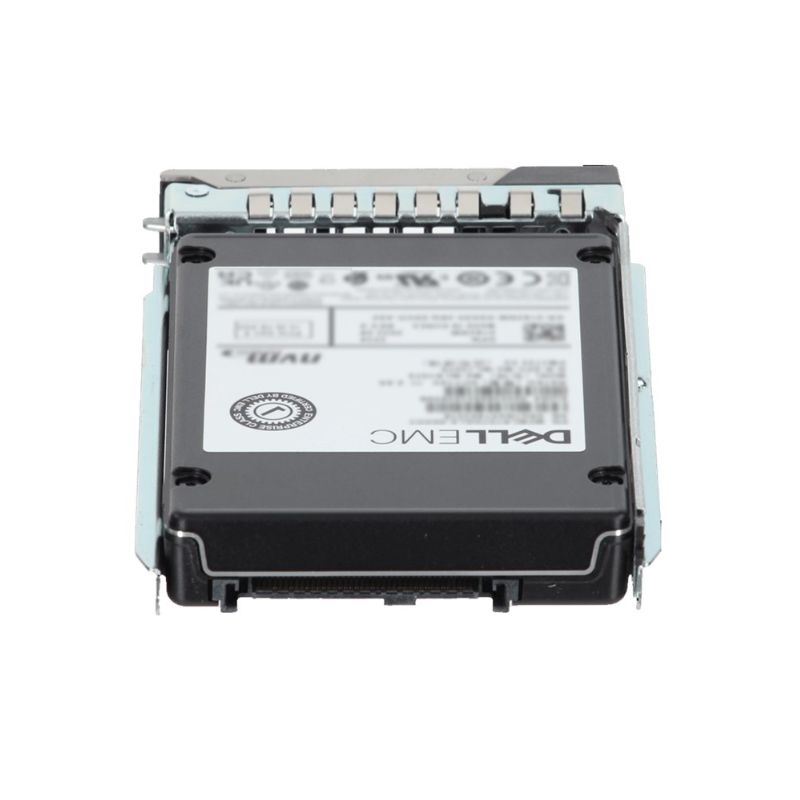


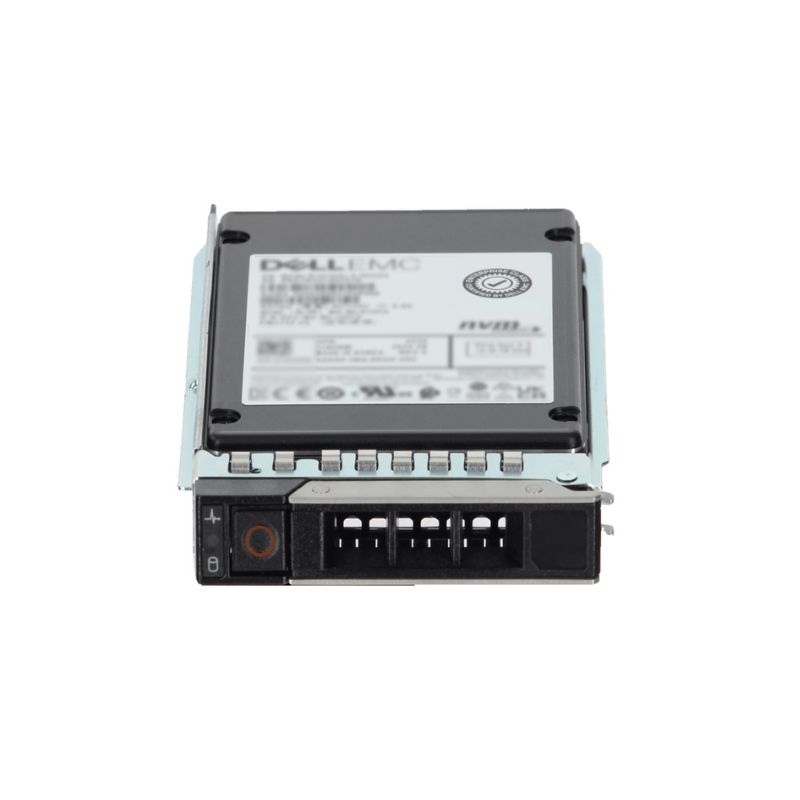
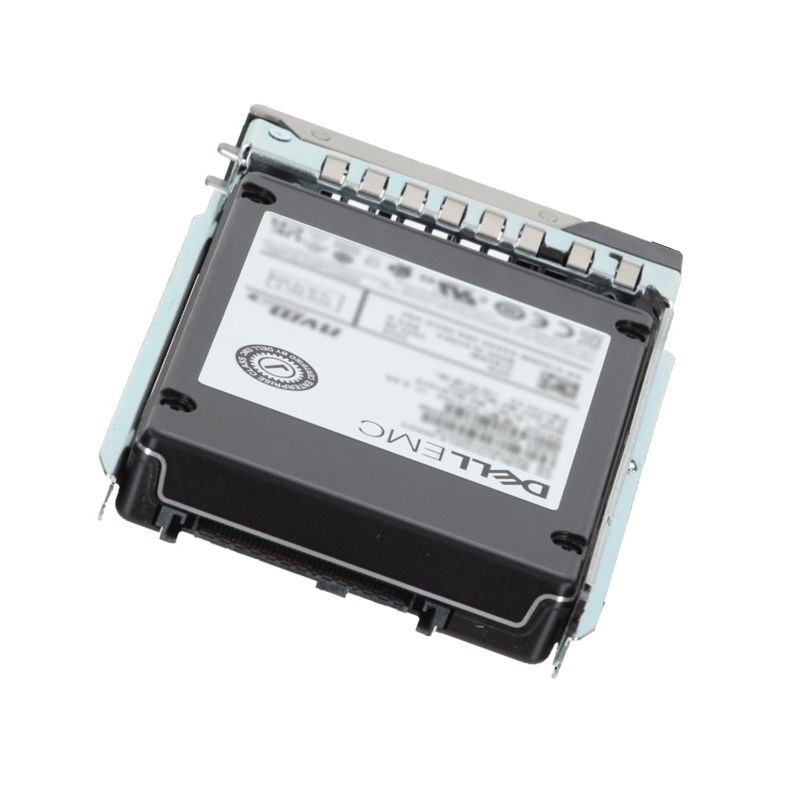
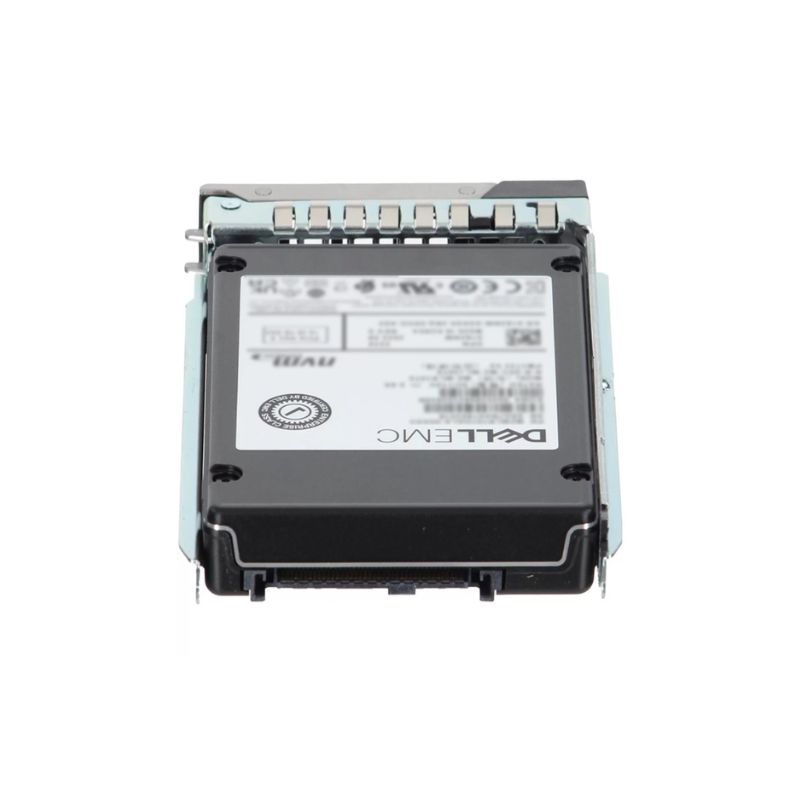
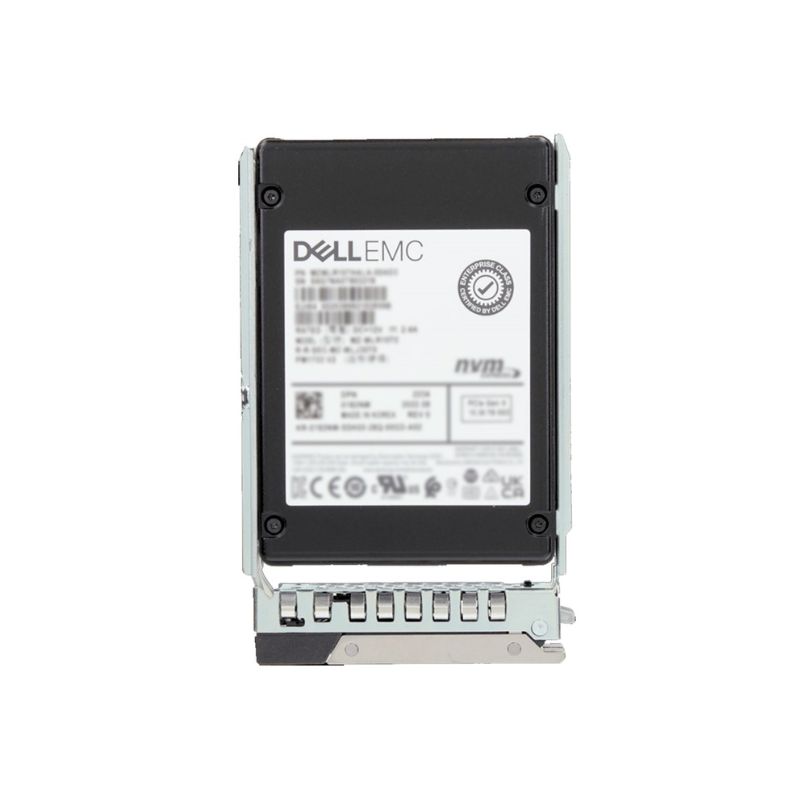
Dell 400-BPBV 1.92TB Pcie Gen 4.0 X4 Nvme U.2 Sff 2.5-inch SFF Read Intensive Tlc Solid State Drive For Server. New Sealed in Box (NIB) with 1 year replacement warranty
Every component of the DELL 1.92TB NVMe SSD is optimized for operational consistency. It is engineered with firmware that ensures thermal balance, stability under continuous workloads, and predictable latency levels to maintain performance during peak operations.
This enterprise-grade SSD seamlessly integrates with multiple generations of PowerEdge servers, offering flexibility for upgrades and scalability within data centers.
Whether deployed in rack-mounted, blade, or tower servers, this SSD enhances read performance and contributes to lower latency in data-heavy environments. Its compatibility with 14G, 15G, 16G, and 17G PowerEdge systems ensures easy replacement and scaling without configuration conflicts.
This SSD’s design focuses on read-intensive operations, making it ideal for workloads such as analytics, content delivery, and virtualization. With balanced performance and endurance, it provides sustained responsiveness under high query loads.
The Dell 400-BPBV is a purpose-built enterprise solid state drive in a small form factor (SFF) 2.5-inch, 15mm U.2 package that leverages PCIe Gen4 ×4 and the NVMe protocol to deliver consistently high throughput and low latency for read-intensive server workloads. With a capacity of 1.92TB and read-optimized TLC NAND, this drive targets database acceleration, large-scale virtual desktop infrastructure (VDI), web/cache servers, and other applications where read performance and predictable I/O matter more than peak write endurance. Its design emphasizes rack-scale compatibility, manageability, and data center reliability while minimizing power and thermal overhead compared with legacy HDDs.
PCIe Gen4 ×4: Provides a theoretical raw bandwidth up to ~8GB/s (per direction aggregated across lanes), enabling modern NVMe drivers and host controllers to exploit parallelism for multi-threaded server workloads.
NVMe 1.x compliant: Low-latency command set optimized for flash; benefits include deeper queue depths, fewer CPU cycles per I/O, and improved scalability on multi-core servers.
Capacity: 1.92TB usable (product labeling); formatted capacity depends on vendor formatting and reserve. The capacity is optimized for read-heavy datasets where the working set fits comfortably in high-speed flash.
NAND: Read-intensive TLC (Triple Level Cell) — offers a balance of cost per GB and read performance, with internal overprovisioning and controller-level wear management to extend useful life under read-dominant workloads.
U.2 drives provide the benefit of hot-swappable trays in many rack servers and storage arrays, allowing rapid field replacement with minimal downtime. For operations teams, this means easier maintenance and quicker RMA cycles compared with direct-attach M.2 modules that require opening the server.
The 15mm height enables higher areal capacity per bay in enterprise platforms that accept thicker drives, which helps data centers maximize storage density without sacrificing serviceability or compatibility with existing drive cages and backplanes.
NVMe U.2 SSDs like the Dell 400-BPBV are engineered for consistent IOPS under sustained workloads, with firmware-implemented quality of service (QoS) features that reduce latency spikes during background tasks (e.g., garbage collection, TRIM, encryption maintenance).
A modern NVMe controller with multi-core I/O processing, advanced NVMe namespace support, and adaptive thermal and power management is typically deployed in this class of SSD. Firmware controls:
OLAP workloads, read-heavy OLTP query patterns, and analytics that repeatedly access large datasets benefit from the low latency and high read bandwidth. The drive’s design helps reduce query response times and improve concurrency for read-dominant operations.
During boot storms and login storms, VDI deployments require many concurrent read operations — exactly the scenario where a read-optimized NVMe U.2 SSD shines. Faster desktop load times, shorter application launch latency, and improved user experience are typical gains.
Edge servers and caching layers that store frequently accessed objects (images, video segments, static assets) will see reduced response times and lower backend load when fronted by high-performance NVMe SSDs.
Using fast NVMe drives for boot volumes, metadata stores (for object stores or distributed file systems), or log appendices can accelerate system management tasks and transactional throughput while leaving bulk storage to higher-capacity HDDs or object stores.
U.2 is supported by many enterprise OEM servers (Dell, HPE, Lenovo) and shared storage arrays. Before purchase, confirm server model compatibility, available U.2 backplanes, and any required caddies or adapters. Some modern servers offer direct U.2 bays, while others provide U.2 via adapter cards or PCIe risers.
NVMe is widely supported in modern OS kernels (Linux, Windows Server, VMware ESXi). Ensure firmware and driver versions are current for best performance and stability; server vendors often publish HCLs (Hardware Compatibility Lists) documenting validated firmware/driver combinations.
Many NVMe deployments use software RAID or host-based solutions rather than traditional SAS RAID controllers. When configuring redundancy, consider NVMe native tools (e.g., kernel-level multipathing, NVMe over Fabrics) and enterprise storage software that natively understands NVMe characteristics.
Use realistic workload generators (e.g., FIO on Linux with synthetic profiles matching your production IO mix) and measure multiple metrics: IOPS, throughput, latency percentiles, and CPU utilization. Run long enough to capture steady-state effects, and vary queue depth to simulate concurrency. Compare results across firmware versions and host configurations to identify bottlenecks such as thermal throttling or host bus limitations.
Compared with SATA SSDs, PCIe Gen4 NVMe U.2 drives provide much higher throughput, lower latency, and better concurrency. SATA is limited by its interface bandwidth and SATA command queue depth; NVMe scales better with modern multi-core servers and parallel workloads.
The Dell 400-BPBV is tuned for read-intensive workloads and cost per GB. For write-heavy databases, logging servers, or heavy VDI burst writes, consider endurance-rated SSDs (higher DWPD/TBW) or NVMe drives with stronger write amplification controls and higher TBW ratings.


 Contact Us
 Information
 Catalog
 Solid State Drives (SSD)
 Network Switches
 Hard Disk Drives
 HBA & Controllers
 PC & Servers
 PC & Server Memory
 CPU & Processors
 Network Routers
 Power Supplies
 Tape Drives & Libraries
 Network Devices
 Computer & Network Cables