(7% discount is applied at checkout)
Cart is empty
Your go-to destination for cutting-edge server products
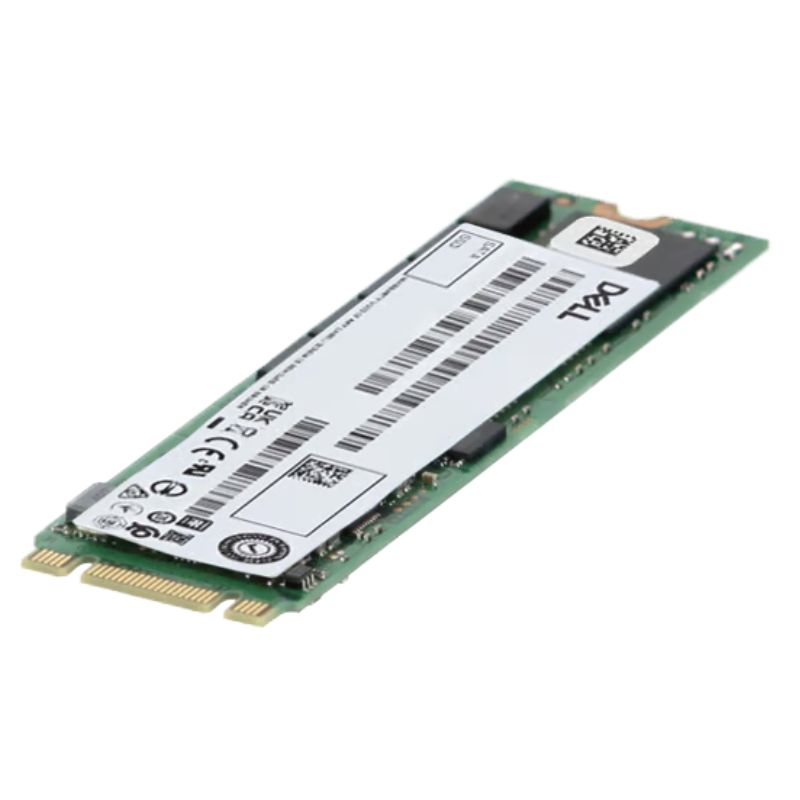


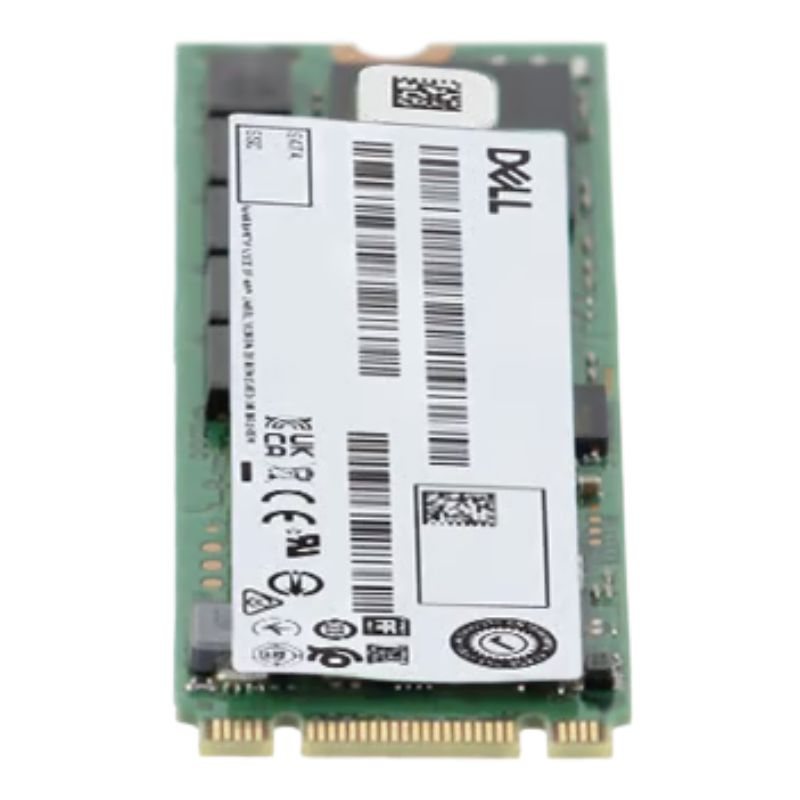
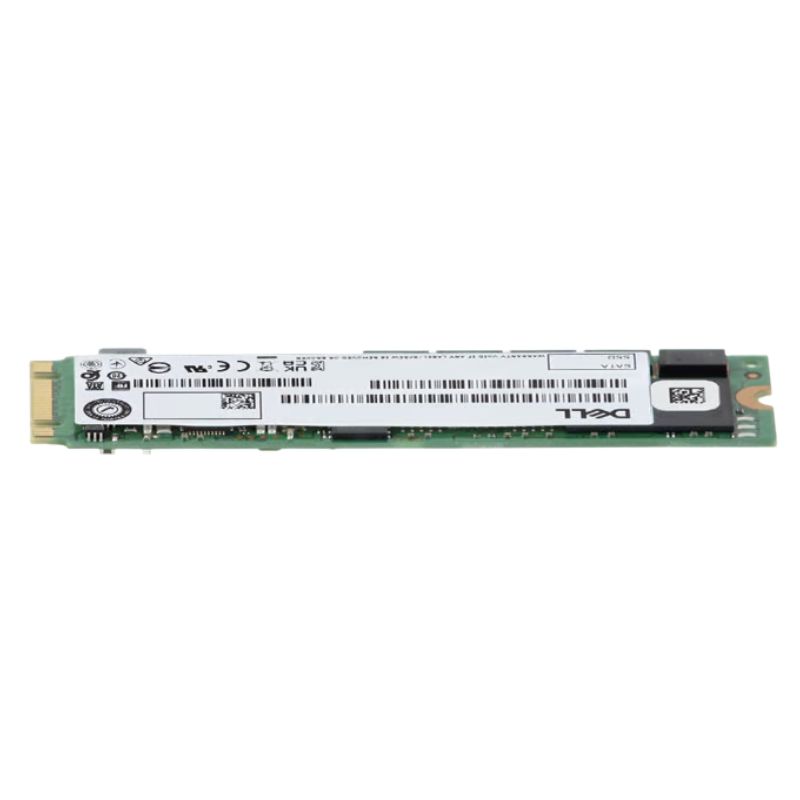
Dell 400-BONL 480GB SATA-6GBPS M.2 2280 for Boss Card Enterprise Class 64 Layer Triple Level Cell Read-intensive TLC 3d Nand Solid State Drive. Excellent Refurbished with 1 Year Replacement Warranty
The Dell 400-BONL 480GB SATA-6GBPS M.2 2280 SSD delivers high-performance storage tailored for enterprise-level environments. Designed to enhance speed, reliability, and durability, this read-intensive 3D NAND SSD ensures consistent output for demanding workloads and critical data applications.
Built for both efficiency and endurance, the Dell 400-BONL SSD utilizes cutting-edge 3D TLC NAND technology that offers superior data integrity and optimized performance under continuous read workloads.
This Dell enterprise SSD is engineered for data centers, cloud computing, and intensive business applications that demand consistent read performance and minimal downtime. Its robust NAND structure and Dell’s quality assurance make it a dependable choice for mission-critical systems.
The Dell 400-BONL 480GB SATA-6GBPS M.2 2280 is a purpose-built solid state drive engineered for enterprise boot, caching, and capacity-optimized workloads. Designed to pair with Dell's BOSS (Boot Optimized Storage Solution) card and compatible M.2 slots in modern PowerEdge servers, this drive combines a 480GB capacity with SATA III (6 Gbps) connectivity, 64-layer 3D Triple Level Cell (TLC) NAND, and read-intensive firmware tuning. The result is a compact M.2 2280 SSD that prioritizes reliable read performance, low latency for OS and application boot streams, and cost-efficient endurance for enterprise environments that place heavy emphasis on read throughput over sustained write volume.
This category of drives centers on enterprise-grade M.2 form factor storage that is optimized for server boot and read-heavy application workloads. The core attributes include SATA-6Gbps compatibility, the M.2 2280 physical profile for flexible deployment, 64-layer 3D TLC NAND for a balance of density and reliability, and firmware calibrated for read-intensive service profiles. Unlike consumer M.2 NVMe parts, these SATA M.2 devices are purpose-built for platforms where legacy SATA controllers or the BOSS card are preferred for boot resiliency, predictable performance, and broad compatibility across generations of server hardware.
Within enterprise data centers, the Dell 400-BONL 480GB is most commonly deployed as a boot and operating system volume, a read cache for hybrid storage tiers, or as a local read-optimized dataset store for small virtualization hosts. When used in conjunction with Dell BOSS cards, this SSD provides a resilient local boot solution that separates boot media from larger shared arrays. For virtual machine hosts running many read-oriented VMs, for web front-ends, database read replicas, or file-server metadata storage, this drive delivers consistent read latency and quick access to hot data while preserving higher-endurance NVMe or SAS arrays for write-intensive or latency-critical tiers.
Read-intensive 3D TLC NAND is selected to balance storage density and cost while meeting the endurance and reliability required by server boot and read-dominant services. The 64-layer stack increases bits per die density and improves cost per gigabyte relative to planar NAND. Firmware in read-optimized SSDs implements wear leveling, read retry mechanisms, and error correction tuned to typical enterprise read/write ratios, which maximizes usable life for workloads dominated by reads. For organizations that require a cost-efficient, reliable M.2 drive with strong read performance and predictable behavior under sustained read loads, 64-layer TLC read-intensive SSDs are an ideal fit.
The Dell 400-BONL 480GB is engineered for compatibility with Dell PowerEdge servers using the BOSS card and with motherboards supporting SATA M.2 2280 modules. When planning deployment, confirm that the target server firmware and BOSS card firmware versions support the specific drive model; Dell technical documentation and release notes often list validated SSD models for each PowerEdge generation. The M.2 2280 form factor ensures easy physical installation, but administrators should also account for thermal management and BIOS boot-order configuration when integrating these drives into boot arrays or local storage pools.
Physically, the M.2 2280 footprint is 22 mm wide and 80 mm long, a standardized size that fits M.2 sockets commonly found on server motherboards and on the Dell BOSS adapter. The SATA III 6 Gbps interface provides broad platform support across generations of enterprise servers, and while limited by SATA bandwidth compared to NVMe, it remains more than sufficient for boot, caching, and many read-optimized application workloads. These drives operate with enterprise power profiles and include built-in power-loss protection and data-path integrity features at the firmware level to reduce the risk of corruption in the event of sudden power interruption.
Because the drive uses a SATA III interface, sequential throughput will approach the protocol ceiling—frequently reaching sustained sequential read speeds close to SATA’s theoretical limit, and offering strong random read IOPS for small block access patterns typical of boot and metadata workloads. While manufacturer-specific throughput figures vary with firmware and test methodology, administrators can expect this drive to deliver fast boot times, snappy OS responsiveness, and consistently low read latency under moderate concurrency. For write-heavy workloads, the drive’s TLC-based architecture and read-intensive tuning mean it is less suitable than high-endurance NVMe or SAS SSDs; however, for its intended use case the price-to-capacity and read performance trade-off are compelling.
Endurance rating for read-intensive enterprise SSDs is tuned to the expected lifecycle of server boot media and read-dominant datasets. Enterprise features such as advanced wear-leveling algorithms, bad block management, and strong ECC (Error Correcting Code) are integrated to reduce the risk of silent data corruption and extend usable life. Administrators should monitor SMART attributes, firmware update advisories, and drive health metrics using server management tools to track usable life and to plan replacement ahead of critical failure. The predictable wear profile of read-intensive TLC drives makes them easier to lifecycle-manage compared to consumer NVMe drives deployed in enterprise contexts without adequate monitoring.
Enterprise SSDs in this category typically ship with firmware optimized for server use and may include features such as firmware-level logging, SMART attribute extensions, and vendor-specific maintenance utilities. Firmware updates are important: they can resolve interoperability issues with BOSS adapters or server BIOS versions and improve drive stability under specific workloads. For production environments, apply firmware updates only according to validated change-control procedures and after confirming compatibility with your server platform. Integrating the drive into existing monitoring frameworks will let administrators receive early warning signs of wear or error conditions and schedule non-disruptive replacements.
M.2 drives are compact and can be subject to elevated temperatures when used in dense server configurations or in proximity to high-power components. Thermal throttling is a protective mechanism that reduces performance to prevent overheating; thus, proper airflow and, when applicable, dedicated heat dissipation solutions on BOSS cards or M.2 risers are essential. In multi-drive configurations or blade-style enclosures, ensure that chassis airflow pathways are optimized and that environmental monitoring tracks inlet and component temperatures. Consistent thermal conditions help preserve performance and extend the service life of the 64-layer TLC NAND.
Enterprise SSDs often include features that support secure deployment, such as TCG Opal or ATA security commands, secure erase functions, and power-loss data protection. These capabilities support regulatory compliance, secure decommissioning, and safeguarding of data at rest. When deploying Dell 400-BONL drives in sensitive environments, evaluate the supported security commands and verify how they integrate with server management tools, operating system encryption stacks, and data destruction policies. Secure firmware handling and vendor-validated erase procedures reduce the risk of residual data exposure when drives are retired or repurposed.
Pairing the Dell 400-BONL with Dell OpenManage or similar server management suites simplifies inventory, monitoring, and lifecycle workflows. These tools can surface SMART metrics, firmware versions, and drive health, enabling seamless integration into existing IT operations. When configuring automated alerts, include thresholds for reallocations, uncorrectable sectors, and other SMART conditions that typically precede drive failure. Effective integration reduces unplanned downtime and improves the operational reliability of boot and read-intensive storage tiers.


 Contact Us
 Information
 Catalog
 Solid State Drives (SSD)
 Network Switches
 Hard Disk Drives
 HBA & Controllers
 PC & Servers
 PC & Server Memory
 CPU & Processors
 Network Routers
 Power Supplies
 Tape Drives & Libraries
 Network Devices
 Computer & Network Cables