(7% discount is applied at checkout)
Cart is empty
Your go-to destination for cutting-edge server products
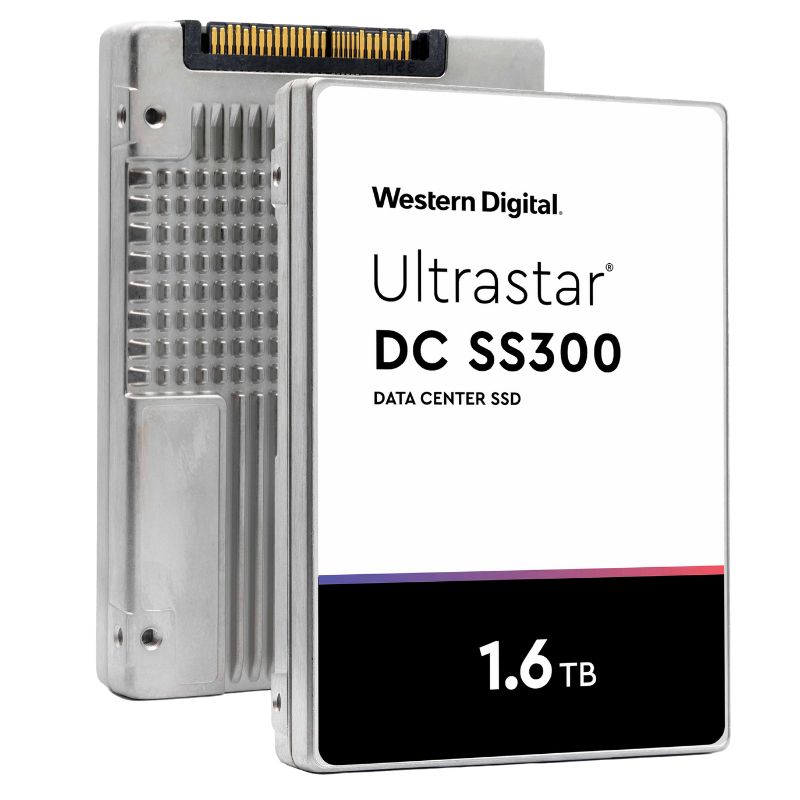


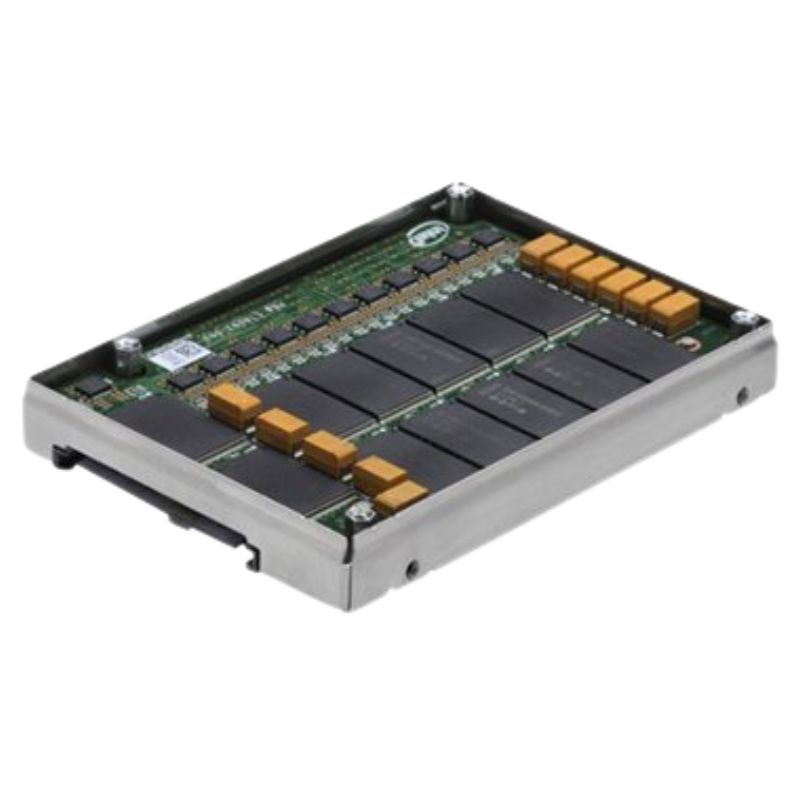
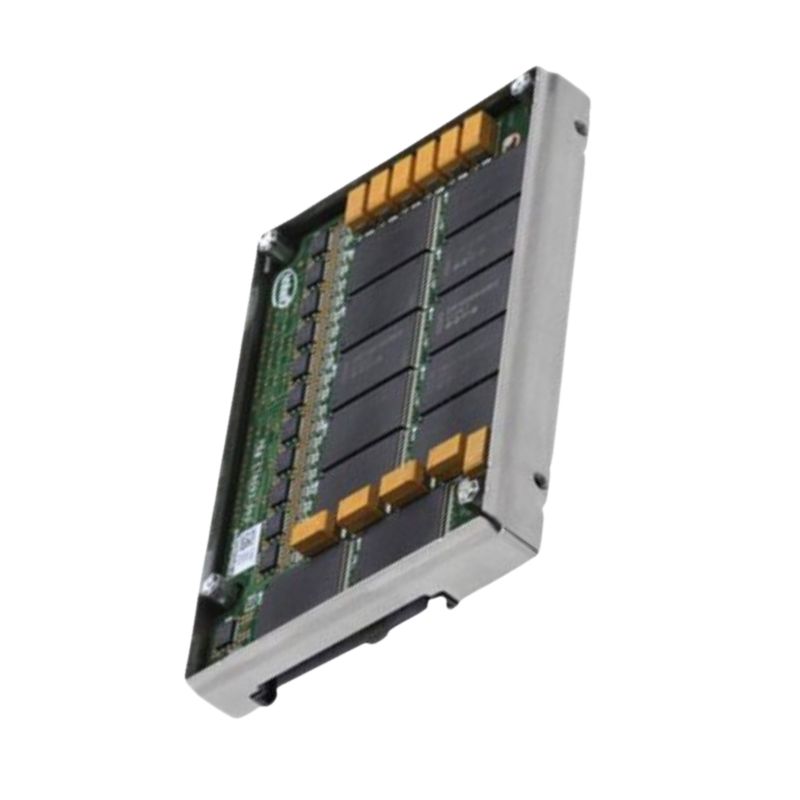
Western Digital HUSMM1616ASS200 Ultrastar 1600MM 1.6TB SAS 12GBPS MLC 2.5 Inch Enterprise Solid state Drive. Excellent Refurbished with 1-Year Replacement Warranty. Dell Version
The Western Digital HUSMM1616ASS200 Ultrastar 1600MM solid-state drive is engineered for mission-critical workloads, delivering unwavering consistency for data-intensive applications. Designed around enterprise-class architecture, this 1.6TB SAS SSD ensures elevated endurance, reduced latency, and seamless compatibility with high-demand infrastructures. Its dependable MLC flash technology, robust SAS 12Gbps interface, and 2.5-inch form factor make it ideal for servers, data centers, and performance-driven storage arrays.
This model stands out in data-center environments due to its balanced endurance, blazing throughput, and consistent latency management. Systems handling heavy transactional loads, virtualization, and analytic operations benefit significantly from the Ultrastar SSD1600MM architecture.
The Western Digital HUSMM1616ASS200 Ultrastar 1600MM 1.6TB SAS 12Gbps MLC 2.5 Inch Enterprise Solid State Drive represents a specialized class of high-performance storage solutions engineered for mission-critical computing demands. This storage category emphasizes predictable performance, exceptional endurance, robust data protection frameworks, and advanced reliability attributes that suit data-intensive enterprise workloads. This detailed description explores the technological depth, operational characteristics, architectural advantages, and broad enterprise applications associated with this sophisticated SAS-based solid-state drive model. The Ultrastar 1600MM belongs to a premium segment of enterprise SSDs engineered to excel in high-stress environments where input/output consistency, latency stability, and sustained throughput significantly influence operational efficiency. Organizations leveraging this type of drive typically manage workloads that require guaranteed access patterns, persistent responsiveness, multilayer data integrity protections, and scalable infrastructure compatibility. With its strong construction, advanced NAND configuration, and optimized controller architecture, this drive category provides a dependable foundation for performance-driven server ecosystems.
Enterprise solid-state drives designed around the SAS 12Gbps interface such as the HUSMM1616ASS200 provide a measurable advantage in server and storage array infrastructures that depend on scalability and multi-lane communication protocols. The SAS protocol enables dual-port connectivity, enhanced command queuing, superior error detection methodologies, and a more reliable data transport environment compared to consumer-oriented interfaces. The 12Gbps transfer rate supports accelerated throughput, which is essential in environments involving real-time analytics, large transactional datasets, virtualized compute layers, or clustered server configurations. The structural design of the 2.5-inch Ultrastar drive is intended for compatibility with standard server bays, modular storage shelves, and multi-drive chassis configurations where density and airflow management govern operational efficiency.
The drive’s 12Gbps SAS architecture enables consistent delivery of high-speed I/O operations under sustained workloads. Enterprise environments rarely operate under sporadic access patterns; instead, they require continuous, balanced throughput with minimal performance degradation. The HUSMM1616ASS200 incorporates a finely tuned controller that manages commands efficiently across the SAS communication channel. Heavy database applications, high-volume transaction processing, or enterprise virtualization platforms benefit significantly from this type of predictable data flow. The drive’s performance characteristics are engineered to maintain consistent latency thresholds even under queue depth saturation, making it an ideal selection for multi-tenant environments and highly parallel data requests.
The MLC (Multi-Level Cell) NAND technology incorporated into this enterprise solid-state drive offers a balance of performance, endurance, and cost-efficiency. MLC NAND remains a preferred option for enterprise workloads that demand strong read and write reliability without compromising longevity. Unlike consumer-grade NAND technologies, the MLC implementation in enterprise environments emphasizes reinforced program and erase cycles, enhanced wear-leveling algorithms, and robust error correction frameworks. These structural improvements ensure that the drive provides dependable long-term operation, even in demanding high-write environments. The result is a storage medium capable of supporting years of continuous operation in data centers that manage critical applications.
Enterprise-grade solid-state drives such as the Western Digital Ultrastar 1600MM incorporate multilayer data security frameworks designed to preserve data accuracy and drive health across extensive operational timelines. Data integrity remains one of the highest priorities for enterprise infrastructures, especially when large distributed systems depend on synchronized data states. This drive implements real-time error detection, end-to-end data protection mechanisms, advanced ECC structures, and power loss protection circuitry to protect against unexpected shutdowns. These capabilities significantly reduce the risk of data corruption, file system inconsistencies, or operational interruptions during heavy loads.
The data path architecture is engineered with an end-to-end protection methodology that monitors and validates data at every point of transfer within the drive’s internal channels. This process ensures that errors introduced during transit or data manipulation cycles are immediately corrected or flagged. High-value enterprise applications such as financial processing systems, healthcare data platforms, government data repositories, and cloud platforms rely heavily on these safeguards to maintain accuracy, reliability, and uninterrupted functionality.
The ECC framework proactively identifies and corrects potential errors before they propagate. This helps maintain long-term drive health and prevents data anomalies in storage arrays where reliability standards are critical. Write operations benefit from stabilized firmware tuning and advanced block management algorithms, which preserve performance levels while preventing premature wear. These internal mechanisms make the HUSMM1616ASS200 a resilient option for sustained use in high-transaction systems.
Power-loss protection ensures that volatile data within the drive’s internal buffers is safely committed to non-volatile storage during sudden power interruptions. This system reduces the risk of partial writes, metadata corruption, or index errors. Firmware-level protections add further resilience, managing drive health, monitoring temperature thresholds, and adjusting internal operations to minimize stress on NAND cells. These safeguards collectively ensure that the drive remains stable and operational even under unpredictable environmental or electrical conditions.
The Western Digital HUSMM1616ASS200 is engineered for a broad range of high-demand workloads spanning multiple sectors within the enterprise technology landscape. Its combination of predictable throughput, high endurance NAND, advanced reliability frameworks, and a robust SAS interface makes it a favorable option in mission-critical deployments. Data center operators, cloud infrastructure providers, large-scale businesses, and enterprise IT departments utilize this category of drives to enhance storage efficiency, accelerate application response times, and support scalable compute architectures.
Workloads that frequently engage in random read and write operations, intensive I/O activities, or multi-session access patterns benefit greatly from SAS-based solid-state storage. These include high-performance database clusters, OLTP systems, ERP platforms, virtual desktop infrastructures, and data warehouses that rely on rapid query processing. The drive’s ability to maintain consistent latency and sustain high queue depths makes it suitable for environments where hundreds or thousands of simultaneous operations must execute seamlessly. Performance reliability becomes essential in such scenarios, and the Ultrastar SSD’s architectural strengths play a pivotal role in ensuring seamless execution.
Virtualization platforms, whether hypervisors, virtual servers, or container-based compute systems, depend heavily on rapid and dependable storage devices that can handle diverse workload patterns. The Ultrastar 1600MM SSD delivers remarkable improvements in VM density, application responsiveness, and system throughput. Server clusters that operate virtualized applications require stable storage throughput and minimal variability in I/O performance. The SAS 12Gbps interface supports substantial simultaneous data flows, making it ideal for distributed compute environments where performance bottlenecks can hinder service delivery.
Cloud environments, including public, private, and hybrid models, require storage solutions with high endurance, consistent data availability, and the ability to scale with increasing demand. This enterprise SSD integrates seamlessly into cloud nodes, high-availability clusters, and distributed file systems. The inherent reliability and performance of SAS-based SSDs contribute to reduced latency, faster boot times, quicker access to containerized environments, and improved data replication efficiency. Enterprise storage arrays benefit from the drive’s predictable performance characteristics, ensuring smooth operation across replicated or mirrored data structures.
High-performance computing environments involve complex data models, simulations, modeling systems, and large-volume analytical tasks that require extremely stable storage throughput. The HUSMM1616ASS200 SSD excels in scenarios that involve sustained sequential or randomized data access patterns. Analytical workloads demand storage that can maintain performance consistency under continuous high load. This drive category meets those requirements by offering reliable I/O characteristics, low latency overhead, and robust endurance metrics suitable for large-scale computational clusters.
Thermal behavior plays a significant role in the longevity and performance of enterprise SSDs. The drive incorporates internal thermal sensors, firmware-driven temperature regulation protocols, and structural heat dissipation features designed to ensure stable operation even under heavy system loads. These design characteristics contribute to predictable performance, minimized throttling, and long-term reliability. Maintaining thermal stability is essential for protecting NAND integrity and ensuring sustained write abilities over the lifespan of the drive.
The physical components of the Ultrastar SSD are constructed with durability in mind, including reinforced connectors, vibration-resistant structures, and secure internal circuitry. These attributes are essential for data centers that deploy high-density racks where mechanical stress, airflow currents, and continuous vibration from adjacent hardware could otherwise impact drive functionality. The reinforced construction ensures that the drive performs reliably over years of continuous deployment.
Compatibility with major server brands and enterprise chassis solutions ensures smooth deployment. The 2.5-inch SAS form factor is widely adopted in industry-standard server hardware, and the 12Gbps interface supports both forward and backward compatibility within SAS-based ecosystems. This flexibility allows organizations to scale storage capacity without requiring significant architecture modifications.
SAS storage arrays that incorporate enterprise SSDs benefit from accelerated data access, improved responsiveness, and enhanced workload parallelism. By integrating the Western Digital HUSMM1616ASS200, data centers achieve more consistent application performance, reduced latency periods, and optimized I/O handling across large distributed systems. This contributes to improved service delivery within cloud, hosting, and enterprise IT environments.
The SAS controller architecture found within servers and storage platforms leverages multiple communication lanes to distribute data efficiently across the network. This drive is fully compatible with advanced controller features such as prioritized command processing, multi-queue handling, and load balancing. These integrations ensure that enterprise applications benefit from stable, high-throughput storage performance.
The value proposition of this enterprise SAS SSD category stems from a combination of endurance, performance, longevity, and operational reliability. The Western Digital Ultrastar 1600MM is engineered for continuous operation within mission-critical environments where downtime is unacceptable. Enterprises requiring secure data handling, dependable throughput, or high-capacity storage within compact form factors benefit significantly from the drive’s robust design. Its advanced NAND structure, controller optimizations, and durability metrics make it an excellent long-term investment for any organization seeking dependable enterprise storage solutions.
Although enterprise SAS SSDs represent a premium segment of storage products, their operational cost efficiency emerges through reduced downtime, longer lifespan, improved performance per watt, and decreased maintenance needs. The MLC NAND structure enhances durability, and the SAS interface supports consistent performance metrics that prevent bottlenecks in application delivery. These efficiencies improve total cost of ownership while delivering significant performance benefits.
This category of SAS enterprise SSDs is well-suited for organizations expecting rapid data growth or evolving IT infrastructure needs. Deployment flexibility, compatibility with modern storage systems, and the ability to scale performance across distributed architectures all contribute to its effectiveness in long-term enterprise planning. The Ultrastar SSD’s robust performance maintains system responsiveness even as workloads intensify.


 Contact Us
 Information
 Catalog
 Solid State Drives (SSD)
 Network Switches
 Hard Disk Drives
 HBA & Controllers
 PC & Servers
 PC & Server Memory
 CPU & Processors
 Network Routers
 Power Supplies
 Tape Drives & Libraries
 Network Devices
 Computer & Network Cables