(7% discount is applied at checkout)
Cart is empty
Your go-to destination for cutting-edge server products
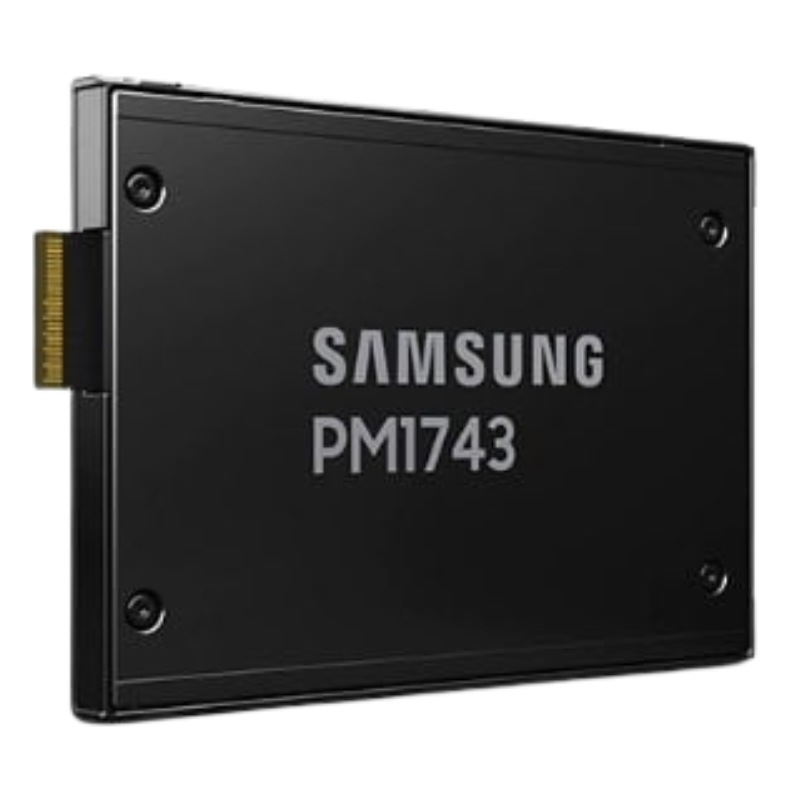


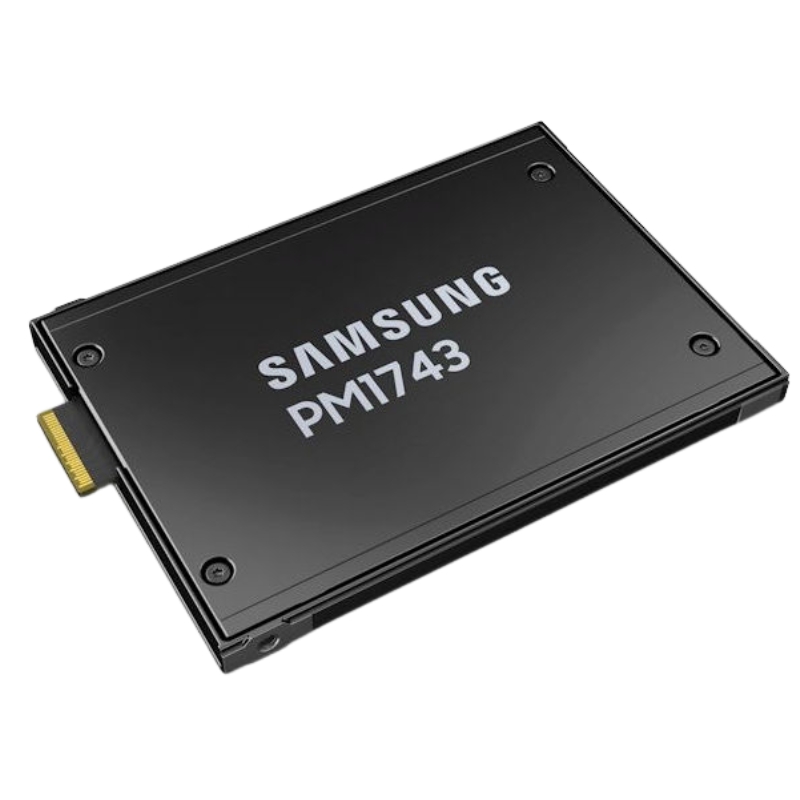
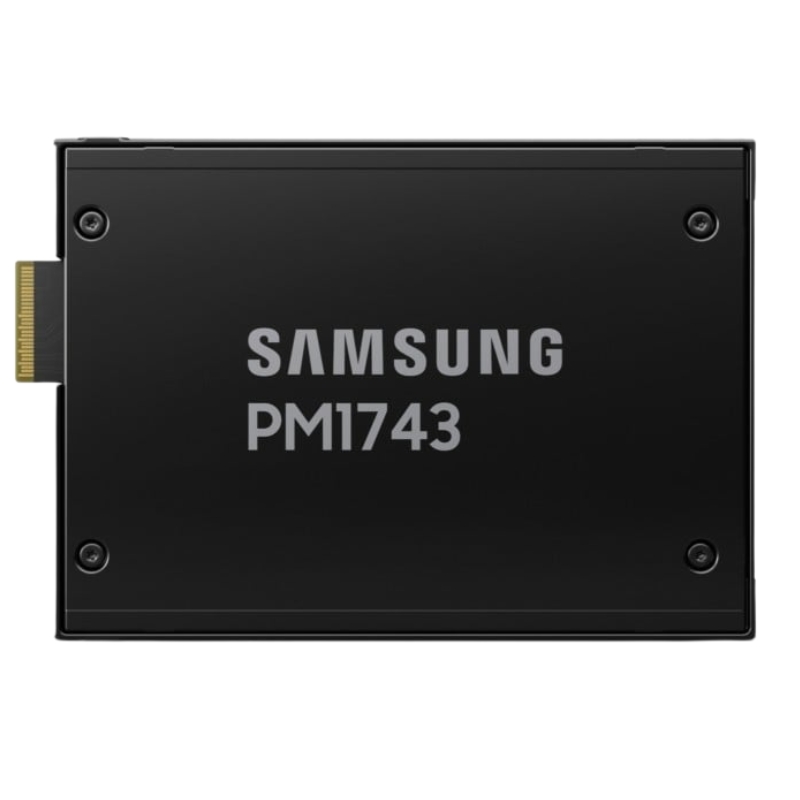
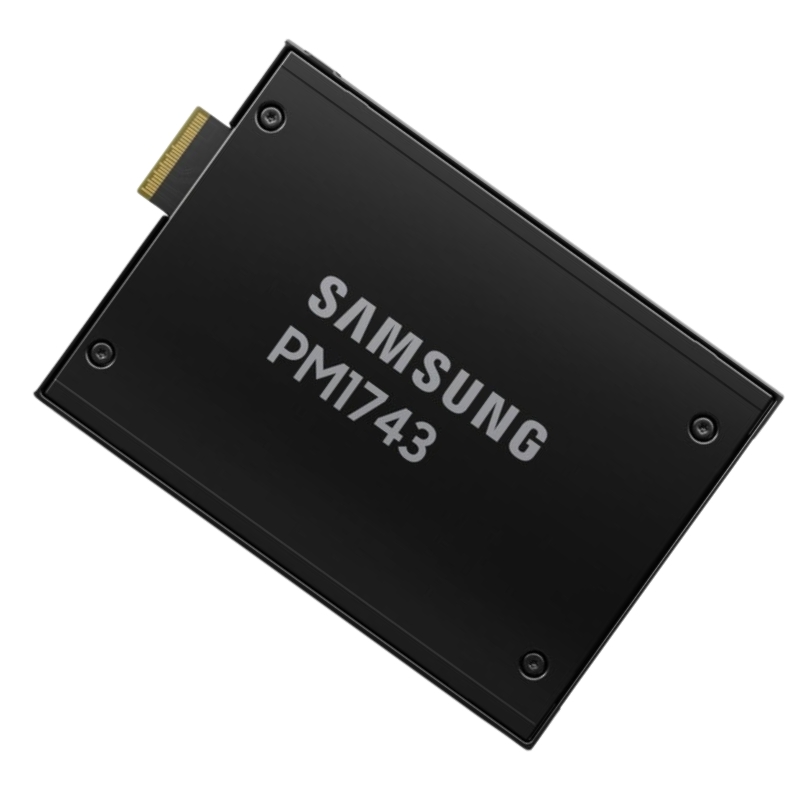
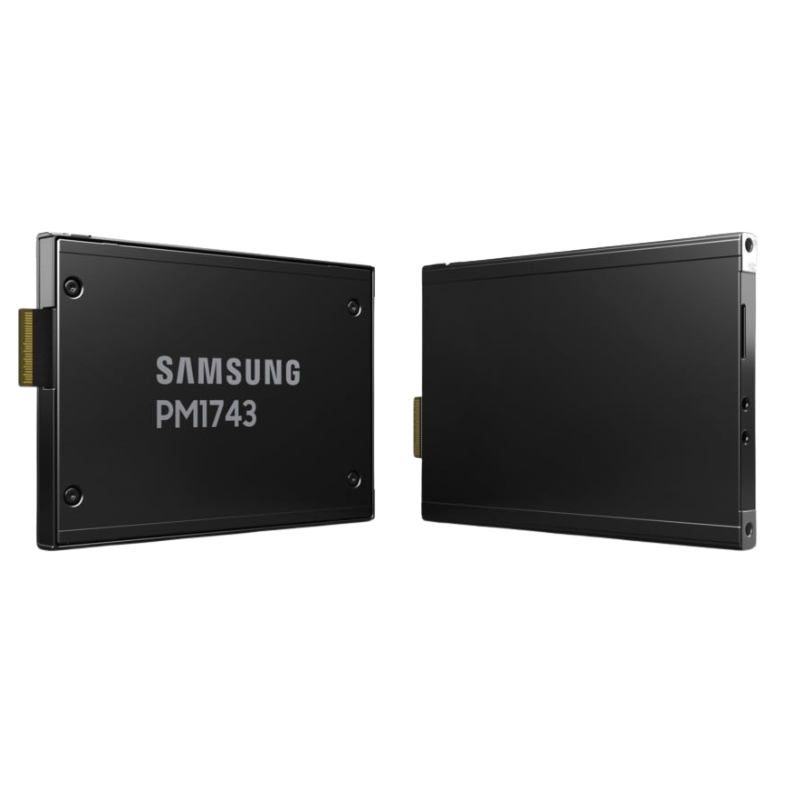
Samsung MZ3LO7T6HBLT-00AD3 PM1743 7.68TB PCIE 5.0 X4 (NVMe) E3.s 2.5inch Read Intensive Enterprise Solid State Drive. Excellent Refurbished with 1-Year Replacement Warranty - Call
The Samsung MZ3LO7T6HBLT-00AD3 7.68TB PCIe Gen5 NVMe Read Intensive TLC E3.S SSD is engineered for high-performance computing environments. This enterprise-grade solid state drive combines massive storage capacity with cutting-edge PCIe Gen5 technology, ensuring lightning-fast data transfer speeds and consistent reliability for mission-critical workloads.
The Samsung MZ3L07T6HBLT-00AD3 PM1743 7.68TB PCIe 5.0 x4 NVMe E3.S 2.5-inch read intensive solid state drive belongs to a next-generation enterprise storage category engineered for extreme data throughput, ultra-low latency, and consistent performance under demanding server workloads. This category highlights a shift in modern data center infrastructure where storage solutions are no longer simple repositories of digital information, but rather agile performance engines driving cloud computing, virtualization, artificial intelligence, and analytics. As organizations produce and process more data every second, having a storage platform that meets high endurance expectations and predictable response times is essential.
This category of enterprise drives introduces E3.S form factor technology, offering internal server scalability and superior airflow optimization. Designed primarily for hyperscale data centers and enterprise IT facilities, these drives reduce space limitations while improving performance density. The PCIe 5.0 interface in this series enables double the bandwidth of PCIe 4.0 architecture and is optimized for emerging workloads that require real-time processing. The architecture supports multiple queue depths and parallel command execution, accelerating database indexing, virtualization layer switching, and large-scale distributed storage.
With PCIe 5.0 technology, the Samsung PM1743 delivers significant improvements over previous NVMe generations. This architecture enhances link bandwidth, lowers latency across transaction layers, and reduces CPU overhead through a more efficient data transport pipeline. For enterprise computing environments, this translates into faster application response, reduced bottlenecks during peak traffic, and stable performance across extended processing cycles.
Servers adopting PCIe 5.0 storage technology benefit from optimized hardware acceleration, enabling multi-threaded programs and distributed cloud workloads to access data without interruption. Data-intensive industries such as financial transaction processing, genome sequencing, scientific simulation, and machine learning rely on uninterrupted throughput, and this drive category fulfills those needs with exceptional consistency.
Latency-sensitive operations demand predictable response times. In this drive category, latency reductions support performance-critical services like edge computing and large-scale AI inference. The Samsung PM1743 demonstrates more reliable access to frequently used data blocks and maintains operational integrity even when handling complex enterprise-level queue trees.
The 7.68TB capacity category balances storage density and cost-efficiency for read intensive usage models. Enterprise data storage systems using this capacity tier prioritize rapid data retrieval, high access concurrency, and sustained throughput for long-term operational cycles. This capacity is suitable for high-volume environments including infrastructure-as-a-service, container-based application services, file indexing systems, and data lake architectures where storage nodes must support terabytes of unstructured and semi-structured datasets.
Read intensive enterprise NVMe drives support workloads where read operations drastically outweigh write operations. Suitable facilities include streaming media distribution, content delivery networks, telemetry monitoring, real-time trading engines, and large-scale AI model hosting. The read heavy environment ensures that storage media retains performance efficiency while minimizing write endurance consumption.
Modern enterprise data environments demand devices engineered for continuous-on operation without failure. The working temperature, error correction, and firmware-level management ensure the drive remains stable during nonstop service execution. Firmware-based monitoring and multi-layer data integrity mechanisms provide an additional safeguard to extend component life while preserving application uptime.
The PM1743 category supports tremendous throughput levels with improved queue handling logic. When placed in multi-tenant cloud servers, drives in this segment maintain throughput consistency across simultaneous workloads, allowing IT administrators to scale operational processes without forcing service interruptions or performance degradation.
The E3.S 2.5-inch SSD category represents a new generation of enterprise storage designed to replace traditional U.2 and E1.S layouts. Improved PCB thermal distribution and optimized internal airflow allow large storage arrays to maintain cooler operation, reducing cooling overhead and extending hardware lifespan. Dense server chassis that adopt this form factor reduce physical footprint and simplify maintenance cycles.
Heat dissipation remains one of the principal concerns for storage administrators. E3.S designs optimize airflow patterns, improve contact surface thermal conduction, and reduce hot spot concentration. This lowers power consumption and sustains transfer speed stability while running computationally intensive operations.
Data centers aim to improve IOPS per watt ratios and increase performance density. This category supports improved rack organization, remote manageability, and predictive service intervals. Administrators can deploy more storage nodes per rack without surpassing thermal or electrical limitations that traditionally restrict deployment.
The E3.S platform accelerates cloud adoption, updating infrastructure readiness for growing AI inference workloads, hybrid multi-cloud ecosystems, application microservices architectures, and software-defined storage.
The PM1743 category prioritizes endurance, secure data retention, and encryption. Hardware-level security modules ensure encryption key processing and tamper protection. Enterprise facilities benefit from firmware that supports secure erase, sanitization, and remote trust management. Data confidentiality is critical for regulated industries such as government, telecommunications, healthcare, and banking.
This drive category integrates enterprise-grade error recovery, adaptive thermal throttling, and sustained performance governance. These mechanisms deliver predictable response rates, regardless of workload cycles or power-state transitions. Stability ensures minimal downtime for mission-critical systems.
The NAND endurance model is tailored for environments with high-volume read patterns, maintaining sufficient write cycles for indexing, metadata updates, and journaling operations. The endurance design ensures long-term reliability while providing powerful read efficiency under heavy server load.
Power loss protection mechanisms preserve buffered data and reduce file corruption risks. Enterprise servers must ensure that uncommitted transactions, write caches, and metadata tables remain safe. This category includes safeguards to prevent data structure corruption, protecting organizations from operational downtime.
AI-driven computing relies on extremely fast data access from high-performance SSDs. Enterprise AI models ingest millions of data points requiring immediate read operations across numerous data layers. This category supports neural processing inference, real-time analytics, and distributed AI frameworks. Cloud platforms must scale workload layers dynamically, and NVMe PCIe 5.0 storage provides necessary throughput.
Virtual machines and container deployments require persistent storage that scales with workload migration. The PM1743 category improves hypervisor and container orchestration speed. Virtual workloads can be migrated faster across nodes, enhancing availability and load balancing.
Edge architecture moves data processing closer to the request source, lowering transfer latency and enhancing real-time decision systems. Retail analytics, autonomous systems, and smart city applications depend on low-latency NVMe response times within this SSD category.
This category is compatible with advanced server platforms and optimized for cloud management frameworks. Hot-swap capability streamlines maintenance cycles, while NVMe over Fabrics compatibility increases deployment flexibility across multi-node clusters. This category supports infrastructure modernization and simplifies storage lifecycle management strategies.
Enterprises shifting to software-defined storage environments need hardware with consistent throughput. This SSD category integrates with SDS platforms, enabling policy-based provisioning and data-tiering automation.
Long-term cost savings arise from reduced cooling expenses, improved power efficiency, and simplified upgrades. Cloud service providers and hyperscale operations benefit financially from improved density per rack, reducing space and power consumption over large deployments.


 Contact Us
 Information
 Catalog
 Solid State Drives (SSD)
 Network Switches
 Hard Disk Drives
 HBA & Controllers
 PC & Servers
 PC & Server Memory
 CPU & Processors
 Network Routers
 Power Supplies
 Tape Drives & Libraries
 Network Devices
 Computer & Network Cables