(7% discount is applied at checkout)
Cart is empty
Your go-to destination for cutting-edge server products
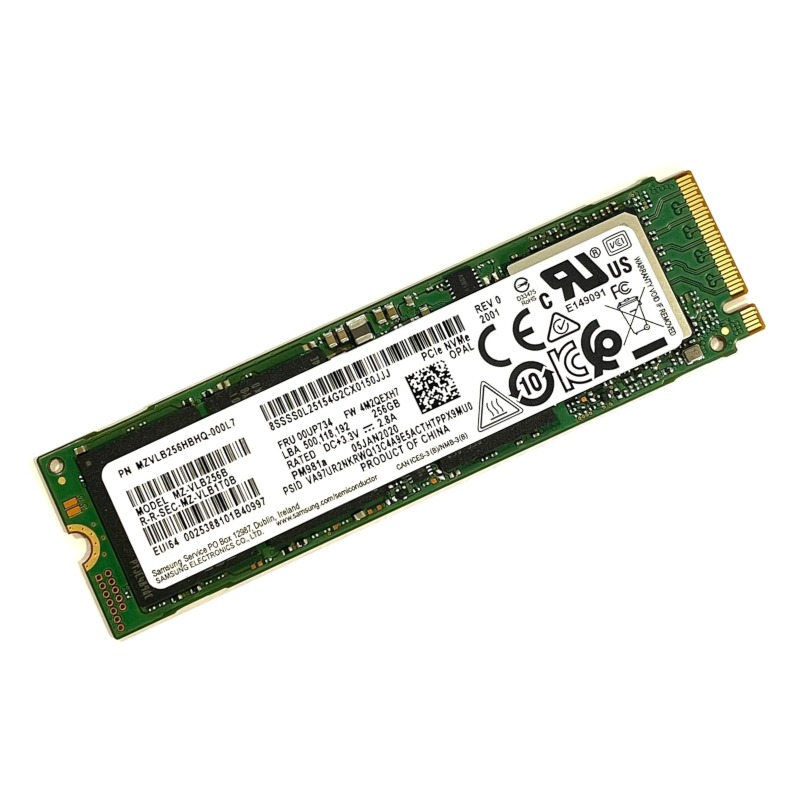


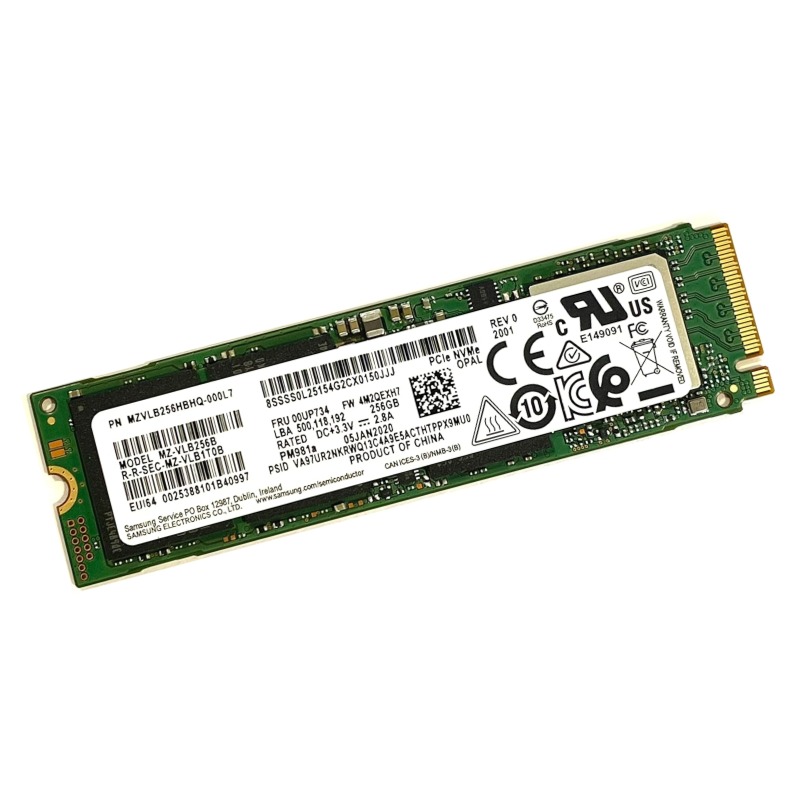
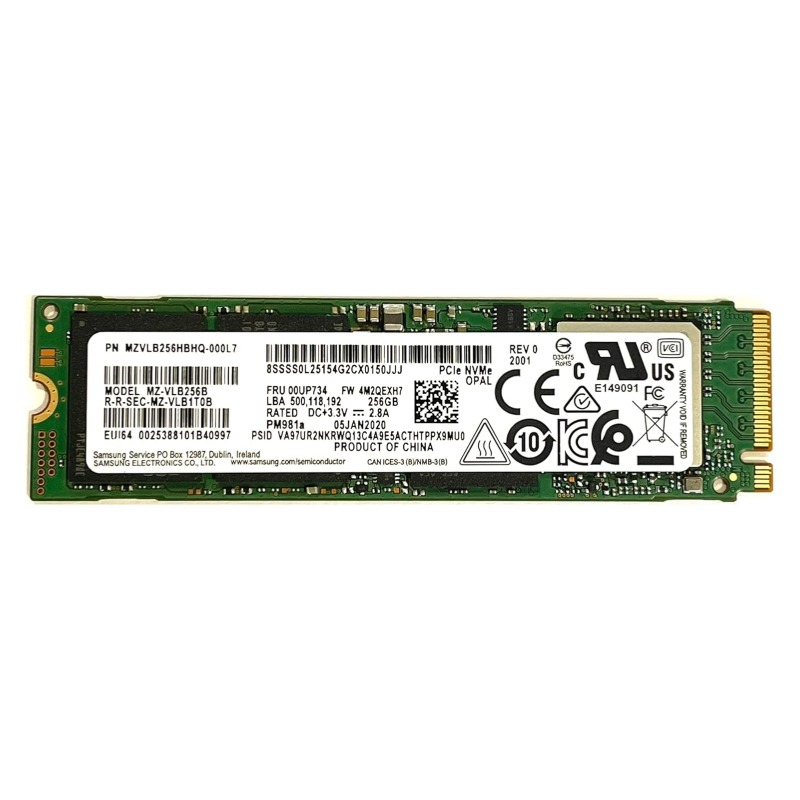
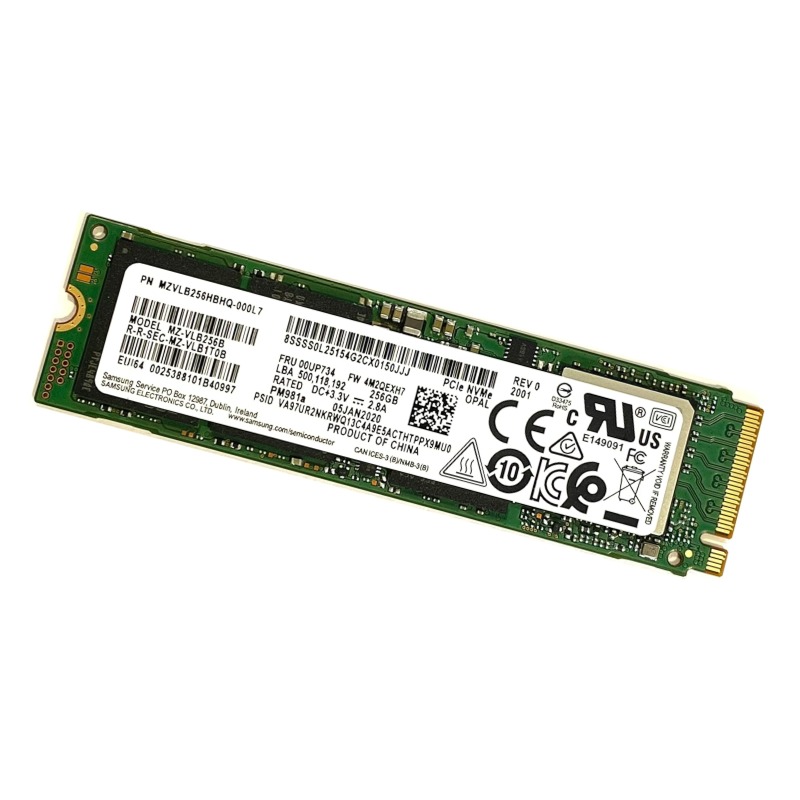
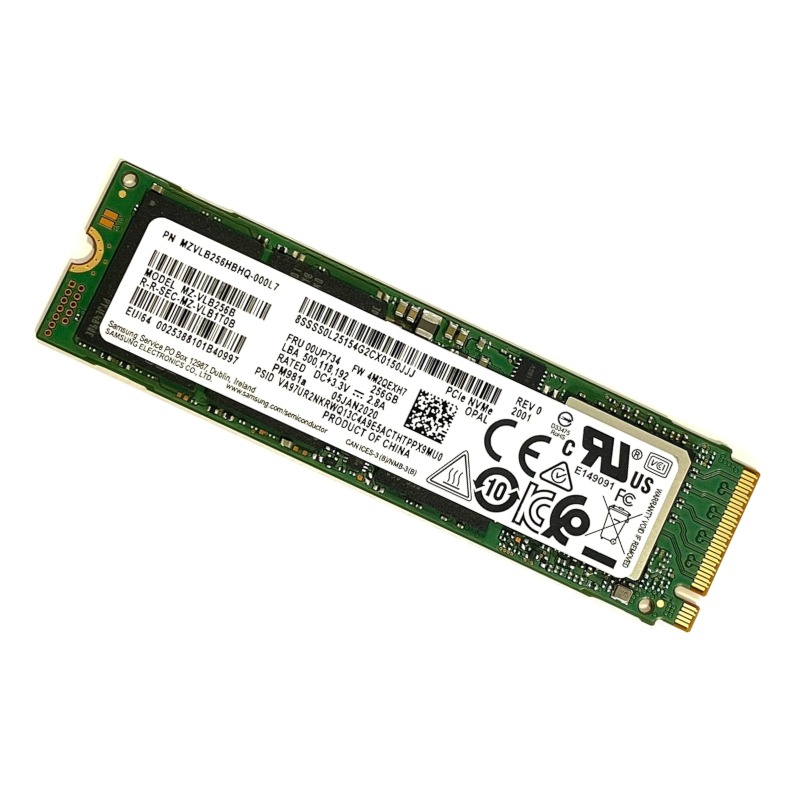
Samsung PM9C1B MZVL8256HFJD-00B07 256GB M.2 PCI Express 4.0 X4 (nvme) 512 Bytes Internal Solid State Drive. New Sealed in Box (NIB) with 3 years Replacement Warranty
Experience responsive computing with the Samsung PM9C1B MZVL8256HFJD-00B07, an internal NVMe SSD designed for users who demand swift data access, improved efficiency, and long-term durability. Engineered in a compact M.2 layout and running on PCIe 4.0 x4 technology, this drive delivers excellent everyday performance for laptops, desktops, and compact systems.
The Samsung PM9C1B MZVL8256HFJD-00B07 256GB M.2 PCI Express 4.0 x4 NVMe Internal Solid State Drive stands as a noteworthy option for users who demand reliable, energy-efficient, and high-performance storage in compact form factors. This SSD category focuses on the advantages, technical capabilities, and real-world applications of Samsung’s PM9C1B series, offering a closer look at how this 256GB NVMe module fits within modern computing. The category description below highlights its architecture, interface technologies, durability characteristics, and suitability for various end-user environments.
The Samsung PM9C1B NVMe SSD family is engineered to meet the evolving needs of next-generation computing devices. Featuring a power-efficient design, robust performance, and reliable NAND flash technology, drives like the MZVL8256HFJD-00B07 are tailored for thin laptops, mini PCs, and enterprise-ready desktops. Categorized under M.2 PCI Express 4.0 x4 NVMe SSDs, this storage class represents an advanced iteration of high-speed solid-state storage devices made for users seeking faster boot times, reduced latency, smoother multitasking, and efficient thermal operation.
While many consumer and OEM SSDs use similar NVMe protocols, the PM9C1B series emphasizes balanced performance and ultra-low power consumption. This makes the 256GB MZVL8256HFJD-00B07 model uniquely suited for modern ultrabooks and power-sensitive devices. It delivers a stable read/write performance profile, optimized queue management, and consistent responsiveness even under heavy workloads such as application launching, operating system processes, and productivity tasks.
The category for this SSD covers essential technical features that define its role in the NVMe marketplace. As part of a performance-oriented yet efficiency-focused lineup, the PM9C1B offers an appealing blend of functionality. With a PCIe Gen 4.0 x4 interface, its throughput and latency characteristics significantly outperform traditional SATA SSDs and older NVMe Gen 3 drives.
PCIe 4.0 is a major highlight of this category, doubling the potential bandwidth of PCIe 3.0. While the 256GB PM9C1B model is optimized more for stability and efficiency than extreme performance numbers, the use of PCIe 4.0 still allows for markedly higher speeds than earlier NVMe standards. This results in:
One of the defining characteristics of the PM9C1B category is its exceptional energy efficiency. Samsung has refined the power draw behavior to minimize consumption during idle and active states. This lower energy use contributes significantly to extended battery life in portable systems. Additionally, because M.2 NVMe drives can run hot under sustained workloads, the PM9C1B is designed with improved thermal behavior that helps maintain safe operating temperatures.
The PM9C1B leverages Samsung’s in-house NAND architecture, known for endurance and reliability. Even though the 256GB capacity model is the entry point of the lineup, it still benefits from advanced memory management algorithms, error correction, wear leveling, and stable long-term performance. These NAND optimizations are essential in extending the lifespan of the SSD and ensuring data integrity over years of operation.
This SSD category appeals to a wide spectrum of users due to its performance consistency, OEM-grade reliability, and compact M.2 2280 form factor. Its 256GB capacity is suitable for operating systems, productivity software, and moderate data storage needs. Below are several scenarios where this drive category is particularly advantageous.
Enterprises often look for SSDs that deliver predictable performance, low power usage, and strong data privacy controls. The PM9C1B 256GB checks all these boxes. It provides office employees with fast application access, smooth multitasking, and minimal downtime during system tasks. Its footprint makes it well suited for ultrabooks, which typically require slim, thermally efficient storage.
Home users benefit from quicker PC boot times and faster application launches, making everyday tasks such as browsing, streaming, and file management noticeably smoother. Even without extreme performance positioning, this SSD far surpasses the speed of SATA drives and HDDs, offering an enjoyable and responsive computing experience.
Students and professionals often require reliable tools that remain responsive under workloads such as document editing, light development work, online research, and media consumption. The PM9C1B fits perfectly into this category, offering strong value and performance without overwhelming power consumption.
The M.2 2280 form factor is compact, lightweight, and ideal for modern motherboards and mobile devices. The Samsung PM9C1B 256GB’s design ensures broad compatibility across various platforms that support PCIe 4.0 NVMe SSDs. It can be integrated into:
This wide compatibility enhances system versatility and ensures that users can easily upgrade storage without major hardware overhauls.
Although the performance levels of the PM9C1B 256GB are designed to align with efficiency priorities, users can still expect quick response times and minimal latency. This category emphasizes real-world performance rather than just theoretical numbers, especially when dealing with small-block operations common in OS and application workloads.
Modern operating systems rely heavily on rapid data retrieval for system processes, services, UI rendering, and background tasks. The PM9C1B’s NVMe architecture ensures low latency access, making everyday computing noticeably faster and smoother than mechanical storage or slower SSD technologies.
Efficient queue depth management helps the drive maintain stability even when running multiple applications or services simultaneously. The PM9C1B excels in this area, ensuring consistent performance during multitasking.
Samsung’s OEM-grade SSDs are well known for their durability, and the PM9C1B 256GB model continues this tradition. The category as a whole focuses on strong wear leveling and data protection to ensure longevity.
The PM9C1B employs intelligent wear-leveling techniques that distribute write operations across NAND cells evenly. This prevents premature degradation of specific memory blocks. Additionally, the drive supports health monitoring tools that allow users to track drive lifespan, temperature, and overall condition.
Advanced error correction mechanisms help safeguard against data corruption. The drive includes ECC technologies that actively detect and correct data issues, ensuring continuity and reliability even in long-term use.
The 512-byte sector configuration helps ensure compatibility across various OS platforms and software applications. Many legacy systems and software solutions prefer 512-byte sector formatting for optimal compatibility, making the PM9C1B easy to deploy without requiring specialized configuration.
The PM9C1B category is ideal for users performing SSD upgrades on aging systems. Replacing an older SATA SSD or HDD with a PCIe 4.0 NVMe drive drastically improves responsiveness. The 256GB capacity is often chosen as a primary OS drive, paired with larger secondary storage for personal files or media collections.
Many users appreciate the simplicity of installing an M.2 drive. The PM9C1B form factor allows for installation using a single screw. Most modern motherboards and laptops provide direct support, making it a straightforward option for upgrades.
Within its category, the Samsung PM9C1B MZVL8256HFJD-00B07 provides outstanding value by offering a blend of efficiency, speed, and reliability. Users who prioritize battery life, low heat output, stable performance, and long-term durability often find this model ideal.
Thermal control is essential in NVMe SSD design. The PM9C1B category uses power-efficient architecture to minimize heat generation. In many laptops, this results in lower overall system temperatures and reduced fan noise. For desktops, the drive often operates comfortably without requiring a dedicated heatsink, depending on airflow conditions.
Thermal throttling is a known issue among NVMe SSDs under sustained heavy workloads. The PM9C1B’s optimized efficiency reduces the likelihood of severe throttling events, ensuring more consistent performance during demanding computing tasks such as file transfers or software compilation.
SSDs are central to the efficiency and performance of modern systems. The PM9C1B category reinforces this by providing dependable NVMe technology suited for mainstream usage. As device manufacturers prioritize thin designs and long battery lives, SSDs like the PM9C1B become critical components.
Many professionals use cloud-based storage, streaming services, or hybrid applications. The PM9C1B’s low latency helps these applications remain responsive by reducing local caching delays and improving data processing speeds.
Developers working with small- to medium-sized codebases benefit from consistent file access speeds. Whether using IDEs or running local test servers, the PM9C1B offers smooth performance for development workflows that rest heavily on disk I/O operations.
As part of Samsung’s OEM-grade SSD offerings, the PM9C1B category is engineered with reliability in mind. Samsung’s track record for low failure rates among its NVMe drives reinforces the value of this SSD model for long-term deployments.
Businesses require storage solutions that reduce downtime. The PM9C1B is often selected for enterprise deployments due to its efficient power management, stabilized performance, and durable NAND. It can handle routine business tasks across hundreds or thousands of machines with minimal maintenance.
As efficiency becomes increasingly important in device design, the PM9C1B category stands out for its energy-conscious engineering. Reduced power draw means less energy consumption per device, lowering the environmental footprint for systems deployed at scale.
One of the most significant advantages for laptop users comes from reduced idle and active power consumption. This leads to measurable improvements in daily battery performance, making the PM9C1B ideal for students, professionals, and travelers.
This category of SSDs offers a balanced combination of speed, compatibility, low energy consumption, and durability. It is well suited for a broad range of applications—from office productivity and home computing to educational devices and lightweight development work.


 Contact Us
 Information
 Catalog
 Solid State Drives (SSD)
 Network Switches
 Hard Disk Drives
 HBA & Controllers
 PC & Servers
 PC & Server Memory
 CPU & Processors
 Network Routers
 Power Supplies
 Tape Drives & Libraries
 Network Devices
 Computer & Network Cables