(7% discount is applied at checkout)
Cart is empty
Your go-to destination for cutting-edge server products
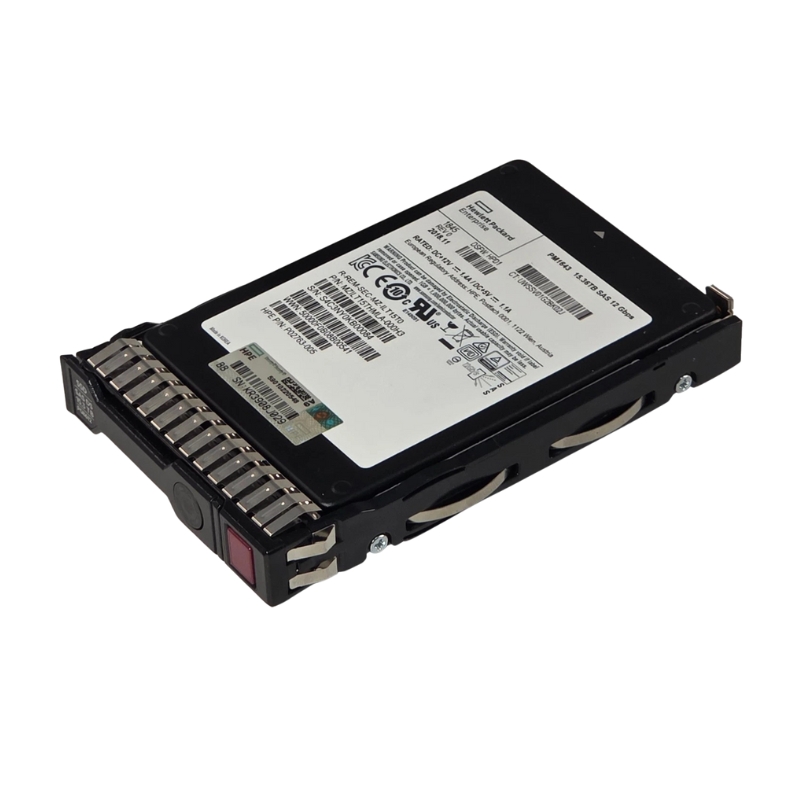


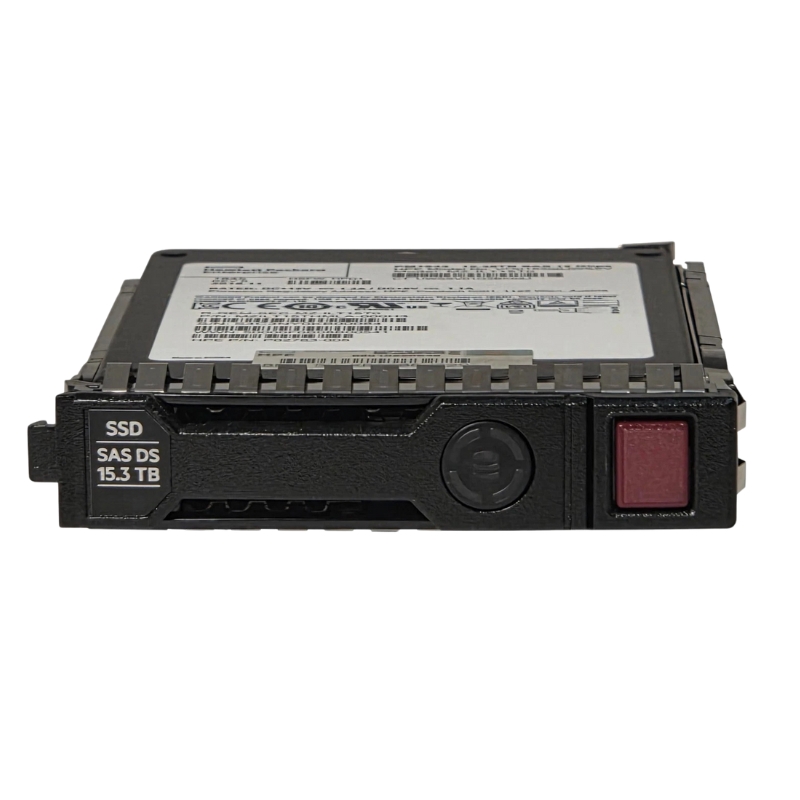
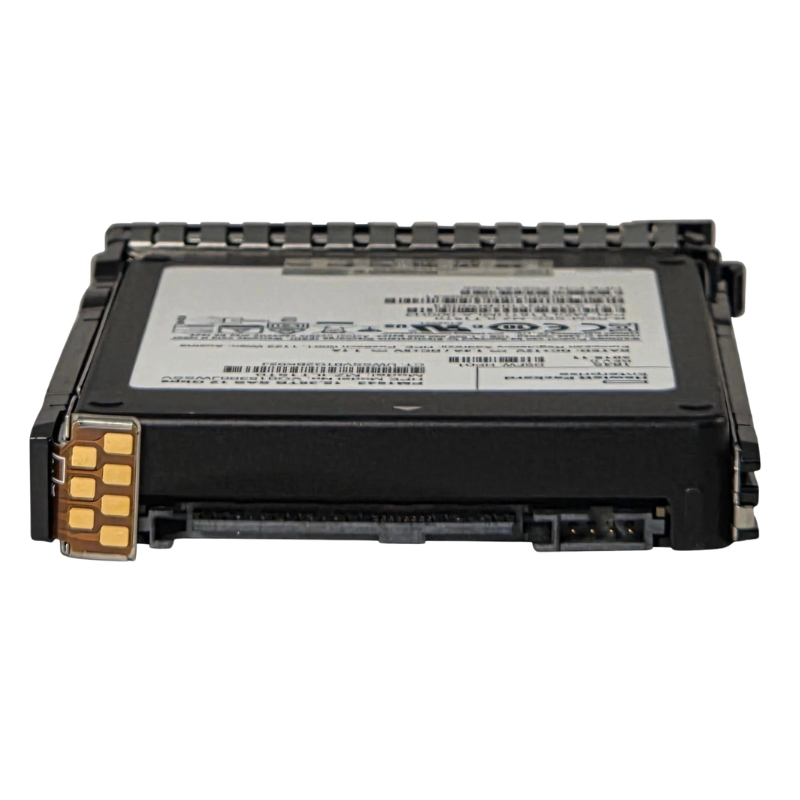
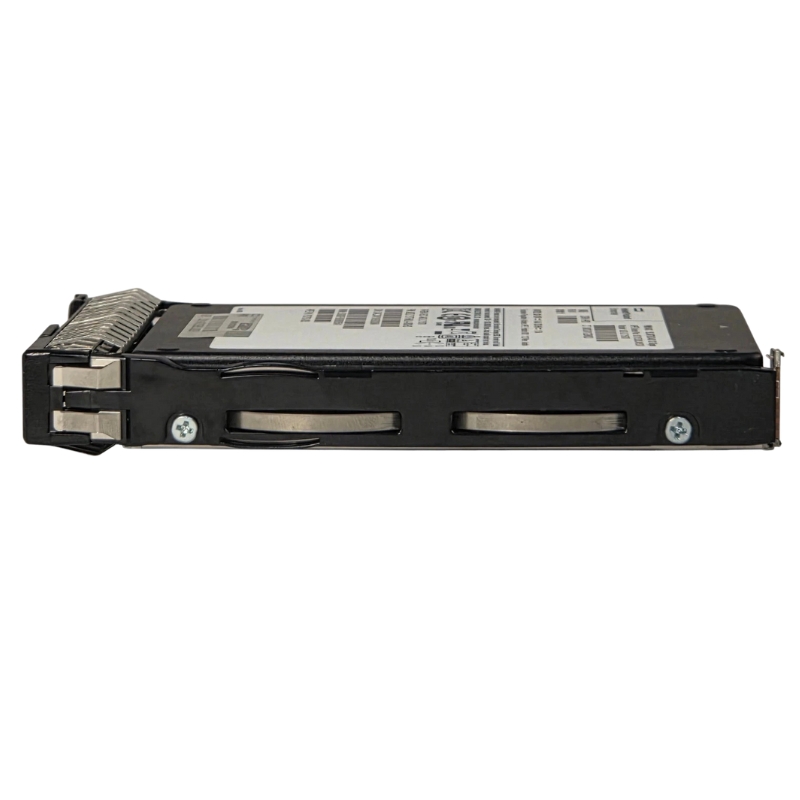
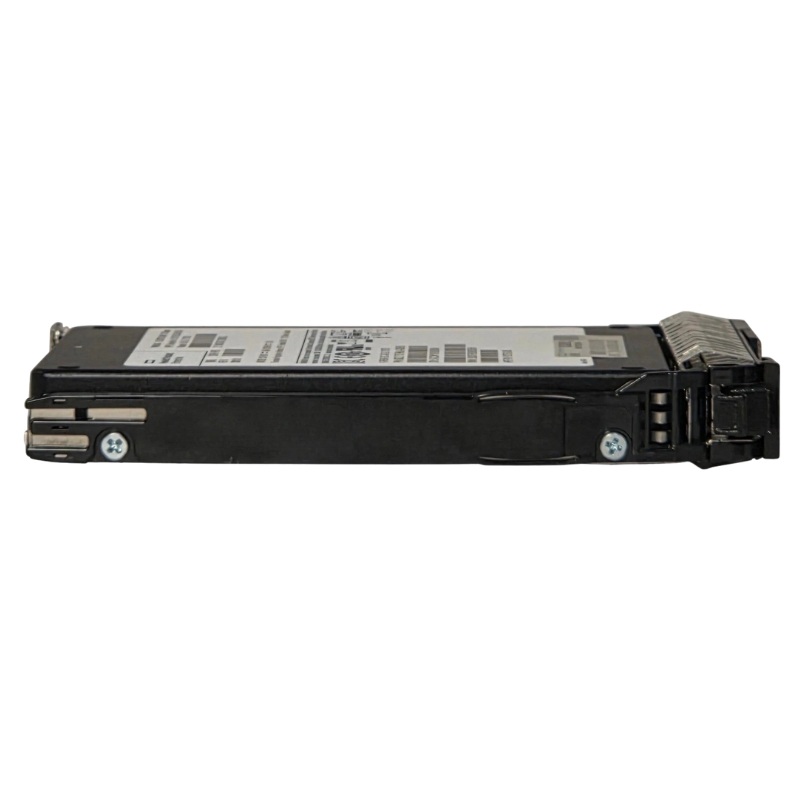
HPE P49319-001 15.36 TB SAS 12Gbps Read Intensive SFF Solid State Drive. Factory-Sealed New in Original Box (FSB) with 3 years Warranty
Discover the HPE P49319-001 15.36 TB SAS 12Gbps read-optimized solid state drive — engineered for enterprise storage systems that demand high throughput, low latency, and dependable read performance. Ideal for data-intensive workloads and accelerated caching layers.
Below is a concise overview of the drive’s primary characteristics and design intent. Synonyms and related search terms: SAS NVMe alternative, enterprise SSD, read-intensive flash.
Optimized for demanding read workloads, this SSD delivers consistent I/O performance and strong sequential throughput for large dataset access and analytics.
Engineered for long-term read-dominant environments. Endurance rating expressed as drive writes per day (DWPD) supports consistent read performance with an endurance classification of 1 DWPD.
The drive supports high-speed SAS connectivity and fits common 2.5" enterprise bays, making it suitable for dense server and storage arrays.
Built and validated for a wide range of HPE ProLiant systems and HPE Simplivity nodes. Use the following compatibility list to confirm fitment and firmware support.
The P49319-001 is tailored for scenarios where read performance and predictable latency are crucial. Typical applications include:
The HPE P49319-001 represents the pinnacle of enterprise solid-state storage technology, specifically engineered for read-intensive workloads in demanding data center environments. This 15.36 TB SAS 12Gbps SFF drive combines exceptional capacity with robust performance characteristics, making it an ideal solution for organizations requiring high-throughput access to large datasets. As part of HPE's comprehensive storage portfolio, this drive incorporates enterprise-grade reliability features and is optimized for server and storage array implementations where read performance dominates the workload profile.
With its massive 15.36 terabyte capacity, the P49319-001 stands as one of the highest-density SFF (2.5-inch) form factor drives available in the market. The drive leverages the SAS 12Gbps interface to ensure maximum compatibility with existing enterprise infrastructure while delivering exceptional data transfer rates. Its read-intensive design signifies optimization for workloads where write operations constitute less than 10% of total I/O operations, allowing for enhanced endurance and cost-efficiency compared to mixed-use or write-intensive alternatives.
The Serial Attached SCSI (SAS) 12 gigabits per second interface represents the current generation of SAS technology, providing significant advantages over previous 6Gbps implementations and SATA alternatives. This high-speed interface enables full-duplex communication, meaning data can be transmitted and received simultaneously at 12Gbps in each direction. The dual-port capability inherent to SAS technology provides redundant paths to the storage device, a critical feature for high-availability environments where downtime is unacceptable. The backward compatibility with 6Gbps and 3Gbps SAS infrastructures ensures seamless integration into existing data center environments without requiring complete infrastructure overhaul.
The dual-port architecture of the SAS interface provides two independent pathways to the storage device, enabling multipath I/O configurations that eliminate single points of failure. This architecture is particularly crucial in clustered environments, storage arrays with redundant controllers, and high-availability server configurations. If one host bus adapter, cable, or controller fails, the secondary path immediately takes over without service interruption. This fault-tolerant design aligns with enterprise requirements for continuous operation and data accessibility.
The 2.5-inch Small Form Factor (SFF) design provides significant density advantages over traditional 3.5-inch drives, allowing organizations to maximize storage capacity within constrained physical space. In a standard 2U server chassis, administrators can typically deploy up to 24 SFF drives compared to 12 LFF (3.5-inch) drives, effectively doubling the potential storage capacity within the same rack unit. This density advantage translates to improved storage efficiency, reduced data center footprint, and lower overall power consumption per terabyte stored.
Despite the high-density packaging, the HPE P49319-001 incorporates advanced thermal management technologies to maintain optimal operating temperatures under sustained workloads. The drive includes temperature monitoring and reporting capabilities that allow systems to proactively manage cooling requirements. Enterprise storage systems can leverage this thermal data to dynamically adjust fan speeds or, in extreme cases, throttle performance to prevent thermal shutdown and ensure data integrity.
The HPE P49319-001 is specifically engineered for read-centric applications where the majority of operations involve reading rather than writing data. This optimization enables the drive to deliver exceptional read performance while maintaining cost-effectiveness for workloads that don't require the extreme write endurance of mixed-use or write-intensive drives. Typical read-intensive scenarios include data warehousing, content delivery networks, virtual desktop infrastructure (VDI) boot images, database query operations, and analytical processing of large datasets.
With its SAS 12Gbps interface and advanced controller technology, the P49319-001 delivers consistent high read throughput exceeding 1,000 MB/s in sustained operations. The drive achieves impressive random read IOPS (Input/Output Operations Per Second) figures, typically in the range of 180,000-220,000 depending on block size and queue depth. This performance level ensures responsive application experiences even under heavy concurrent access patterns common in enterprise environments.
While optimized for read operations, the drive still delivers respectable write performance suitable for its designated workload class. The write endurance, typically expressed in Drive Writes Per Day (DWPD), is specified to accommodate the expected write patterns of read-intensive applications. For the P49319-001, this rating typically falls in the range of 0.5-1 DWPD over the five-year warranty period, meaning the entire drive capacity can be rewritten between half and one time per day throughout its warranty period.
The drive employs enterprise-grade 3D TLC (Triple-Level Cell) NAND flash memory, which provides an optimal balance of cost, capacity, and endurance for read-intensive applications. Advanced wear-leveling algorithms distribute write operations evenly across all available memory cells, preventing premature wear on frequently written sectors. This sophisticated management of the NAND flash substrate ensures consistent performance throughout the drive's lifespan while maximizing the usable life of the storage media.
With a Mean Time Between Failures (MTBF) rating of 2.5 million hours, the HPE P49319-001 demonstrates the exceptional reliability expected from enterprise storage components. This reliability metric, combined with the five-year limited warranty, provides organizations with confidence in their storage infrastructure investments. The drive's design incorporates robust error correction, power-loss protection, and comprehensive monitoring capabilities to maintain data integrity across diverse operating conditions.
A critical feature for enterprise storage is protection against data corruption during unexpected power loss. The P49319-001 incorporates comprehensive power-loss protection circuits that include both immediate and holdup capabilities. When a power loss is detected, the drive utilizes stored energy in onboard capacitors to complete any in-progress write operations and flush cached data to non-volatile memory. This mechanism ensures data consistency and prevents the corruption that can occur when writes are interrupted mid-operation.
The drive implements sophisticated Error Correction Code (ECC) algorithms capable of detecting and correcting multi-bit errors that may occur during normal operation. This robust error handling maintains data integrity even as the NAND flash cells approach their endurance limits. Additionally, the drive employs end-to-end data protection, verifying data integrity at multiple points as information moves between the host interface, controller memory, and NAND flash media.
The massive capacity and high read performance of the P49319-001 make it ideally suited for data analytics platforms and business intelligence applications. These workloads typically involve scanning and processing large datasets with predominantly read-oriented access patterns. The drive's performance characteristics enable faster query responses and more efficient data processing, directly impacting business decision-making capabilities and analytical throughput.
In database environments, particularly those with read-heavy operational profiles such as reporting databases, data warehouses, and content management systems, the P49319-001 delivers the consistent low-latency performance necessary for responsive application experiences. The drive's capacity allows for consolidation of multiple database instances or the maintenance of larger working sets in high-performance storage, reducing the need for tiered storage architectures.
Virtualized environments benefit significantly from the high IOPS and throughput capabilities of the P49319-001, particularly for host operating system images, application templates, and virtual desktop infrastructure (VDI) implementations. In VDI scenarios, the drive can efficiently store and deliver hundreds of virtual desktop images simultaneously, with the read-intensive optimization perfectly matching the boot storm and application launch characteristics typical of VDI workloads.
Media streaming applications and content delivery networks require consistent high-throughput read performance to serve concurrent users without buffering or quality degradation. The P49319-001's capacity allows for substantial media libraries to be housed on a single drive, while its performance characteristics ensure smooth delivery even during peak demand periods. The reliability features maintain service availability critical for customer-facing applications.
Compared to mixed-use and write-intensive solid-state drives, the P49319-001 offers a more cost-effective solution for read-dominant workloads. While write-intensive drives typically command premium pricing due to their enhanced endurance characteristics (often 3-10 DWPD), read-intensive drives provide similar read performance at a lower cost per gigabyte for applications where extreme write endurance is unnecessary. This tiered approach to flash storage enables organizations to optimize their storage expenditures by aligning drive capabilities with specific workload requirements.
When compared to consumer-grade or entry-level enterprise SSDs, the P49319-001 demonstrates its value through comprehensive data protection features, power-loss protection, superior quality components, and rigorous validation processes. While consumer SSDs may appear attractive from a pure cost-per-gigabyte perspective, they lack the reliability, consistency, and data integrity features necessary for business-critical applications. The HPE drive's enterprise pedigree ensures consistent performance under sustained workloads and superior data protection.
While NVMe drives offer superior performance through the PCIe interface, the SAS ecosystem provides established reliability, dual-port capabilities, and broad compatibility that remains valuable in many enterprise scenarios. The P49319-001 delivers performance sufficient for the majority of read-intensive applications without requiring the infrastructure changes necessary for NVMe adoption. For organizations with existing SAS infrastructure, this drive represents a significant performance upgrade from traditional hard drives or earlier generation SSDs while maintaining compatibility.
The P49319-001 is designed with power efficiency in mind, consuming significantly less energy than comparable capacity hard disk drives while delivering substantially higher performance. Typical active power consumption falls in the 8-12 watt range, with lower power states available during idle periods. This power efficiency translates to reduced operational costs in large-scale deployments and decreased cooling requirements within densely populated storage enclosures.


 Contact Us
 Information
 Catalog
 Solid State Drives (SSD)
 Network Switches
 Hard Disk Drives
 HBA & Controllers
 PC & Servers
 PC & Server Memory
 CPU & Processors
 Network Routers
 Power Supplies
 Tape Drives & Libraries
 Network Devices
 Computer & Network Cables