(7% discount is applied at checkout)
Cart is empty
Your go-to destination for cutting-edge server products
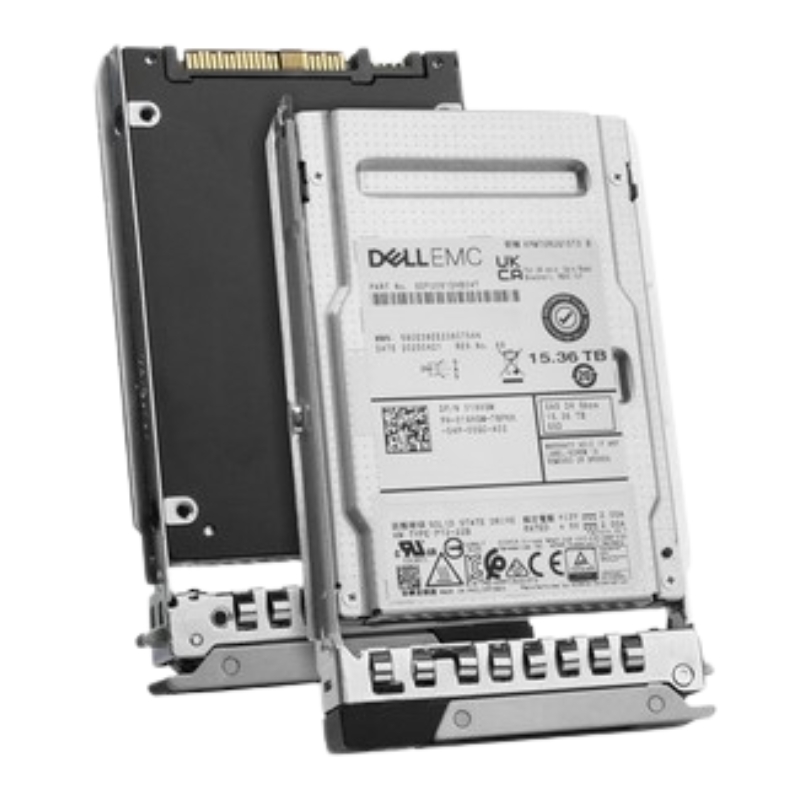


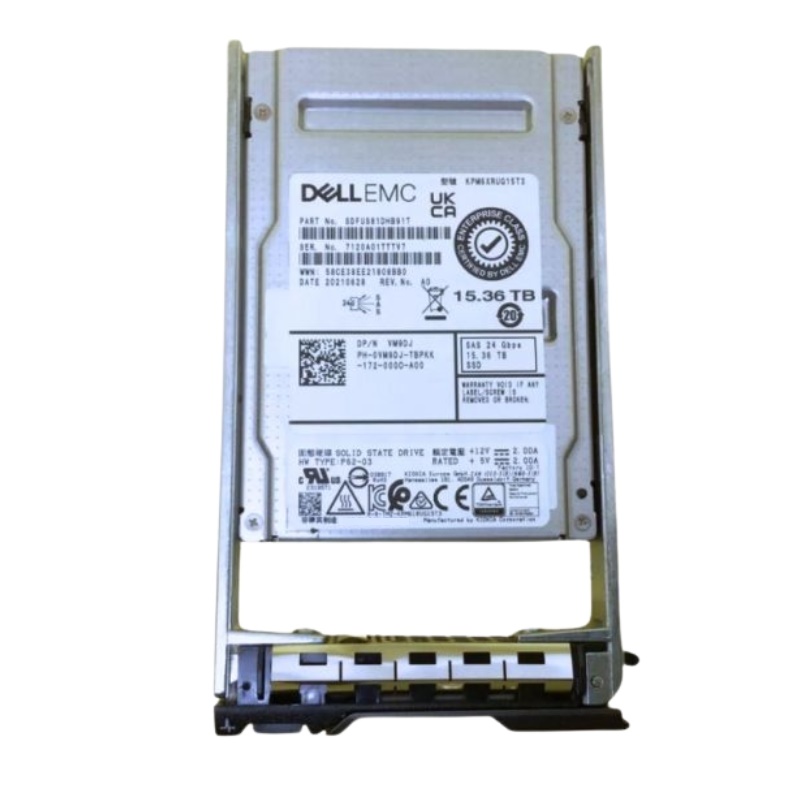
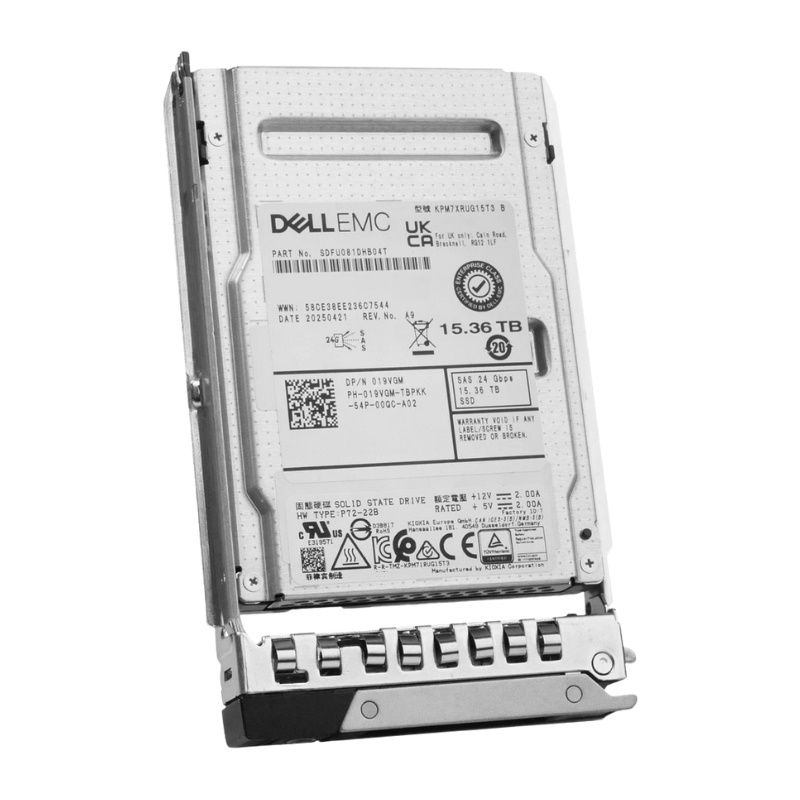
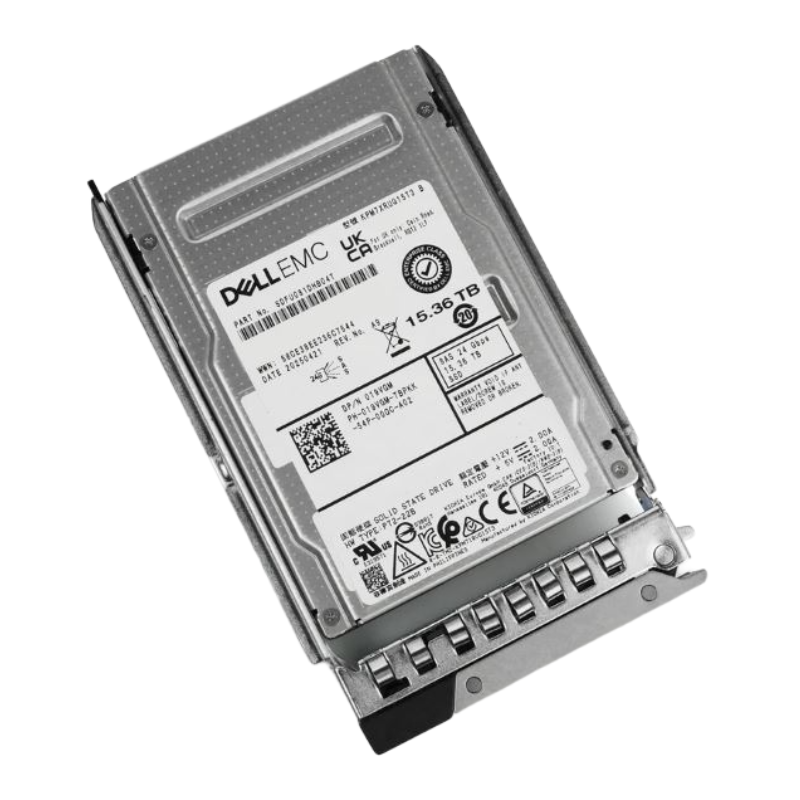
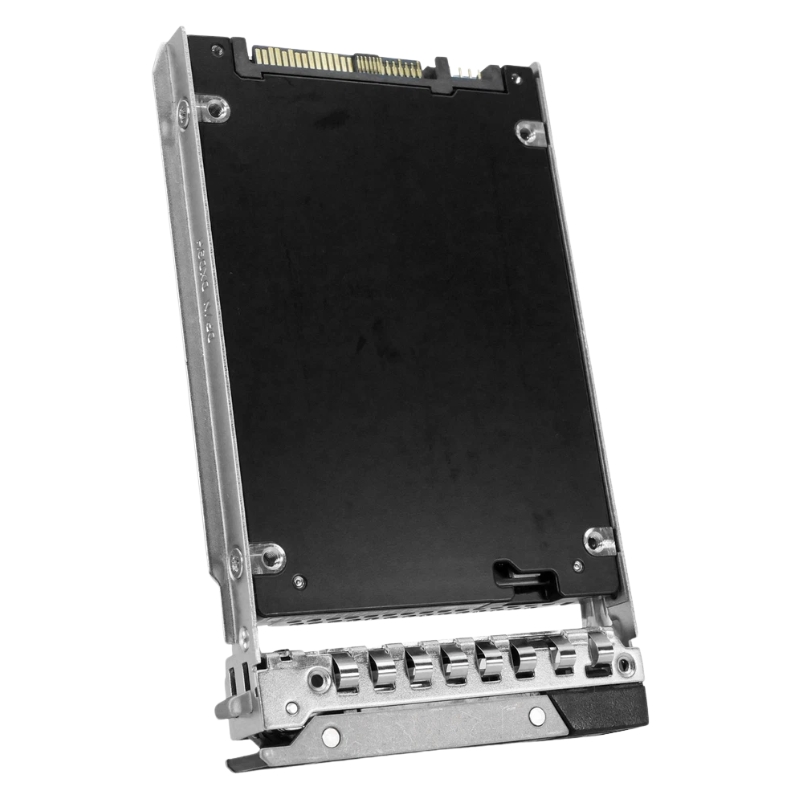
Dell 345-BBYG 15.36TB SAS 24GBPS Hot-Plug 1DWPD Read-Intensive 2.5Inch Solid State Drive. New Sealed in Box (NIB) with 1 Year Warranty
The Dell 345-BBYG 15.36TB SAS Solid State Drive is an enterprise-class, high-capacity storage device engineered for demanding workloads. Featuring rapid read performance, durable NAND technology, and hot-plug support, this SSD is ideal for data-driven environments that require consistent speed and long-term reliability.
Performance Metrics
Dell 345-BBYG 15.36TB SAS 24GBPS Hot-Plug 1DWPD Read-Intensive 2.5Inch Solid State Drive Category Overview
The Dell 345-BBYG 15.36TB SAS 24Gbps Hot-Plug 1DWPD Read-Intensive 2.5Inch Solid State Drive represents one of the most advanced enterprise storage solutions designed for consistent, reliable, and high-capacity data operations across modern business infrastructures. This category of SAS-based read-intensive drives focuses on performance efficiency, superior scalability, and long-term durability, making it essential for organizations that require high-capacity storage that optimizes throughput for read-heavy workloads. The 15.36TB capacity combined with a 24Gbps SAS interface and 1DWPD endurance offers exceptional value for database environments, cloud workloads, virtualization, and high-demand enterprise platforms. As data volumes expand and digital workloads become more complex, drives in this category ensure that organizations maintain peak performance, operational continuity, and optimized power consumption without sacrificing storage density or reliability.
The Dell 345-BBYG drive category supports environments that rely heavily on read-intensive data access patterns such as analytics platforms, content delivery systems, object storage repositories, email servers, and virtualization clusters. The 1DWPD endurance rating aligns this SSD with workloads that generate frequent data retrieval while maintaining a lower write intensity, allowing greater capacity efficiency and extended lifecycle. These characteristics help minimize total cost of ownership while significantly improving storage subsystem performance. Organizations migrating away from slower spinning media typically find this category optimal due to its focus on maximizing input/output operations per second while increasing bandwidth and minimizing latency. The 24Gbps SAS interface also ensures modern infrastructure compatibility, especially with high-density servers and SAN environments requiring smooth scaling and fault-tolerant architectures.
This category integrates seamlessly with Dell PowerEdge servers, Dell storage arrays, and hybrid cloud platforms. The hot-plug capability ensures uninterrupted system operation, enabling administrators to replace or add drives without rebooting servers or experiencing downtime. This is crucial for mission-critical operations in large data centers that run 24/7 and cannot afford service interruptions. The SAS 24Gbps interface also supports backward compatibility with existing 12Gbps infrastructures while preparing organizations for the next generation of high-speed, low-latency data transfer. Integration with RAID controllers enhances resilience, and its predictable performance under mixed workloads delivers stable throughput, ensuring consistent operations even when multiple users or applications access the storage system simultaneously.
Deploying this category of high-capacity SAS SSDs in rack-optimized environments helps maximize storage density while reducing power draw and physical footprint. Businesses that operate large data clusters or virtualization hosts often need as much storage as possible within limited rack space. The 15.36TB capacity enables organizations to store large datasets locally, reduce dependency on external storage nodes, and streamline data retrieval latency. Additionally, SAS SSDs deliver stable performance regardless of queue depth, ensuring predictable behavior in high-concurrency settings. This stability is critical for enterprise workloads involving thousands of simultaneous operations, making SAS SSDs preferable to SATA-based alternatives for mission-critical systems.
SAS SSDs in this category employ advanced wear-leveling, error correction, and thermal management features to ensure long-term operational integrity. Enterprise firmware optimizes data placement, prevents performance degradation, and provides real-time monitoring through SMART reporting and Dell management frameworks. For IT administrators, this enhances visibility and reduces the risks associated with hardware failures. The 1DWPD endurance rating ensures that the drive maintains its performance profile over years of continuous operation in read-intensive environments where write cycles are moderate but consistent. This endurance model increases ROI by extending usable life and minimizing maintenance schedules.
One of the most defining features of this category is the 24Gbps SAS technology, which doubles the available bandwidth compared to the previous generation. This improvement allows systems to process data-intensive workloads more efficiently, reducing bottlenecks and improving cluster-level performance. As businesses continue adopting real-time analytics, AI processing, and cloud-native applications, the need for high-speed, low-latency storage systems becomes crucial. SAS technology provides a dual-port interface for high-availability architectures, ensuring that data remains accessible even if one path fails. This redundancy is essential for enterprise deployments that prioritize uptime and continuous data accessibility.
Dual-port capability allows the drive to maintain simultaneous connections to multiple controllers, which is vital for redundant array configurations and fault-tolerant designs. In case one controller becomes unavailable, the secondary path remains active, preventing downtime and ensuring smooth failover transitions. This architecture is particularly beneficial for organizations running clustered databases, high-availability file systems, and mission-critical ERP or CRM platforms where downtime results in operational and financial losses. Compared to consumer-grade interfaces, enterprise SAS ensures stronger data integrity, superior command queuing, and enhanced multi-path balancing, creating a reliable backbone for storage-intensive infrastructures.
Advanced command queuing under SAS protocols enables drives in this category to handle elevated workloads with minimal performance fluctuation. This is critical in distributed server environments where multiple simultaneous data requests occur at different priority levels. The queue depth optimization ensures that essential operations are processed smoothly, and latency remains consistent across all workloads. When applied to large-scale virtual machine hosting or containerized application clusters, the storage subsystem becomes a stable foundation that supports rapid provisioning, instance scaling, and microservice orchestration.
Read-intensive SSDs like the Dell 345-BBYG are engineered to deliver consistent read performance even as internal drive conditions evolve over time. This consistency is essential for data centers where predictable throughput is required for analytics engines, machine learning pipelines, and content indexing systems. The drive’s firmware algorithms ensure smooth garbage collection processes without interrupting operational performance. Additionally, the SAS interface's inherent reliability ensures that data transfers remain uninterrupted even under sustained demands, maintaining the integrity of enterprise workflows.
The 15.36TB SAS 24Gbps drive category is optimized for a broad spectrum of enterprise workloads, particularly those involving frequent data access, rapid retrieval cycles, and large dataset scalability. Its high capacity enables organizations to consolidate storage arrays, reduce overhead, and support multi-tenant environments. Common use cases include enterprise virtualization, cloud hosting, analytics warehousing, healthcare data management, financial record processing, and high-resolution media storage. These environments demand reliability, rapid access, and unwavering uptime, all of which align with the drive’s technical capabilities and endurance profile.
Hosting virtual machines, containers, and cloud-native applications requires storage solutions capable of handling extensive metadata operations and large volumes of read cycles. SAS SSDs provide the low latency and high concurrency necessary for distributing workloads across multiple virtual hosts. Administrators benefit from reduced VM boot times, accelerated application loading, and efficient dataset access. In cloud environments where resource contention can occur, maintaining predictable storage performance ensures that applications remain responsive and stable even during heavy usage cycles.
SQL, NoSQL, and in-memory databases depend on storage systems that can rapidly supply structured and unstructured data to processing nodes. Read-intensive drives with high throughput capabilities enhance query performance, reduce indexing delays, and support high transaction volumes. Environments such as banking systems, online retail platforms, and customer analytics tools require instant data access, making this category of SSD a crucial component in optimizing query response times. The 24Gbps interface accelerates data fetching operations, allowing for higher-speed analysis and smoother multi-user performance across distributed database clusters.
Organizations that handle large-scale data streaming, multimedia hosting, or content distribution benefit greatly from this category’s focus on read performance. Large libraries of images, videos, and audio files require consistent access speeds to ensure smooth delivery to end users. The high capacity allows thousands of simultaneous users to access content without overwhelming the storage infrastructure. This creates a stable foundation for content delivery networks, educational platforms, and internal media servers that rely on sustained read throughput.
Reliability is at the core of this category, with enterprise-class endurance ratings ensuring stable performance over extended operational lifespans. The 1DWPD rating is ideal for workloads where the majority of operations involve retrieving information rather than writing or modifying data. The drive’s firmware incorporates advanced error detection and correction algorithms, ensuring data remains intact even when handling large datasets. Thermal protection safeguards the drive under heavy use, preventing performance throttling and potential hardware damage. These features collectively create a durable, long-lasting storage solution that reduces long-term maintenance expenses.
Enterprise SSDs in this category include firmware optimized for data verification, background integrity scans, and predictive failure analysis. Error correction codes (ECC), power-loss protection, and dynamic wear-leveling algorithms preserve data reliability and ensure optimal read performance. Administrators gain access to SMART diagnostic information, enabling proactive maintenance. Predictive analysis tools integrated into Dell management frameworks help reduce unplanned downtime and improve replacement planning across distributed server fleets.
Power efficiency is a defining characteristic of modern enterprise SSDs. Drives in this category offer reduced heat output, enabling more sustainable and cost-effective data center operations. Lower power usage reduces cooling requirements, extending hardware lifespan and decreasing operational expenses. Thermal sensors actively monitor temperature, and firmware algorithms adjust performance patterns to maintain optimal internal conditions. This ensures the drive remains reliable across extended workloads while maintaining consistent performance.
Maintaining performance stability across a large capacity like 15.36TB requires sophisticated data management features. The drive’s design ensures that data writes are evenly distributed to extend NAND longevity. Over-provisioning enables smoother performance during peak workloads, while background processes such as garbage collection operate seamlessly without affecting real-time data operations. This category is engineered specifically for environments that cannot afford performance degradation over time, ensuring dependable operation for years.
Enterprises seeking to expand their computing capabilities require storage solutions that scale efficiently. This category of SAS SSDs supports rapid server expansion, cluster scaling, and data consolidation. IT teams can integrate multiple drives across several storage arrays without encountering bottlenecks, thanks to the 24Gbps bandwidth. This level of scalability is especially important in cloud hosting, large enterprise networks, and multi-departmental IT architectures where simultaneous operations occur around the clock.
As data loads grow, organizations often turn to high-density server racks to maximize space utilization. Drives in this category deliver the capacity and performance needed to support dense configurations without compromising reliability or airflow. Hot-plug functionality allows drives to be swapped or added while systems remain online, providing smooth scaling. High-density clusters running advanced platforms such as Kubernetes, OpenStack, and VMware benefit from this SSD’s stability and predictability under load.
Many enterprises now operate across hybrid environments that combine local servers, private cloud systems, and public cloud platforms. The Dell 345-BBYG category supports hybrid data workflows where local storage is used for high-speed caching, edge computing, and preliminary data processing before sending datasets to secondary storage. This reduces latency for critical applications and results in faster execution times for cloud-integrated workloads.
The durability, performance stability, and capacity of this category make it suitable for mission-critical systems where failures are unacceptable. From medical imaging servers to financial transaction platforms and telecom infrastructure, the ability to maintain uninterrupted data flow is crucial. The drive’s engineering ensures minimal risk of data loss, rapid error recovery, and reliable access to large volumes of mission-critical information.


 Contact Us
 Information
 Catalog
 Solid State Drives (SSD)
 Network Switches
 Hard Disk Drives
 HBA & Controllers
 PC & Servers
 PC & Server Memory
 CPU & Processors
 Network Routers
 Power Supplies
 Tape Drives & Libraries
 Network Devices
 Computer & Network Cables