(7% discount is applied at checkout)
Cart is empty
Your go-to destination for cutting-edge server products
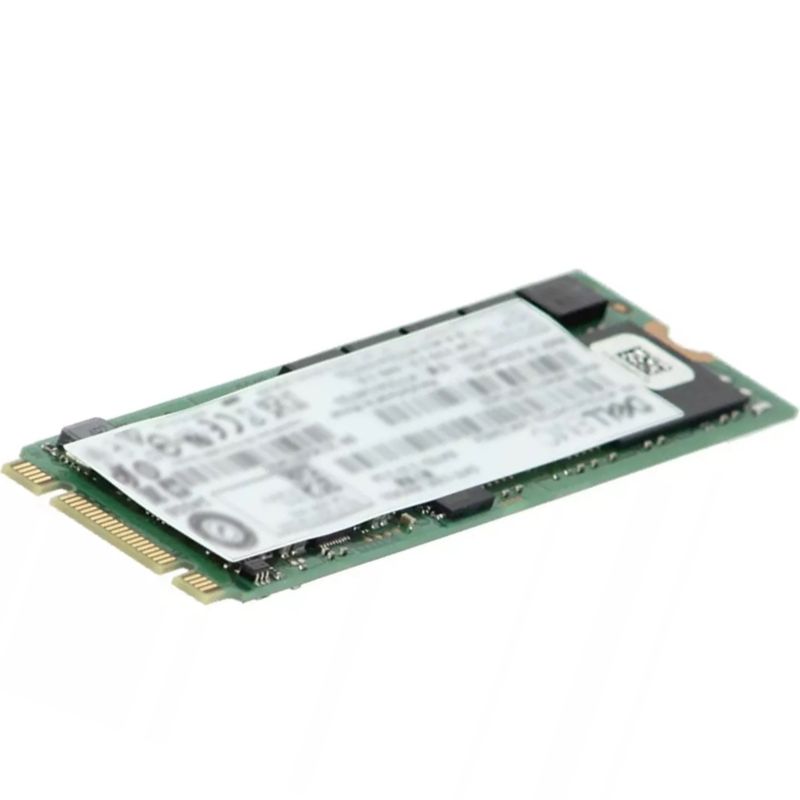


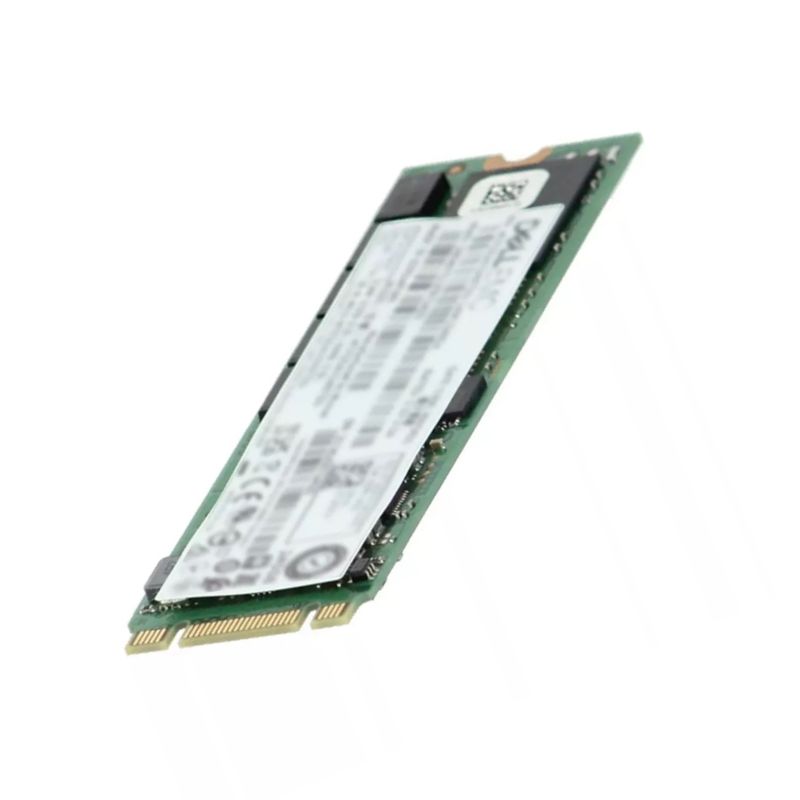
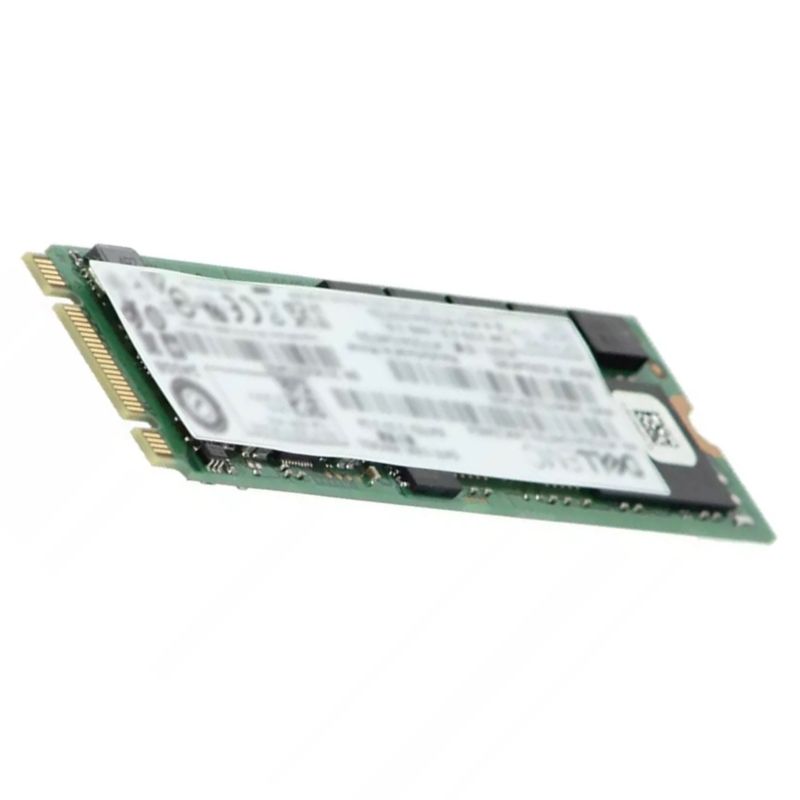
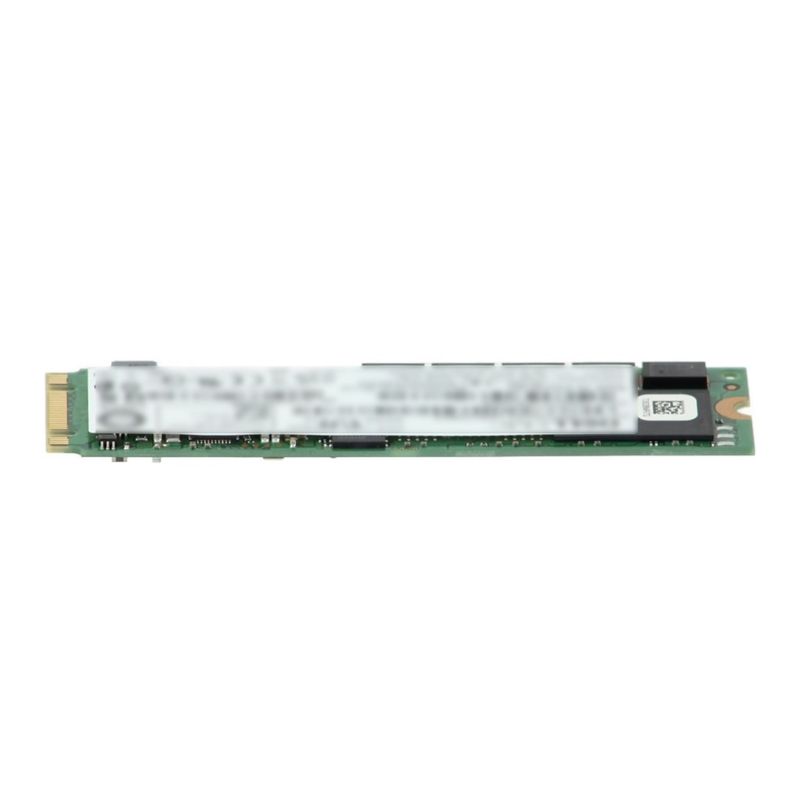
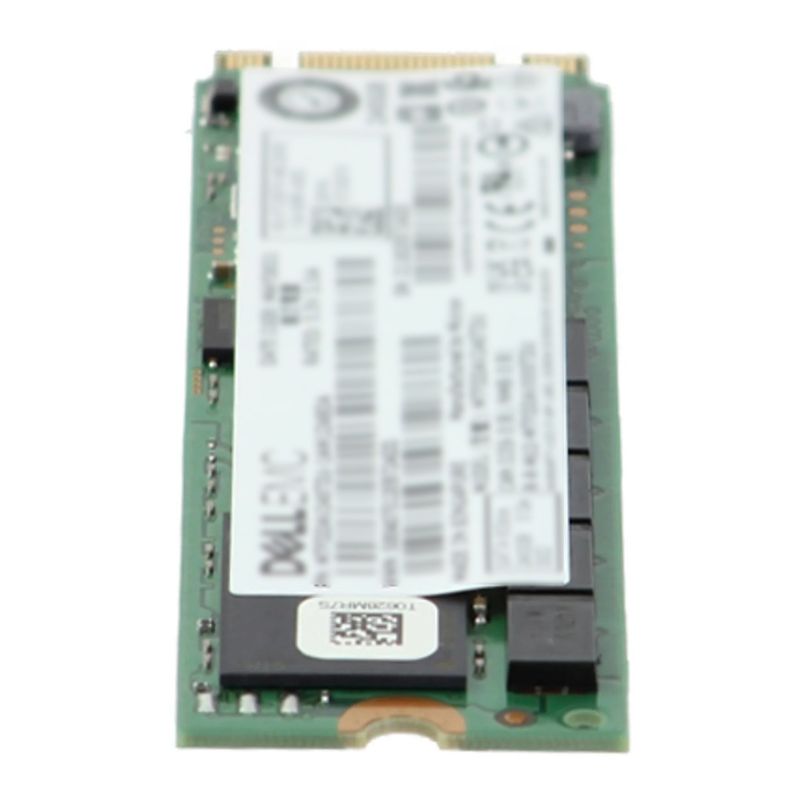
Dell 345-BLFF 480GB SATA-6GBPS M.2 Read-intensive TLC Solid State Drive. Excellent Refurbished with 1 year replacement warranty
The DELL 345-BLFF 480GB SATA-6Gbps M.2 2280 Solid State Drive represents a highly dependable enterprise-grade storage component engineered for demanding server workloads within Dell EMC PowerEdge 14th-generation and 15th-generation systems. As part of Dell’s BOSS (Boot Optimized Storage Solution) architecture, this drive is optimized for reliability, long read-intensive service life, efficient data throughput, and low-latency system responsiveness. Designed to support business-critical boot volumes, hypervisor hosting, and lightweight read-focused workloads, this SSD delivers robust performance characteristics backed by enterprise endurance standards and advanced NAND flash cell technology. Its compact M.2 2280 form factor paired with the B+M key interface ensures broad compatibility across PowerEdge platforms, while maintaining a small footprint and ensuring optimal system airflow and thermal stability inside enterprise rack-mounted chassis.
The Dell 345-BLFF 480GB SATA-6GBPS M.2 Read-Intensive TLC Solid State Drive category groups a focused class of enterprise-grade storage devices designed to deliver dependable, cost-efficient performance for read-heavy server workloads. These M.2 format SSDs pair a SATA 6.0 Gbps interface with triple-level cell (TLC) NAND engineered and tuned for read-optimized use cases. The category emphasizes predictable read latency, strong random read throughput, and a balance of capacity and value for applications where reads dominate — for example: OS boot volumes, large-scale content delivery, database read replicas, log and index files, and cold/hot tiering within multi-tier storage architectures.
Devices in this category adopt the compact M.2 physical form factor, enabling high-density deployment in modern servers and edge systems that support M.2 sockets. The SATA-6GBPS interface ensures broad compatibility with legacy SATA controllers found in many server platforms while providing the electrical and protocol simplicity that service teams value for maintenance and upgrades.
The “read-intensive” designation signals that the drive’s firmware, wear-leveling strategy, and over-provisioning are optimized to deliver sustained read performance and extend usable life under workloads where random and sequential reads far outnumber writes. TLC NAND delivers a favorable cost per gigabyte, making 480GB a useful capacity point for operating system images, indexing, and datasets that require large read bandwidth without the premium of higher-end write-endurance parts.
With a 480GB usable capacity, these SSDs are sized for modern server needs where a balance between capacity and performance is required. Typical deployments include: boot drives for hypervisor hosts, read-cache layers for tiered storage architectures, read-only database replicas, analytics nodes where data is frequently scanned but infrequently rewritten, and content distribution servers. Their compact M.2 form factor makes them ideal for space-constrained blade, micro-server, and edge systems.
The primary performance advantage of read-intensive M.2 TLC SSDs lies in consistent read throughput and low, predictable read latency. Because internal resources (such as write-buffer allocations and background garbage collection policies) are tuned to favor reads, these drives maintain high random and sequential read I/O levels even when servicing mixed workloads with occasional writes. This results in smoother response times for read-dominated applications.
Enterprise environments demand predictability: applications that serve web content, search indexes, or machine-learning models must return results at consistent latency. The Dell 345-BLFF 480GB class is optimized to avoid large tail-latency spikes that can cause timeouts or degraded user experience. For architects, the predictability of read latency is often more valuable than raw peak throughput because it simplifies capacity planning and SLAs.
Read-intensive drives are not write-prohibited — they support host writes — but administrators should be aware of their endurance tradeoffs. These SSDs tolerate typical system writes such as OS updates, logging, and occasional file swaps. For environments with heavy sustained write cycles (e.g., high-write databases or VDI with frequent snapshots), a higher-end endurance class (or dedicated write-optimized SSD) would be a better fit. Nevertheless, with sensible over-provisioning and workload design, the Dell 345-BLFF 480GB M.2 read-intensive drives provide excellent value in mixed-use but read-dominant environments.
When selecting an M.2 SATA SSD, verify the host platform’s M.2 slot type and supported logical interface. Some M.2 connectors accept both NVMe (PCIe) and SATA protocols, while others are SATA-only. Ensure the server or motherboard BIOS supports SATA M.2 boot devices if the drive will host the operating system. Dell OEM labeling (such as the 345-BLFF part ID) often implies tested compatibility with corresponding Dell PowerEdge systems, simplifying procurement and support.
While many server M.2 slots are not hot-swappable, they are frequently deployed in serviceable slots inside tool-less carrier trays or near system bays for convenient access. Document the location and slot numbering in your rack spreadsheet to streamline replacements and rollbacks. In environments requiring hot-swapable storage, consider cabled or U.2 solutions that provide greater serviceability.
Many enterprise M.2 SSDs support hardware-based encryption and secure erase functions (e.g., TCG Opal or AES-based controller features). While the Dell OEM drive naming doesn’t imply any specific encryption protocol, administrators should verify whether the model supports on-drive encryption to comply with data security policies. Secure erase tools from trusted vendors can sanitize drives before redeployment or decommissioning.
Integrate SMART monitoring and drive health checks into centralized monitoring tools to track metrics such as uncorrectable error counts, wear indicators, and power cycle counts. Proactive replacement policies based on SMART thresholds or endurance projections reduce the risk of unexpected downtime and ensure the storage tier remains healthy and performant.
Because TLC NAND has finite write endurance, plan replacement schedules that take into account projected write rates, the drive’s usable lifetime, and warranty terms. Maintain spare stock aligned to fleet size for rapid replacement. For mission-critical systems, consider using higher-endurance models for nodes with atypically high write volumes.
TRIM reduces write amplification and helps the SSD reclaim space for more efficient garbage collection. Ensure the OS and controller support and have enabled TRIM where appropriate. Proper partition alignment (typically 1MiB alignment or multiples of 4K) prevents misaligned writes that can inflate I/O and reduce endurance.
Pair read-intensive M.2 SSDs with higher endurance storage in a tiered model: reserve the SSD tier for frequently read blocks and the higher endurance tier for write-intensive datasets. This approach leverages the SSD’s read performance while limiting writes that shorten drive life.
When used as a read cache in front of slower storage, M.2 read-intensive drives can dramatically reduce average access times and offload hotspot reads. Ensure the caching layer has policies to prefetch and invalidate cache entries intelligently to avoid write storms that could erode endurance.
NVMe SSDs use PCIe lanes to provide significantly higher throughput and lower latency than SATA SSDs. However, NVMe often comes at a higher price point and may require platform support for multiple PCIe lanes or adapter cards. For workloads that require maximum bandwidth and low latency (e.g., high-performance databases), NVMe is preferable. For cost-sensitive read-heavy workloads where SATA compatibility and density matter, the Dell 345-BLFF 480GB SATA M.2 is a practical choice.
Write-endurance SSDs (e.g., SLC or higher endurance MLC/TLC variants) are engineered to sustain heavy writes over a longer lifetime. They carry a premium cost per GB. If the environment performs heavy logging, snapshotting, or large-scale data transformation, write-optimized drives reduce replacement frequency and maintenance overhead. Conversely, if the workload is read-dominant, the read-intensive class provides better cost efficiency.
M.2 drives can run hotter in densely packed servers. Plan airflow and chassis cooling to keep drive temperatures within vendor-specified ranges. High sustained write or intense read operations can raise temperatures; adequate ventilation and heatsinks where available help maintain performance and prolong device life.
SATA M.2 SSDs typically consume less power than larger form-factor enterprise drives or NVMe high-performance devices. For large installations or edge deployments where power consumption is a key constraint, choosing compact, efficient M.2 drives contributes to lower operating costs and cooler racks.
Typical use cases include: OS and hypervisor boot volumes, read cache layers for scale-out file systems, read replicas for analytics clusters, media and content delivery edge servers, and indexing/search nodes that perform large numbers of reads against relatively static datasets.
Content delivery networks, web hosting providers, financial services running read-heavy analytics, e-commerce catalog servers, and manufacturing or IoT edge analytics nodes frequently benefit from read-optimized M.2 TLC SSDs due to their balance of capacity, cost, and read performance.
Deploy a pair of DELL 345-BLFF SSDs as mirrored boot volumes for virtualization hosts (ESXi, Hyper-V). Their high read rates accelerate host boot and reduce time-to-service after reboots or updates.
Use the SSD for operating system and application binaries while placing heavy I/O data volumes on larger NVMe or HDD arrays. This hybrid approach balances cost while ensuring critical OS responsiveness.
The compact M.2 form factor and modest thermal footprint make these drives useful in remote or edge servers where space and power budgets are constrained, while still providing enterprise reliability.
M.2 is a compact connector standard for internal expansion cards. The "2280" designation denotes the module’s width and length (22mm x 80mm). The B+M key means the drive edge connector has notches for both B and M keyed sockets, increasing compatibility across various M.2 sockets — however, compatibility depends on whether the socket routes SATA signals or PCIe lanes to the M.2 connector. A B+M keyed SATA M.2 drive will plug physically into many slots, but it will only function if SATA signals are present.
Triple Level Cell flash that stores three bits per cell; combined with 3D stacking, it provides efficient density with reasonable endurance for enterprise read-heavy tasks.
The third generation Serial ATA interface standard, offering up to 6.0 Gbps nominal bandwidth (approx. 600 MB/s raw), with effective sequential transfer rates for modern SSDs around 500–560 MB/s due to protocol overhead.


 Contact Us
 Information
 Catalog
 Solid State Drives (SSD)
 Network Switches
 Hard Disk Drives
 HBA & Controllers
 PC & Servers
 PC & Server Memory
 CPU & Processors
 Network Routers
 Power Supplies
 Tape Drives & Libraries
 Network Devices
 Computer & Network Cables