(7% discount is applied at checkout)
Cart is empty
Your go-to destination for cutting-edge server products


Intel
| SSDPE21K375GAW |
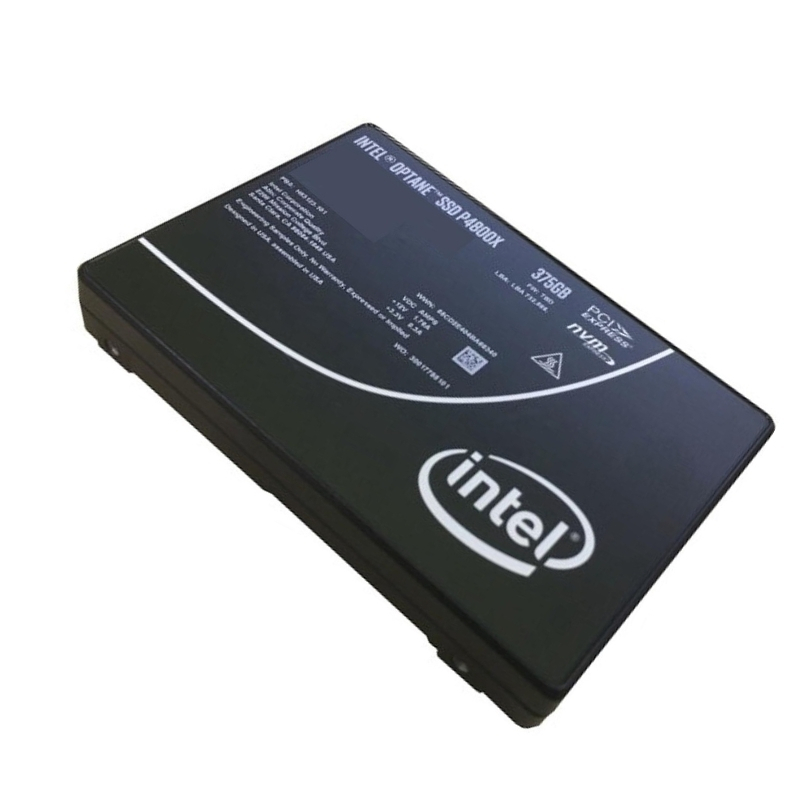
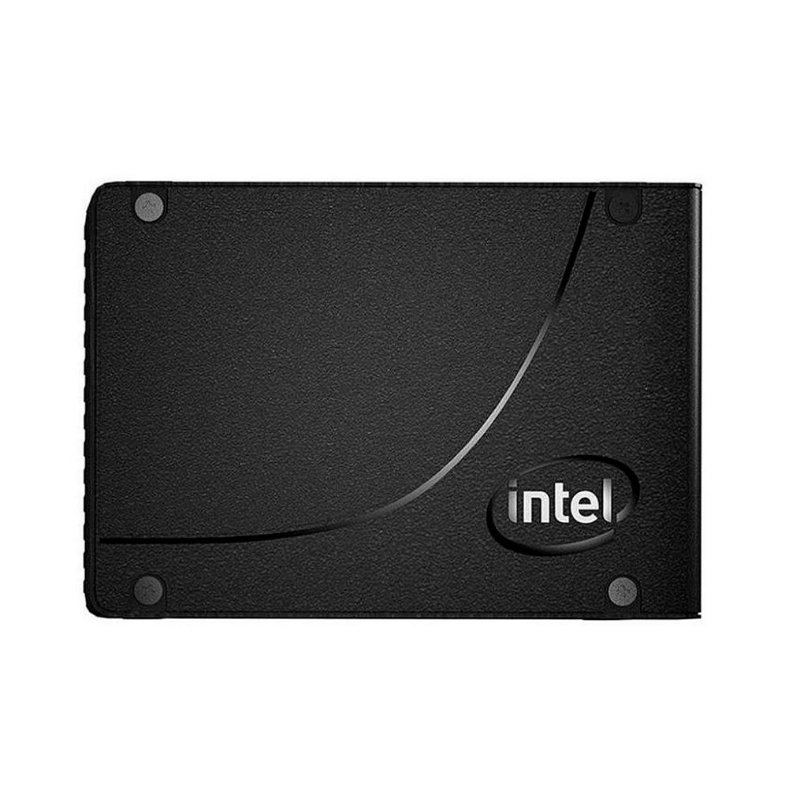
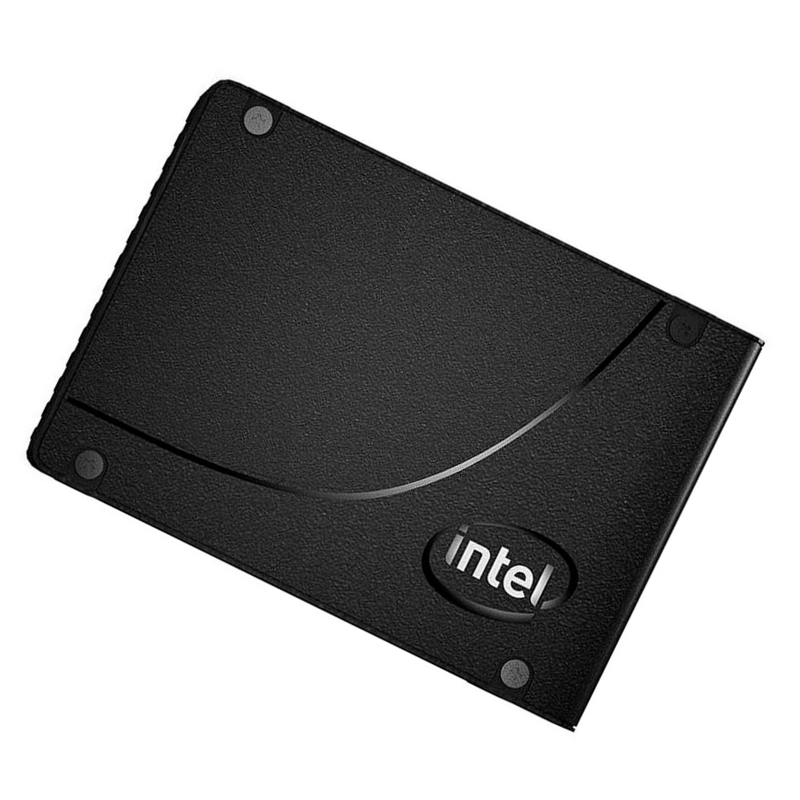
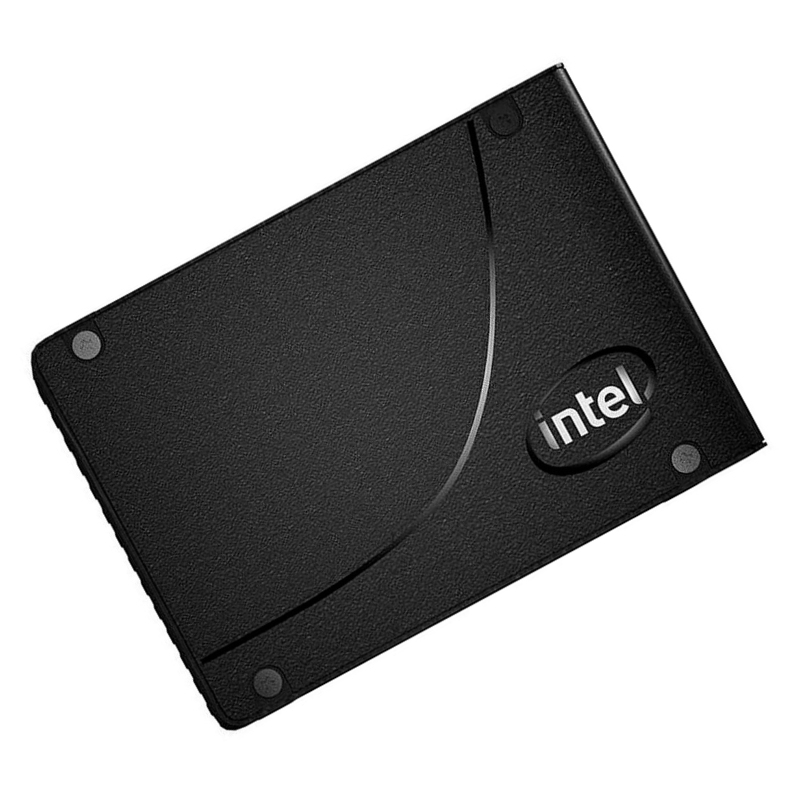
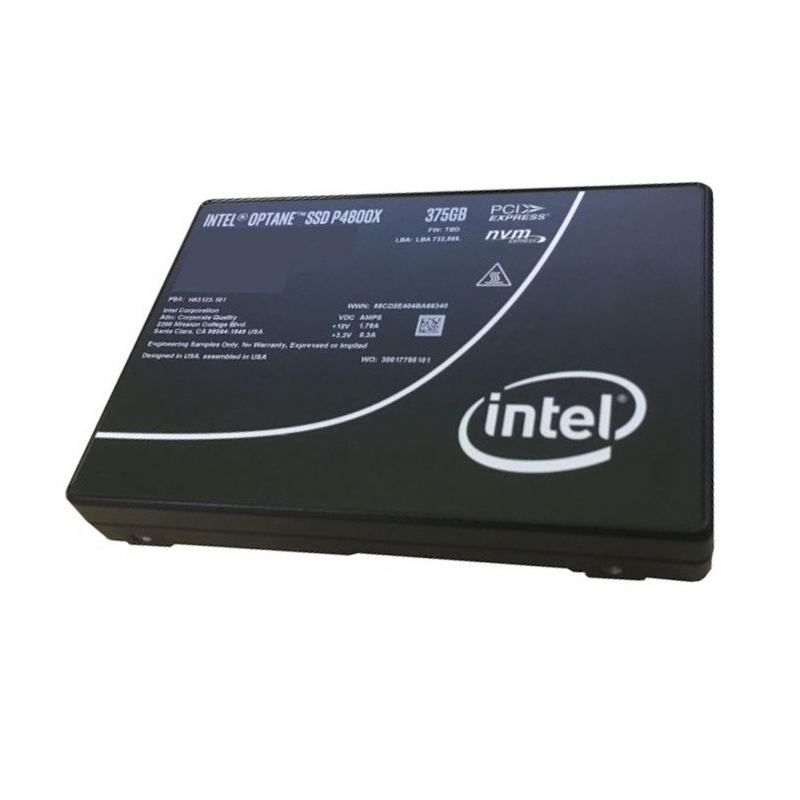
Optane DC P4800x 375GB PCI Express 3.0 X4 NVME Internal 3d Xpoint memory SSD. New Sealed in Box (NIB) with 3 Years Warranty
The Intel Optane DC P4800X SSDPE21K375GAW is a high-performance internal solid-state drive designed for enterprise and professional-grade computing. Built on cutting-edge 3D XPoint memory technology, it delivers exceptional speed, reliability, and endurance, making it an ideal solution for demanding workloads, real-time analytics, and large-scale databases.
Advanced Memory Technology
The Intel Optane DC P4800X series represents a breakthrough in high‑performance storage, leveraging 3D XPoint memory technology to deliver ultra‑low latency, consistent quality of service, and exceptional endurance. Unlike traditional NAND-based solid state drives (SSDs), the P4800X family is designed to serve data center workloads that require deterministic performance, high IOPS, and sub-microsecond response times. This category page focuses specifically on the Intel SSDPE21K375GAW Optane DC P4800X 375 GB NVMe SSD, which is a key offering in enterprise environments where speed, reliability, and endurance are critical.
At the core of the Optane DC P4800X lies Intel’s 3D XPoint memory a fundamentally different storage medium compared to traditional NAND flash. 3D XPoint is a non‑volatile memory technology that combines the performance of DRAM with the persistence of NAND. It provides bit-addressability, high endurance, and very low latency, making it ideally suited for mission‑critical data center operations. Where NAND relies on charge storage in floating gate transistors, 3D XPoint uses a cross‑point architecture that enables fast, cell-level access and rapid writes without the need for block erasure.
The SSDPE21K375GAW version of the P4800X is a PCI Express Gen 3.0 ×4 device using the NVMe protocol. That means it can deliver maximum performance by leveraging four lanes of PCIe bandwidth, integrating seamlessly into modern server platforms. The NVMe interface is optimized for parallel, high-speed I/O and reduces command latency relative to legacy SATA or SAS interfaces.
With a capacity of 375 GB, this SSD offers a balanced size that supports high-performance workloads without being overly large or expensive. The memory organization is designed to make the most of 3D XPoint’s density and performance characteristics. Although 375 GB may be less than some larger NAND-based SSDs, it is sufficient for heavy-duty tasks that emphasize speed, endurance, and low latency rather than sheer capacity.
Unlike consumer SSDs that may specify endurance in terms of terabytes written (TBW), enterprise drives like the P4800X often specify endurance in terms of drive writes per day (DWPD) or total bytes written over the device lifespan. The 3D XPoint media used in this drive supports very high write endurance, making it well-suited to write-intensive workloads. This endurance enables longevity in environments that perform constant logging, metadata operations, or database writes.
The Intel Optane DC P4800X includes features designed for enterprise-grade reliability: power-loss protection, data-path protection, robust error-correction algorithms, and advanced firmware to maintain data integrity across a wide range of operating conditions. These features help ensure that mission-critical data remains safe, even in the event of power fluctuations or sudden loss of power.
In high-performance computing environments, workloads often require ultra-low latency and consistent high throughput. Simulations, scientific modeling, and compute-intensive tasks frequently bottleneck on storage if latency is high. The P4800X’s 3D XPoint technology enables HPC clusters to access critical data in microseconds, accelerating time to solution and improving overall cluster efficiency.
Virtualized environments such as VMs, containers, and hyper-converged infrastructures—often generate many small, random I/O requests. The P4800X excels in serving metadata, caching, journal writes, logging, and other small-block operations that typically stress conventional enterprise SSDs. By placing frequently modified metadata or write-heavy cache on Optane, one can reduce latency and improve responsiveness across all virtual machines.
Before deploying the P4800X in production environments, it’s essential to check compatibility with your server hardware. Since this is a PCIe 3.0 ×4 NVMe drive, your server must support NVMe boot or NVMe storage, with BIOS or UEFI that can initialize and enumerate NVMe devices. It’s also important to ensure that your motherboard or server supports proper thermal dissipation and has available PCIe slots rated for sufficient throughput.
3D XPoint memory offers significantly higher endurance than many NAND-based enterprise SSDs. This translates to a longer usable lifespan, especially in write-intensive environments. High endurance means fewer drive replacements, lower maintenance costs, and better total cost of ownership in applications involving heavy logging, constant metadata writes, or caching.
Many data center applications involve mixed or random I/O patterns, not purely sequential transfers. The P4800X is optimized for such workloads—handling random small-block reads and writes with ease. This gives it a distinct edge in multi-tenant environments, virtualization platforms, and transactional databases, where I/O diversity is the norm.
There are many high-performance NVMe SSDs using enterprise-grade NAND flash that offer large capacities and strong throughput. These include drives from Intel, Samsung, Micron, Western Digital, and others. While these SSDs may not match Optane in latency and endurance, they often cost less and provide greater capacity, making them ideal for bulk data or archival storage in data centers.
Despite its high reliability, Optane DC drives should still be part of a broader data protection strategy. Use replication, RAID‑like configurations, or other redundancy mechanisms to protect critical data. Since Optane is often used for high-speed caching or metadata, also consider backups to non-volatile storage to guard against accidental deletion or corruption.


 Contact Us
 Information
 Catalog
 Solid State Drives (SSD)
 Network Switches
 Hard Disk Drives
 HBA & Controllers
 PC & Servers
 PC & Server Memory
 CPU & Processors
 Network Routers
 Power Supplies
 Tape Drives & Libraries
 Network Devices
 Computer & Network Cables