(7% discount is applied at checkout)
Cart is empty
Your go-to destination for cutting-edge server products
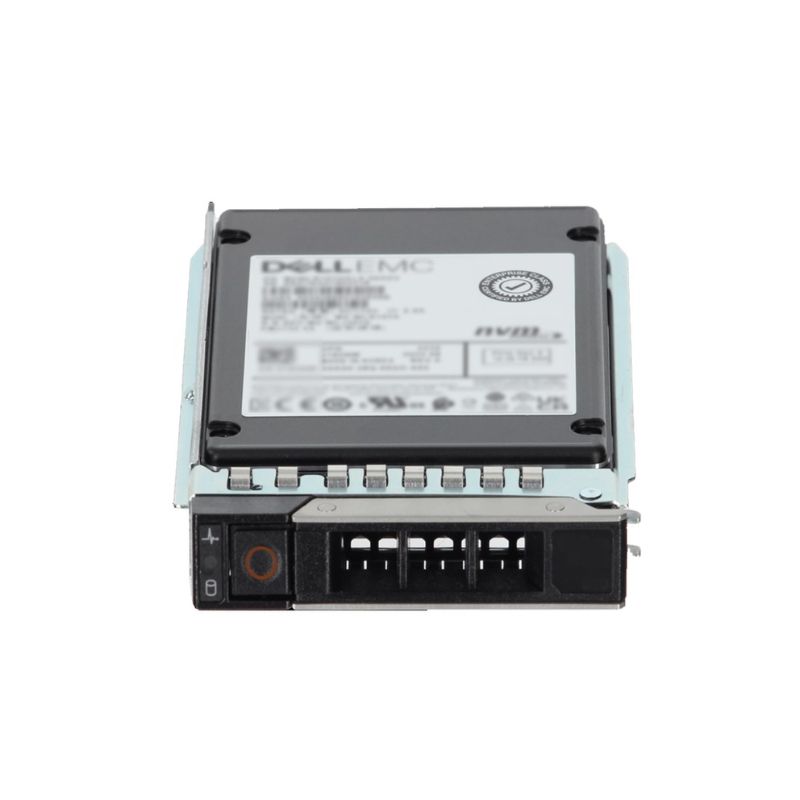


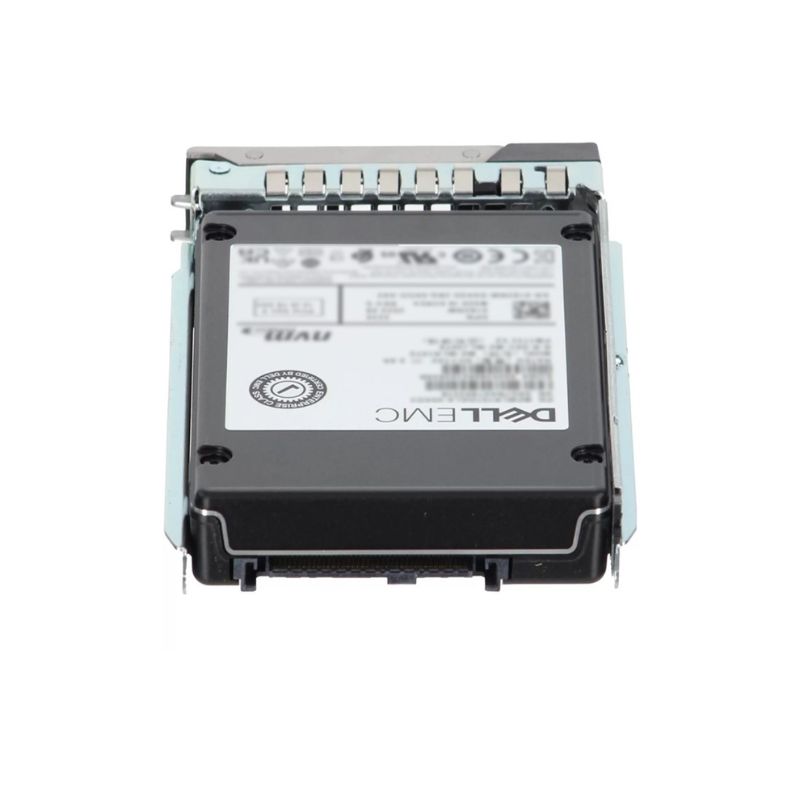
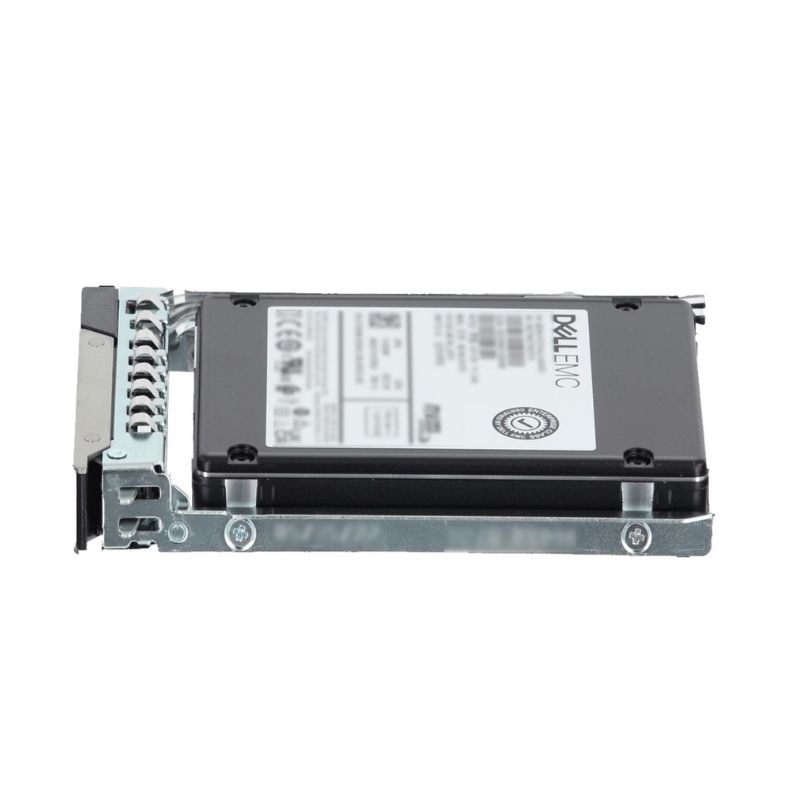
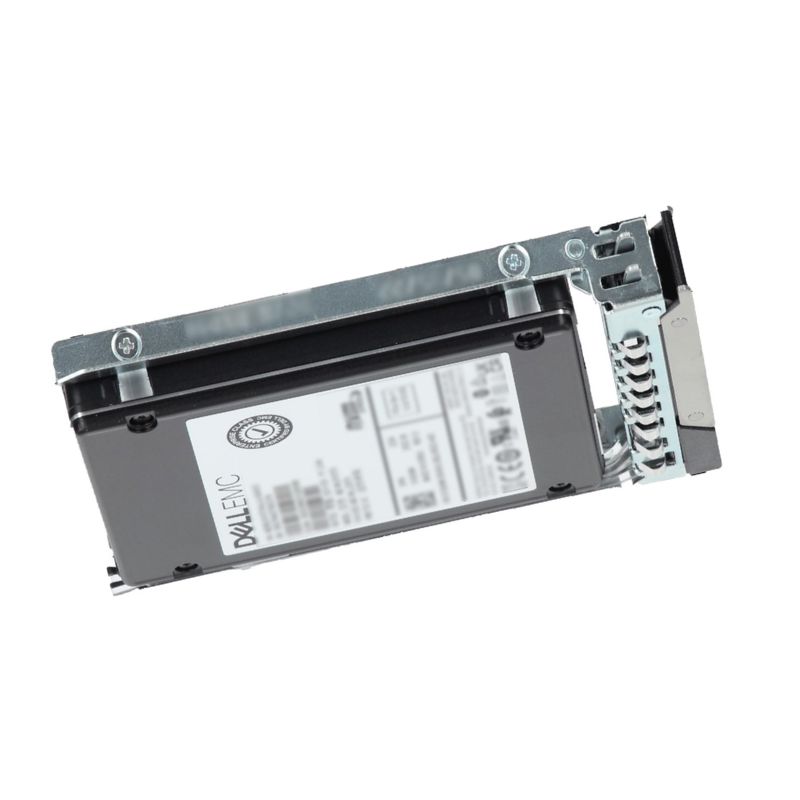
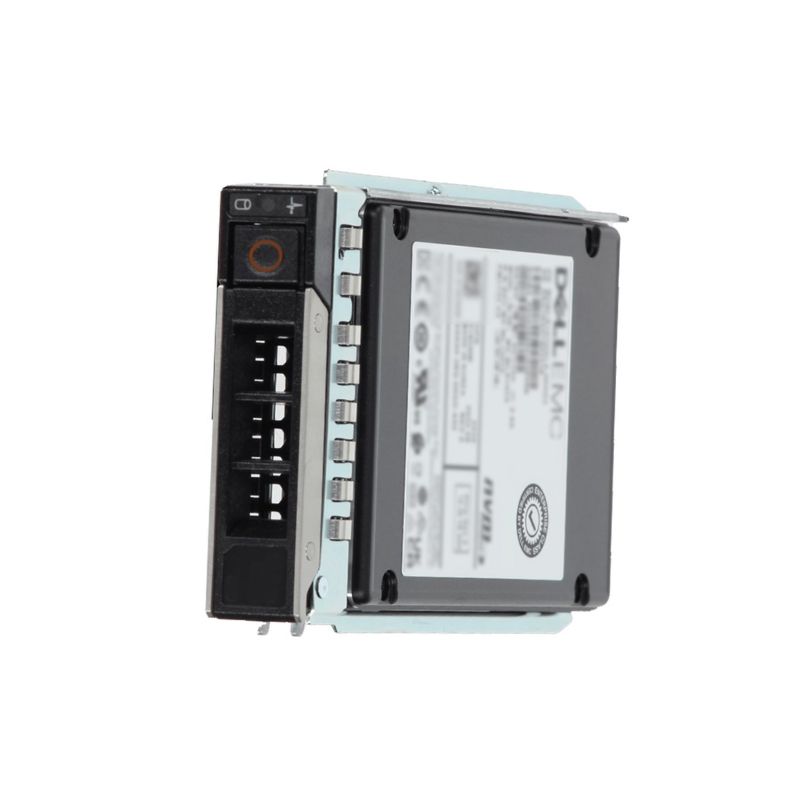
Dell 345-BLNV 1.92TB PCI-E Gen4 NVMe U.2 SFF Read Intensive SSD. New Sealed in Box (NIB) with 1 Year Replacement Warranty
The DELL 1.92TB PCIe Gen 4.0 x4 NVMe U.2 SFF 2.5-inch 15mm Read Intensive TLC 3D NAND Solid State Drive, part number 345-BLNV, is designed for exceptional reliability, sustained read-intensive workloads, and optimized performance across enterprise-class Dell PowerEdge servers from 14G through 17G generations. Engineered for structured data movement, virtualized infrastructures, edge-compute environments, and modern cloud-native deployments, this drive leverages the high bandwidth of PCIe 4.0 along with the durability of advanced 3D NAND lithography. The U.2 15mm SFF architecture enables hot-swap capability while maximizing airflow efficiency and system density within standard 2.5-inch storage bays. With enterprise-grade endurance, built-in hardware-level datapath protections, AES 256-bit encryption, power-loss protection, and real-time telemetry, it supports mission-critical applications requiring predictable latency, stable throughput, and long-term operational consistency.
The Dell 345-BLNV 1.92TB PCI-E Gen4 NVMe U.2 SFF Read Intensive SSD sits squarely in the enterprise storage category designed for read-heavy workloads where consistent low latency, high sustained throughput, and exceptional reliability are required. This category covers the U.2 small form factor (2.5-inch) NVMe drives built on PCI-Express Gen4 x4 lanes, targeted at modern Dell PowerEdge systems and other U.2-compatible servers and storage enclosures. The focus is on read-intensive applications — web serving, content delivery, database read caches, analytics queries, and virtualization read operations — where capacity, predictable performance, and endurance metrics are balanced to deliver cost-effective, high-density storage tiers.
High-concurrency web frontends and application servers benefit from the low read latency and sustained throughput of PCIe Gen4 NVMe. The U.2 SFF format simplifies replacement and hot-swap operations in rack servers while providing enterprise-grade telemetry for operations teams.
Database engines often perform many more random and sequential reads than writes, especially for index lookups, reporting queries, and OLAP workloads. A 1.92TB read-intensive NVMe drive provides the capacity to hold hot sets and indexes on flash, dramatically reducing query response times compared to spinning disks.
Environments with a large number of VMs that perform frequent read operations (boot storms, OS reads, application DLL reads) will see faster VM startup and improved overall system responsiveness when the VM images or frequently accessed data are stored on read-optimized SSDs.
The category standardizes on PCIe Gen4 ×4 to double the per-lane bandwidth compared to Gen3, enabling higher throughput and headroom for concurrent I/O. NVMe protocol operation reduces host CPU overhead, offers deep command queues and efficient parallelism for modern multi-core server CPUs.
The U.2 form factor provides hot-plug capability and compatibility with enterprise server backplanes. Carrier trays for 14G and 15G PowerEdge servers allow easy insertion and removal. U.2 connectors supply both power and high-speed PCIe lanes while keeping legacy 2.5-inch chassis compatibility.
Drives in this category typically use enterprise-grade NVMe controllers with advanced error correction, wear-leveling algorithms, and secure firmware update mechanisms. Paired with high endurance QLC/TLC or enterprise TLC NAND (depending on the model), the controller’s firmware is tuned to optimize read latency, background garbage collection behavior, and power efficiency under read-dominant traffic.
Enterprise SSDs implement CRCs, protection across the data path, and optional power-loss protection capacitors to preserve in-flight writes. These protections reduce the risk of silent data corruption and ensure higher reliability for database and critical application workloads.
The Dell 345-BLNV category supports NVMe SMART attributes and vendor extensions that feed into host management systems. Administrators can monitor drive health, remaining endurance, media errors, and other telemetry through standard tools (nvme-cli, vendor management suites) and Dell’s telemetry integrations in iDRAC and OpenManage.
Read-intensive NVMe U.2 SSDs deliver high random read IOPS at low latency across a range of queue depths typical to enterprise workloads. Sequential read throughput benefits from PCIe Gen4 bandwidth, making these drives suitable for large file serving and sustained sequential read operations.
QoS is an essential attribute for enterprise SSDs. Read-optimized firmware reduces tail latencies under mixed or bursty read traffic by minimizing background tasks during peak request periods and prioritizing foreground read commands. This minimizes the 99th and 99.9th percentile latencies that impact user-visible performance.
The drives are engineered to maintain steady performance in the presence of typical enterprise patterns: large read windows, intermittent writes (such as cache fills or metadata updates), and background management tasks. Manufacturers publish sustained throughput metrics and test against industry standard profiles to demonstrate predictable behavior.
Read-intensive SSDs trade lower write endurance for reduced cost per GB. Endurance metrics for this category are expressed as TBW (terabytes written) or DWPD (drive writes per day) over a warranty period. For many read-dominant deployments, the specified endurance is ample to provide multiple years of service before reaching the drive’s rated write limits.
Enterprise NVMe drives typically carry high MTBF (Mean Time Between Failures) ratings and multi-year limited warranties (3–5 years depending on the model and vendor). Dell-branded or Dell-qualified drives also qualify for integrated support options when used in Dell systems.
Many drives support AES-256 hardware encryption with TCG Opal or enterprise encryption key management options. Secure erase and crypto-erase features allow administrators to sanitize drives quickly during decommissioning or repurposing.
Secure firmware signing and vendor verification reduce the risk of unauthorized firmware modifications. Combined with server platform security, these features help maintain a trusted storage supply chain in regulated environments.
The Dell 345-BLNV class is ideal for a hot tier in multi-tier storage architectures — keeping the hottest dataset directly on NVMe for lowest latency responses. This reduces pressure on slower tiers (SATA SSDs, NL-SAS, HDD) and improves application responsiveness.
For content delivery networks and edge cache deployments, the combination of U.2 hot-swap form factor and high read throughput enables efficient scaling and predictable performance in distributed edge locations.
When used inside hybrid arrays or software-defined storage platforms, read-optimized NVMe drives accelerate read paths and can be configured as capacity or cache tiers, depending on the system architecture and data access patterns.
Dense NVMe deployments generate heat; ensure adequate chassis airflow and thermal monitoring. Dell systems typically provide drive-bay airflow engineering, but administrators should verify thermal headroom when populating all bays with high-performance NVMe devices.
PCIe Gen4 devices may consume more power under sustained load than lower-tier SATA drives. Include NVMe drives in rack power budgeting and consider the impact of high drive counts per host on redundancy and cooling strategies.
Using NVMe U.2 drives in RAID configurations requires compatible controllers that support NVMe over PCIe (or software RAID approaches). Software RAID or software-defined storage may be preferred for maximum flexibility; always consult vendor guidance for optimal RAID rebuild times and array resiliency with NVMe media.
Write-intensive NVMe SSDs target environments with heavy random writes — databases with high transaction rates, logging, or mixed workloads. Read-intensive models prioritize lower cost per GB and read performance. Choose write-intensive models when DWPD requirements are high; choose read-intensive models when reads dominate and cost efficiency matters.
While U.2 remains widely supported across enterprise servers, emerging form factors like EDSFF (E1.S/E3) and U.3 offer alternative benefits such as higher density or improved thermal profiles. When planning upgrades, verify chassis and backplane compatibility and balance generational benefits against existing infrastructure investments.


 Contact Us
 Information
 Catalog
 Solid State Drives (SSD)
 Network Switches
 Hard Disk Drives
 HBA & Controllers
 PC & Servers
 PC & Server Memory
 CPU & Processors
 Network Routers
 Power Supplies
 Tape Drives & Libraries
 Network Devices
 Computer & Network Cables