(7% discount is applied at checkout)
Cart is empty
Your go-to destination for cutting-edge server products
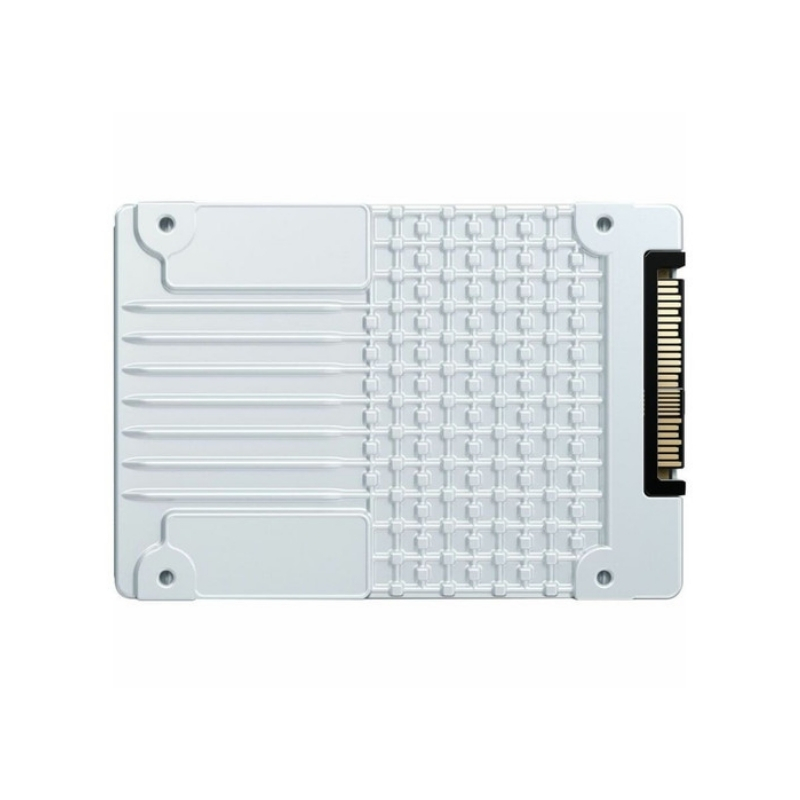


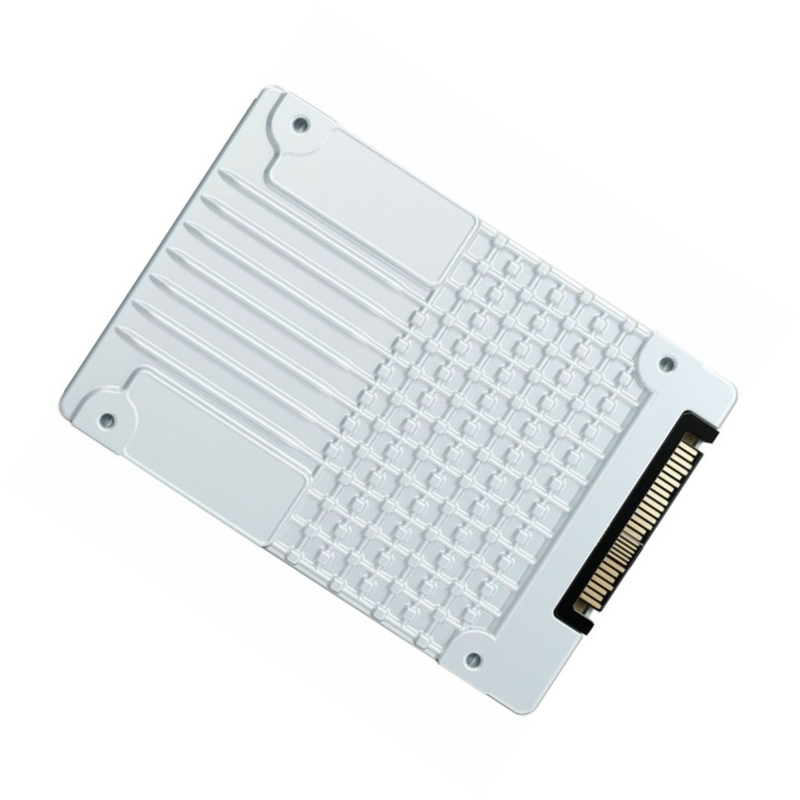
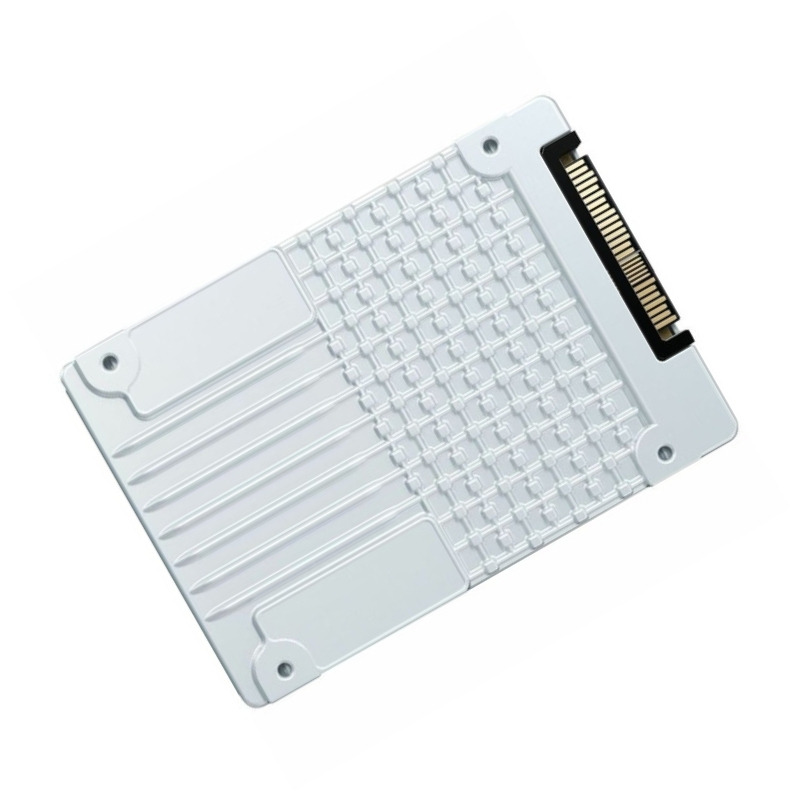
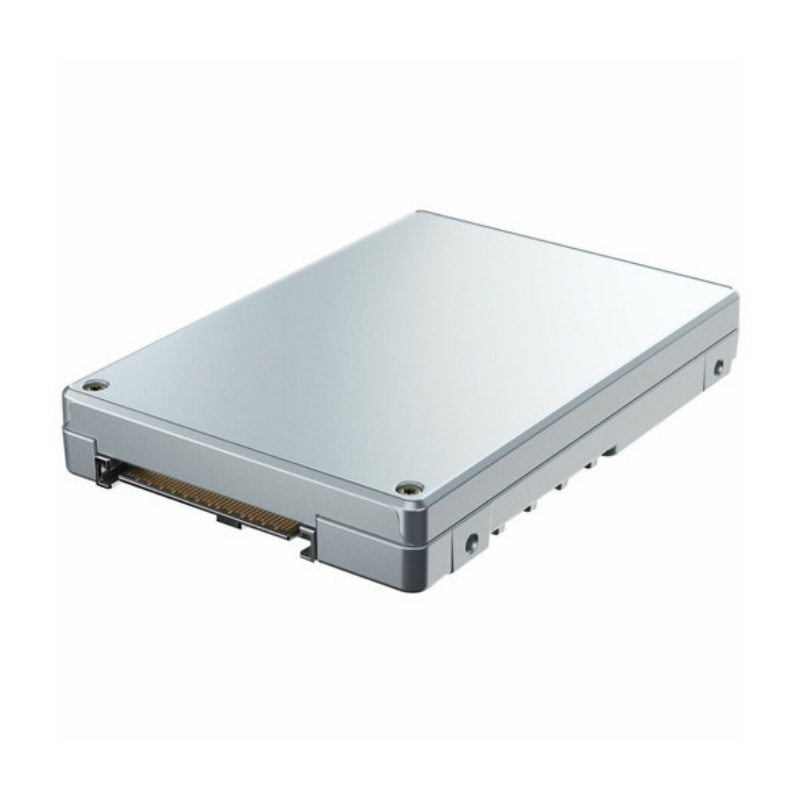
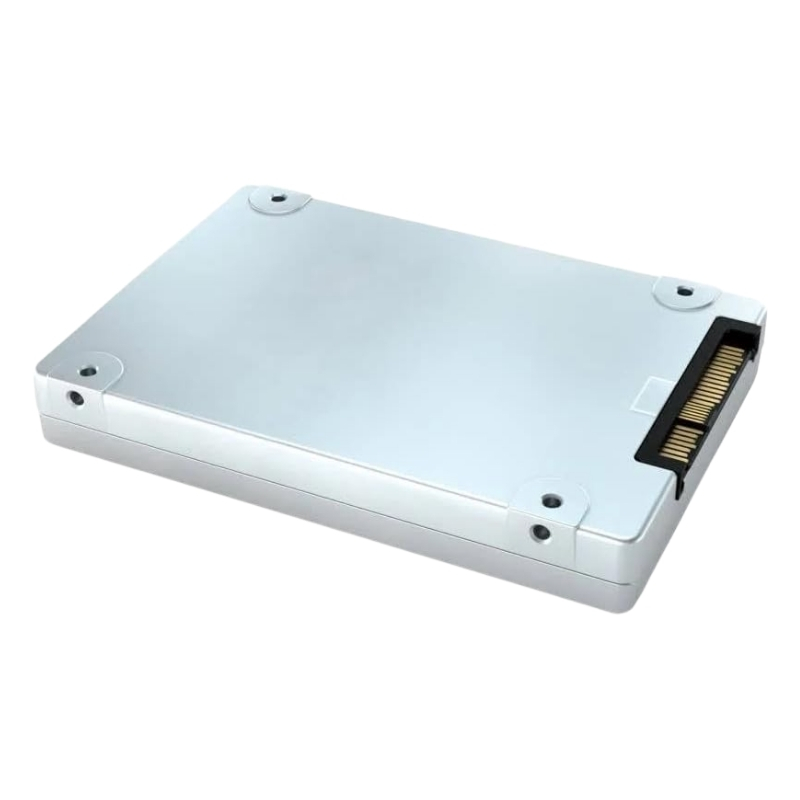
Solidigm SSDPF2KX019T1OS D7-p5520 1.92TB PCIE 4.0 NVME TLC Opal 2.5inch U.2 15mm SSD. New (System) Pull with 1 year replacement warranty
The category of PCIE 4.0 NVME U.2 SSDs encompasses high‑performance, enterprise‑grade solid state drives designed for demanding workloads in data centers, virtualization clusters, and high‑throughput storage environments. These drives leverage the advanced PCI Express 4.0 interface and the NVMe protocol to deliver ultra-low latency, high IOPS (input/output operations per second), and massive throughput, combined with enterprise-level endurance, reliability, and power efficiency.
One of the key defining characteristics of these SSDs is their use of the PCIe 4.0 interface. PCIe 4.0 doubles the per-lane bandwidth compared to PCIe 3.0, enabling significantly higher data transfer rates. In an enterprise environment, that means applications such as databases, analytics, virtualization, and high‑performance computing can benefit from much faster storage access, lower latency, and better scaling across multiple drives.
With PCIe 4.0, each lane supports up to roughly 16 GT/s (giga‑transfers per second), which translates into a theoretical bandwidth of about 2 GB/s per lane. By contrast, PCIe 3.0 is limited to roughly half that bandwidth. This jump allows enterprise SSDs to fully exploit the capabilities of modern NAND flash, leading to better sustained throughput, improved mixed‑workload performance, and superior scalability.
The use of the NVMe protocol is equally important. NVMe (Non‑Volatile Memory express) is designed specifically for flash memory and SSDs, providing a lean command set, deep queue depth, and parallelism that traditional storage protocols like SATA cannot match. In enterprise SSDs, NVMe reduces overhead, minimizes latency, and maximizes performance under high concurrency, making PCIe 4.0 NVMe drives ideal for multi-tenant and mission-critical environments.
This category often includes drives in the U.2 2.5‑inch 15 mm form factor. U.2 (formerly known as SFF‑8639) blends the hot‑swappable, rack‑friendly design of 2.5" drives with the performance of NVMe, making it a favorite in enterprise racks, blade servers, and storage arrays.
The thicker 15 mm form factor accommodates up to four‑stacked NAND die or additional buffer circuitry, improving capacity and performance. It also facilitates better airflow and heat sinks in server trays, enabling sustained performance under heavy I/O without thermal throttling. This makes U.2 15 mm SSDs a go-to choice for enterprise storage architects seeking high-capacity, high-throughput solutions.
Enterprise PCIe 4.0 NVMe SSDs like the Solidigm D7‑P5520 often use TLC (Triple-Level Cell) NAND flash. TLC stores three bits per cell, offering a smart balance of cost, endurance, and performance for business-critical applications. In an enterprise SSD, TLC NAND is typically optimized to sustain high write workloads while providing excellent reliability over its service life.
Security is paramount in enterprise storage, and many SSDs in this category support the Opal 2 specification from the Trusted Computing Group (TCG). Opal 2 enables hardware-based encryption, secure erase, and partition locking, safeguarding sensitive data at rest. With self-encrypting drive (SED) capabilities, these SSDs comply with regulatory requirements and data protection mandates without sacrificing performance.
The Solidigm D7‑P5520 belongs to the D7 product family, which is optimized for high performance, high endurance, and data center-class reliability. The D7 architecture is built with a robust controller, high-efficiency power management, and performance-optimized firmware to maximize throughput while managing thermal and power constraints typical in server environments.
One of the major advantages of this SSD category is its ability to scale storage capacity and density within rack environments. Because U.2 2.5″ drives are physically compact yet can support large capacities, they allow storage architects to pack more I/O and capacity into a standard server or storage chassis.
Power consumption and thermal performance are critical considerations in data center deployments. Enterprise SSDs in this category come with advanced power-saving features and optimized thermal designs to balance performance with energy efficiency.
The 2.5″ 15 mm form factor allows room for effective heatsinks or thermal spreaders, ensuring consistent performance under sustained load. In dense server blades or storage arrays, this thermal headroom prevents throttling and ensures long-term reliability, even when deployed in high‑ambient temperature environments.
Servers and storage platforms must support the SFF‑8639 / U.2 connector to fully utilize these NVMe SSDs. Many modern server motherboards and RAID or NVMe HBA cards provide this interface. Administrators should check BIOS or UEFI firmware compatibility for NVMe boot support and ensure PCIe 4.0 lanes are available to maximize drive throughput.
To fully appreciate this category, it’s valuable to compare it to competing technologies: other U.2 NVMe drives, PCIe 4.0 M.2 SSDs, SATA enterprise drives, and previous-generation PCIe 3.0 drives.
While many U.2 NVMe SSDs are available, not all deliver the same performance or endurance. The Solidigm D7‑P5520 stands out for its combination of PCIe 4.0 speed, high endurance TLC NAND, and enterprise-grade reliability. Some competitors may opt for QLC or lower endurance options, or offer lower throughput due to older controllers.
M.2 NVMe SSDs provide portability and compact form factor, but often lack the thermal headroom and hot-swap capabilities that U.2 2.5″ drives enable. While M.2 drives are perfect for desktops or compact servers, U.2 variants are better suited for rack-mounted data center environments requiring maximum reliability, serviceability, and capacity.
SATA enterprise SSDs are widely supported and cost-effective at lower capacities, but they can’t match NVMe’s performance. For latency-sensitive, IOPS‑heavy workloads, PCIe 4.0 NVMe U.2 SSDs deliver far superior random access and bandwidth, making them the better choice for high-performance data centers.
Compared to PCIe 3.0 NVMe SSDs, PCIe 4.0 drives substantially improve throughput and reduce queuing bottlenecks. Applications that benefit from parallelized I/O, such as virtualization, AI/ML training, and real-time analytics, can unlock better scaling and lower latency by leveraging PCIe 4.0 capabilities.
Choosing an enterprise NVMe U.2 SSD requires careful planning around compatibility, host interface, firmware management, and server architecture. Here we explore important deployment factors when selecting a drive like the Solidigm D7‑P5520.


 Contact Us
 Information
 Catalog
 Solid State Drives (SSD)
 Network Switches
 Hard Disk Drives
 HBA & Controllers
 PC & Servers
 PC & Server Memory
 CPU & Processors
 Network Routers
 Power Supplies
 Tape Drives & Libraries
 Network Devices
 Computer & Network Cables