(7% discount is applied at checkout)
Cart is empty
Your go-to destination for cutting-edge server products
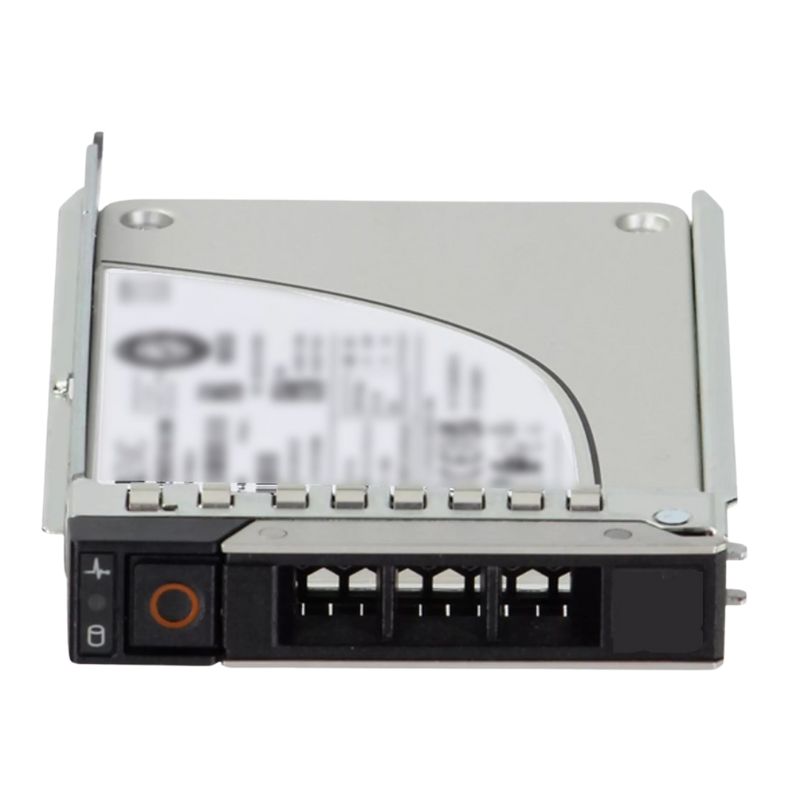


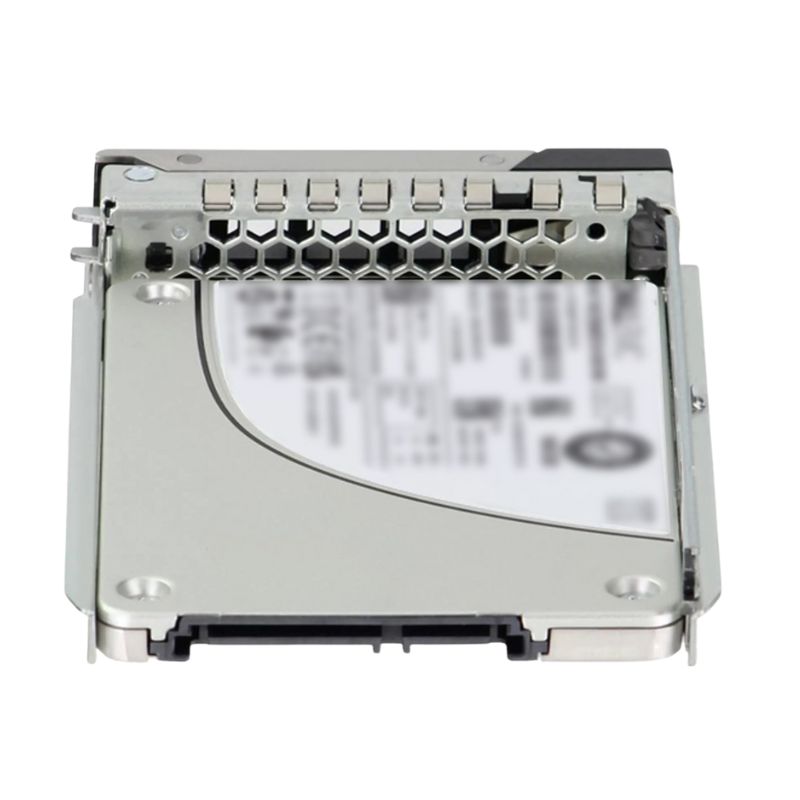
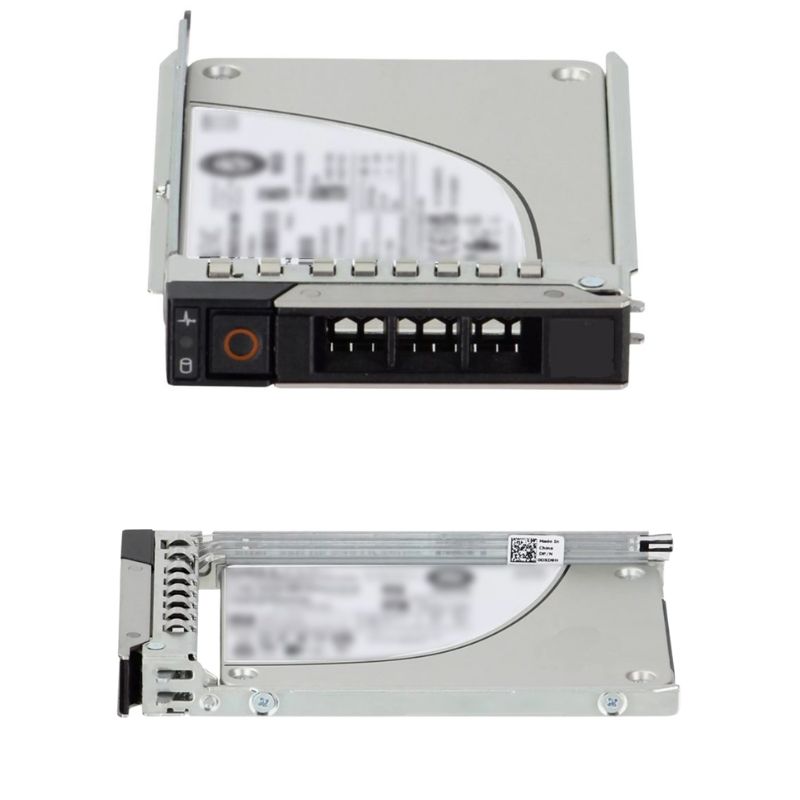
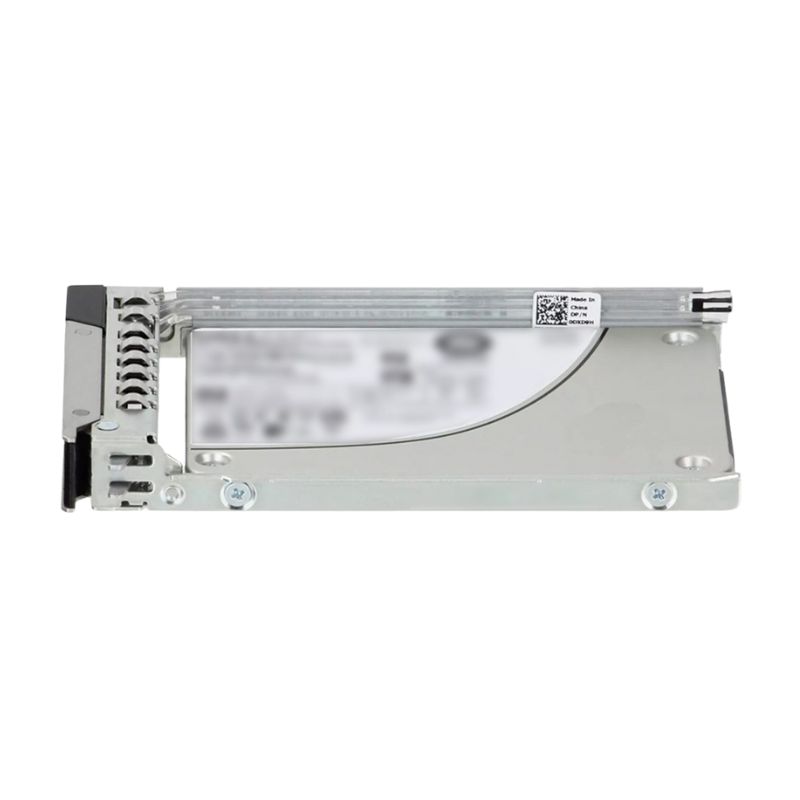
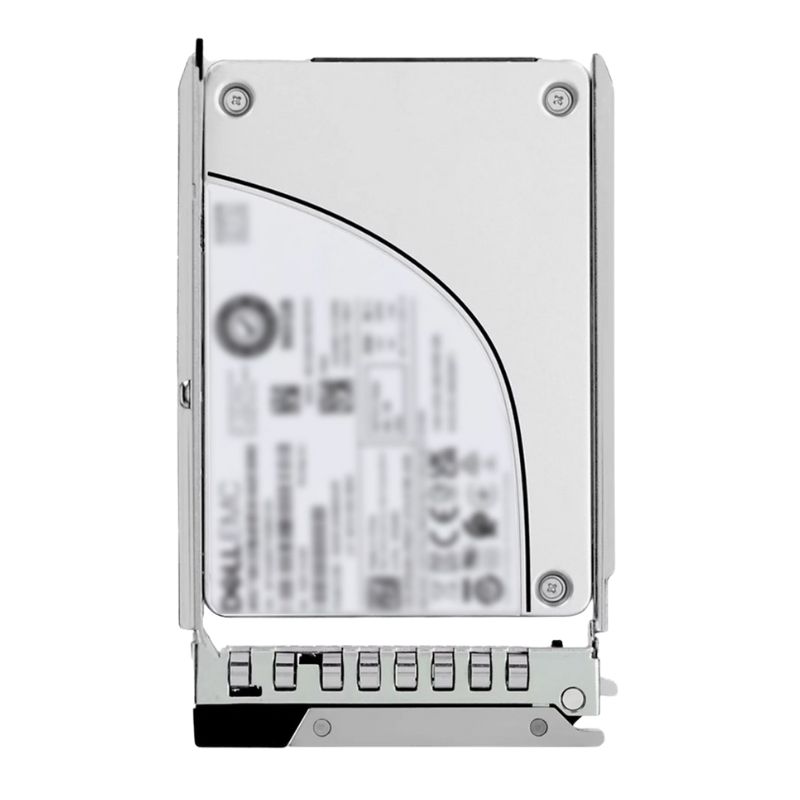
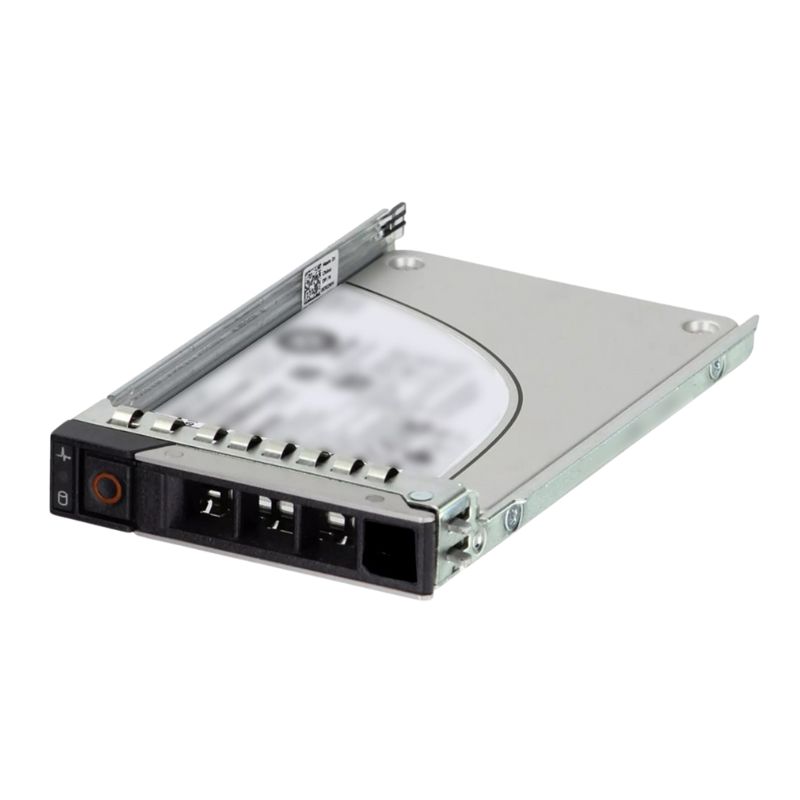
Dell JWJR1 960GB SATA-6GBPS Read Intensive 1DWPD 2.5 Inch Hot-Plug Solid State Drive. New Sealed in Box (NIB) with 1-Year Replacement Warranty
The Dell JWJR1 960GB SATA-6Gbps Read Intensive 1DWPD 2.5-inch hot-plug solid-state drive is engineered for data-center reliability, energy efficiency, and consistent throughput. This enterprise-grade TLC-based storage module is optimized for environments demanding high read activity, predictable responsiveness, and dependable uptime. Its blend of 3D NAND technology, efficient SATA connectivity, and sturdy thermal performance makes it an excellent option for scalable Dell PowerEdge servers.
Designed for predictable throughput, the Dell JWJR1 ensures minimal bottlenecks during sequential data handling. Its stable read/write characteristics help maintain smooth operations across virtualized and clustered environments where performance consistency is essential.
The Dell JWJR1 960GB SSD is certified for numerous Dell PowerEdge systems, ensuring direct integration with server management tools, firmware compatibility, and seamless monitoring. This broad ecosystem support enhances reliability for scalable deployment across modern data-center infrastructures.
The JWJR1 model aligns well with enterprise scenarios demanding quick read responses and dependable throughput. Its endurance profile and performance rating make it particularly fitting for modern server configurations requiring optimized retrieval speeds and sustained I/O efficiency.
The Dell JWJR1 960GB SATA-6GBPS Read Intensive 1DWPD 2.5 Inch Hot-Plug Solid State Drive represents an essential component within enterprise storage environments requiring consistent performance, scalable capacity, and dependable endurance. This drive belongs to a broader category of enterprise-grade SATA SSDs designed for optimizing data accessibility, reducing latency, and supporting a wide range of server workloads that rely on predictable read behavior. Its read-intensive classification positions it as a powerful solution for applications emphasizing fast data retrieval, efficient throughput, and sustained operational robustness. With its 1DWPD endurance rating, hot-plug capability, and compact 2.5-inch SFF design, the drive integrates seamlessly into modern server infrastructures where reliability and speed are crucial.
SATA-6GBPS enterprise SSDs such as the Dell JWJR1 are engineered to provide stable and repeatable performance across large-scale data environments. Their architecture supports reduced access times, efficient data transfers, and improved reliability compared to traditional spinning hard disk drives. As part of the high-efficiency storage category, the drive emphasizes speed and durability while operating within a low-power envelope. This type of drive is commonly deployed in servers handling databases, online transaction processing systems, virtual machine hosting, and read-heavy applications where rapid access to stored information directly influences service responsiveness and overall operational efficiency.
The SATA-6GBPS interface ensures that the Dell JWJR1 maintains effective bandwidth for enterprise workloads that depend on consistent throughput. Although SATA drives are often more cost-efficient compared to NVMe counterparts, they still deliver significant gains in latency reduction, command execution efficiency, and operational smoothness. The standardized interface also guarantees backward compatibility across legacy and modern infrastructures, providing versatile deployment opportunities within rack-mounted servers, storage arrays, or scalable data center configurations.
As a read-intensive drive, the Dell JWJR1 is optimized to handle workloads where data retrieval constitutes the majority of daily operations. Read-intensive drives offer exceptional responsiveness when accessing frequently used datasets, indexes, logs, and application components. Their durability profile supports significant read volumes while maintaining stable write operations suited for minimal to moderate changes within the stored dataset. This performance configuration is ideal for cloud services, content delivery networks, web-facing applications, and systems requiring fast access to static or semi-static data structures.
Low latency is a defining characteristic of enterprise SATA SSDs. The Dell JWJR1 incorporates advanced controller management and NAND flash optimization to minimize internal delays caused by I/O requests. By reducing bottlenecks related to storage access, the drive helps servers maintain smoother multitasking capability and more consistent throughput performance across concurrent applications.
The NAND flash memory used in the Dell JWJR1 is selected for reliability, error resistance, and sustained data integrity. Enterprise-class NAND differs from consumer versions through enhanced wear-leveling algorithms, stronger error-correction capabilities, and intelligent block management. These features collectively reduce the risk of data corruption, ensure more accurate write operations, and extend the functional lifespan of the drive in demanding environments.
Advanced ECC and wear-leveling technologies are fundamental components of enterprise SATA SSDs. ECC corrects potential bit-level errors before they impact stored data, while wear-leveling distributes write cycles evenly across flash memory cells. Together, these technologies protect the drive from premature wear and guarantee that stored data remains accurate and accessible. Additional firmware-level protections defend against power interruptions, unexpected shutdowns, and environmental fluctuations that could disrupt normal operational cycles.
Write amplification is minimized through optimized controller algorithms that ensure efficient data placement within the NAND structure. This contributes to enhanced endurance and consistent throughput performance, ensuring that write-related processes do not interfere with the primary focus on rapid data retrieval.
The hot-plug capability of the Dell JWJR1 allows administrators to remove and replace the drive without powering down the server or interrupting mission-critical workloads. This attribute supports maximum uptime, simplifies maintenance routines, and reduces service disruptions during hardware upgrades or replacements. Hot-plug functionality is essential for large-scale enterprise servers, high-availability clusters, and dynamic storage arrays where operational continuity is mandatory.
Enterprise environments benefit from drives capable of quick removal and insertion because it simplifies both planned and unplanned maintenance processes. With hot-plug support, technicians can replace failing drives, upgrade capacity, or adjust storage configurations while maintaining full system availability. This contributes to improved performance continuity, reduced administrative overhead, and more efficient data center operations.
The 2.5-inch small form factor (SFF) used by the Dell JWJR1 ensures compatibility with a wide range of server enclosures and storage arrays. This format provides a compact yet durable housing capable of supporting high-density storage configurations. SFF drives are commonly deployed in enterprise rack servers, blade systems, and scalable storage platforms where maximizing available space is essential.
Small form factor drives are designed to maximize storage density while minimizing physical footprint. Their compact design allows for greater flexibility in system configuration, including hybrid arrays that combine SSDs and HDDs. This adaptability helps organizations tailor their storage solutions to specific performance requirements while maintaining efficient power consumption and thermal output.
Efficient heat dissipation is an important characteristic of the 2.5-inch form factor. The Dell JWJR1 is engineered to operate within controlled thermal thresholds, reducing the likelihood of overheating and preserving the lifespan of internal components. When installed within optimized server cooling environments, the drive maintains stable performance under sustained data workloads.
Enterprise SATA SSDs typically operate at lower power levels compared to mechanical drives, resulting in reduced energy consumption across the data center. The Dell JWJR1 leverages efficient power usage to support continuous uptime while contributing to overall electrical savings.
This drive category specializes in environments that require rapid access to large datasets while maintaining consistent throughput. The Dell JWJR1 excels in roles involving analytics, virtualization, e-commerce platforms, and cloud-based applications where responsiveness directly influences service quality.
Virtual machines depend on reliable storage capable of handling multiple concurrent read requests. The Dell JWJR1 introduces improved responsiveness for boot operations, application loading, and virtual machine migration processes. It supports virtualization frameworks by ensuring stable read patterns and dependable performance consistency.
Database indexing, query retrieval, and rapid data lookup processes benefit significantly from read-intensive SSDs. The Dell JWJR1 assists database servers by enhancing responsiveness in structured and unstructured data access environments. This results in improved client interactions, faster query resolution times, and more predictable data throughput.
Web servers and application hosts require continuous access to static assets, cached content, and load-balanced resources. The drive accelerates the delivery of web-based content by reducing latency associated with file retrieval and application initialization.
Enterprise storage solutions must maintain strong data integrity protections to ensure reliability and accuracy across daily operations. The Dell JWJR1 incorporates multiple safeguards against data loss, corruption, and operational interruptions.
End-to-end data protection safeguards the information transmitted between the server and the drive. This ensures that all data remains consistent and unaltered throughout its transfer path. The mechanism reinforces reliability in environments where data accuracy is essential.


 Contact Us
 Information
 Catalog
 Solid State Drives (SSD)
 Network Switches
 Hard Disk Drives
 HBA & Controllers
 PC & Servers
 PC & Server Memory
 CPU & Processors
 Network Routers
 Power Supplies
 Tape Drives & Libraries
 Network Devices
 Computer & Network Cables