(7% discount is applied at checkout)
Cart is empty
Your go-to destination for cutting-edge server products
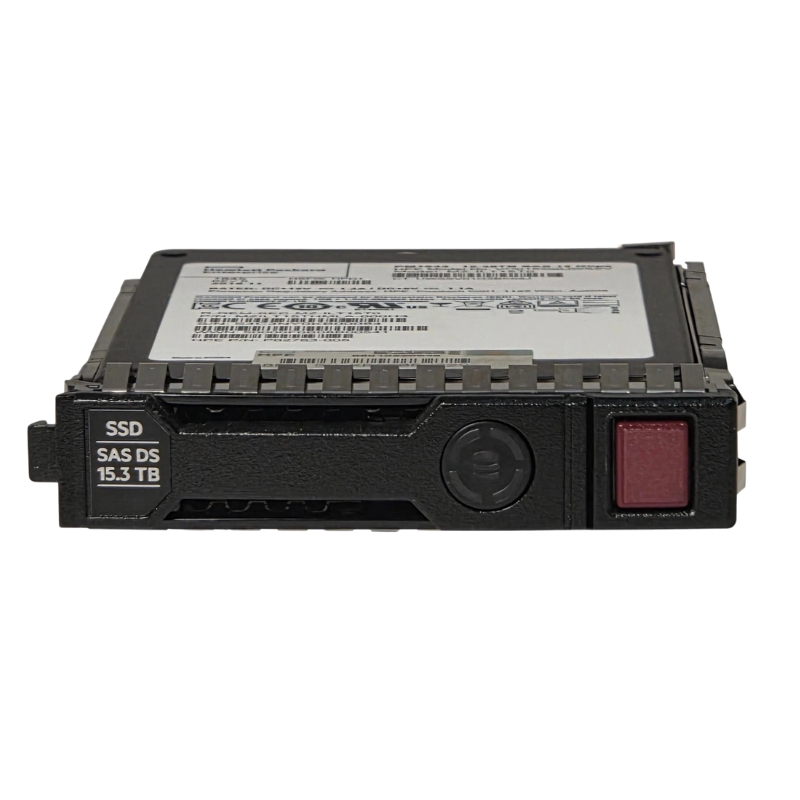


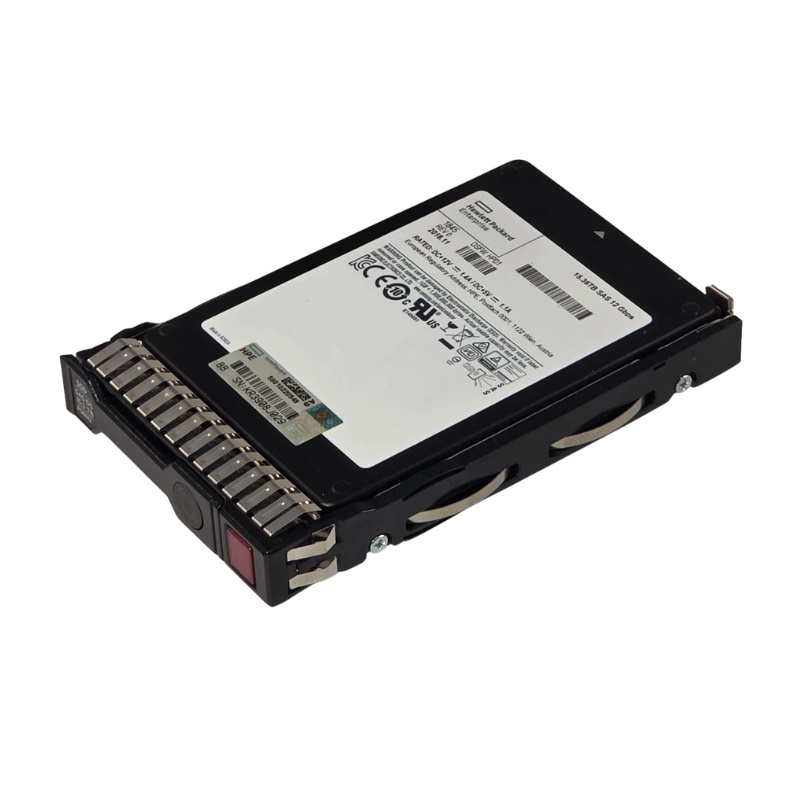
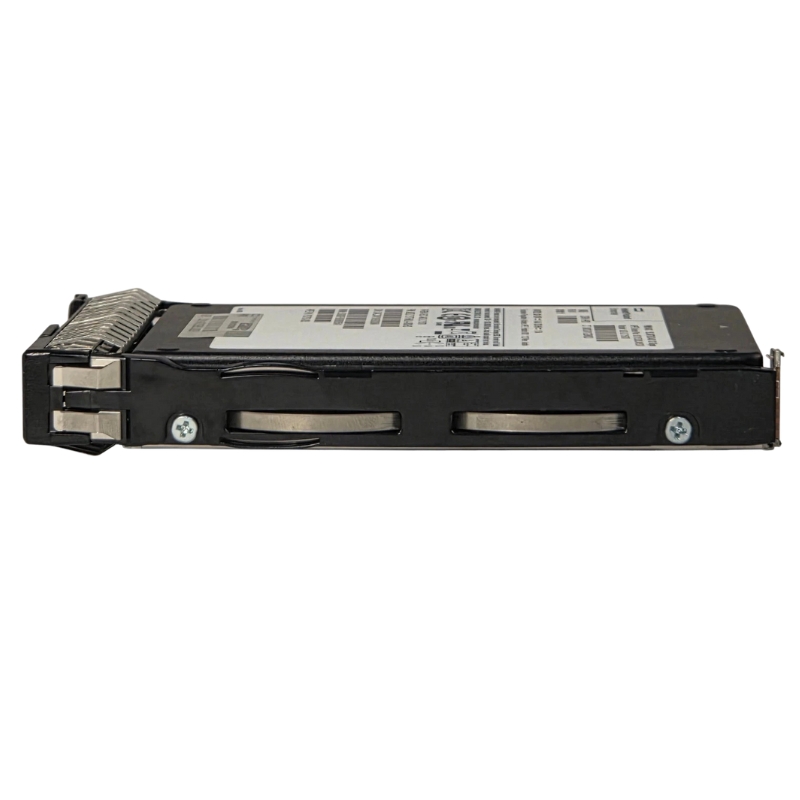
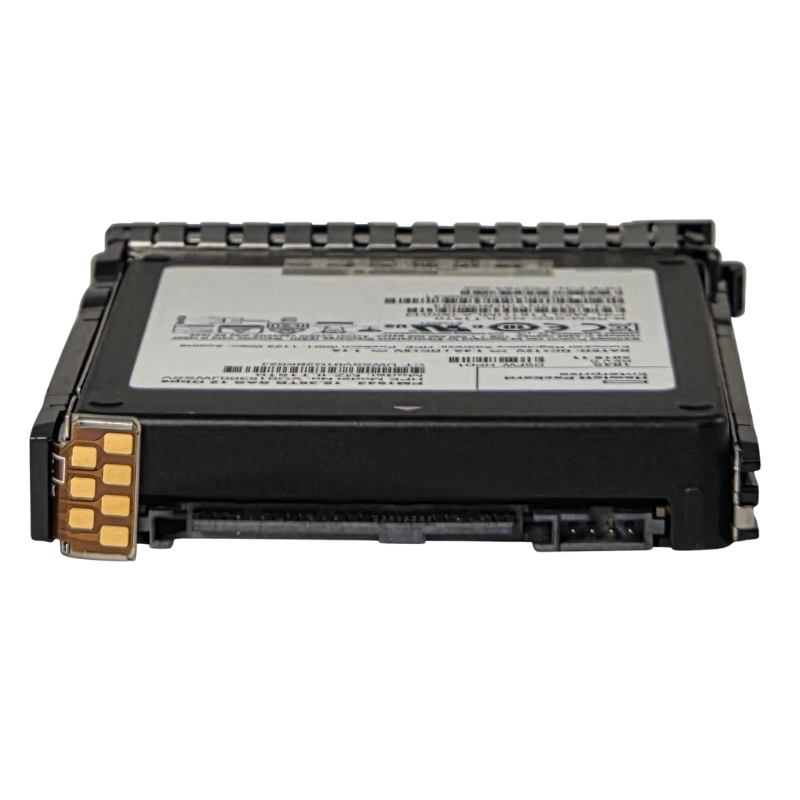
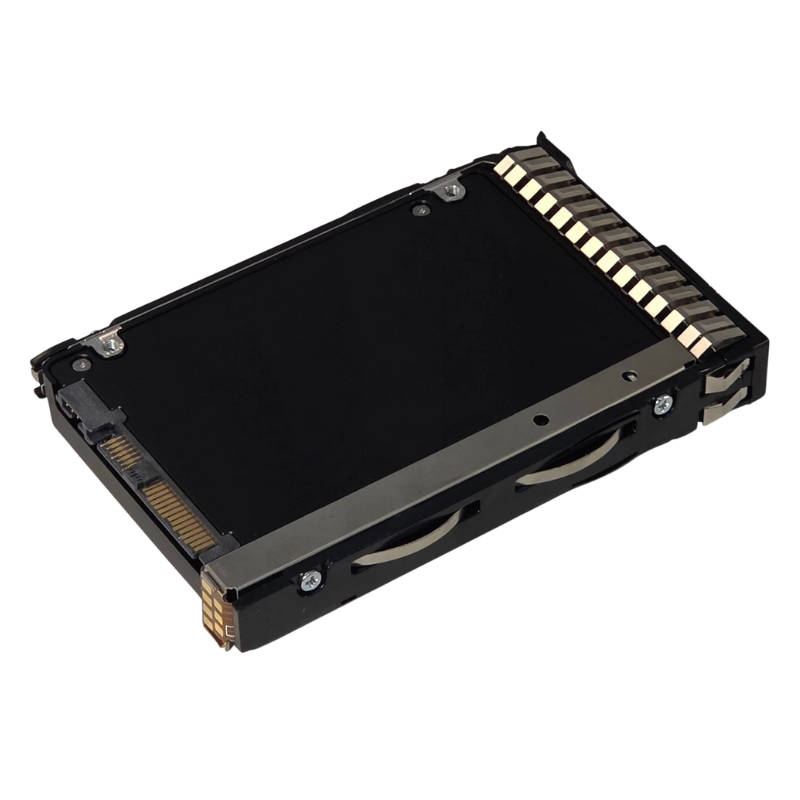
HPE S4R83A MSA 15.36TB SAS 12GBPS Read Intensive 2.5inch M2 FIPS Encrypted SSD. Factory-Sealed New in Original Box (FSB) with 3 Years Warranty - Call
The HPE S4R83A MSA 15.36TB SAS 12Gbps Read Intensive 2.5-inch M2 FIPS Encrypted SSD is a high-capacity solid-state drive engineered for enterprise-grade storage arrays. Designed for secure, reliable, and performance-driven workloads, this SSD ensures seamless integration with HPE MSA systems.
The HPE S4R83A MSA 15.36TB SAS 12Gbps Read Intensive 2.5-inch M2 FIPS Encrypted Solid State Drive represents a powerful and dependable storage solution engineered for organizations that demand consistent read performance, robust endurance, and strict data protection. This category of enterprise-grade SSDs focuses heavily on high reliability, secure data encryption, seamless scalability, and strong performance efficiency suited for mixed workloads. As modern data centers evolve, the importance of dependable SAS-based SSDs continues to grow, and this specific model aligns perfectly with environments requiring predictable data throughput, advanced security standards, and compatibility with HPE MSA storage arrays.
The 12Gbps SAS interface provides exceptional bandwidth and low-latency data transfer, enabling this SSD to support a broad range of enterprise workloads. This interface ensures stable and consistent performance even under heavy operational loads. The drive excels in applications where data reliability and sustained read speeds are essential. It is optimized for scenarios where businesses rely on continuous data access, such as virtual machine storage, enterprise databases, and large-scale data warehouses. With SAS architecture known for its dual-port support, organizations benefit from uninterrupted data access that enhances business continuity and operational dependability.
This category of storage devices focuses on maximizing performance for workloads dominated by frequent reading of data. Read intensive SSDs offer substantial capacity and long-term endurance ideal for environments where write operations occur less frequently but still require dependable durability. With its high capacity of 15.36TB, the HPE S4R83A provides expansive storage room that allows organizations to consolidate data and reduce hardware footprint. This leads to improved efficiency and reduced complexity within enterprise storage infrastructures.
Read intensive SSDs like the HPE S4R83A serve as the backbone of digital transformation strategies. As enterprises increasingly adopt virtualized infrastructures and cloud-driven architectures, the demand for stable, predictable read performance becomes critical. This drive is engineered to support frequent data retrieval with minimal latency, ensuring smooth access to applications, analytics systems, and real-time business operations.
Many business systems rely on read-heavy operations including indexing engines, business intelligence tools, and customer-facing platforms. This SSD caters to such demands, making it a suitable choice for enterprise environments seeking dependable speed and extended lifecycle longevity.
A key highlight of this category is the integration of advanced Federal Information Processing Standards (FIPS) encryption that secures sensitive data at rest. FIPS-certified drives are mandatory for industries that handle confidential or regulated information, including healthcare, finance, education, and government sectors. The built-in encryption capabilities ensure the data stored on the drive remains secure, tamper-proof, and compliant with strict regulatory frameworks. Hardware-level encryption is inherently more secure and offers performance advantages over software-based solutions because it does not require host system resources to encrypt or decrypt data.
By embedding encryption directly into the drive’s architecture, the HPE S4R83A helps organizations eliminate risks associated with unauthorized access. This design ensures data is safeguarded even if the drive is moved, removed, or repurposed. Enterprises gain confidence knowing their storage devices meet rigorous government-grade encryption standards.
Companies operating under strict compliance guidelines benefit from FIPS encryption because it simplifies audit preparation and ensures internal policies align with industry requirements. With built-in security, administrators can deploy the drive within sensitive environments without requiring additional layers of encryption or complex software configurations.
Although read intensive SSDs generally see fewer write cycles, enterprise environments still require drives that maintain performance consistency over long operational periods. The endurance-focused engineering of the HPE S4R83A ensures stable functioning, minimal latency degradation, and extended mean time between failures. High endurance is essential for environments that operate around the clock, such as data centers, hosted service providers, and enterprise computing infrastructures.
The long-term reliability of this SSD ensures that organizations can deploy it across demanding operational workloads without concern for unexpected downtime or performance loss. Enterprises benefit from reduced hardware maintenance and fewer replacement cycles, leading to cost savings and workflow consistency.
This category of SSDs is designed to operate efficiently within the thermal constraints of data center environments. Advanced thermal management technologies help maintain stable drive temperatures under persistent workloads, preventing performance throttling and reducing wear on internal components.
The HPE S4R83A SSD is specifically engineered for HPE Modular Smart Array (MSA) platforms. These storage arrays provide cost-effective performance for small-to-medium enterprises, remote offices, and departmental workloads. The drive seamlessly integrates into MSA architectures, enhancing performance, optimizing storage tiers, and supporting workloads such as SAN virtualization and business application hosting.
MSA storage arrays rely on high-performance drives to deliver reliable throughput and scalable capacity. This SSD enhances the efficiency of real-time data operations, allowing organizations to manage growing storage demands while ensuring predictable latency. Its compatibility ensures smooth deployment with no configuration complexities.
As enterprises expand their operations or grow their data footprints, MSA-compatible SSDs offer the flexibility to scale storage infrastructure without disruption. IT teams can expand capacity gradually, enabling predictable budget planning and smooth infrastructure evolution. The high-terabyte capacity of the HPE S4R83A reduces the number of drives needed, simplifying storage management.
The role of enterprise SSDs extends beyond raw performance. They are crucial components of scalable, efficient, and secure data ecosystems. This drive category supports digital modernization efforts by delivering high throughput, strong data integrity, and predictable performance within hybrid and on-premises storage environments.
As businesses transition toward dense virtualization stacks and hybrid cloud deployments, storage devices must offer stability and low latency. The SSD supports fast boot times, smooth VM migrations, and consistent application loading times. It ensures high-quality performance across virtual machines, containers, and cloud-integrated workloads.
Enterprise systems rely heavily on quick access to frequently used datasets. This SSD ensures applications remain responsive even as data volumes grow. It enables smooth user experiences for internal teams and customer-facing applications that depend on fast I/O operations.
At 15.36TB, this SSD provides substantial storage room for businesses with increasing data requirements. Large datasets can be managed efficiently, reducing the need for frequent data offloading or capacity upgrades. High-density SSDs are crucial for optimizing rack space, improving energy efficiency, and minimizing infrastructure complexity.
Consolidating storage resources reduces operational overhead, simplifies administrative tasks, and enhances overall efficiency. High-capacity read intensive SSDs support consolidation by enabling organizations to store more data within fewer physical drives. This results in reduced power consumption, lower cooling requirements, and improved data center sustainability.
Industries dealing with large-scale datasets benefit greatly from this drive’s capacity. Sectors such as artificial intelligence, analytics, digital media management, and cloud hosting can store extensive data archives without needing multiple storage arrays. Its ability to support structured and unstructured data makes it versatile across many applications.
One defining trait of this storage category is the ability to deliver consistent performance regardless of workload intensity. Stability in read speeds enables predictable application behavior, which is essential for operational planning, resource allocation, and performance tuning. Organizations can trust that applications will not suffer from unpredictable performance dips, even during periods of heavy data access.
Low-latency access is vital for time-sensitive workloads such as financial transactions, customer service systems, supply chain platforms, and real-time analytics. The SSD ensures these operations remain unhindered by storage bottlenecks, contributing to smoother workflow execution and enhanced organizational efficiency.
Data analytics is an increasingly important part of enterprise operations. Fast access to stored data ensures analytical engines, machine learning models, and business intelligence systems operate effectively. The drive’s read optimized design ensures rapid retrieval of large datasets without overwhelming system resources.


 Contact Us
 Information
 Catalog
 Solid State Drives (SSD)
 Network Switches
 Hard Disk Drives
 HBA & Controllers
 PC & Servers
 PC & Server Memory
 CPU & Processors
 Network Routers
 Power Supplies
 Tape Drives & Libraries
 Network Devices
 Computer & Network Cables