(7% discount is applied at checkout)
Cart is empty
Your go-to destination for cutting-edge server products
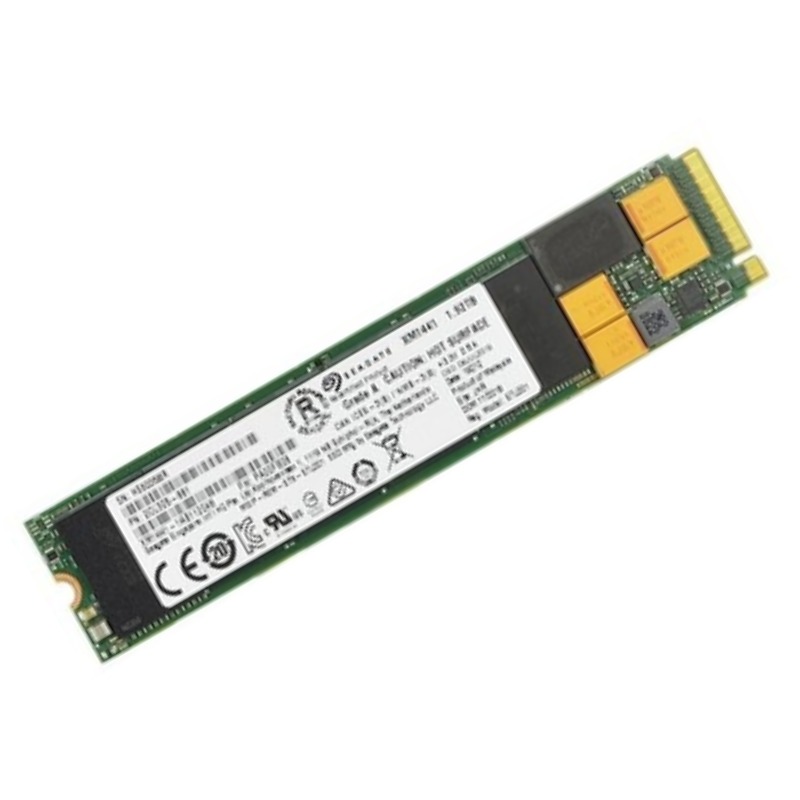


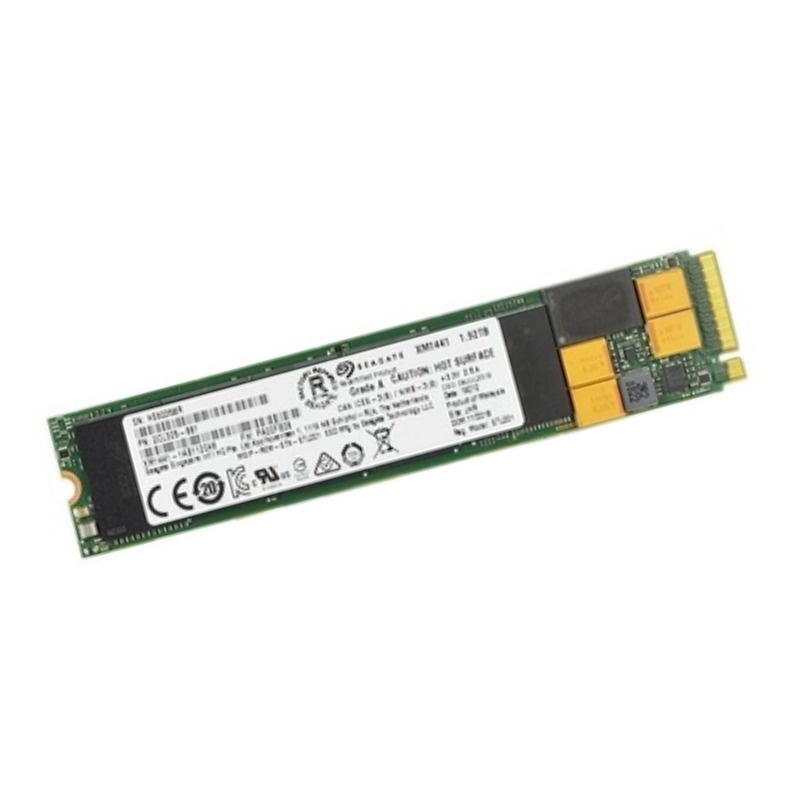
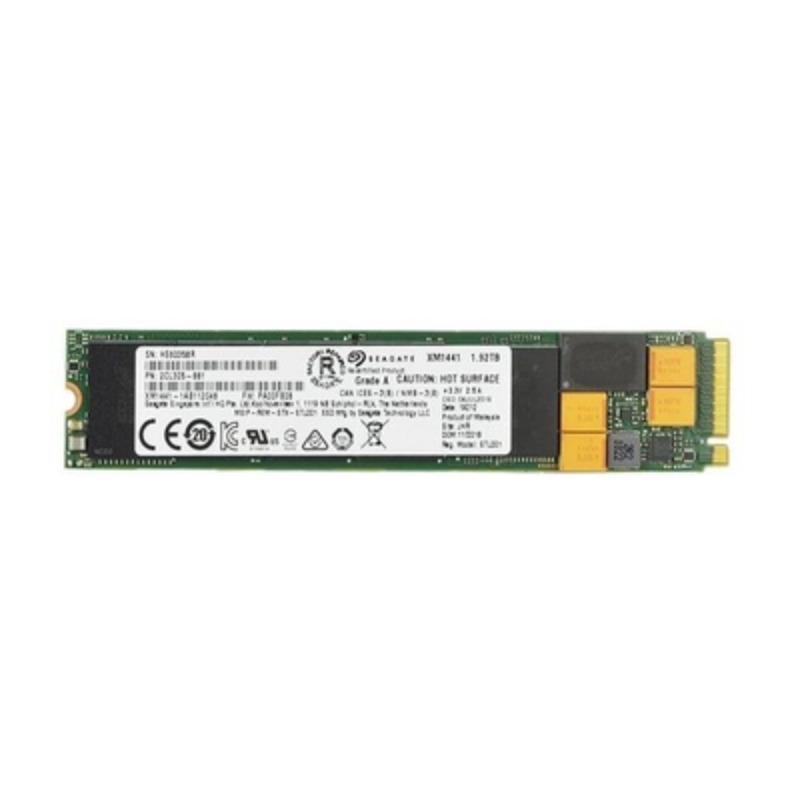
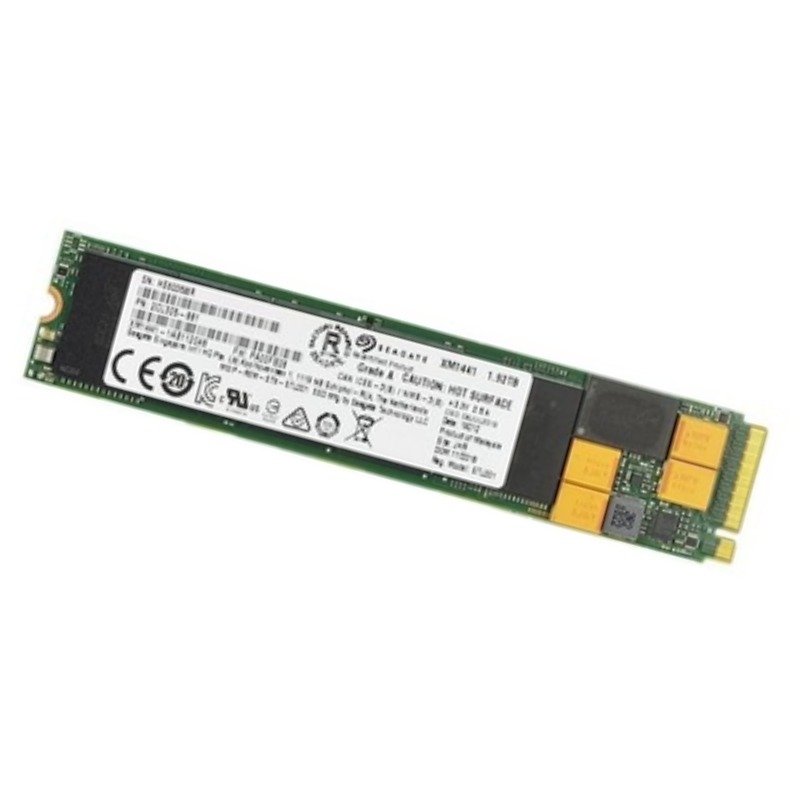
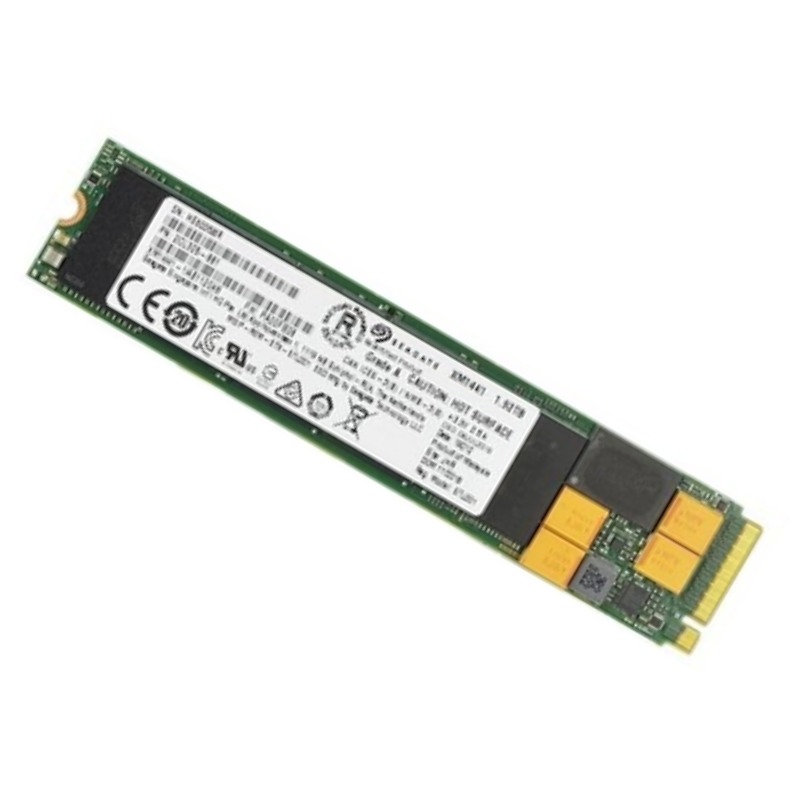
Seagate XM1441-1AB112048 Nytro Xm1440 1.92TB M.2 22110 PCI Express 3.0 X4 (nvme) EMLC SSD. New Sealed in Box (NIB) with 3 years Replacement Warranty
The Seagate Nytro XM1440 series delivers robust enterprise-class solid-state storage designed for sustained performance, reliability, and low-latency workloads. Built on advanced eMLC NAND and engineered in an extended M.2 22110 format, this drive is ideal for data centers, virtualized environments, and intensive applications that require unwavering speed and resilience.
The Seagate XM1441-1AB112048 Nytro XM1440 1.92TB M.2 22110 PCI Express 3.0 x4 NVMe eMLC internal solid state drive belongs to a specialized class of enterprise-grade storage products designed for intensive workloads, sustained throughput, and long-term reliability. This category of SSDs focuses on providing exceptional endurance, consistent latency, and high-bandwidth performance for professional environments such as data centers, server clusters, virtualization workloads, and mission-critical computing systems. Unlike standard consumer SSDs, the drives in this category utilize enterprise multi-level cell (eMLC) NAND technology, advanced firmware, power-loss protection features, and a streamlined M.2 22110 form factor tailored to high-density server builds.
SSDs within this category are engineered to maintain predictable behavior under constant write pressure and read-intensive operations, making them ideal for enterprise databases, distributed computing nodes, AI inference servers, and scalable storage platforms. Their NVMe over PCI Express 3.0 x4 interface provides far greater bandwidth compared to SATA-based SSDs, allowing organizations to handle more transactions per second while lowering latency and reducing performance bottlenecks. The Seagate Nytro XM1440 1.92TB model exemplifies these advantages through its optimized controller, secure data-path features, and long-lasting NAND structure.
Enterprise-class NVMe SSDs in the Seagate Nytro XM1440 category prioritize durability, airflow-efficient mechanics, and low power consumption, all within the elongated M.2 22110 form factor. At 22mm wide and 110mm long, the 22110 size provides more board area for additional NAND packages, capacitors, and advanced controllers compared to shorter consumer-oriented options. This expanded PCB real estate makes room for power-loss protection circuitry, which helps safeguard in-flight data during sudden outages by flushing volatile cache contents to stable NAND storage.
The eMLC NAND technology implemented in this category is built for higher write endurance than typical TLC or QLC NAND designs. Enterprise MLC cells tolerate significantly more program/erase cycles, ensuring the drive can handle continuous writes associated with logging systems, virtualization layers, and high-frequency transactional tasks. Combined with precise thermal throttling algorithms, robust wear-leveling routines, and heat-dissipating PCB materials, the category’s engineering framework supports multi-year reliability in demanding server infrastructures.
The NVMe protocol itself is central to the engineering philosophy of this product group. Unlike AHCI, which was developed with spinning hard disks in mind, NVMe is built around parallelism, queue depths, and flash-optimized command sets. By relying on PCI Express lanes for direct CPU communication, NVMe SSDs in this category have lower latency and higher throughput thanks to minimized command overhead and greater I/O channel efficiency. The Seagate XM1441-1AB112048 leverages PCIe 3.0 x4 connectivity to provide consistent, high-speed operations that align with enterprise performance expectations.
High-performance NVMe drives like the Seagate Nytro XM1440 series excel at delivering sustained throughput, predictable latency, and competitive IOPS even under heavy I/O loads. This category emphasizes balanced read/write behavior and consistent transfer rates instead of short-lived peak speeds. Where consumer SSDs often advertise burst performance numbers that drop during extended operations, enterprise eMLC NVMe drives maintain stable I/O results through enhanced controller logic, large over-provisioning allotments, and finely-tuned internal firmware.
The drives in this performance subcategory commonly provide input/output operations per second counts that far exceed SATA SSDs and significantly surpass older generation M.2 drives. Their ability to handle simultaneous parallel commands through multiple queues ensures that data centers, cloud applications, virtual machines, and multi-user systems operate smoothly even when handling intensive database calls, indexing operations, or real-time analytics. The Seagate XM1441-1AB112048 model reflects these attributes by delivering low latency consistency—critical for workloads sensitive to jitter or micro-delays.
Sustained write speed performance is another cornerstone of this category. Thanks to eMLC NAND and efficient thermal dissipation in the 22110 form factor, drives in this category can endure constant sequential writes without throttling prematurely. Their firmware actively balances heat generation and power draw, enabling reliable operation in compact server chassis or blade servers. As a result, the category is well-suited for operational logging, content creation pipelines, high-speed caching layers, and real-time ingest systems.
Additionally, the optimized queue management capabilities in these drives help minimize latency spikes. The NVMe protocol, paired with Seagate’s enterprise-grade controller technologies, ensures that random read and write tasks do not obstruct sequential operations. This careful command distribution results in stable multi-stream performance. For data-driven organizations, this means enterprise NVMe drives in this class can maintain dependable throughput during heavy concurrent activity across various applications.
Reliability is the central mission of enterprise SSD categories like the Seagate XM1441-1AB112048 Nytro XM1440 1.92TB. With eMLC NAND at its core, the drive offers substantially higher endurance ratings compared to mainstream triple-level or quad-level cell NAND platforms. eMLC stores fewer bits per cell, reducing electrical interference and improving signal stability. This, combined with robust error correction codes (ECC), dramatically extends the usable lifespan of the SSD in high-write environments.
Furthermore, this category integrates advanced data integrity tools such as end-to-end data protection. This ensures that bits transferred between the host and the NAND are verified for accuracy at every step, preventing silent data corruption—a crucial capability for enterprise applications where data consistency cannot be compromised. Many models in this category also feature die-level parity, background scrubbing processes, and firmware-based redundancy methods to protect against NAND failures.
Power-loss protection capacitors are another defining characteristic of this category. These capacitors supply temporary emergency power during unexpected shutdowns, giving the SSD enough time to save unwritten cache data to permanent storage. Without such protection, volatile data in DRAM would be lost, potentially corrupting databases or transaction logs. By incorporating power-loss protection, the Seagate Nytro XM1440 class provides a safety net for mission-critical operations.
Wear-leveling algorithms play an equally important role. By distributing write cycles evenly across NAND blocks, the drive maximizes its endurance rating and reduces the likelihood of premature cell failures. In addition, thermal monitoring sensors continuously regulate operating temperatures, preventing overheating and ensuring predictable longevity. These reliability measures collectively define the enterprise-grade storage category, making the Seagate XM1441-1AB112048 a dependable component for server administrators and IT architects.
The enterprise NVMe M.2 22110 eMLC storage category is widely adopted across data centers, cloud computing platforms, virtualization hosts, edge computing clusters, and high-performance workstations. The Seagate Nytro XM1440 1.92TB SSD is tuned to thrive in workloads that demand high IOPS and consistent performance without the risk of unexpected throttling. This includes real-time transaction processing, log analytics, AI/ML inference pipelines, data indexing operations, and multi-tenant virtual machine environments.
Database servers, including SQL, NoSQL, and distributed database architectures, benefit greatly from the predictable latency and durability of enterprise NVMe SSDs. The ability to sustain high random read and write rates ensures that database queries return results quickly, supporting intensive online transaction processing systems. Systems such as Hadoop, Spark, and ElasticSearch also leverage the strengths of this category to speed up big data analytics across large datasets.
In content creation and media environments, these drives excel at handling high-resolution video editing, real-time media ingest, and multi-stream video production workflows that demand reliable sequential performance. Their ability to maintain stable bandwidth without sudden drops makes them a preferred choice for creative professionals who rely on consistent storage throughput.
Virtualization platforms—such as VMware, Hyper-V, and KVM—also make extensive use of enterprise eMLC NVMe M.2 drives due to their durability and sustained performance. Hosting multiple virtual machines requires robust I/O isolation to prevent one workload from degrading the performance of another. NVMe drives in this category provide the necessary queue management and throughput to support complex virtualized systems without compromising stability.
The Seagate XM1441-1AB112048 and similar enterprise NVMe M.2 22110 SSDs support seamless integration with servers, workstations, and specialty computing platforms that include M.2 sockets supporting PCIe 3.0 x4 NVMe drives. Many modern server motherboards and storage expansion boards allow direct installation of M.2 22110 devices, enabling high-density storage arrays without consuming full PCIe slots or drive bays. This form factor helps organizations maximize storage capacity within space-restricted chassis designs.
Because this category uniformly relies on NVMe standards, compatibility with major operating systems—including Linux distributions, Windows Server, VMware ESXi, and BSD variants—is predictable and reliable. NVMe standardization ensures that enterprise systems can detect, manage, and monitor the drive effectively. SMART monitoring, error logs, temperature readings, and endurance metrics are available for integration into IT monitoring dashboards.
For organizations building custom servers or integrating equipment into large-scale data centers, the M.2 22110 NVMe format reduces cabling complexity and improves airflow. These drives sit directly on the motherboard or expansion card and do not require separate power connectors. This streamlined architecture is beneficial for reducing maintenance requirements and simplifying replacement workflows in enterprise racks or cloud infrastructure setups.
The eMLC NVMe M.2 22110 subcategory offers numerous advantages over consumer-oriented SSD types. First and foremost is endurance. Enterprise MLC NAND provides vastly higher program/erase cycle tolerance, making it suitable for write-heavy workloads that consumer TLC or QLC drives cannot sustain over the long term. This inherent durability is crucial for organizations seeking stable performance across constant data-processing tasks.
Another major advantage is consistent I/O behavior. NVMe drives in this category provide stable, predictable throughput, even during periods of high demand. Data centers cannot afford sudden performance drops or thermal throttling, and the engineering behind these drives ensures that operations remain smooth and uninterrupted.
Thermal efficiency also plays a significant role. The elongated 22110 form factor enhances heat distribution and allows for improved power circuitry placement. This design reduces overheating risks and enhances the reliability of the drive even in tightly packed server environments with sustained high workloads.
Additionally, the subcategory offers extensive monitoring and telemetry options. Enterprise firmware allows IT administrators to track operational statistics, endurance, error rates, temperature trends, and overall drive health in real time. These features empower organizations to schedule proactive maintenance, analyze usage patterns, and optimize system performance.
Within the enterprise NVMe category, the Seagate XM1441-1AB112048 Nytro XM1440 1.92TB drive distinguishes itself through its combination of eMLC durability, optimized NVMe architecture, and robust data protection features. Seagate has a long-standing reputation for creating reliable enterprise storage products, and the Nytro series follows this tradition by offering long lifetime ratings, secure firmware, and a balanced performance profile suitable for a wide range of workloads.
The drive’s attention to consistent latency makes it a strong candidate for sensitive applications requiring predictable behavior. Its comprehensive error correction, data-integrity checks, thermal safeguards, and power-loss protection reinforce its position as a dependable solution for systems that cannot risk data loss or performance instability.
In multi-drive configurations, such as those used in scalable data platforms, the Nytro XM1440 series offers low-latency response times that help maintain application speed across distributed systems. When deployed in clusters, these drives maintain synchronized performance levels that benefit file servers, cloud gateways, and containerized environments.
Storage administrators evaluating this category should note the importance of the 22110 form factor for large-capacity enterprise drives. The additional PCB length not only accommodates more NAND packages but also supports more complex power and signal routing. These engineering optimizations help reduce electrical noise, improve NAND longevity, and reinforce overall drive stability in multi-host or high-workload environments.
The NVMe protocol’s efficient command architecture—built on non-volatile memory principles rather than legacy spinning-disk design—supports up to thousands of simultaneous command queues, each capable of handling multiple entries. Enterprise drives in this category leverage this capability to optimize parallelism across workloads. This ensures that even during peak utilization periods, data requests are handled swiftly and efficiently.
The Seagate Nytro XM1440 1.92TB drive and its category peers also feature enhanced firmware algorithms that prioritize long-term endurance. These include garbage collection routines that operate in the background to maintain consistent write speed, advanced mapping tables that reduce latency, and block-management strategies that avoid unnecessary program/erase cycles. Collectively, these internal mechanisms form the backbone of enterprise reliability.
Another noteworthy element of this category is its role in hybrid storage architectures. Many data centers combine enterprise NVMe SSDs with slower tiered storage solutions to create a balanced, cost-efficient system. The high-speed NVMe drives act as a serialization point for frequent transactions, caching, or metadata access, while bulk storage systems handle archival data. Because the Seagate XM1441-1AB112048 supports high durability and consistent speeds, it integrates effectively into these tiered architectures.
As computational workloads continue to increase in complexity—particularly with AI, machine learning, and real-time analytics—the adoption of enterprise-grade NVMe storage categories like this one will only expand. Their ability to offer extremely low queue latency and sustained throughput gives organizations an advantage in scaling data pipelines and optimizing application responsiveness.
These drives also play an essential role in edge computing, where space constraints and performance demands intersect. Ruggedized server appliances and remote edge nodes rely on compact, high-performance SSDs to manage localized data processing before sending results to central data centers. The small footprint and robust architecture of the Seagate Nytro XM1440 series make it a strong candidate for these distributed deployments.
Administrators will also appreciate the predictable thermal characteristics of this category, which is crucial when stacking multiple M.2 devices within the same chassis. Heat buildup can degrade NAND over time, but enterprise designs like the Nytro XM1440 series include temperature-regulated firmware throttling to protect the drive while maintaining operational consistency. Combined with carefully arranged NAND placement and power circuitry, these thermal safeguards enhance the long-term viability of the storage array.
Lastly, the category’s strong emphasis on input/output consistency benefits multi-tenant cloud environments where resources must remain fairly allocated. Enterprise NVMe drives help enforce quality-of-service standards by minimizing performance variability and ensuring that demanding tasks do not monopolize system throughput. This guarantees that all virtual machines or containers receive the performance they require without unexpected bottlenecks.
Overall, the Seagate XM1441-1AB112048 Nytro XM1440 1.92TB NVMe SSD category emphasizes stability, durability, and professional-grade performance. By leveraging eMLC NAND, a robust NVMe architecture, and the versatile M.2 22110 form factor, this category addresses the demanding needs of IT departments operating large systems, handling constant workloads, or supporting latency-critical applications. Each component—from firmware to NAND layout—reflects enterprise-level engineering aimed at reducing downtime, improving reliability, and supporting multi-year deployment plans.
Whether installed in power-dense data centers, performance-driven workstations, virtualization clusters, cloud platforms, or high-efficiency edge systems, the drives in this category deliver the secure, high-throughput environment required to tackle modern computing challenges. With consistent operation, robust data-integrity mechanisms, and long-standing endurance, they serve as a foundational layer for storage infrastructure across industries.


 Contact Us
 Information
 Catalog
 Solid State Drives (SSD)
 Network Switches
 Hard Disk Drives
 HBA & Controllers
 PC & Servers
 PC & Server Memory
 CPU & Processors
 Network Routers
 Power Supplies
 Tape Drives & Libraries
 Network Devices
 Computer & Network Cables