(7% discount is applied at checkout)
Cart is empty
Your go-to destination for cutting-edge server products
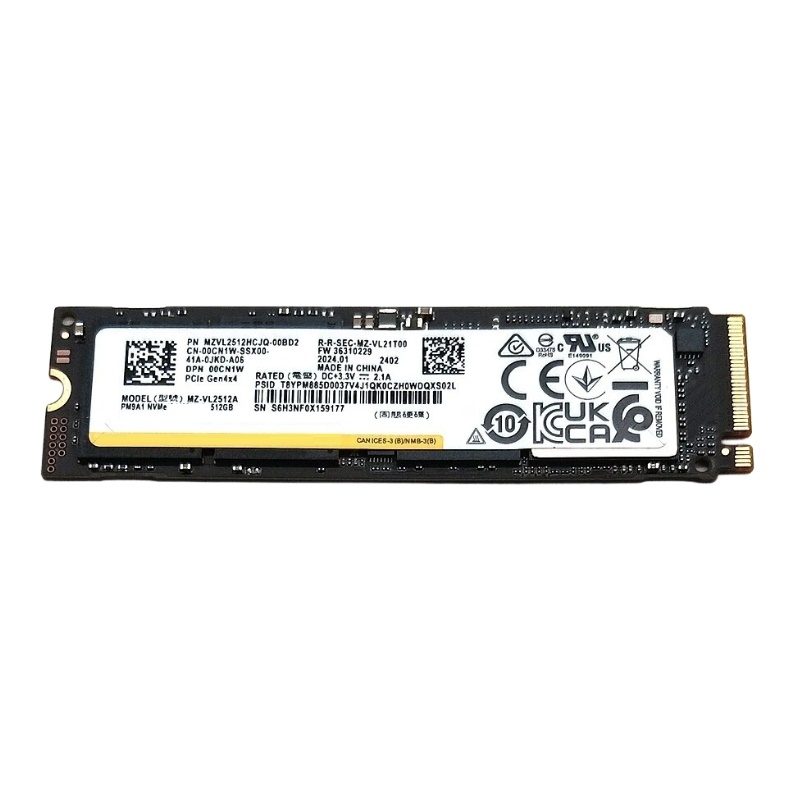


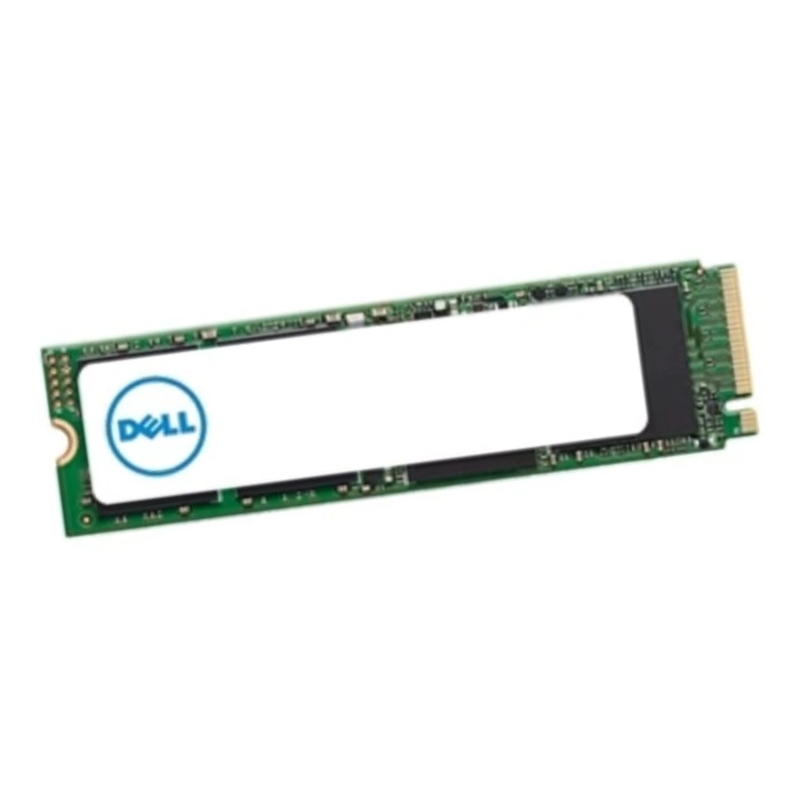
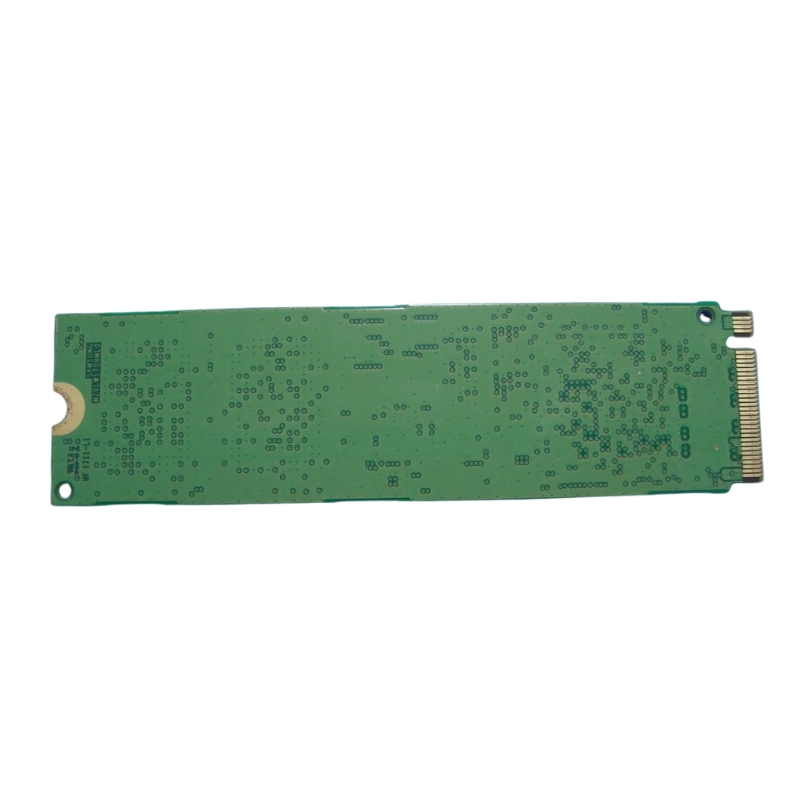
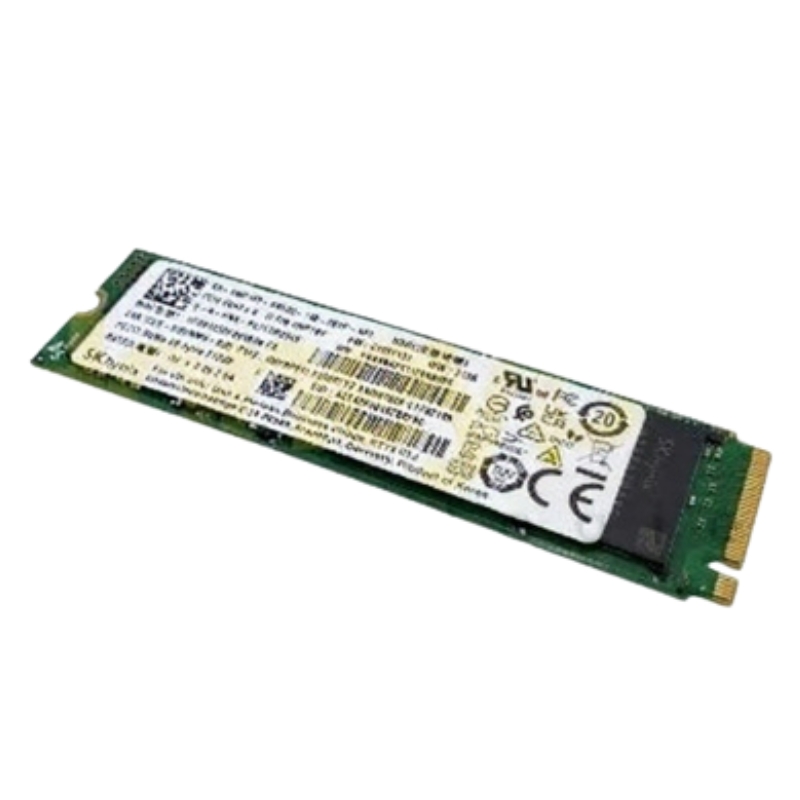
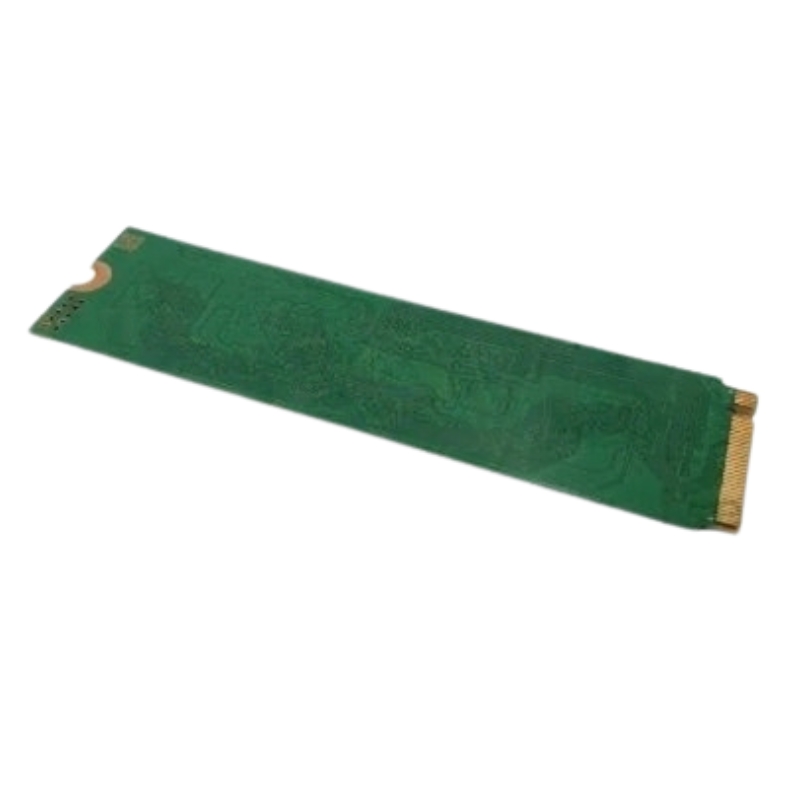
Dell YFVJX 512GB M.2 NVMe PCIe 4.0 X4 Solid State Drive. New Sealed in Box (NIB) with 1 Year Replacement Warranty
The Dell YFVJX 512GB M.2 NVMe SSD is engineered to deliver ultra-fast data access, exceptional stability, and premium responsiveness for enterprise and professional workloads. With its PCIe 4.0 x4 interface and compact M.2 design, it ensures seamless integration into next-gen servers and performance-driven systems.
The Dell YFVJX 512GB M.2 NVMe PCIe 4.0 x4 Solid State Drive belongs to a category of ultra-high-performance enterprise and professional-grade flash storage devices engineered to meet the increasingly demanding requirements of modern computing environments. This category centers on compact M.2 form factor SSDs designed for use in next-generation workstations, servers, engineering systems, embedded platforms, virtualization hosts, development labs, and performance-critical enterprise desktops. By leveraging the PCIe 4.0 interface and NVMe protocol, these drives deliver massive improvements in sequential read and write performance, significantly reduced latency, and increased efficiency across various workloads.
The NVMe storage category has transformed the performance expectations of modern computing systems by providing faster access pathways between storage devices and system processors. The Dell YFVJX exemplifies this evolution with support for PCIe 4.0 x4 bandwidth, enabling upward of twice the throughput compared to PCIe 3.0 drives. The M.2 form factor enables a compact footprint, eliminating the need for traditional drive bays or SATA cables. This enhances airflow, reduces power consumption, and supports the dense placement of storage devices in modern systems. The NVMe protocol further optimizes communication between SSD controllers and CPUs by reducing latency, increasing IOPS, and benefiting multicore processors. The category is defined by exceptionally high performance, quick boot times, faster application loading, and improved system responsiveness across a wide range of software environments.
PCIe 4.0 technology doubles the bandwidth available to each lane compared to PCIe 3.0. This increased throughput provides faster sequential read and write performance, essential for heavy workloads such as 4K and 8K media editing, scientific calculations, AI model training, high-speed data transfers, container orchestration, and database indexing. With four PCIe lanes dedicated to the drive, the Dell YFVJX has a direct communication path capable of achieving exceptional data transfer speeds. The category benefits from significantly improved system performance, more responsive multitasking, and fewer storage bottlenecks.
The NVMe protocol introduces numerous innovation layers focused on maximizing solid-state storage potential by leveraging parallelism and reducing overhead. NVMe allows drives like the Dell YFVJX to handle multiple queues simultaneously, significantly outperforming the SATA protocol, which is restricted to a single command queue with limited depth. NVMe’s efficient command structure enables faster access to stored information, more effective workload distribution, and improved overall responsiveness. These benefits are particularly noticeable in professional and enterprise settings where large datasets, high request counts, and low-latency operation are required.
The 512GB capacity tier is an ideal middle ground between cost efficiency and high-performance storage requirements. This category supports diverse use cases, ranging from operating system installations and application hosting to workspace caching, virtual machine storage, and hybrid cloud workloads. The 512GB tier is frequently chosen for systems requiring reliable local storage without the cost overhead of larger capacity drives. It accommodates operating systems like Windows, Linux, and VMware ESXi with ample space for productivity suites, development tools, engineering software, analytics platforms, and creative applications.
The capacity and speed of the Dell YFVJX enable rapid OS installation, fast system booting, and immediate availability of applications after startup. Systems utilizing this drive benefit from reduced loading times, smoother updates, and improved system stability. The category is particularly beneficial for laptops, mobile workstations, and compact desktops where both space and performance are prioritized.
The 512GB category supports balanced workload environments such as office productivity, virtualization hosts running a small collection of VMs, and local storage for frequently accessed project files. The NVMe architecture ensures that read and write operations happen quickly even during simultaneous I/O tasks. This makes the category ideal for engineering teams, software developers, data analysts, and creative professionals who rely on fast-access local storage.
The combination of adequate capacity and NVMe speed enhances reliability in professional systems, enabling efficient caching, robust multitasking, and consistent performance under continuous workloads. This contributes to long-term device stability and seamless operation of complex software environments.
The M.2 form factor is a key component of this storage category, designed to maximize performance while minimizing space requirements. M.2 drives like the Dell YFVJX provide a slim, lightweight design ideal for compact systems. The form factor supports various lengths, but the category commonly aligns with the 2280 standard, balancing performance, capacity, and structural rigidity. The compact nature of these drives allows them to fit directly onto the motherboard, reducing the need for cables and contributing to improved airflow and thermal management.
By connecting directly to the motherboard, M.2 NVMe SSDs reduce latency and increase overall efficiency. This streamlined design eliminates traditional SATA limitations and improves the speed of data communication. It also enhances aesthetics and simplifies cable management within systems.
Naturally, the smaller size and high performance of M.2 NVMe drives can lead to increased thermal output. The category addresses this through thermal throttling mechanisms, optimized firmware, and support for heat spreaders or heatsinks. Dell’s integration ensures stable performance under sustained workloads by managing heat dissipation effectively.
The Dell YFVJX supports a performance category that emphasizes rapid data throughput, efficient I/O handling, and consistent responsiveness across diverse professional workflows. PCIe 4.0 NVMe SSDs reduce loading times, improve application responsiveness, and support better stability during data-intensive tasks.
The NVMe architecture allows for exceptionally fast sequential data transfers and optimized random access speeds. This reduces waiting times when opening large projects, switching between applications, or working with datasets that require continuous read/write operations. The category excels at managing both large file transfers and small transactional I/O, making it versatile across industries.
Traditional storage technologies often create bottlenecks when system components operate faster than the storage can respond. NVMe eliminates many of these delays by aligning storage performance more closely with CPU and RAM capabilities. This synergy enhances the productivity of systems that rely on fast storage, ensuring smoother workflows from boot to shutdown.
The reduced latency associated with NVMe storage significantly improves tasks requiring frequent access to stored data. Database queries, compilation processes, and data modeling tasks complete faster, contributing directly to improved operational efficiency and workflow fluidity.
The Dell YFVJX 512GB M.2 NVMe PCIe 4.0 x4 SSD fits into a category that supports a wide range of application-specific workloads across enterprise, creative, scientific, and development environments. These applications rely heavily on performance, reliability, and efficient data access.
Developers benefit from faster code compilation, smoother virtualization environments, and reduced wait times during large-scale repository interactions. Engineering applications such as CAD, CAM, and simulation tools also see improved responsiveness when paired with high-speed NVMe storage.
Creators working with high-resolution video, photography, and design software require storage that can handle large files quickly. NVMe drives reduce loading times and support faster rendering and export processes. This enables content teams to manage deadlines more efficiently and ensure high production quality.
Analysts and virtualization administrators rely on storage capable of supporting multiple simultaneous workloads. NVMe SSDs enable faster data querying, improved virtual machine responsiveness, and greater overall system stability. This allows for quicker insights and more agile data operations.
This storage category also emphasizes reliability and endurance, supporting workloads that demand long-term stability. Although the Dell YFVJX belongs to the 512GB tier, it includes enterprise-level reliability features such as advanced error correction, optimized wear-leveling, and power loss protection mechanisms.
ECC algorithms ensure that data remains accurate and corruption-free, even during heavy workloads or extended system usage. This feature is essential in enterprise environments where data accuracy is mission-critical.
Wear-leveling algorithms distribute write operations evenly across the drive’s memory cells, prolonging the lifespan of the SSD. This category maintains durability even under consistent operation, supporting extended enterprise deployments.
To maintain system stability during unexpected shutdowns, NVMe drives include firmware-level protection to preserve critical data. This ensures that files, applications, and system states remain intact even under adverse conditions.
The Dell YFVJX integrates seamlessly with a wide array of Dell systems, including PowerEdge servers, Precision workstations, OptiPlex desktops, Latitude laptops, and mobile workstation configurations. The category supports automatic firmware recognition, BIOS-level optimization, and maximum performance tuning when installed in compatible Dell hardware.
Dell systems typically include optimized BIOS configurations that ensure NVMe drives are recognized instantly and operate at peak performance. This reduces installation complexity and ensures compatibility with various enterprise operating systems.
Some Dell platforms support multiple M.2 slots, enabling high-speed storage arrays or independent storage partitions for different workloads. The category benefits from these configurations, increasing overall storage flexibility.
Dell’s ecosystem is built with future-proofing in mind, ensuring that NVMe drives can remain relevant even as new software and hardware emerge. This enhances return on investment and simplifies long-term maintenance planning.
Manufacturers integrate thermal sensors and throttling controls to prevent overheating. Dell systems often include pre-installed heatsinks or airflow pathways to ensure that drives like the YFVJX maintain consistent speeds under stress.
The category ensures that performance does not degrade during long sessions of file transfers, rendering, data analysis, or virtualization workloads.
The category of 512GB NVMe PCIe 4.0 drives is widely used in enterprise deployments that require reliable local storage with maximum responsiveness. Deployment strategies include using these drives as OS boot devices, caching layers, virtualization storage tiers, and application acceleration devices.
Installing an operating system on a NVMe drive leads to significantly faster startup, shutdown, and system restoration times. This benefit contributes to greater productivity across enterprise fleets.
NVMe drives can be deployed as cache layers within hybrid storage environments, accelerating access to frequently used data.
Performance-critical applications benefit directly from the speed and efficiency of NVMe storage, allowing teams to operate more efficiently and reliably.


 Contact Us
 Information
 Catalog
 Solid State Drives (SSD)
 Network Switches
 Hard Disk Drives
 HBA & Controllers
 PC & Servers
 PC & Server Memory
 CPU & Processors
 Network Routers
 Power Supplies
 Tape Drives & Libraries
 Network Devices
 Computer & Network Cables