(7% discount is applied at checkout)
Cart is empty
Your go-to destination for cutting-edge server products
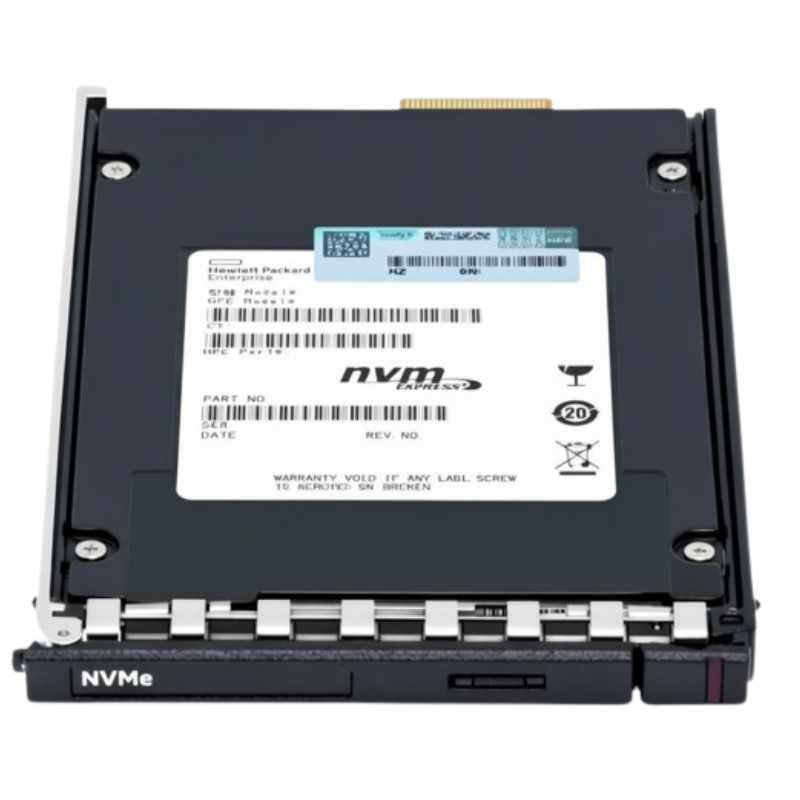


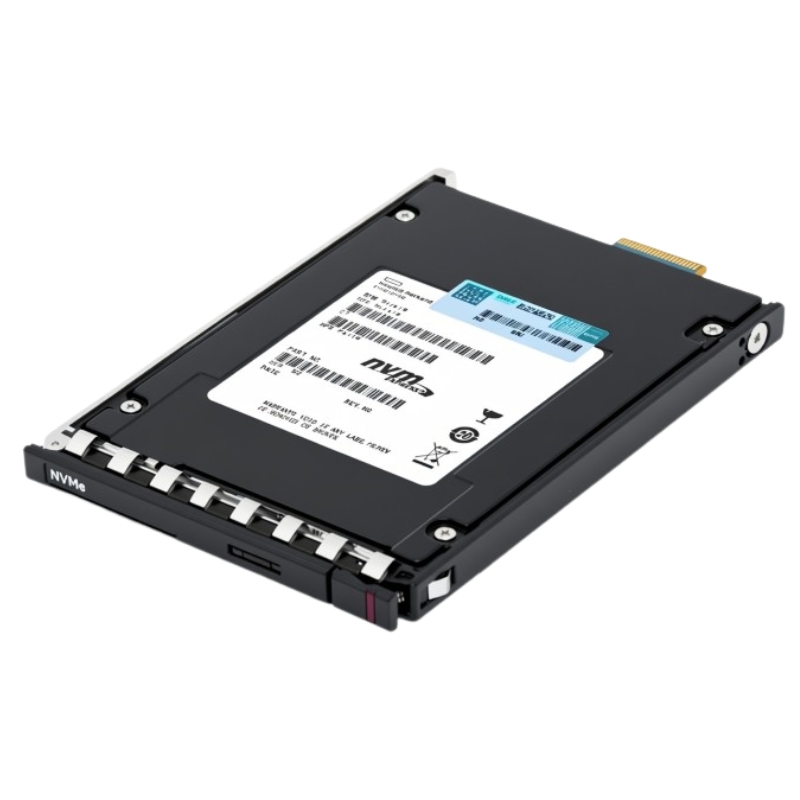
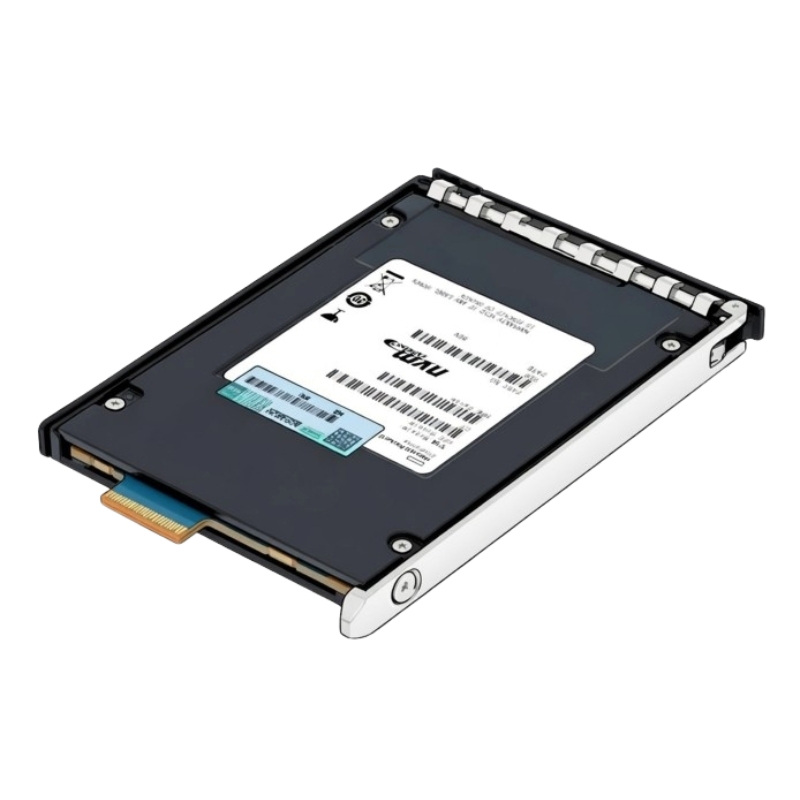
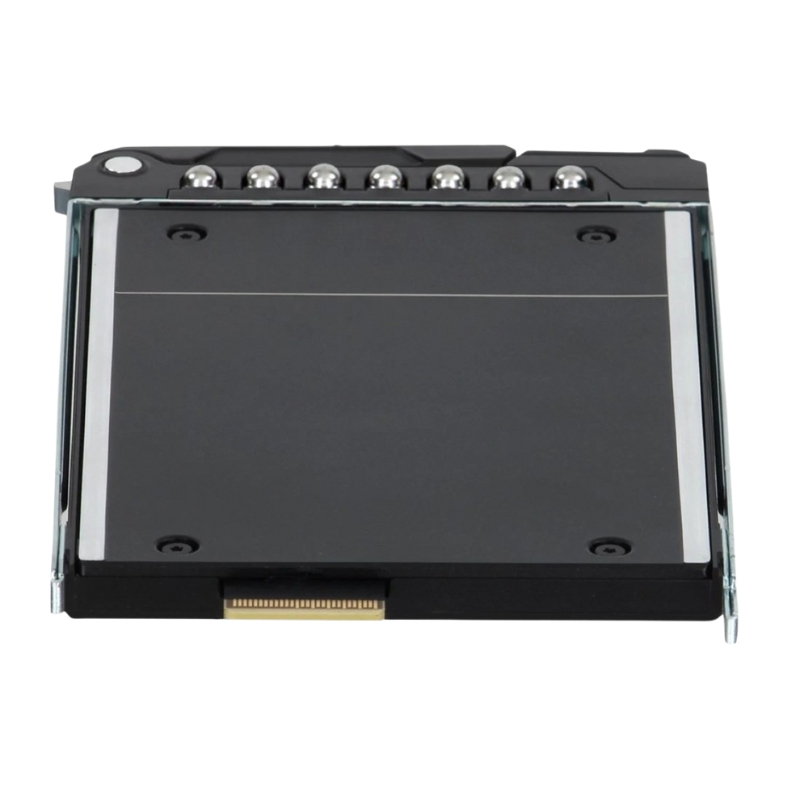
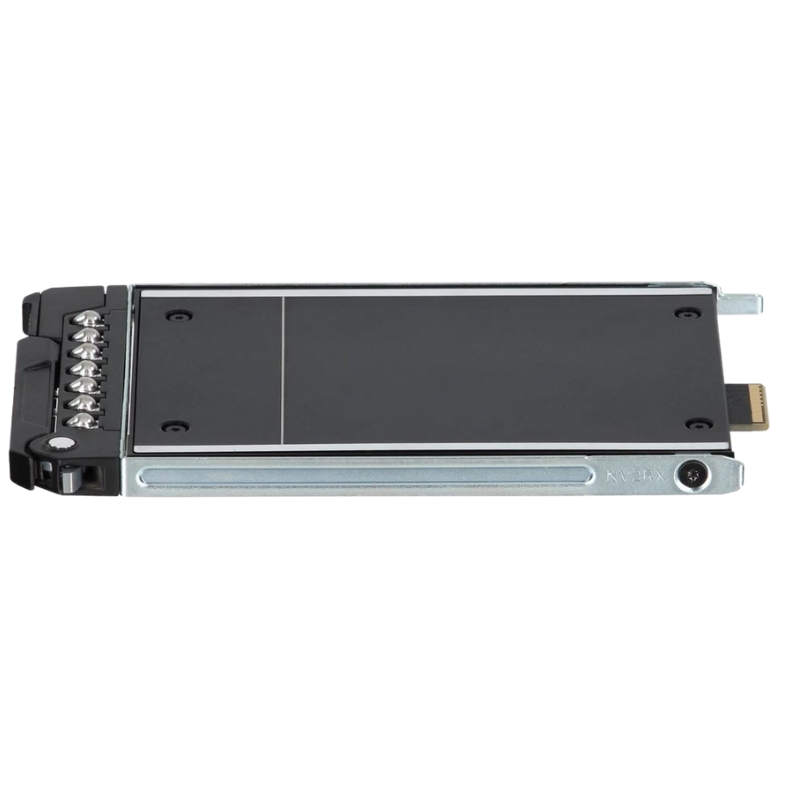
Dell 345-BKLR 3.84TB Data Center PCIE Gen 5.0 X4 NVMe EDSSF E3.S 2.5-inch Read Intensive TLC Enterprise SSD. New Sealed in Box (NIB) with 1-Years Warranty
The Dell 345-BKLR 3.84TB PCIe Gen5 NVMe E3.S EDSSF RI SSD is a high-capacity, enterprise-grade solid state drive engineered for modern server infrastructures. With advanced endurance and blazing-fast throughput, it is tailored for read-intensive workloads in demanding data center environments.
The Dell 345-BKLR 3.84TB Data Center PCIe Gen 5.0 x4 NVMe EDSSF E3.S 2.5-inch Read Intensive TLC Enterprise SSD represents a modern class of storage designed for hyperscale, cloud, and enterprise data center environments that demand predictable performance, extreme throughput, and platform longevity. This category centers on high-capacity, low-latency NVMe solid state drives optimized for read-heavy workloads while maintaining enterprise-grade endurance and reliability. Positioned within Dell’s data center storage ecosystem, this drive aligns with the industry shift toward PCIe Gen 5.0 architectures and the EDSFF E3.S form factor, enabling higher bandwidth, improved thermal efficiency, and denser storage configurations compared to legacy 2.5-inch U.2 solutions.
PCIe Gen 5.0 NVMe enterprise SSDs define the cutting edge of data center storage technology. With double the bandwidth of PCIe Gen 4.0, the Gen 5.0 x4 interface unlocks significantly higher sequential and random performance while reducing bottlenecks between storage and modern CPUs. In this category, the Dell 345-BKLR leverages NVMe protocol optimizations that minimize command latency and maximize parallelism, allowing applications to process massive data sets with consistent responsiveness. This architectural leap is particularly relevant for next-generation servers where CPU cores, memory bandwidth, and accelerator technologies require equally capable storage subsystems.
NVMe was purpose-built for flash memory, eliminating inefficiencies associated with legacy protocols. Within the enterprise NVMe SSD category, the protocol’s ability to support thousands of parallel queues and commands per queue translates into superior IOPS scalability and lower latency under mixed workloads. The Dell 345-BKLR benefits from these characteristics by delivering sustained performance in environments such as virtualization clusters, high-transaction databases, and analytics platforms. The category as a whole emphasizes predictable quality of service, ensuring that latency remains consistent even during peak utilization.
As data center workloads become increasingly data-intensive, the need for higher throughput storage grows. PCIe Gen 5.0 provides a theoretical bandwidth that significantly surpasses previous generations, allowing enterprise SSDs like the Dell 345-BKLR to support high-speed data ingestion, rapid query execution, and accelerated backup and restore operations. In this category, Gen 5.0 NVMe drives are particularly advantageous for real-time analytics, AI training pipelines, and content delivery infrastructures where storage throughput directly influences application performance.
The Enterprise and Data Center Standard Form Factor, specifically the E3.S 2.5-inch variant, represents a new standard for scalable server storage. This category prioritizes mechanical designs that improve airflow, thermal dissipation, and serviceability. The Dell 345-BKLR’s E3.S form factor allows higher power envelopes compared to traditional 2.5-inch U.2 drives, enabling sustained high performance without thermal throttling. The standardized dimensions also simplify server design, making it easier for data centers to adopt uniform storage configurations across multiple server generations.
Thermal management is a defining consideration in the E3.S enterprise SSD category. Drives operating at PCIe Gen 5.0 speeds generate more heat, requiring advanced cooling strategies. The Dell 345-BKLR benefits from the E3.S chassis design, which enhances airflow across the drive surface and supports higher operating temperatures without compromising reliability. This category focus on thermal efficiency ensures that performance remains stable in densely populated server racks.
Enterprise data centers require minimal downtime, making hot-swap functionality essential. E3.S NVMe SSDs are designed for front-access installation and replacement, allowing administrators to service drives without powering down servers. The Dell 345-BKLR fits seamlessly into this category expectation, supporting rapid maintenance cycles and reducing operational disruption in mission-critical environments.
The read intensive enterprise SSD category is defined by its use of TLC NAND optimized for workloads where read operations significantly outnumber writes. The Dell 345-BKLR employs enterprise-grade TLC flash that balances capacity, performance, and endurance. This approach allows data centers to deploy high-capacity drives for applications such as data warehousing, content repositories, and virtualization storage pools where read performance consistency is paramount.
Read intensive SSDs are engineered to deliver sufficient write endurance for metadata updates, caching operations, and periodic data refreshes while prioritizing longevity under heavy read access. In this category, endurance metrics are carefully tuned to match real-world usage patterns. The Dell 345-BKLR provides a reliable endurance profile that aligns with enterprise expectations, ensuring a long service life even in always-on environments.
Enterprise TLC NAND within this category incorporates advanced error correction, wear leveling, and data path protection mechanisms. These features safeguard data integrity during high-speed transfers and power events. The Dell 345-BKLR benefits from such technologies, supporting consistent reliability across its 3.84TB capacity while maintaining compliance with stringent data center standards.
A 3.84TB capacity places the Dell 345-BKLR squarely within a category optimized for high-density storage deployments. This capacity point is widely adopted in enterprise environments because it offers an effective balance between per-drive capacity and total cost of ownership. When deployed across multiple E3.S slots, data centers can achieve substantial aggregate storage without sacrificing performance or manageability.
Enterprise NVMe SSD categories increasingly emphasize scalability at the rack and cluster level. The Dell 345-BKLR supports this objective by enabling dense configurations that scale linearly with server expansion. This scalability is essential for cloud service providers and enterprises implementing software-defined storage architectures that rely on consistent drive performance across nodes.
Performance consistency is a cornerstone of the enterprise SSD category. The Dell 345-BKLR is designed to deliver predictable latency and throughput, even under sustained load. This characteristic is critical for multi-tenant environments where unpredictable storage behavior can impact application service levels. By maintaining stable performance metrics, this category of SSDs supports stringent service level agreements.
Applications such as online transaction processing, virtual desktop infrastructure, and real-time analytics are highly sensitive to storage latency. The NVMe Gen 5.0 architecture and optimized firmware within the Dell 345-BKLR address these requirements, positioning it firmly within a category tailored for latency-critical workloads.
Reliability extends beyond hardware components to include firmware stability and lifecycle management. Enterprise SSD categories prioritize robust firmware validation, secure update mechanisms, and long-term support. The Dell 345-BKLR aligns with these expectations by integrating into Dell’s firmware management ecosystem, allowing administrators to maintain consistency across server fleets.
Power loss protection is a defining feature of enterprise-class SSDs. This category incorporates onboard capacitors and firmware routines that ensure in-flight data is preserved during unexpected power interruptions. The Dell 345-BKLR adheres to these standards, safeguarding critical data and reducing the risk of corruption in data center operations.
Data security is integral to the enterprise SSD category. Drives such as the Dell 345-BKLR support features that align with organizational security policies and regulatory requirements. Hardware-based security capabilities, combined with secure firmware design, help protect sensitive information stored on the drive.
Industries such as finance, healthcare, and government require storage solutions that meet strict compliance mandates. The enterprise NVMe SSD category addresses these needs by offering consistent security features and predictable behavior. The Dell 345-BKLR fits within this framework, making it suitable for deployments where data governance and auditability are critical.
Category alignment with server platforms is essential for seamless deployment. The Dell 345-BKLR is designed for integration with modern Dell PowerEdge servers that support PCIe Gen 5.0 and E3.S bays. This compatibility ensures optimal performance, validated reliability, and simplified support processes.
Enterprise SSD categories increasingly emphasize manageability through centralized tools. The Dell 345-BKLR integrates with Dell’s server management and monitoring solutions, allowing administrators to track health metrics, performance trends, and firmware status. This level of integration enhances operational efficiency across large-scale deployments.
The read intensive NVMe enterprise SSD category serves a wide range of applications that prioritize fast data access and consistent throughput. The Dell 345-BKLR is well suited for scenarios such as virtualization storage backends, content delivery caches, analytics data lakes, and read-heavy database environments. Its design reflects the broader category focus on maximizing read performance while maintaining enterprise-grade reliability.
Adopting PCIe Gen 5.0 E3.S SSDs represents a strategic investment in future-ready infrastructure. This category supports emerging workloads and evolving server architectures, ensuring that storage does not become a limiting factor as compute capabilities advance. The Dell 345-BKLR exemplifies this forward-looking approach, offering a platform-aligned solution for next-generation data centers.


 Contact Us
 Information
 Catalog
 Solid State Drives (SSD)
 Network Switches
 Hard Disk Drives
 HBA & Controllers
 PC & Servers
 PC & Server Memory
 CPU & Processors
 Network Routers
 Power Supplies
 Tape Drives & Libraries
 Network Devices
 Computer & Network Cables