(7% discount is applied at checkout)
Cart is empty
Your go-to destination for cutting-edge server products
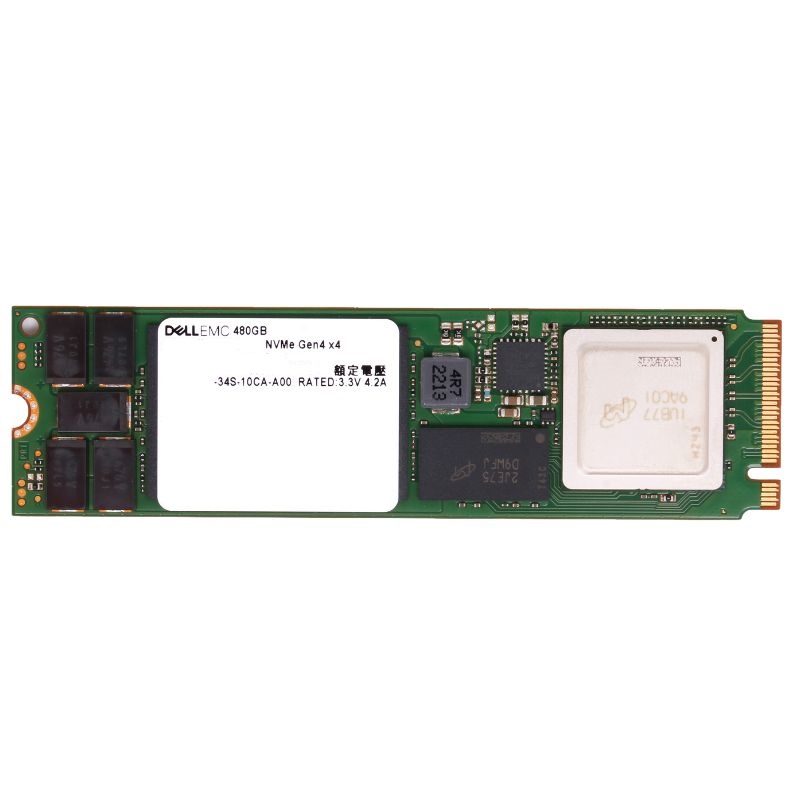


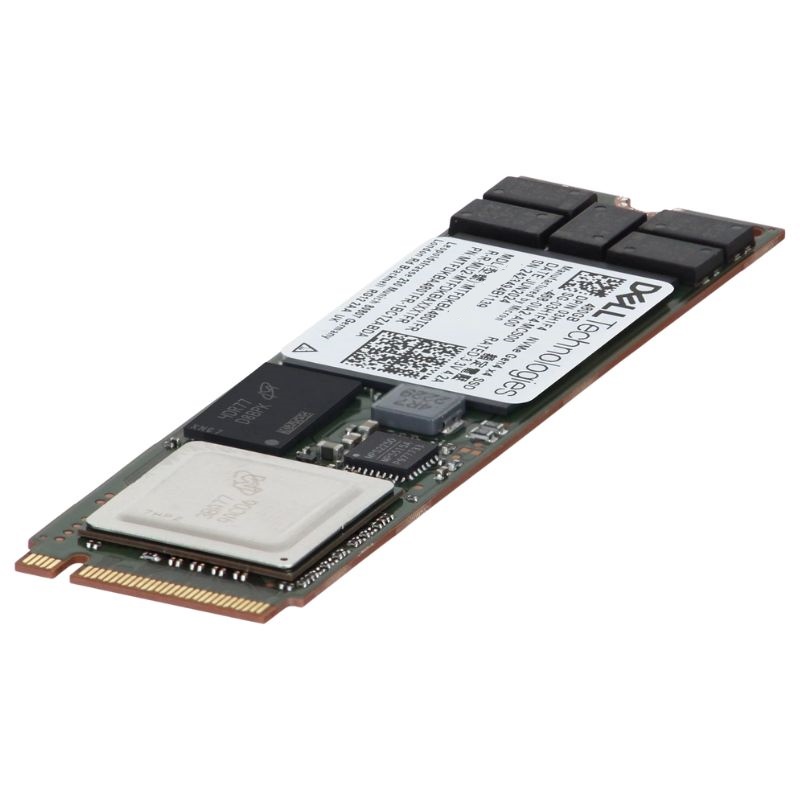
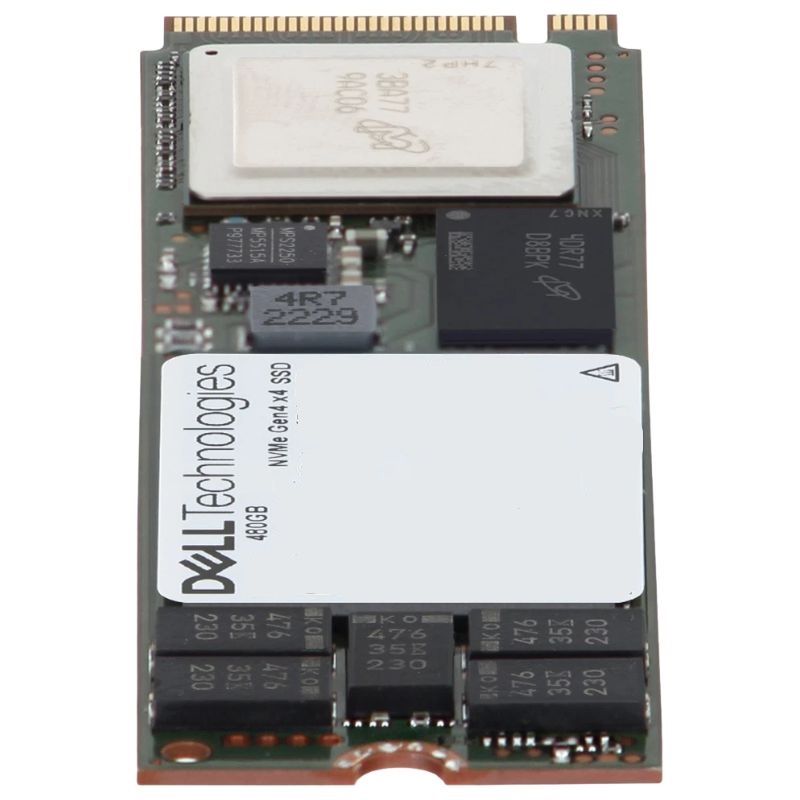
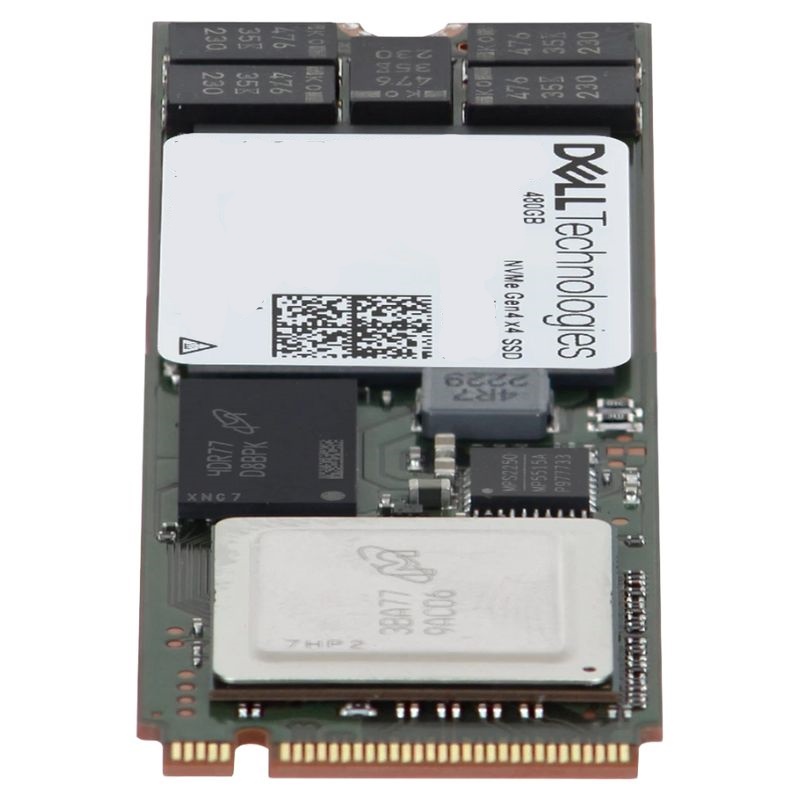
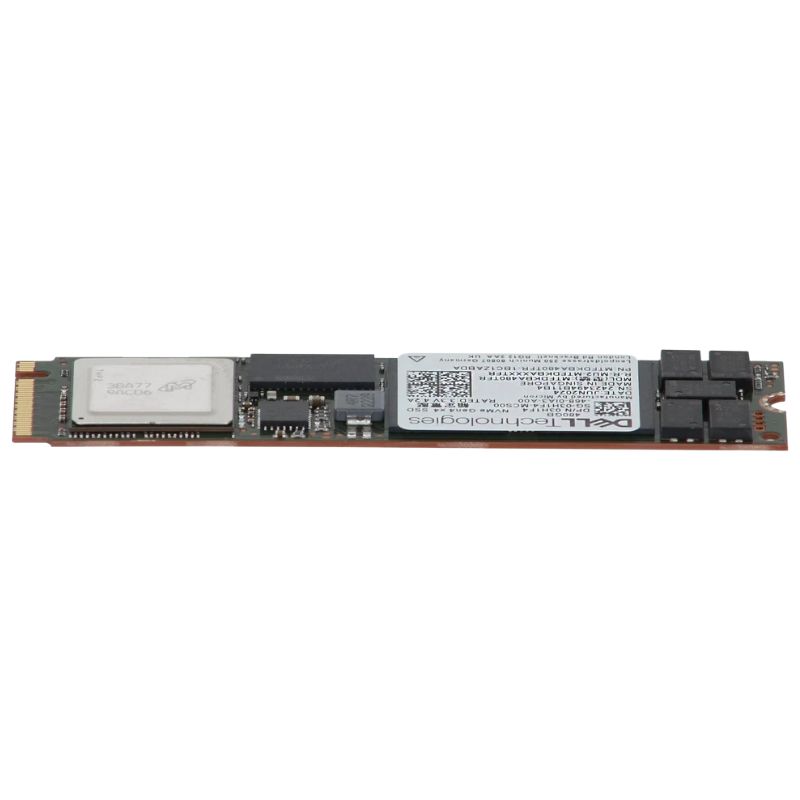
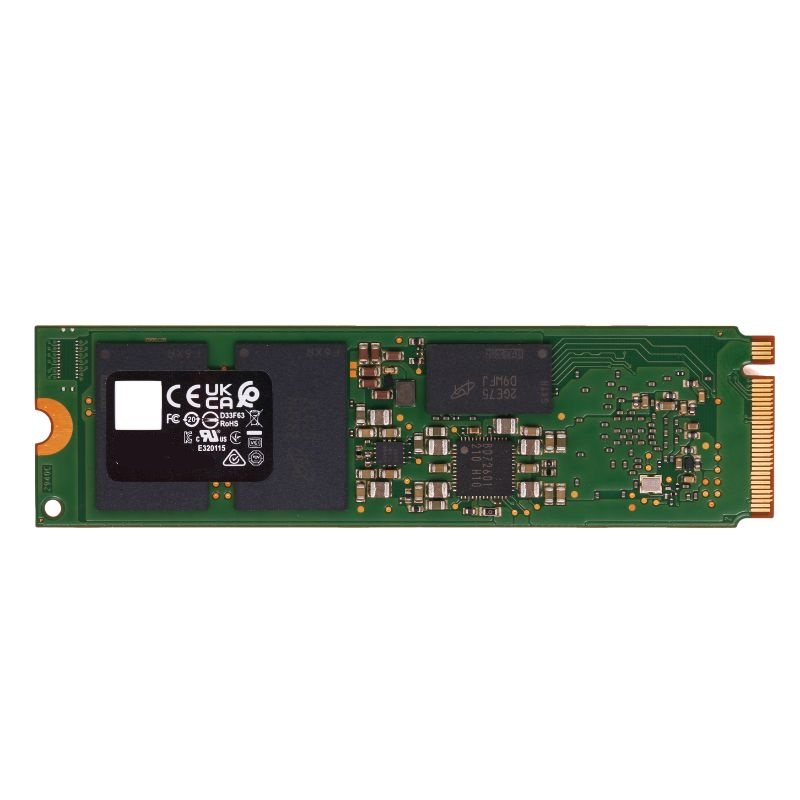
Dell 345-BKSX 480GB SED M.2 (2280) PCIE 4.0 X4 (NVME) Read Intensive TLC Enterprise Class SSD. Excellent Refurbished with 1-Year Replacement Warranty
The Dell 345-BKSX 480GB Self-Encrypting Drive (SED) M.2 (2280) PCIe 4.0 x4 NVMe SSD is engineered for enterprise-grade workloads. Designed with read-intensive 176-layer 3D TLC NAND, it delivers secure, reliable, and high-speed storage performance for professional environments.
The Dell 345-BKSX 480GB Self-Encrypting Drive M.2 2280 PCIe 4.0 x4 NVMe Read Intensive TLC Enterprise Class SSD belongs to a high-performance enterprise storage category engineered for modern data center workloads that demand speed, reliability, security, and efficiency. This category focuses on compact form factor solid-state drives optimized for server and enterprise platforms where low latency, high throughput, and predictable performance are essential. NVMe-based enterprise SSDs in this segment are designed to handle mission-critical operations, including virtualization, database acceleration, cloud infrastructure, and read-heavy analytics environments.
Unlike consumer-grade NVMe drives, enterprise-class SSDs such as this Dell model are built with firmware enhancements, endurance optimization, power-loss protection considerations, and compatibility with server-grade hardware ecosystems. The Dell 345-BKSX specifically aligns with enterprise requirements by combining PCIe Gen4 bandwidth, a space-saving M.2 2280 form factor, and read-intensive TLC NAND technology that balances cost efficiency with dependable performance characteristics.
This category is positioned for organizations transitioning from traditional SATA or SAS-based storage to PCIe NVMe architectures. PCIe 4.0 x4 connectivity significantly expands data transfer capabilities, allowing servers to process more transactions concurrently with reduced I/O bottlenecks. In multi-tier storage architectures, drives like the Dell 345-BKSX are frequently deployed as boot drives, cache layers, or dedicated read-optimized storage pools that support operating systems, hypervisors, and frequently accessed datasets.
The M.2 2280 form factor further distinguishes this category by enabling direct motherboard integration, reducing cabling complexity, and improving airflow within dense server chassis. This design choice supports modern server layouts where space efficiency and thermal management are critical. As a result, enterprise NVMe M.2 SSDs are increasingly favored in compact rack servers, edge computing systems, and scalable cloud platforms.
PCIe 4.0 NVMe technology defines the performance foundation of this SSD category. With double the bandwidth of PCIe 3.0, PCIe 4.0 allows significantly higher sequential read speeds and improved random I/O performance. For read-intensive enterprise workloads, this translates into faster application response times, improved virtual machine density, and more efficient data retrieval across large datasets.
NVMe protocol optimization reduces command latency by streamlining communication between the CPU and storage media. In enterprise settings, this efficiency is crucial for applications such as real-time analytics, online transaction processing, and content delivery systems where milliseconds can impact overall system performance. The Dell 345-BKSX fits squarely within this technology category, leveraging NVMe to minimize overhead and maximize throughput.
One defining attribute of enterprise NVMe SSD categories is their ability to handle high queue depths without performance degradation. NVMe supports thousands of parallel queues, enabling servers to manage simultaneous I/O requests more effectively than legacy storage protocols. This is particularly beneficial in virtualized and containerized environments where multiple workloads compete for storage resources.
By maintaining consistent low latency even under heavy read workloads, drives in this category help ensure predictable performance. This predictability is essential for service-level agreements in enterprise IT operations, where consistent response times are just as important as peak throughput metrics.
The read-intensive classification is a key defining factor of this enterprise SSD category. Drives designed for read-heavy workloads are optimized to deliver high read performance while maintaining sufficient endurance for environments where writes occur less frequently. Triple-Level Cell NAND technology provides a balance between storage density and cost efficiency, making it well-suited for large-scale deployments where budget considerations are as important as performance.
Within this category, firmware algorithms are tuned to optimize wear leveling, error correction, and data integrity during prolonged read operations. The Dell 345-BKSX exemplifies this design philosophy, offering dependable performance for applications such as data warehousing, media streaming, reference databases, and web hosting platforms where data is read far more often than it is written.
Enterprise read-intensive SSD categories emphasize endurance profiles that align with expected usage patterns. While write-intensive drives are built for constant data modification, read-intensive models focus on sustained read operations with moderate write cycles. This specialization allows organizations to deploy storage resources more efficiently by matching drive characteristics to workload requirements.
In practical deployments, this category is often used for operating system images, application binaries, and frequently accessed datasets that benefit from fast access times but do not undergo constant rewriting. This targeted endurance approach helps extend drive lifespan while delivering consistent performance throughout its operational life.
Security is a fundamental aspect of enterprise SSD categories, and self-encrypting drive functionality is a core feature in this segment. Hardware-based encryption ensures that data stored on the drive is protected at rest without imposing performance penalties. Encryption and decryption processes are handled directly by the drive controller, allowing full-speed data access while maintaining compliance with organizational security policies.
The Dell 345-BKSX, as part of this secure enterprise category, supports encryption standards designed to protect sensitive business data in multi-tenant environments, data centers, and regulated industries. This level of built-in security is particularly valuable for organizations managing confidential information, intellectual property, or customer data across distributed infrastructure.
Enterprise SSD categories that include self-encrypting capabilities are often selected to meet compliance requirements related to data protection and privacy. Hardware encryption simplifies compliance efforts by ensuring that data remains unreadable if a drive is removed or repurposed without proper authorization.
This approach reduces the operational overhead associated with software-based encryption solutions, which can consume system resources and complicate key management. As a result, self-encrypting NVMe SSDs are increasingly adopted in industries such as finance, healthcare, and government, where data security is non-negotiable.
The M.2 2280 form factor represents a significant evolution in enterprise storage design. This compact form factor allows SSDs to be installed directly onto server motherboards, reducing the need for additional drive bays, cables, and backplanes. In dense server configurations, this contributes to improved airflow, reduced power consumption, and simplified system architecture.
Within this category, M.2 enterprise SSDs are commonly used as boot devices or dedicated high-speed storage for critical system components. The Dell 345-BKSX aligns with this usage pattern, providing reliable and fast storage in a minimal physical footprint that supports modern server and edge computing deployments.
Enterprise M.2 SSD categories are engineered with thermal management in mind. Efficient controllers and optimized firmware help maintain stable operating temperatures even under sustained workloads. This is particularly important in servers where multiple high-performance components operate in close proximity.
Power efficiency is another defining characteristic of this category. By reducing power draw per gigabyte compared to larger form factor drives, M.2 enterprise SSDs contribute to lower overall energy consumption in data centers. This efficiency supports sustainability goals while also reducing operational costs associated with cooling and power delivery.
Enterprise SSD categories designed for Dell platforms emphasize compatibility, validation, and integration with Dell PowerEdge servers and enterprise infrastructure. Drives such as the Dell 345-BKSX are tested to ensure seamless operation with Dell firmware, BIOS configurations, and management tools.
This level of integration reduces deployment risk and simplifies lifecycle management. Organizations benefit from predictable behavior, streamlined updates, and consistent performance across their storage infrastructure. Compatibility within the Dell ecosystem also ensures access to vendor support and firmware updates tailored to specific server models.
This category of SSD is commonly deployed in scenarios where reliability and performance are paramount. Typical use cases include virtualization hosts running multiple operating systems, database servers that rely on fast read access, and cloud environments where scalability and consistency are critical.
In edge computing and remote office deployments, the compact size and efficiency of M.2 NVMe enterprise SSDs make them ideal for systems with limited space and power availability. The Dell 345-BKSX fits these scenarios by delivering enterprise-grade capabilities in a streamlined form factor.
One of the primary advantages of enterprise SSD categories is predictable performance. Rather than focusing solely on peak benchmark results, these drives are engineered to deliver consistent throughput and latency over time. This predictability is crucial for enterprise applications that rely on stable performance metrics.
By maintaining consistent read speeds and minimizing performance variability, drives in this category support long-term planning and capacity management. IT teams can deploy these SSDs with confidence, knowing that performance will remain within expected parameters throughout the drive’s service life.
PCIe Gen4 compatibility positions this SSD category as a future-ready storage solution. As server platforms continue to evolve, PCIe 4.0 provides the bandwidth necessary to support next-generation processors, faster networking, and increasingly data-intensive workloads.
Organizations investing in enterprise NVMe SSDs like the Dell 345-BKSX benefit from a storage foundation that can scale alongside their infrastructure. This forward-looking design helps extend the useful life of storage investments while supporting emerging technologies and application demands.
Enterprise storage categories built around PCIe 4.0 NVMe are well-suited for integration with high-speed networking technologies such as 25GbE, 40GbE, and beyond. Fast storage complements high-bandwidth networking by reducing internal bottlenecks and enabling end-to-end performance optimization.
In compute-intensive environments, rapid data access supports faster job completion, improved user experiences, and more efficient resource utilization. The Dell 345-BKSX, as part of this advanced storage category, contributes to balanced system performance across compute, memory, and networking components.


 Contact Us
 Information
 Catalog
 Solid State Drives (SSD)
 Network Switches
 Hard Disk Drives
 HBA & Controllers
 PC & Servers
 PC & Server Memory
 CPU & Processors
 Network Routers
 Power Supplies
 Tape Drives & Libraries
 Network Devices
 Computer & Network Cables