(7% discount is applied at checkout)
Cart is empty
Your go-to destination for cutting-edge server products
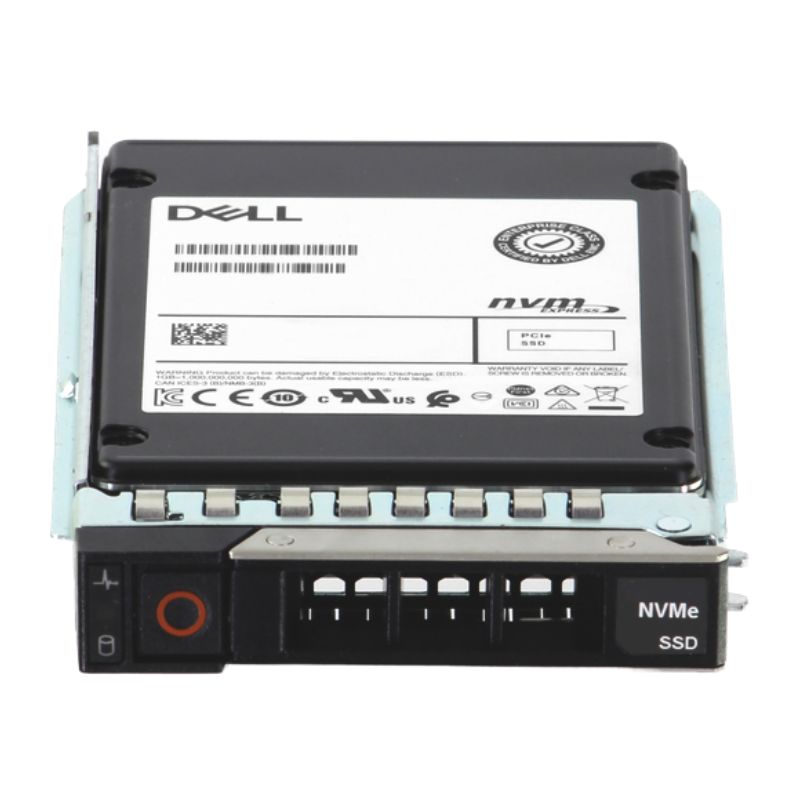


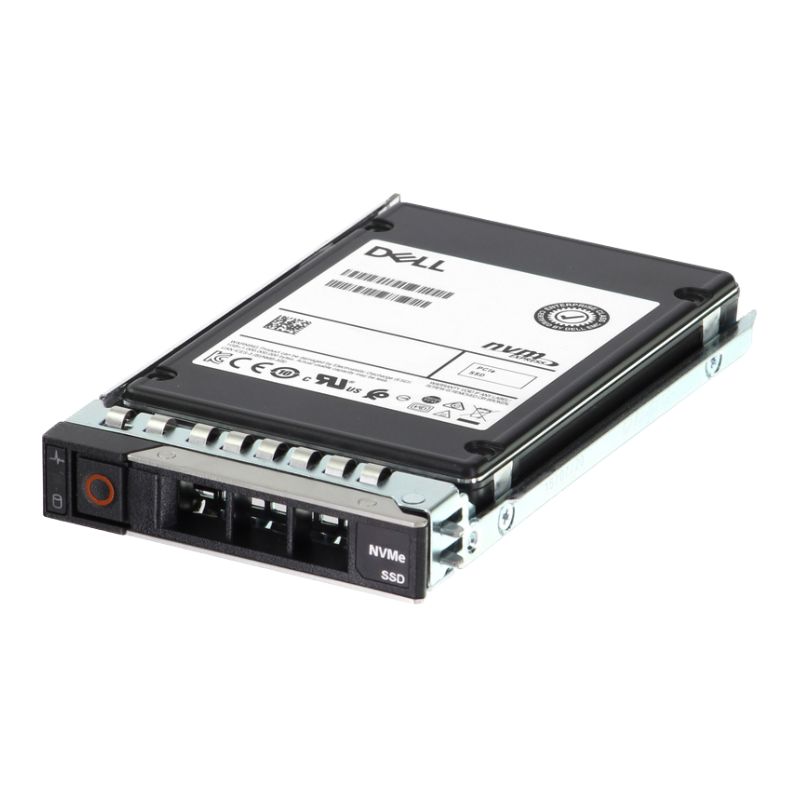
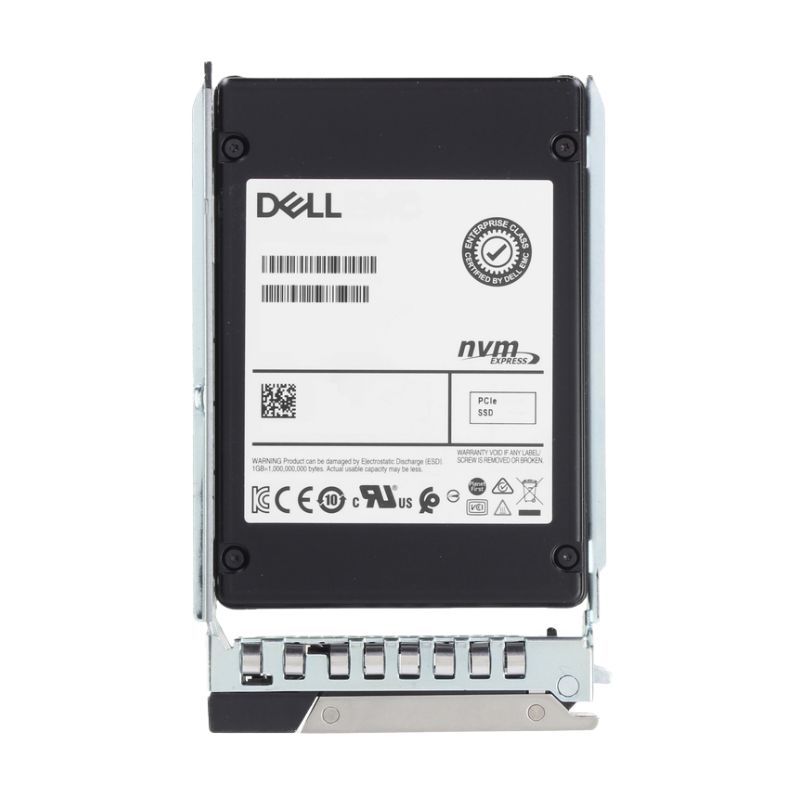
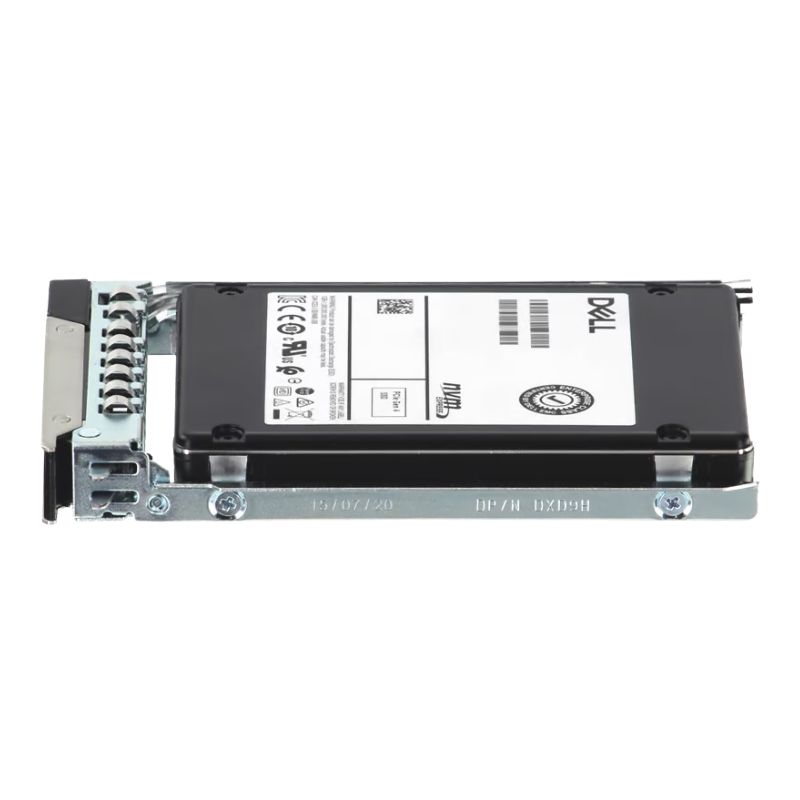
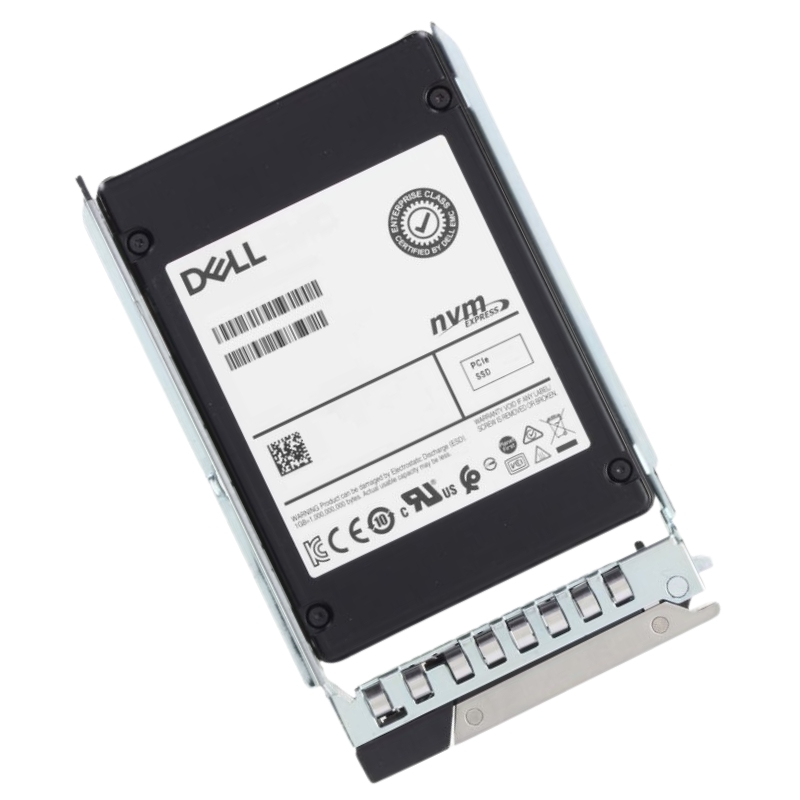
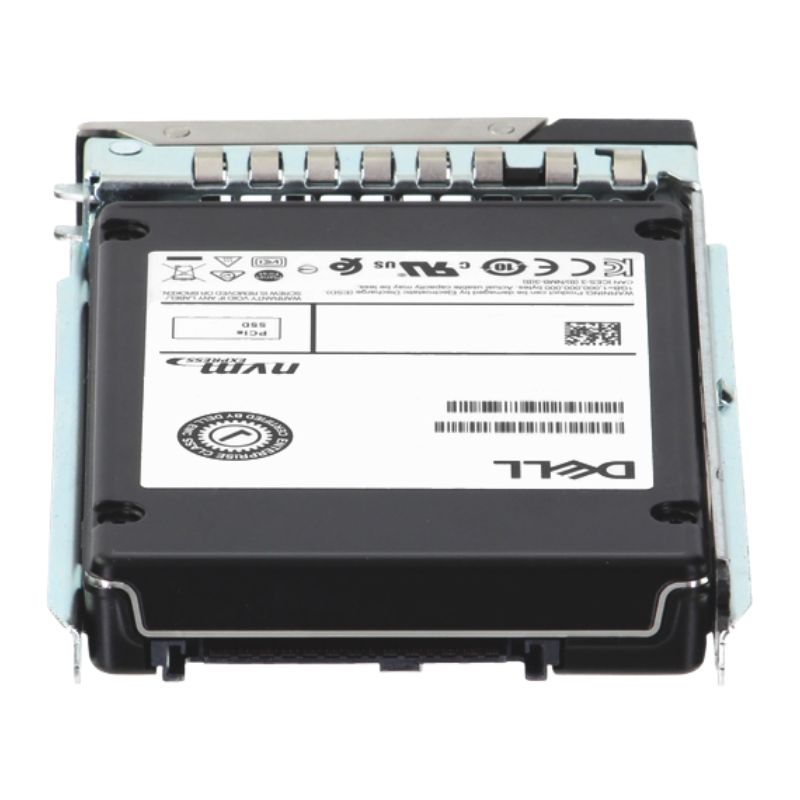
Dell 5YM1J 61.44TB NVMe U.2 SFF QLC PCIe Gen4 4.0 x4 Enterprise Solid State Drive. New Sealed in Box (NIB) with 1 year Replacement Warranty - Call
The Dell 5YM1J 61.44TB NVMe U.2 SFF QLC PCIe Gen4 x4 Solid State Drive is engineered for high‑capacity data storage, exceptional throughput, and enterprise‑grade reliability. Designed for modern data centers, it delivers outstanding performance for demanding workloads.
The Dell 5YM1J 61.44TB NVMe U.2 SFF QLC PCIe Gen4 4.0 x4 Enterprise Solid State Drive represents a specialized category within enterprise-class solid state storage that is designed to address extreme capacity density requirements while maintaining high-throughput NVMe performance. This category focuses on large-form-factor yet space-efficient U.2 small form factor drives that integrate seamlessly into modern data center servers, storage arrays, and hyperconverged infrastructure platforms. Drives in this category are engineered to support always-on workloads, predictable latency profiles, and scalable storage architectures that rely on PCIe Gen4 connectivity for balanced performance and efficiency.
This class of enterprise NVMe SSDs emphasizes storage consolidation, enabling organizations to replace multiple lower-capacity drives with a single ultra-high-capacity solution. The 61.44TB capacity tier represents the upper echelon of commercially available NVMe SSDs and caters to enterprises managing massive data volumes, such as cloud service providers, hyperscale operators, and large enterprises running data-intensive applications. The category blends Dell’s enterprise firmware validation, QLC NAND optimization, and NVMe protocol advancements into a solution designed for capacity-focused performance rather than raw transactional speed alone.
Within this category, the U.2 small form factor is a defining attribute that ensures compatibility with standard 2.5-inch enterprise drive bays while delivering NVMe performance over PCIe. The Dell 5YM1J SSD conforms to the U.2 specification, allowing it to be deployed in a wide range of Dell PowerEdge servers and supported third-party platforms that accommodate U.2 NVMe devices. This design choice enables hot-swap capability, simplified maintenance procedures, and standardized airflow patterns essential for thermal stability in dense rack environments.
The small form factor does not compromise capacity, as advancements in QLC NAND stacking and controller efficiency allow the drive to achieve 61.44TB within the same physical footprint as lower-capacity enterprise SSDs. This category is particularly attractive for organizations seeking to maximize storage per rack unit while minimizing cabling complexity and power distribution overhead. The physical design also supports enterprise-grade shock resistance and vibration tolerance, ensuring reliability when deployed in multi-drive server configurations.
Enterprise NVMe U.2 SSDs in this category are engineered with thermal management as a core design priority. The Dell 5YM1J drive leverages optimized firmware power states and efficient QLC NAND behavior to balance performance with heat output. This ensures that sustained workloads do not lead to thermal throttling when installed in high-density server chassis. The category’s focus on power efficiency translates into reduced cooling requirements, which is critical for large-scale deployments where cumulative thermal output can significantly impact operational costs.
Power efficiency also supports sustainability initiatives by lowering overall energy consumption per terabyte stored. Compared to traditional spinning disks or lower-density SSD arrays, a single 61.44TB NVMe SSD can replace numerous drives, resulting in fewer components drawing power and generating heat. This category aligns with modern data center strategies that prioritize both performance and environmental responsibility.
The use of Quad-Level Cell NAND is a defining characteristic of this category, enabling unprecedented storage densities at a competitive cost per terabyte. QLC NAND stores four bits of data per cell, which significantly increases capacity compared to TLC or MLC NAND. In the Dell 5YM1J enterprise SSD category, QLC is carefully optimized through controller algorithms, wear-leveling techniques, and over-provisioning strategies to ensure enterprise-grade endurance and reliability.
This category is tailored for read-intensive and mixed-use workloads where capacity and throughput are more critical than extremely high write endurance. Dell’s enterprise validation ensures that the drive meets strict reliability standards, making QLC viable for production environments when deployed appropriately. The category demonstrates how modern firmware and NVMe protocol efficiencies mitigate traditional concerns associated with QLC endurance.
Enterprise QLC NVMe SSDs such as the Dell 5YM1J are positioned within a specific endurance profile that aligns with large-scale data consumption, analytics, and content delivery workloads. This category excels in environments where data is written once and read frequently, including data lakes, media repositories, backup repositories, and archival tiers that still require fast access times.
While not designed for sustained high-write transactional databases, the category provides predictable endurance metrics that are clearly defined for enterprise planning. Organizations can confidently deploy these drives knowing that workload alignment is key to achieving optimal lifespan and performance. This transparency is a hallmark of enterprise storage categories that prioritize long-term reliability over ambiguous performance claims.
The PCIe Gen4 4.0 x4 interface is central to the performance capabilities of this category. By doubling the bandwidth available compared to PCIe Gen3, Gen4 enables enterprise NVMe SSDs to handle higher throughput and lower latency even when optimized for capacity-centric workloads. The Dell 5YM1J category leverages this interface to ensure that large data sets can be accessed and streamed efficiently without becoming a bottleneck within the server architecture.
This category benefits from the NVMe protocol’s streamlined command set, which reduces overhead and enhances parallelism. The result is consistent performance under multi-threaded access patterns commonly found in virtualization, containerized environments, and distributed storage systems. PCIe Gen4 support also future-proofs deployments by ensuring compatibility with next-generation servers and storage backplanes.
One of the defining attributes of enterprise NVMe storage categories is predictable latency behavior. The Dell 5YM1J category emphasizes consistency over peak benchmark numbers, ensuring that applications experience stable response times even during sustained operations. This is particularly important for analytics platforms and content delivery networks where latency spikes can degrade user experience.
Throughput stability is achieved through advanced controller design and firmware optimizations that manage large queue depths effectively. This category supports simultaneous read operations across massive data sets without significant performance degradation, making it suitable for shared storage environments and multi-tenant architectures.
Reliability is a cornerstone of the Dell enterprise SSD category, and the 5YM1J model exemplifies this through comprehensive data protection mechanisms. Enterprise-grade error correction, end-to-end data path protection, and power-loss protection features ensure that data integrity is maintained even in the event of unexpected power interruptions. This category is designed for mission-critical environments where data loss or corruption is unacceptable.
Firmware validation and qualification processes further distinguish this category from consumer or prosumer NVMe SSDs. Dell’s rigorous testing across supported platforms ensures compatibility, stability, and predictable behavior under real-world enterprise workloads. This level of validation reduces deployment risk and simplifies lifecycle management for IT teams.
Power-loss protection is an essential feature in enterprise storage categories, and the Dell 5YM1J SSD integrates capacitive components that safeguard in-flight data during sudden power failures. This ensures that write operations are completed or safely rolled back, preserving file system consistency and preventing data corruption.
Data safeguards extend beyond hardware components to include firmware-level checks that continuously monitor NAND health and proactively manage error conditions. This category’s emphasis on comprehensive protection aligns with enterprise requirements for high availability and data resilience.
Rack density improvements are a direct outcome of adopting this enterprise NVMe SSD category. Higher capacity per drive translates into fewer servers or storage nodes required to meet capacity demands, freeing up rack space for compute or networking equipment. This category supports modern infrastructure designs that prioritize density and efficiency.
Infrastructure simplification also enhances manageability, as fewer components need to be monitored, maintained, and replaced over time. This contributes to lower operational overhead and improved uptime across the data center environment.
The Dell 5YM1J NVMe SSD category is specifically validated for compatibility with Dell PowerEdge servers, ensuring seamless integration and optimal performance. This compatibility extends to supported storage controllers, backplanes, and firmware versions, providing a cohesive ecosystem for enterprise deployments. The category’s alignment with Dell’s hardware portfolio simplifies procurement and support processes.
Beyond Dell-specific platforms, the U.2 NVMe form factor and PCIe Gen4 interface ensure broad compatibility with industry-standard enterprise servers that support NVMe storage. This flexibility allows organizations to standardize on a single storage category across heterogeneous environments while maintaining vendor support assurances.


 Contact Us
 Information
 Catalog
 Solid State Drives (SSD)
 Network Switches
 Hard Disk Drives
 HBA & Controllers
 PC & Servers
 PC & Server Memory
 CPU & Processors
 Network Routers
 Power Supplies
 Tape Drives & Libraries
 Network Devices
 Computer & Network Cables