(7% discount is applied at checkout)
Cart is empty
Your go-to destination for cutting-edge server products
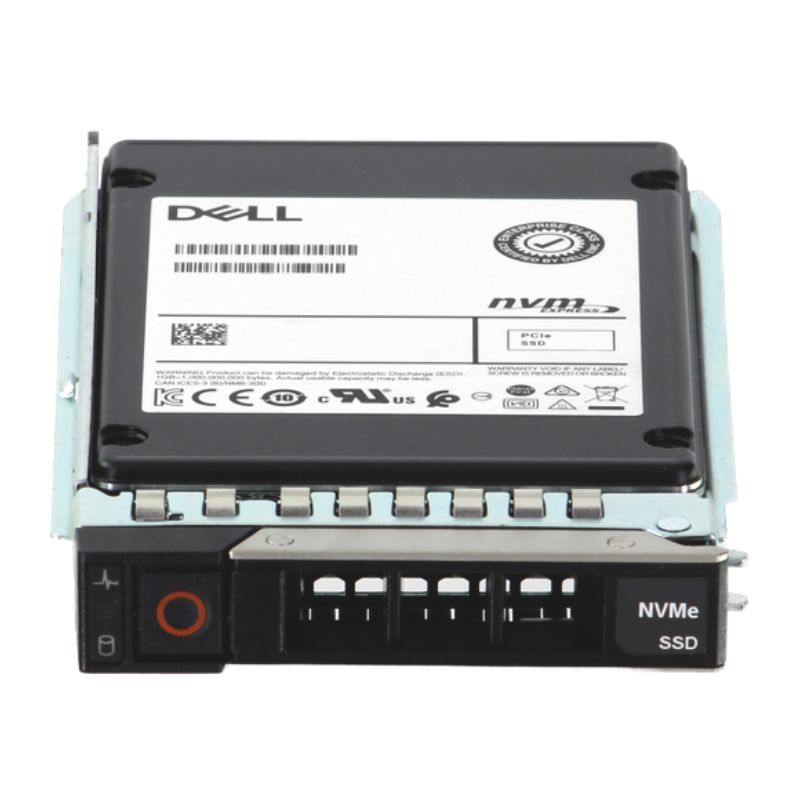


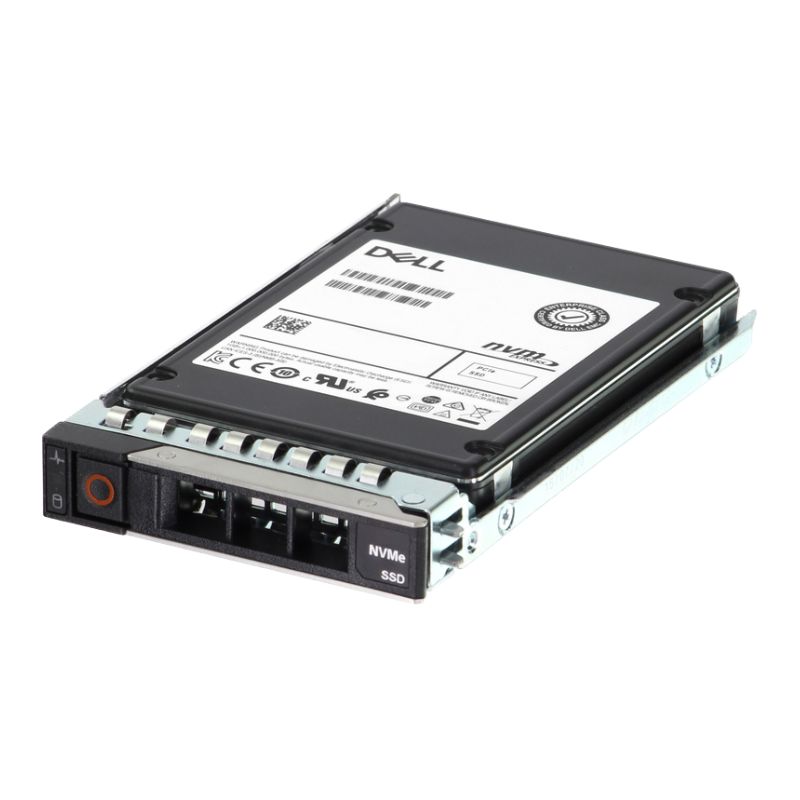
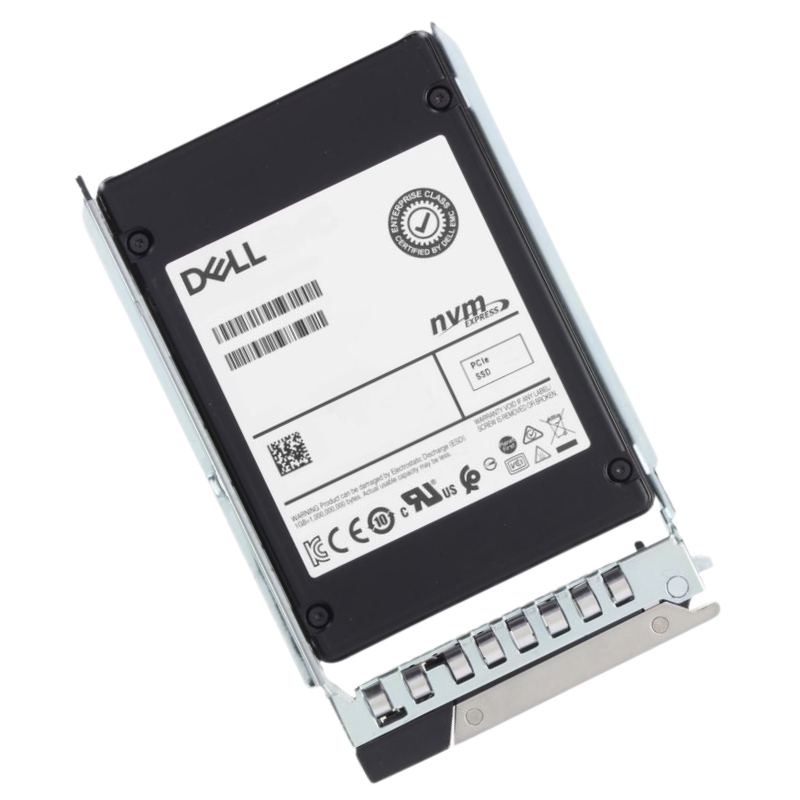
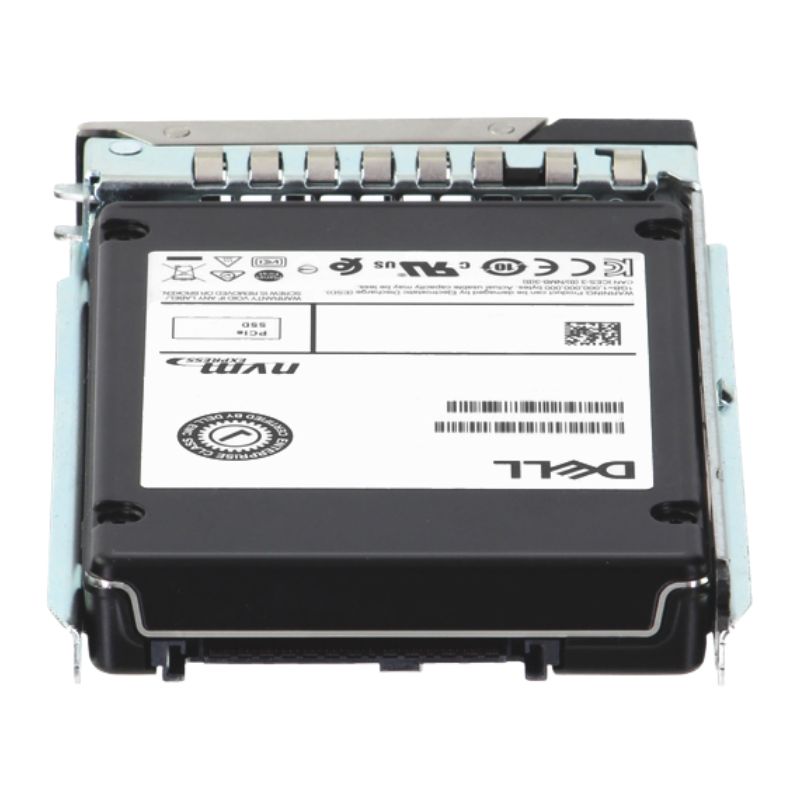
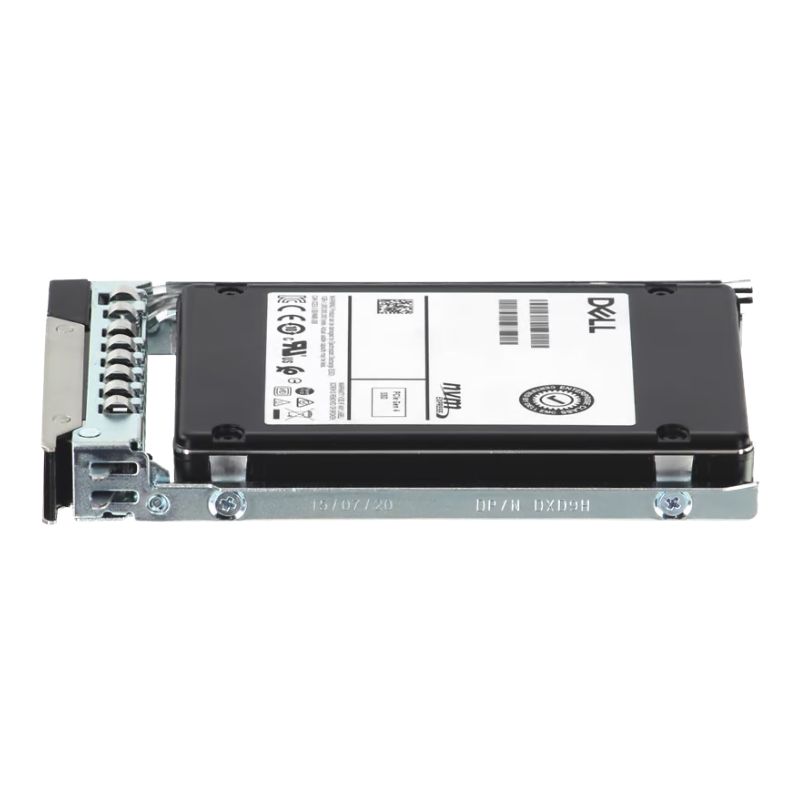
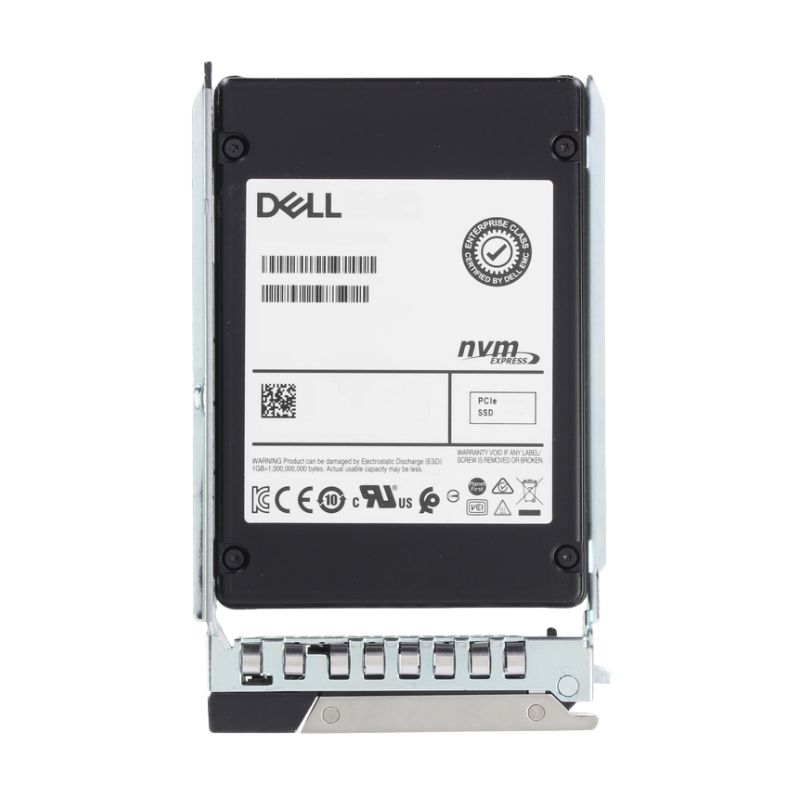
Dell 6F31T 61.44TB NVMe U.2 SFF QLC PCIe Gen4 4.0 x4 Enterprise Solid State Drive. New Sealed in Box (NIB) with 1 year Replacement Warranty - Call
The category encompassing high-capacity enterprise NVMe U.2 solid state drives represents one of the most critical segments of modern data center storage infrastructure. Products such as the Dell 6F31T 61.44TB NVMe U.2 SFF QLC PCIe Gen4 4.0 x4 Enterprise Solid State Drive define this category by combining extreme density, advanced flash technology, and a form factor optimized for scalable server architectures. This class of storage is engineered for organizations that require massive capacity consolidation, predictable performance, and enterprise-grade reliability within standard rack-mounted environments.
Within this category, the focus is on leveraging Non-Volatile Memory Express technology over PCIe Gen4 interfaces to unlock low-latency access paths and parallel command execution. The NVMe protocol eliminates legacy bottlenecks found in older storage standards, enabling enterprise workloads to scale efficiently. Drives in this segment are purpose-built for read-intensive and mixed-use workloads that prioritize capacity per drive without sacrificing data integrity, endurance management, or compatibility with mainstream server platforms.
A defining characteristic of this category is the adoption of Quad-Level Cell NAND flash memory, which stores four bits of data per cell. This architectural approach enables unprecedented storage density, allowing drives like the Dell 6F31T 61.44TB NVMe U.2 SSD to deliver multi-terabyte capacity within a compact 2.5-inch small form factor. The use of QLC NAND is particularly advantageous for enterprises seeking to reduce the physical footprint of storage arrays while maximizing total usable capacity per rack unit.
QLC-based enterprise SSDs are designed with sophisticated controller firmware, advanced wear-leveling algorithms, and intelligent error correction mechanisms. These technologies mitigate the inherent endurance challenges associated with higher bit-per-cell storage, ensuring consistent performance and longevity under sustained enterprise workloads. In this category, QLC is not positioned as a compromise but rather as an optimized solution for large-scale data repositories, analytics platforms, and content delivery systems.
The emphasis on ultra-high capacity within a single drive allows data centers to rethink storage topology. Instead of managing dozens or hundreds of lower-capacity drives, administrators can consolidate storage into fewer physical devices. This consolidation reduces cabling complexity, simplifies airflow management, and lowers power consumption per terabyte. Drives in this category enable dense storage nodes that are easier to deploy, maintain, and scale.
High-density NVMe U.2 SSDs also support software-defined storage architectures by providing large, fast pools of flash storage that can be dynamically allocated across virtualized environments. This flexibility is critical in multi-tenant data centers where storage efficiency directly impacts operational costs and service-level agreements.
Enterprise SSDs in this category utilize the PCIe Gen4 x4 interface to deliver significantly higher throughput compared to previous generations. The increased bandwidth supports faster sequential reads and writes, improved random I/O performance, and reduced latency under concurrent access. This performance profile is essential for applications that process large datasets, perform real-time analytics, or support high user concurrency.
The PCIe Gen4 interface also ensures forward compatibility with modern server platforms, allowing organizations to adopt these drives without concern for immediate obsolescence. As CPU architectures continue to evolve with increased core counts and memory bandwidth, storage devices in this category provide the necessary data pipeline to keep compute resources fully utilized.
The U.2 interface and 2.5-inch small form factor are central to this category’s widespread adoption. U.2 drives are hot-swappable and designed for front-accessible bays in enterprise servers, enabling rapid deployment and replacement without system downtime. This form factor standardization ensures compatibility across a wide range of Dell PowerEdge servers and other enterprise-grade platforms.
By maintaining a compact physical profile while delivering extreme capacity, these drives optimize rack space utilization. This efficiency is particularly valuable in colocation facilities and hyperscale data centers where space and power are premium resources.
High-capacity NVMe SSDs generate significant thermal output due to their performance capabilities and dense NAND configurations. Drives in this category are engineered with advanced thermal management features, including heat spreaders and firmware-controlled throttling mechanisms. These features maintain optimal operating temperatures and protect data integrity over prolonged periods of operation.
Power efficiency is another critical aspect. Enterprise QLC NVMe drives are optimized to deliver a favorable performance-per-watt ratio, ensuring that large-scale deployments remain cost-effective over their lifecycle. Efficient power usage contributes to lower cooling requirements and reduced total cost of ownership.
Reliability is non-negotiable in this category. Enterprise-grade NVMe SSDs incorporate multiple layers of data protection, including end-to-end data path protection, power-loss protection circuitry, and robust error correction. These features safeguard data during unexpected power interruptions and ensure that data written to the drive is accurately stored and retrieved.
The Dell 6F31T 61.44TB NVMe U.2 SSD aligns with enterprise expectations by adhering to stringent validation and qualification processes. This ensures compatibility with server firmware, RAID controllers, and management tools commonly used in enterprise environments.
Within the broader Dell enterprise storage ecosystem, this category occupies a strategic position focused on high-density, flash-based storage solutions. These drives complement other storage tiers, such as high-endurance NVMe options and traditional hard disk drives, enabling tiered storage architectures that balance cost and performance.
The Dell 6F31T model exemplifies the integration of hardware, firmware, and management compatibility that enterprise customers expect from Dell-certified components. This alignment reduces deployment risk and streamlines support processes.


 Contact Us
 Information
 Catalog
 Solid State Drives (SSD)
 Network Switches
 Hard Disk Drives
 HBA & Controllers
 PC & Servers
 PC & Server Memory
 CPU & Processors
 Network Routers
 Power Supplies
 Tape Drives & Libraries
 Network Devices
 Computer & Network Cables