(7% discount is applied at checkout)
Cart is empty
Your go-to destination for cutting-edge server products
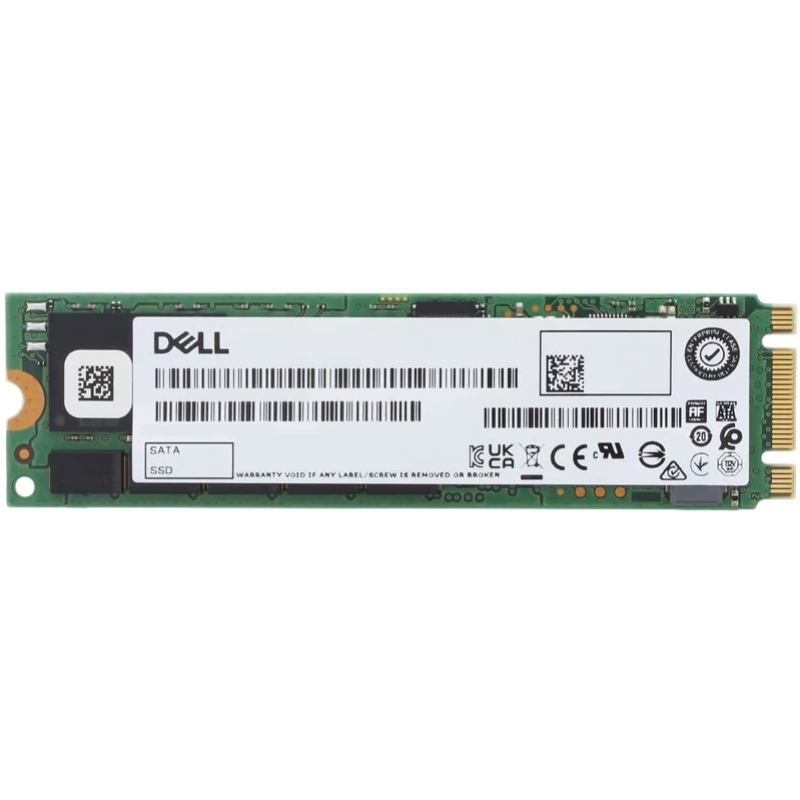


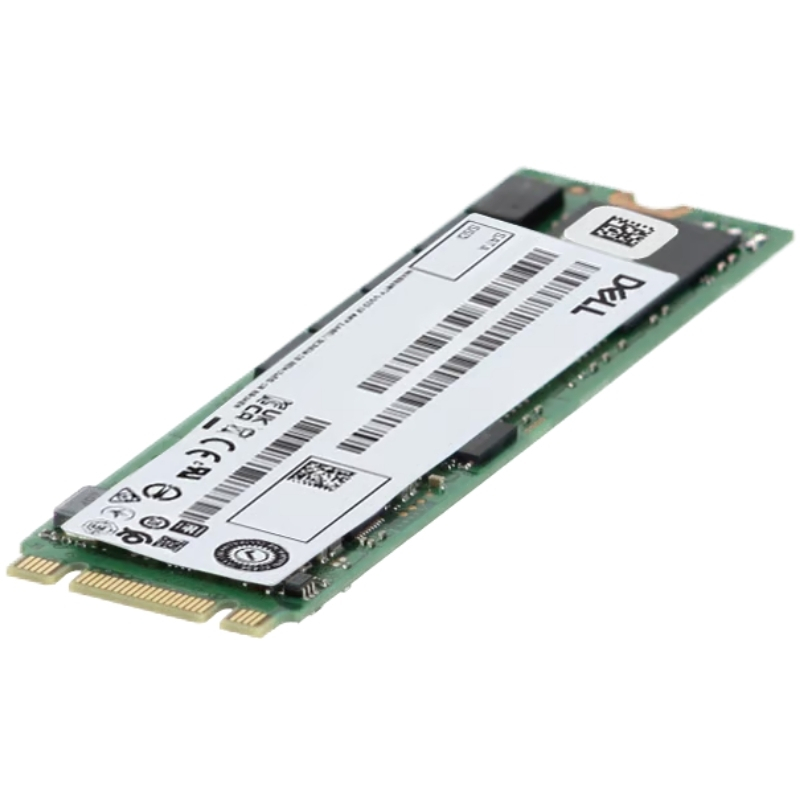
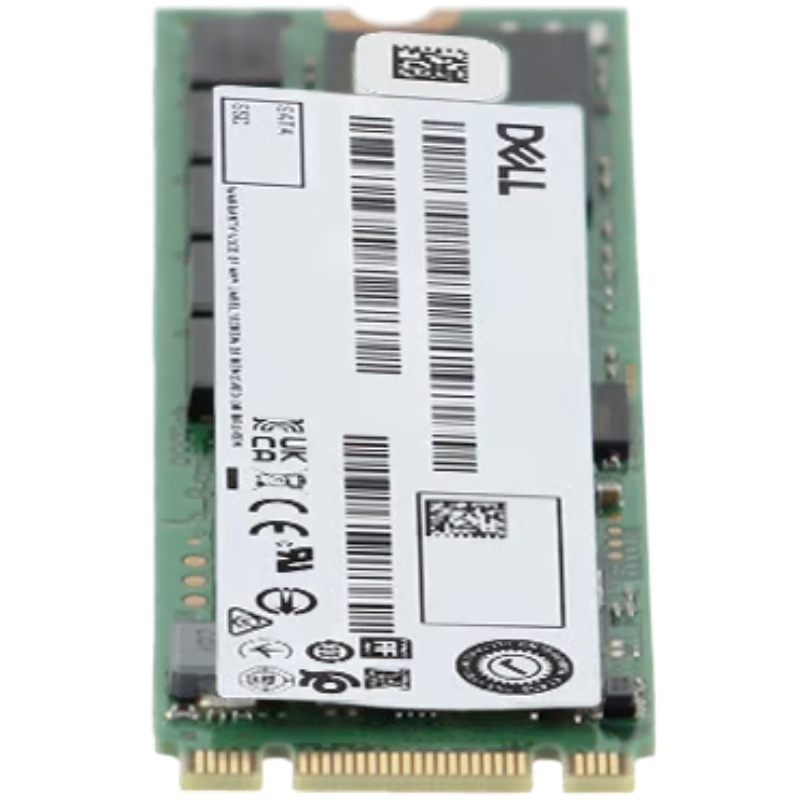
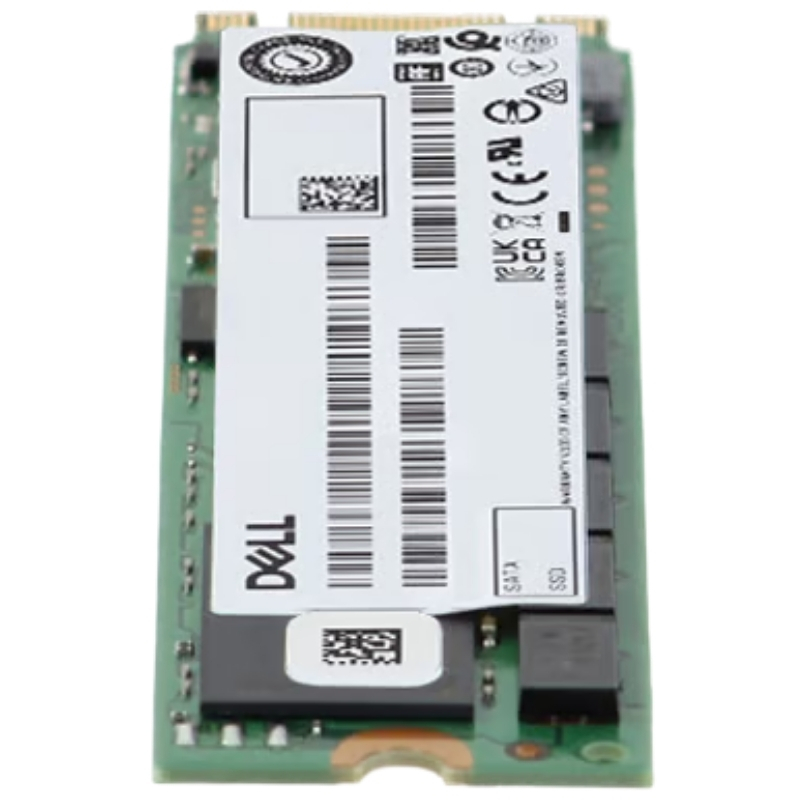
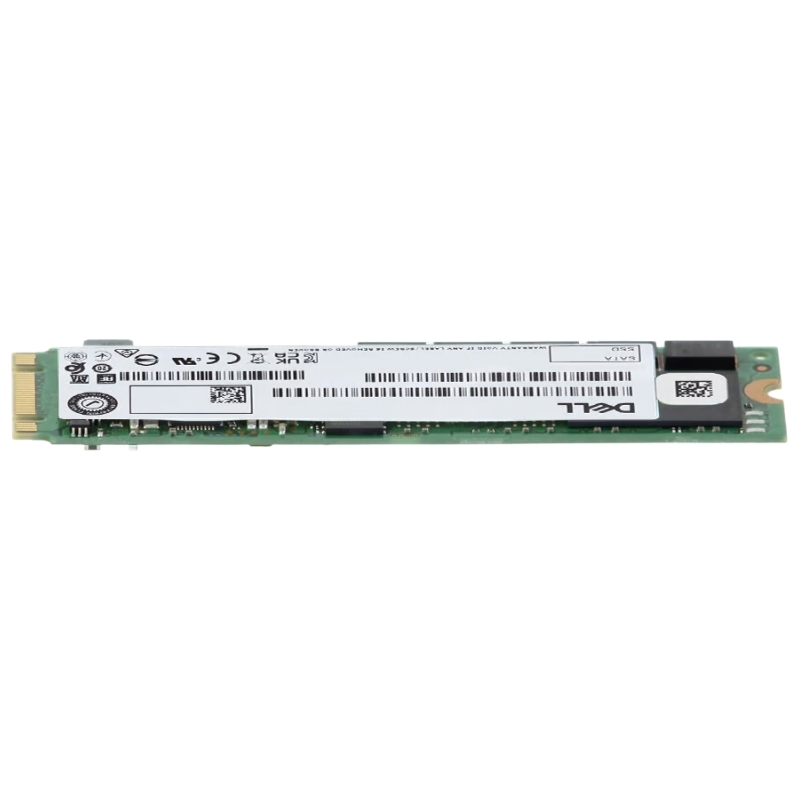
Dell D4DXM 480GB M.2 2280 PCI-E 4.0 NVMe Read-Intensive TLC Self-Encrypting Drive (SED) Enterprise Class for Poweredge Server Solid State Drive. Excellent Refurbished with 1-Year Replacement Warranty
The Dell D4DXM 480GB M.2 2280 PCI-Express Gen4 NVMe Solid-State Drive is engineered for Enterprise-Grade workloads, offering secure Self-Encryption and optimized Read-Intensive endurance. Designed for PowerEdge servers, this SSD ensures reliability, speed, and efficiency in demanding environments.
The Dell D4DXM 480GB M.2 2280 PCI-E 4.0 NVMe Read-Intensive TLC Self-Encrypting Drive is positioned within a specialized enterprise solid state drive category designed to meet the stringent requirements of modern Dell PowerEdge server infrastructures. This category encompasses high-performance NVMe storage devices engineered for predictable latency, sustained throughput, and enterprise-grade reliability within data centers, virtualization platforms, and cloud-integrated environments. The architectural focus of this category centers on PCI Express Gen 4.0 connectivity, which enables substantially higher bandwidth compared to legacy SATA or SAS-based storage solutions, allowing servers to handle demanding read-centric workloads with efficiency and consistency. Within enterprise server ecosystems, M.2 2280 NVMe drives serve a critical role in delivering fast-access storage for operating systems, hypervisors, caching layers, and application binaries. The Dell D4DXM belongs to a class of enterprise-class SSDs optimized for read-intensive usage profiles, where rapid data retrieval and low latency are prioritized over heavy write endurance. This design philosophy makes the category highly relevant for web hosting environments, database indexing, analytics queries, virtual desktop infrastructure, and boot-level storage within PowerEdge servers deployed across enterprise IT landscapes.
The PCI-E 4.0 NVMe interface represents a defining characteristic of this category, doubling the available bandwidth of PCI-E 3.0 while maintaining backward compatibility at the controller level. Enterprise NVMe SSDs like the Dell D4DXM leverage this interface to unlock higher sequential read speeds, improved parallelism, and reduced protocol overhead. The NVMe protocol itself is optimized for non-volatile memory, enabling thousands of parallel queues and commands, which significantly reduces I/O bottlenecks within multi-core server processors. In PowerEdge server environments, the adoption of PCI-E 4.0 NVMe storage aligns with the increasing core counts of modern CPUs and the need for balanced system architectures. Storage devices in this category are designed to complement high-speed memory subsystems and network interfaces, ensuring that storage throughput does not become a limiting factor in data-intensive operations. The result is a category of SSDs that supports scalable performance across virtualization clusters, containerized workloads, and software-defined storage platforms.
The M.2 2280 form factor used in this category enables compact, efficient storage integration within PowerEdge server chassis. Unlike traditional 2.5-inch drive bays, M.2 NVMe drives connect directly to the motherboard or dedicated carrier modules, reducing signal latency and physical complexity. This form factor is particularly valuable in dense server configurations where space efficiency, airflow optimization, and power consumption are critical considerations. Enterprise-class M.2 SSDs are engineered with enhanced thermal management and power regulation to ensure stable operation under continuous load.
Drives within this category are validated for compatibility with Dell PowerEdge servers, ensuring seamless integration with system BIOS, firmware management tools, and lifecycle controllers. The Dell D4DXM SSD category emphasizes interoperability with Dell’s enterprise management ecosystem, enabling administrators to monitor drive health, firmware status, and performance metrics through familiar interfaces.
The read-intensive classification of this SSD category reflects a targeted optimization strategy focused on workloads where read operations significantly outnumber write operations. In such environments, storage performance is measured primarily by read latency, random read IOPS, and sustained sequential throughput. The Dell D4DXM 480GB NVMe SSD category is designed to deliver consistent read performance over extended operational periods, making it well-suited for content delivery, search indexing, and application hosting scenarios. Enterprise read-intensive SSDs use advanced wear-leveling algorithms and optimized flash management to balance performance with endurance. Although write endurance is lower than mixed-use or write-intensive SSD categories, the endurance levels are carefully calibrated to exceed the demands of typical read-heavy server applications.
Enterprise-grade TLC NAND used in drives like the Dell D4DXM is selected and validated for consistent performance and longevity under server workloads. Firmware-level optimizations mitigate the inherent latency characteristics of TLC memory, ensuring that read operations remain fast and predictable. The use of TLC NAND in enterprise NVMe SSDs has enabled higher-capacity configurations within compact form factors, supporting the growing data demands of modern applications. In the 480GB capacity segment, this category provides an ideal balance for operating system storage, application binaries, and frequently accessed datasets that benefit from NVMe-level performance.
Low latency is a critical performance metric in enterprise environments, particularly for transactional applications and real-time analytics. The Dell D4DXM category is engineered to minimize latency through optimized controller design, high-speed PCI-E connectivity, and efficient firmware command processing. This ensures rapid response times for read requests, contributing to improved application responsiveness and user experience. In virtualized environments, where multiple virtual machines share underlying storage resources, consistent low latency is essential for maintaining service level agreements. The read-intensive NVMe SSD category supports predictable performance under multi-tenant conditions, reducing the risk of performance degradation during peak usage periods.
Reliability is a foundational attribute of enterprise storage categories, and the Dell D4DXM NVMe SSD is no exception. This category incorporates a range of hardware and firmware features designed to ensure data integrity, fault tolerance, and long-term operational stability. Endurance ratings within this category are tailored to read-intensive workloads, providing sufficient write capacity over the drive’s operational lifespan while prioritizing performance consistency. Advanced error correction mechanisms, power-loss protection strategies, and SMART monitoring capabilities contribute to the overall reliability profile of these drives.
Enterprise NVMe SSDs in this category utilize sophisticated error correction codes to detect and correct data errors at the flash memory level. These mechanisms are critical for maintaining data accuracy as NAND flash cells age and are exposed to repeated program and erase cycles. The Dell D4DXM category integrates these technologies seamlessly, ensuring that data remains intact even under demanding operating conditions. In addition to error correction, firmware-level safeguards monitor drive health indicators and proactively manage potential failure scenarios.
Power stability is a key concern in server environments, and enterprise SSD categories address this through power-loss protection features that safeguard in-flight data during unexpected outages. While M.2 form factor drives have physical constraints, enterprise-class designs incorporate techniques to ensure metadata integrity and minimize the risk of data corruption. The Dell D4DXM category reflects these priorities, supporting consistent data states across power cycles.
The Dell D4DXM 480GB NVMe SSD category is versatile, supporting a wide range of enterprise deployment scenarios. Its read-intensive optimization makes it ideal for hosting operating systems, hypervisors, and frequently accessed application data within PowerEdge servers. In virtualized environments, these drives provide fast boot times and responsive system performance, contributing to efficient resource utilization. Content delivery networks and web hosting platforms benefit from the high read throughput and low latency characteristics of this category, enabling rapid content retrieval and improved end-user experiences.


 Contact Us
 Information
 Catalog
 Solid State Drives (SSD)
 Network Switches
 Hard Disk Drives
 HBA & Controllers
 PC & Servers
 PC & Server Memory
 CPU & Processors
 Network Routers
 Power Supplies
 Tape Drives & Libraries
 Network Devices
 Computer & Network Cables